

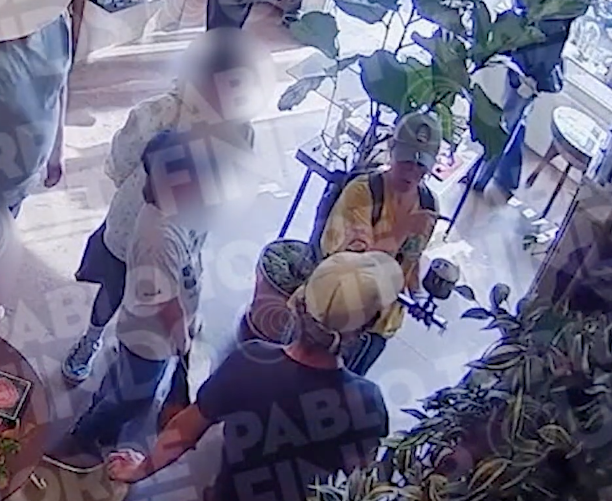
The Kelly Clarkson and Art of Play dispute has become a viral entertainment story, but the most important detail in the newly circulated security video is also its biggest limitation: the footage has no sound. It shows a brief visit to the Brooklyn shop, not the words exchanged over a mechanical singing bird called Molly.
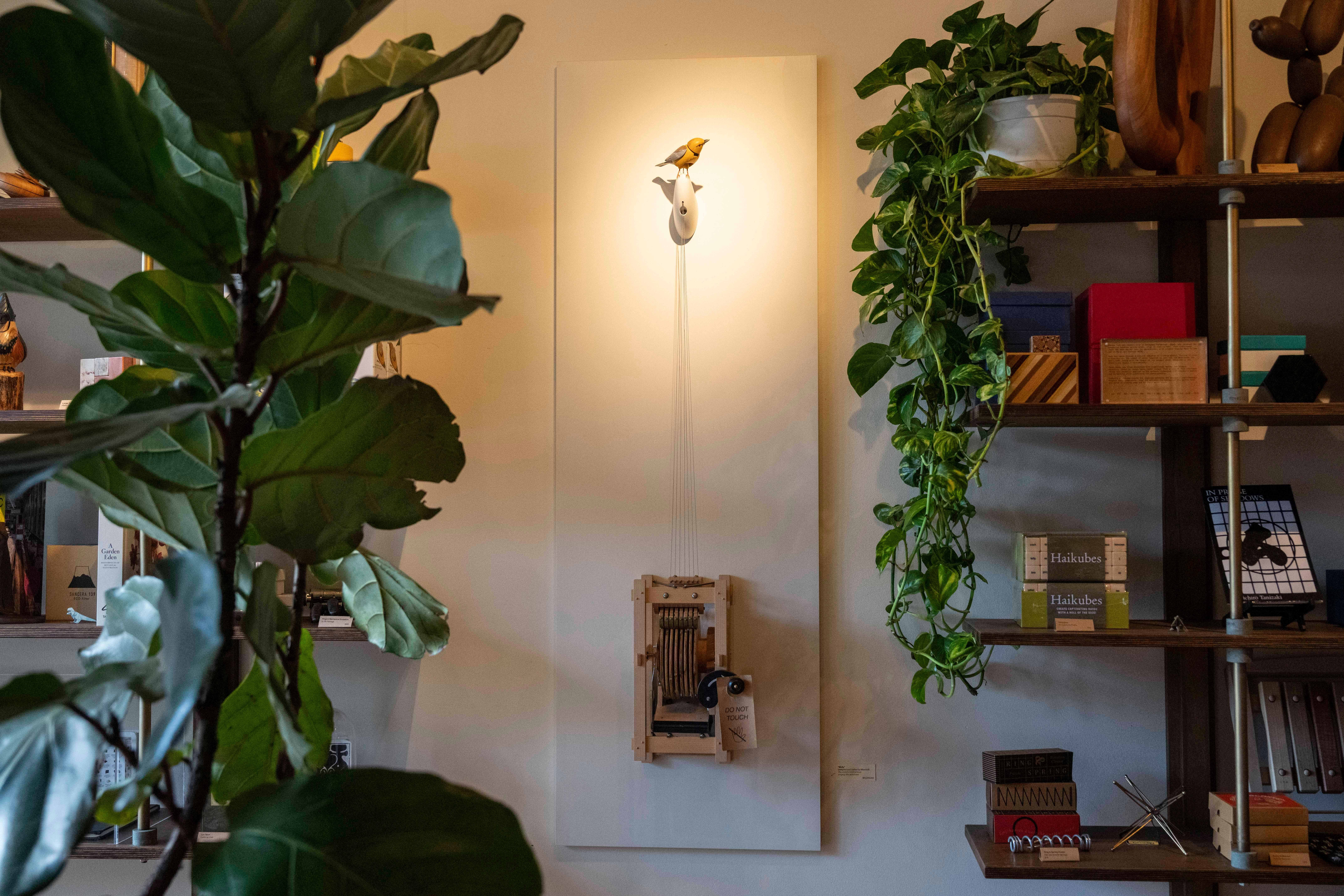
Clarkson said she felt she was treated as though she could not afford an item she wanted to buy. Art of Play’s owners offered a different account, saying Molly is a permanent display piece used in the store’s magic shows and that a similar automaton could be commissioned from its maker. Those competing accounts remain central to the story. The video adds visual context, but it cannot settle the disputed conversation.
What the Kelly Clarkson security footage actually shows
Reports say the visit lasted about four minutes and 50 seconds. The video shows Clarkson browsing the store, approaching the bird and speaking with a staff member before leaving. It also shows her using her phone after exiting. Because the recording is silent, viewers cannot hear whether the employee’s explanation sounded dismissive, practical or something in between.
That distinction matters. Body language can show where people stand, what they point toward and when they leave; it cannot reliably reveal exact words, tone or intent. Treating silent footage as a verdict risks turning a limited visual record into proof of something it cannot establish.
Why the $15,000 price tag became the center of the story
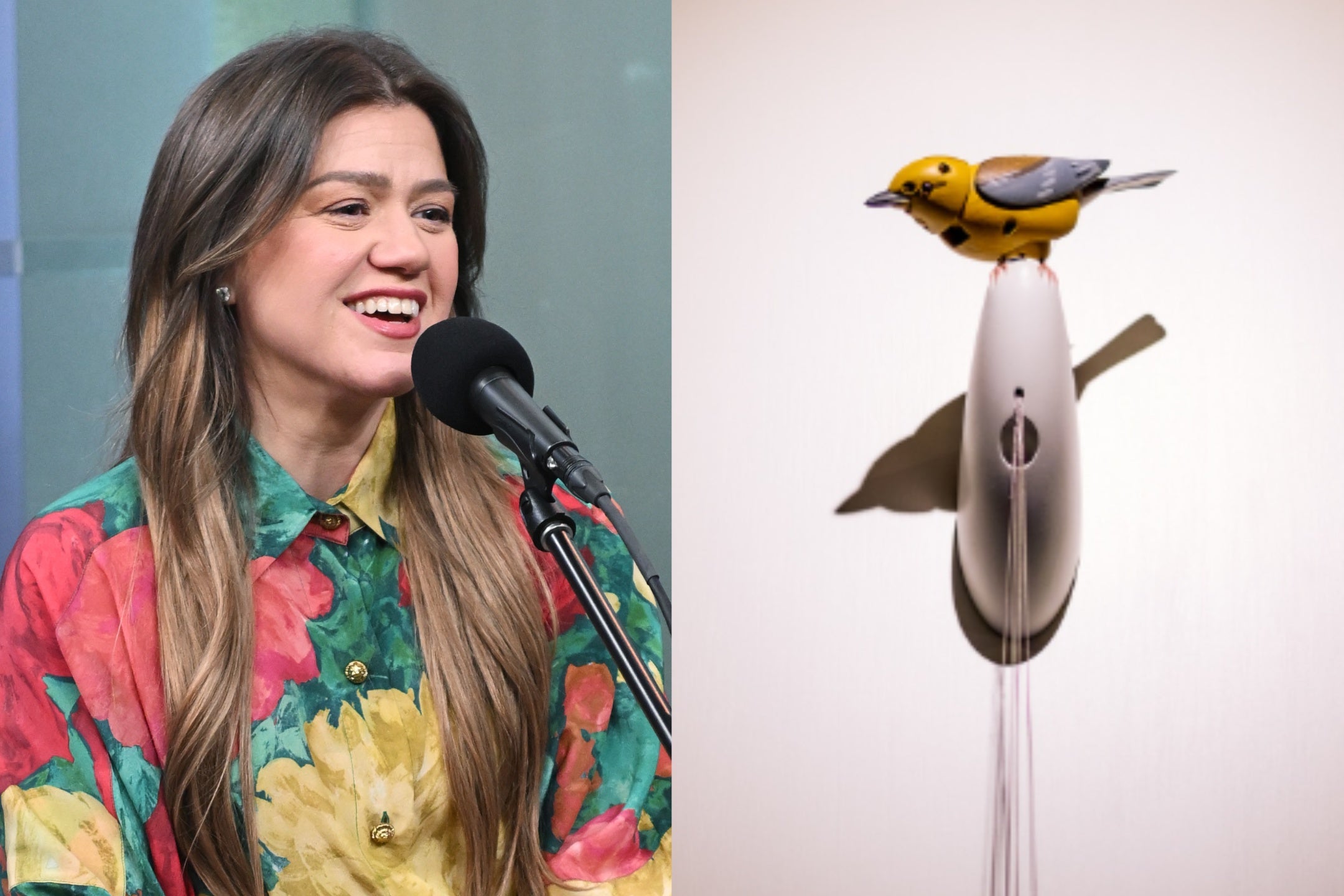
Clarkson described asking about a singing bird after noticing a price tag. Art of Play said the bird on its wall, nicknamed Molly, is permanently attached and is part of the shop’s in-store magic shows. The owners said the $15,000 figure referred to a nearly identical automaton that its Seattle-based creator, Bliss Kolb, could potentially make available.
The disagreement is therefore about more than a number. Clarkson’s account focuses on how the conversation made her feel; the store’s account focuses on what was—and was not—available to buy. Both details help explain why the two sides interpret the same short encounter differently. Neither a price label nor silent video alone can establish every word spoken at the counter.
How a private retail interaction became a public dispute
Clarkson first shared her complaint on X on October 10, comparing the experience to the shopping scene in Pretty Woman. Art of Play responded on Instagram the following day, saying the interaction was a misunderstanding and explaining that Molly was not for sale. Clarkson disputed that explanation in a subsequent response.
The story then grew beyond the original customer-service complaint. The store’s co-owner, Adam Rubin, said the business and its staff faced hostile messages and threats after the post drew widespread attention. Online criticism should not turn into harassment, threats or attempts to expose private information. People can disagree with a business or a celebrity without targeting employees or neighbors.
Watch the reported footage and read both sides
Independent journalist Pablo Torre published the silent surveillance clip after obtaining the footage. Watching the clip alongside the statements from both sides is more useful than relying on a short edited excerpt or a viral caption. The footage offers a timeline of visible actions, while the public statements explain what each side says happened verbally.
Art of Play also posted its response on Instagram. If the post does not load in your browser, use the original post link.
View Art of Play's Instagram response

What happens next?
The central question is still unresolved in public reporting: what exactly was said during the brief conversation, and how did each person understand it? Additional firsthand evidence or a direct resolution between the parties could clarify the disagreement. Until then, the most accurate account separates what the footage visibly shows from what Clarkson and the store each say happened.
The episode also offers a broader lesson for viral celebrity news. A large audience can rapidly turn one customer’s account into a reputational crisis for a small business. That does not mean public criticism should be silenced, nor does it mean a business’s response should automatically be accepted. It means readers should distinguish allegations, documented actions and verified facts—and resist treating a silent clip as a complete transcript.
Frequently asked questions
What is the Kelly Clarkson and Art of Play dispute about?
Clarkson said she felt a staff member treated her as though she could not afford a mechanical singing bird. Art of Play said the bird on display, Molly, was not for sale and described the incident as a misunderstanding.
Does the security video prove what the employee said?
No. The footage has no audio, so it cannot verify the words, tone or intent of the conversation.
Was Molly listed for $15,000?
Clarkson shared a photo she said showed a $15,000 price tag. The store said that amount referred to a nearly identical bird that could potentially be made by the artist, rather than the wall-mounted display itself.
Why did the story spread so quickly?
The dispute combined a well-known singer, a small Brooklyn shop, competing accounts and a distinctive mechanical bird. Social posts and the release of silent footage widened the audience, while the lack of audio left room for competing interpretations.
Where can readers find more coverage?
Read our related coverage on what the silent CCTV footage shows, the $15 million Molly price tag and the store owner’s response. For additional reporting, consult PEOPLE’s timeline, CBS New York’s report and The Independent’s coverage.


