

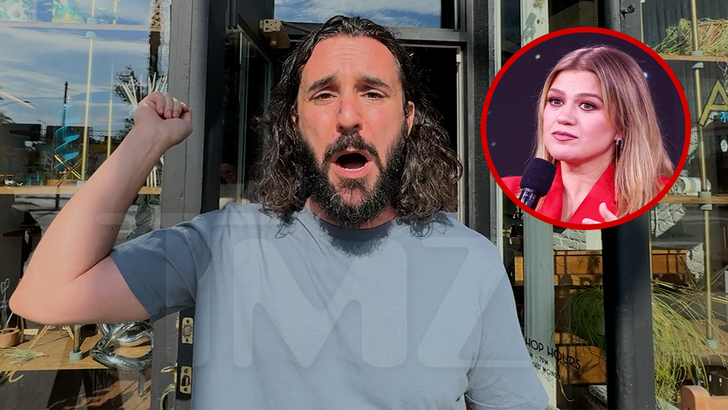
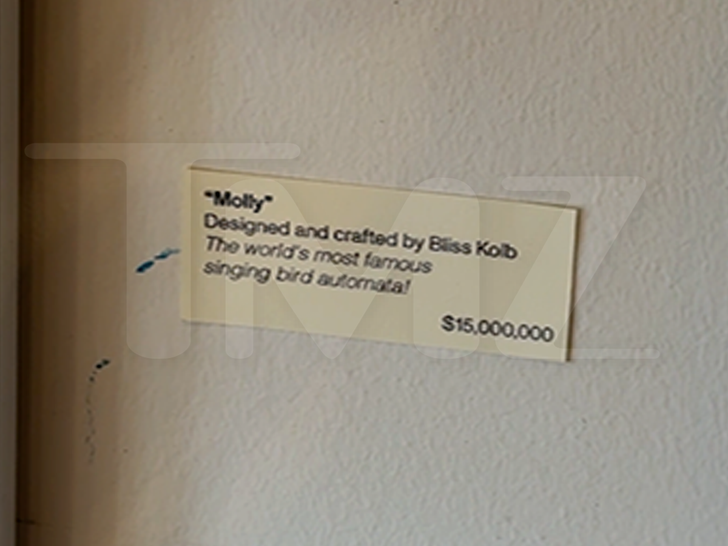
A mechanical bird named Molly has become one of the strangest headline-makers of the week. The automaton, displayed at Brooklyn curiosity shop Art of Play, was linked to a $15,000 price tag before a brief visit by Kelly Clarkson turned into a public disagreement over customer service, what was for sale, and what was said inside the store. By October 14, the shop’s co-owner was telling media outlets that the bird was now priced at $15 million.
That eye-catching figure is real as an announced asking price. It is not evidence that anyone has paid $15 million, that an independent appraiser valued the bird at that amount, or that a sale is imminent. This is a story about a price announcement made amid viral attention, not a documented million-dollar transaction.
How a $15,000 bird became a $15 million headline
The disagreement began after Clarkson visited Art of Play in Brooklyn and later wrote on social media that she felt she had been treated as though she could not afford an item she wanted to buy. She compared the experience to the dismissive shopping scene in Pretty Woman. The item at the center of the dispute was Molly, a singing and moving wooden automaton displayed inside the store.
Art of Play’s explanation differed. The shop said Molly was a display piece attached to the wall and not meant to be sold. According to the store, the artist who made the automaton had a nearly identical bird available for $15,000, and staff also mentioned a different bird priced at around $2,000. Clarkson disputed the store’s account and pointed to a photo of a $15,000 price tag as evidence that the conversation was not as the shop described.
Those accounts remain in conflict. Public statements and video can document parts of the timeline, but they do not independently establish the precise words spoken during a conversation inside the store.
Why the store says the price is now $15 million
Co-owner Adam Rubin told reporters the shop raised the asking price after the controversy brought extraordinary attention to Molly. The move is best understood as a response to publicity and demand—not as a conventional valuation process. A seller can announce an asking price; the market only establishes a realized value when a willing buyer and seller complete a transaction.
That difference separates three things often blurred in viral coverage:
- The earlier figure: $15,000 was reported in connection with a similar automaton and the price tag Clarkson said she saw.
- The new figure: the store publicly announced a $15 million asking price for Molly after the story spread.
- A verified sale: no confirmed sale for $15 million has been reported in the sources reviewed for this article.
The new number has become part of the spectacle. It should not be repeated as though the bird has objectively appreciated by a thousand times or sold for that amount.

What the surveillance video can—and cannot—tell us
Reports published October 13 and 14 described silent surveillance footage showing Clarkson entering the shop, browsing, approaching the bird and speaking with staff before leaving after roughly five minutes. The video adds visual context to the timeline, but it contains no audio. Viewers cannot hear the words exchanged or reliably determine the tone and intent of the conversation from silent footage alone.
The footage can show where people stood, what they appeared to point toward and when Clarkson left. It cannot settle whether an employee meant to be dismissive, whether Clarkson was offered an alternative in the way the store later described, or exactly how the price was explained. Those questions require evidence beyond silent images.
For reporting on the released footage, see Entertainment Weekly and CBS New York.

The bigger story: attention is not the same as value
The $15 million number is tailor-made for headlines because it transforms a niche handcrafted object into a symbol of an internet argument. But viral visibility can inflate attention without establishing a buyer’s willingness to pay. The bird may now be more widely recognized than it was before; that is different from proving its monetary value increased by a specific amount.
The dispute also illustrates how quickly a local customer-service disagreement can become a national story when a celebrity posts about it. Clarkson described feeling judged as a shopper. The store has defended its employees and said the backlash brought unwanted attention and safety concerns. Those claims deserve attribution to the people making them, and criticism of either side should not become an excuse for harassment or threats.
For customers and small businesses alike, the practical lesson is less dramatic than the price tag: explain what is and is not for sale clearly, listen when a customer says they felt dismissed, and correct misunderstandings without turning every public disagreement into a contest to win online. The available evidence does not require readers to choose a side to recognize that a short interaction can have consequences far beyond the shop floor.

What happens next?
The central questions are still unresolved: whether Molly was actually available to buy at the time of Clarkson’s visit, how the price was explained, and whether the newly announced $15 million asking price will attract a serious buyer. Until a sale is documented, the price should be treated as the store’s public asking figure rather than a confirmed market value.
Vervado will update this story if either side provides verifiable new information or if a sale is confirmed.
Frequently asked questions
Is the mechanical bird really worth $15 million?
Art of Play’s co-owner announced a $15 million asking price. That is not the same as an independent appraisal or a completed sale at that amount.
How much did the bird cost before the controversy?
Reports described a $15,000 price connected to a nearly identical bird by the creator, while Clarkson said she saw a $15,000 price tag during her visit. The store said the displayed Molly was not for sale at that time.
Did the security video prove what was said?
No. Reports describe the footage as silent. It shows parts of the visit but cannot establish the exact words or tone of the conversation.
Where did the incident happen?
The dispute concerns Art of Play, a curiosity shop in Brooklyn, New York.
Sources and reporting
- TMZ: The bird’s newly announced $15 million asking price
- Entertainment Weekly: The store owner’s explanation for the price change
- PEOPLE: Details of the dispute and competing accounts
- CBS New York: What the silent surveillance footage shows
- Art of Play: Official store information
By Shivam Das | Vervado Entertainment News


