

By Shivam Das | October 14, 2026
Adam Rubin says Kelly Clarkson’s viral complaint turned a short shopping visit into a crisis for his Brooklyn business. The co-owner of Art of Play described the singer’s post as being “like she threw a Molotov cocktail at us,” telling Business Insider that the shop was left trying to manage an intense wave of attention, criticism and alleged threats.
The phrase captures Rubin’s account of the fallout, not an independent finding about who was right during the original conversation. Clarkson says she felt talked down to when she asked about a mechanical singing bird; Art of Play says the bird on display, known as Molly, was not for sale and that staff tried to explain other options. The brief security video that later circulated has no audio, so it cannot settle what was said or the tone in which it was said.
What Adam Rubin meant by the “Molotov cocktail” comparison
Rubin’s metaphor was about the speed and scale of the reaction after Clarkson publicly described her experience. A celebrity post can reach millions of people in hours; a neighborhood retailer has far fewer ways to respond at the same scale. Business Insider reported that Clarkson’s post had passed 45 million views at the time of its story and that Rubin said the shop had received hostile messages as well as support from customers and strangers.
Rubin also said people had shown up outside the store. In separate coverage, local news outlets reported that the owners were worried about staff safety amid aggressive messages and in-person confrontations. Those are claims attributed to the shop and its co-owner; they should not be read as proof that every critical review or message came from Clarkson herself or that all people commenting online acted in the same way.
The distinction matters. Public criticism of a business is legitimate, and customers can describe an experience they found disrespectful. But online pile-ons, threats, doxxing and harassment are different from criticism. They can put workers and neighboring businesses in a difficult position, especially when a controversy draws attention far beyond the people who were present.
How the dispute started: the bird called Molly
The dispute began after Clarkson visited Art of Play in Brooklyn on October 10. In a post on X, she said she had driven to the shop with items in mind to buy but felt she was treated as though she could not afford something she asked about. She compared the experience to the store-snubbing scene in the 1990 film Pretty Woman.
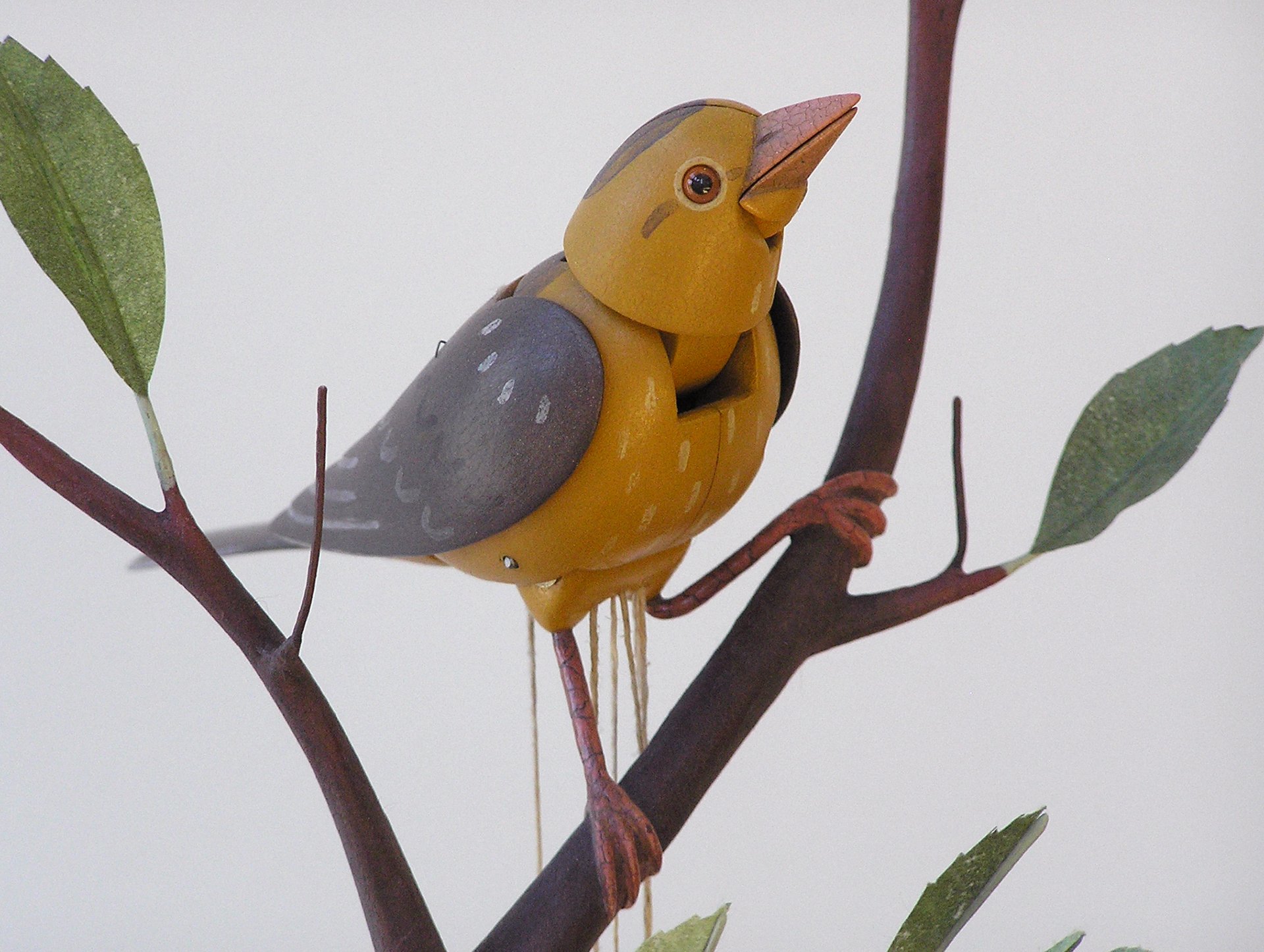
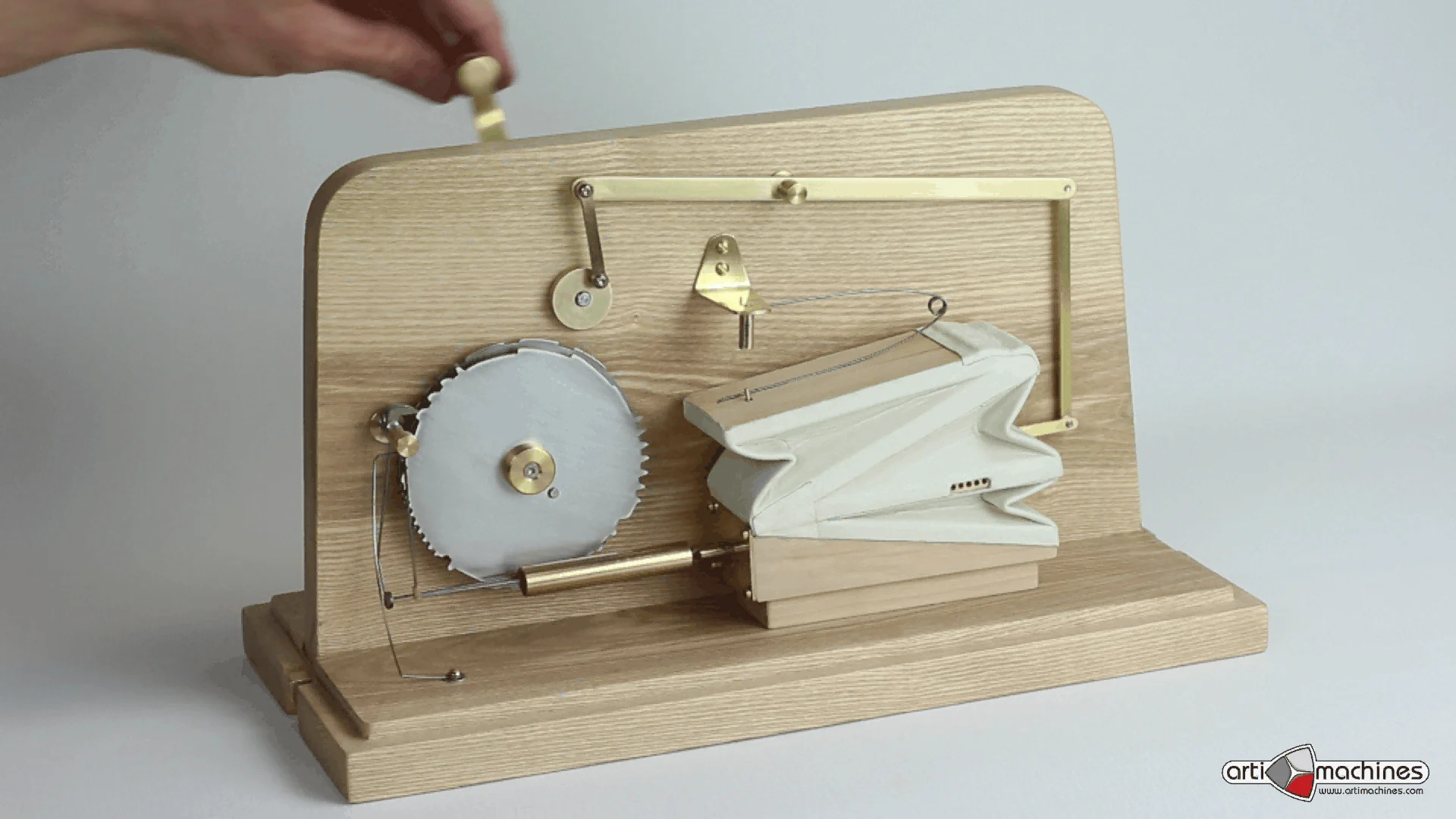
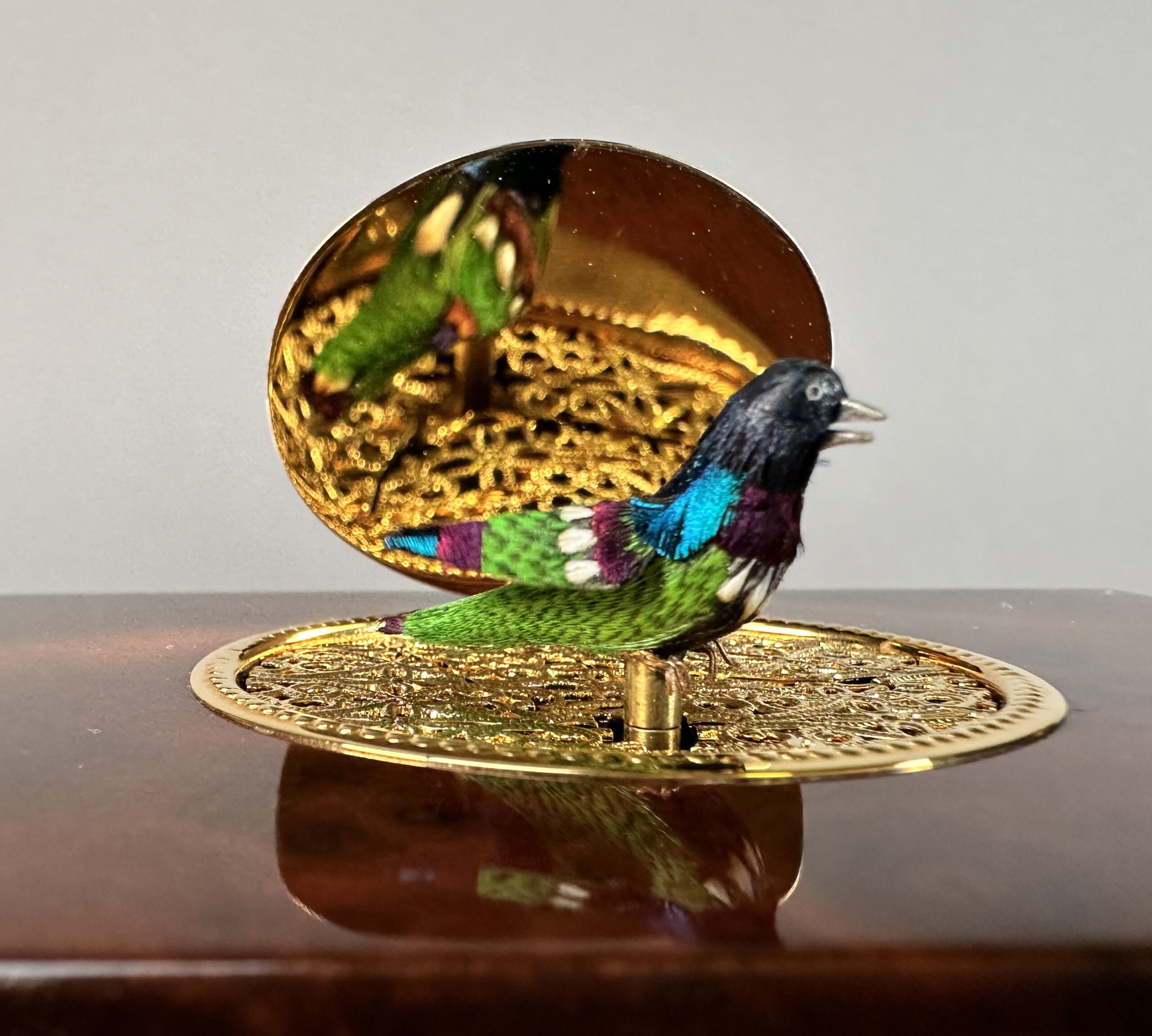
Art of Play’s first response said Clarkson had asked about Molly, a singing and dancing bird automaton that the store says is permanently attached to the wall and used as part of its magic-show experience. The shop later added that the creator, Seattle-based artist Bliss Kolb, had a nearly identical version that could be purchased for $15,000, and that staff also offered to show Clarkson another singing-bird automaton priced at about $2,000. The store said she left before viewing that alternative.
Clarkson disputed that explanation. She said she had pointed to a price tag and recalled being told the bird cost $15,000, followed by an offer to find something comparable. She accused the shop of changing its account. Neither side’s description of the conversation has been independently established by the silent footage.
Why the silent CCTV video did not end the argument
Security footage released through journalist Pablo Torre’s reporting shows Clarkson inside the store for roughly five minutes, browsing items, approaching the bird display and interacting with staff before leaving. The video provides a timeline, but without audio it does not reveal the exact words exchanged, whether a price was quoted, or what either person intended.
That limitation is important in a dispute built around tone and interpretation. A viewer may read a gesture or expression as frustration, but video without sound cannot establish the cause. It is fair to report what the footage visibly shows; it is not fair to present an uncertain facial expression as proof of a specific insult.
For background, see the coverage from Entertainment Weekly and Business Insider’s breakdown of what the footage does—and does not—show.
The $15 million price tag is not a confirmed sale
As the story spread, Rubin said the bird’s asking price had been raised to $15 million. That figure became a headline-grabbing twist, but a stated asking price is not the same as an independent appraisal, a completed transaction or evidence that a buyer has offered that amount. There is no verified sale reported in the coverage cited here.
The jump from a reported $15,000 price for a similar automaton to a $15 million public asking price also illustrates how a viral controversy can change the commercial context around an object. The bird became recognizable to people who had never visited the store, while the shop’s ordinary business—selling puzzles, games, books and unusual gifts—was suddenly discussed through a celebrity dispute.
A bigger lesson about celebrity reach and small businesses
The episode has become more than an argument about customer service. It shows how quickly a personal account from a public figure can shape the reputation of a small business—and how little room a shop may have to correct a narrative once millions of people are weighing in. An Associated Press report quoted experts on the responsibility that comes with celebrity influence, while also noting that social platforms can encourage fans to feel personally connected to public figures they do not actually know.
That does not mean a celebrity should stay silent about a bad experience. It does mean that readers should separate a first-person account from verified evidence, wait for responses, and avoid turning disagreement into targeted abuse. Likewise, businesses facing criticism are better served by clear, consistent explanations than by personal attacks or speculation about a customer’s motives.
Rubin has said he would welcome Clarkson back to the store, while maintaining that staff treated her like any other customer. Clarkson has continued to dispute the shop’s version. As of this article’s publication, the central conversation remains unresolved publicly: the video has no audio, and the accounts of the exchange conflict.
What to know about the Kelly Clarkson–Art of Play dispute
Why did Adam Rubin compare the post to a “Molotov cocktail”?
Rubin used the phrase to describe what he said was the sudden and overwhelming fallout for his Brooklyn shop after Clarkson’s post spread online. It is his characterization of the impact, not a neutral finding about the original encounter.
What does the CCTV footage prove?
The silent footage shows a short visit and a brief interaction, but it does not establish the exact words, tone or intentions of either person. It cannot independently confirm either account of the conversation.
Was Molly actually sold for $15 million?
No verified sale for $15 million has been reported in the cited coverage. The figure was described as a raised asking price, not a completed transaction or independently confirmed valuation.
What did Art of Play say happened?
The store said Molly was a display piece permanently attached to the wall, that a similar bird could be obtained from its creator for $15,000, and that staff offered to show Clarkson another bird for about $2,000. Clarkson disputes the shop’s account of how the conversation unfolded.
Related coverage and original posts
Read the reporting from Business Insider, The Associated Press, and ABC News. The social posts below are included for readers who want to review each side’s public statements directly.
View Kelly Clarkson’s post on X
View Art of Play’s statement on Instagram
Watch the released store footage on YouTube. The clip is silent, so it should be interpreted within that limitation.
Reporting note: This article distinguishes between the parties’ claims, observable footage and independently verified facts. The asking price reported for the bird is not described as a sale or formal valuation.


