

The key question in Kelly Clarkson’s dispute with Brooklyn curiosity shop Art of Play is not simply whether a singing bird costs $15,000. It is which bird that price referred to—and whether the alleged “twin” was ever shown, ordered, or independently confirmed. The shop says its wall-mounted automaton Molly was not for sale, but that Seattle-based maker Bliss Kolb had a nearly identical piece he would sell for $15,000. Clarkson has disputed the store’s account of their conversation. As of October 14, 2026, public reporting has not established that a second bird was delivered to the shop or that a sale took place.
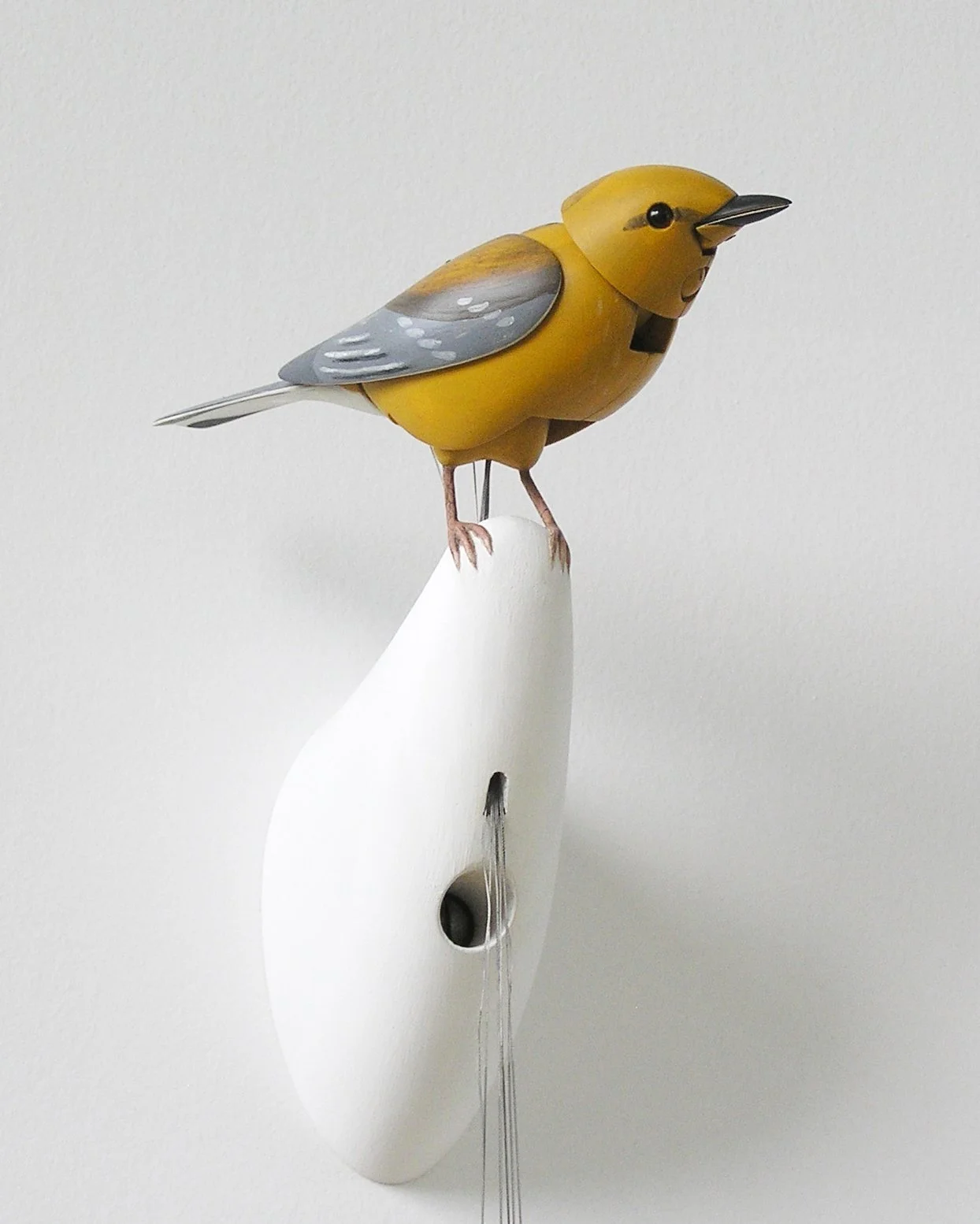
What Art of Play said about Molly’s “twin”
After Clarkson publicly described feeling judged during her October 10 visit, Art of Play said Molly is a one-of-a-kind singing-and-dancing bird mounted to the wall and used as part of the store’s magic-show experience. In a follow-up statement, the shop said Kolb owned a nearly identical automaton and had indicated he would be willing to part with it for $15,000. The store also said it offered to show Clarkson a different, German-made singing bird priced at about $2,000, but that she left before seeing it.
Those details are the shop’s account, not a jointly agreed description of the exchange. Clarkson said she pointed to a price tag and was told the bird was for sale for $15,000, with a comparable item offered in a way she considered condescending. She later shared a photo of a price label. The silent surveillance footage released by journalist Pablo Torre shows a brief visit, but it has no audio and therefore cannot settle what was said or the tone in which it was said. PEOPLE’s report on the footage and competing accounts lays out the main claims.
Did the $15,000 sibling actually exist?
The careful answer is that the shop publicly described a nearly identical piece belonging to the artist, but public reporting has not independently confirmed the exact status of that specific object. There is a difference between an artist having made a similar design, being willing to make another, and having a completed second automaton available to ship immediately. The public statements do not establish which of those situations applied.
Kolb’s official website describes the construction of the wall-mounted Singing Bird: a wooden gear drives cams, levers and cables that create several movements, while leather bellows push air through a brass whistle to make the bird sing. The site also says his wooden crank-operated automata may be available individually to order depending on his schedule, with listed prices generally ranging from $4,000 to $12,000. That general range is useful context, but it does not prove the price, availability or ownership of the particular “twin” mentioned by Art of Play. Kolb’s automata overview and price guidance is the primary source for those details.
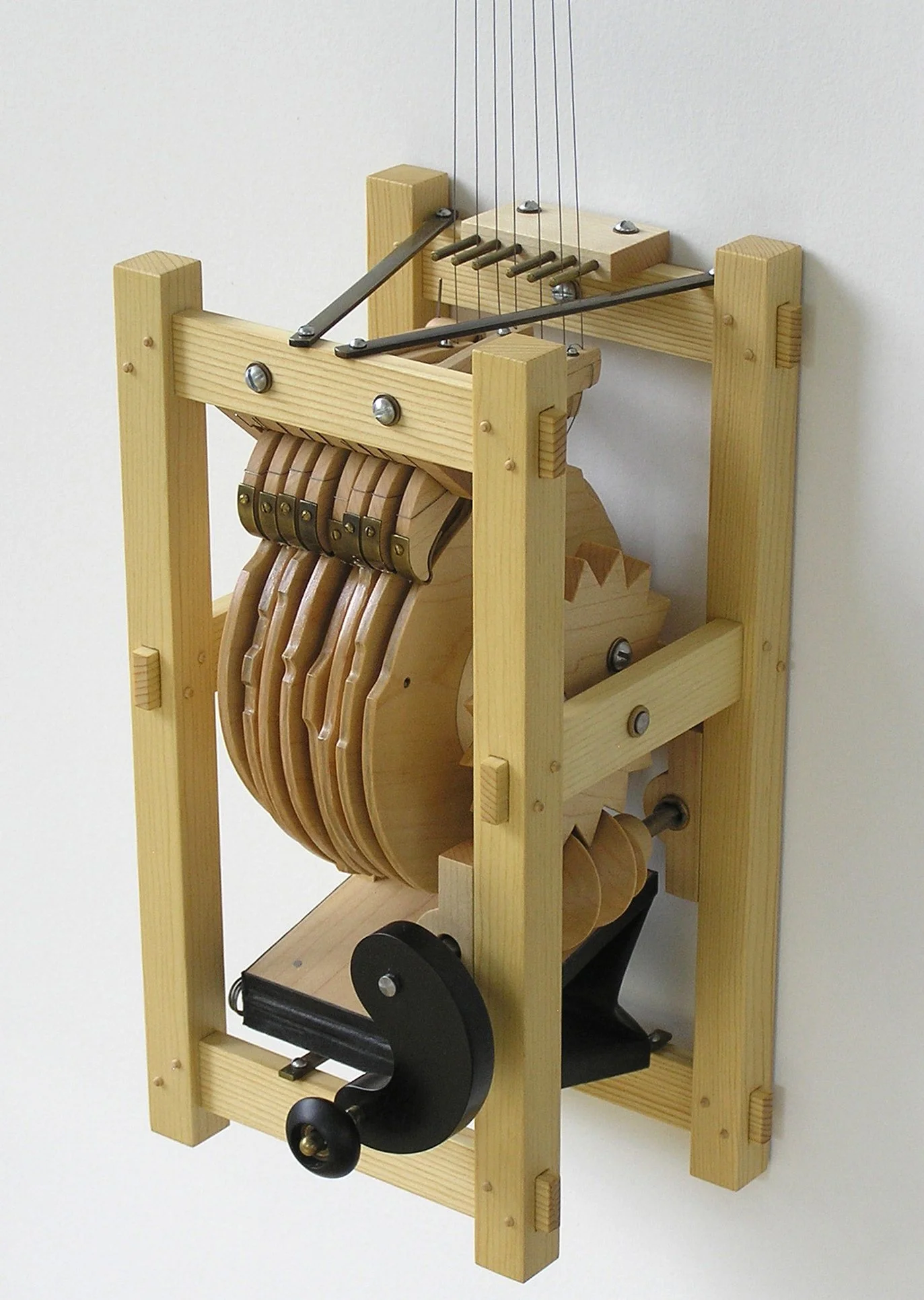
Why a second bird would not necessarily be an exact duplicate
In handmade automata, “twin” can be a convenient shorthand for a similar design rather than a guarantee that two finished objects are indistinguishable. Small variations in wood grain, paint, fittings, adjustments and the way a mechanism is tuned can make individually built works different. Kolb’s site describes the materials and motion system of his wall-mounted bird, but it does not publicly identify a specific completed second piece as the one discussed during Clarkson’s visit.
That distinction matters because the controversy has often been framed as a simple question: was Molly for sale for $15,000 or not? The store says Molly herself was a permanent fixture, while the $15,000 figure concerned a similar automaton associated with the maker. Clarkson’s account is that she was told the bird she pointed to was for sale at that price. The visible evidence available publicly does not resolve the conversation or identify the exact object the price tag referred to.
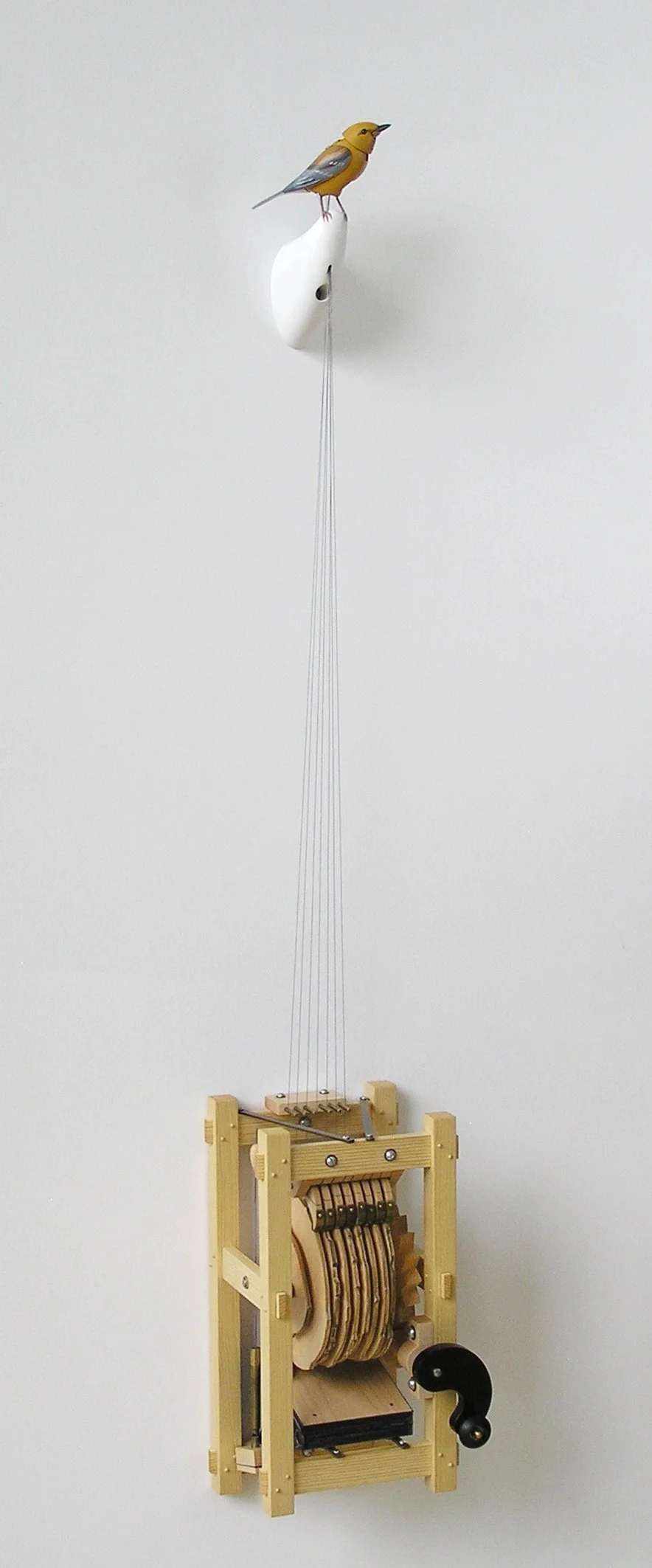
What the $15 million price tag does—and does not—mean
After the story spread, Art of Play co-owner Adam Rubin said the store had raised Molly’s stated price to $15 million because of the attention. That is a publicity-driven asking figure reported in interviews, not evidence of an actual transaction, a formal appraisal or a buyer willing to pay that amount. It also does not establish the market value of the alleged sibling.
For context, the artist’s website gives a general price range for made-to-order wooden automata, while Art of Play’s $15,000 statement referred to a nearly identical piece. Those are different claims about different things. Without a written quote from the maker, a confirmed order, or a documented sale, it would be misleading to treat the $15,000 sibling as a verified, available product—or the $15 million figure as a genuine market valuation.
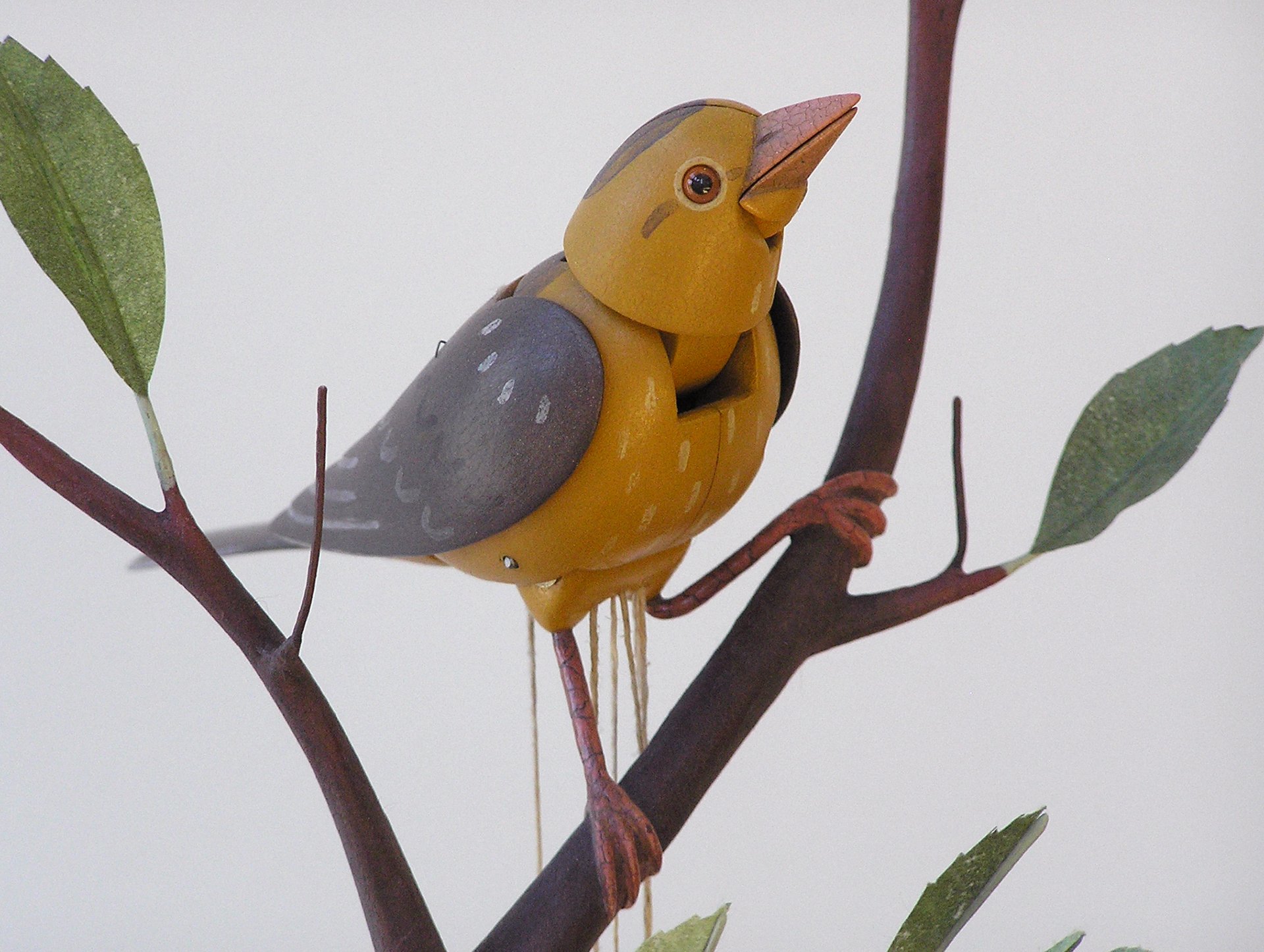
How the bird works: a small machine built to feel alive
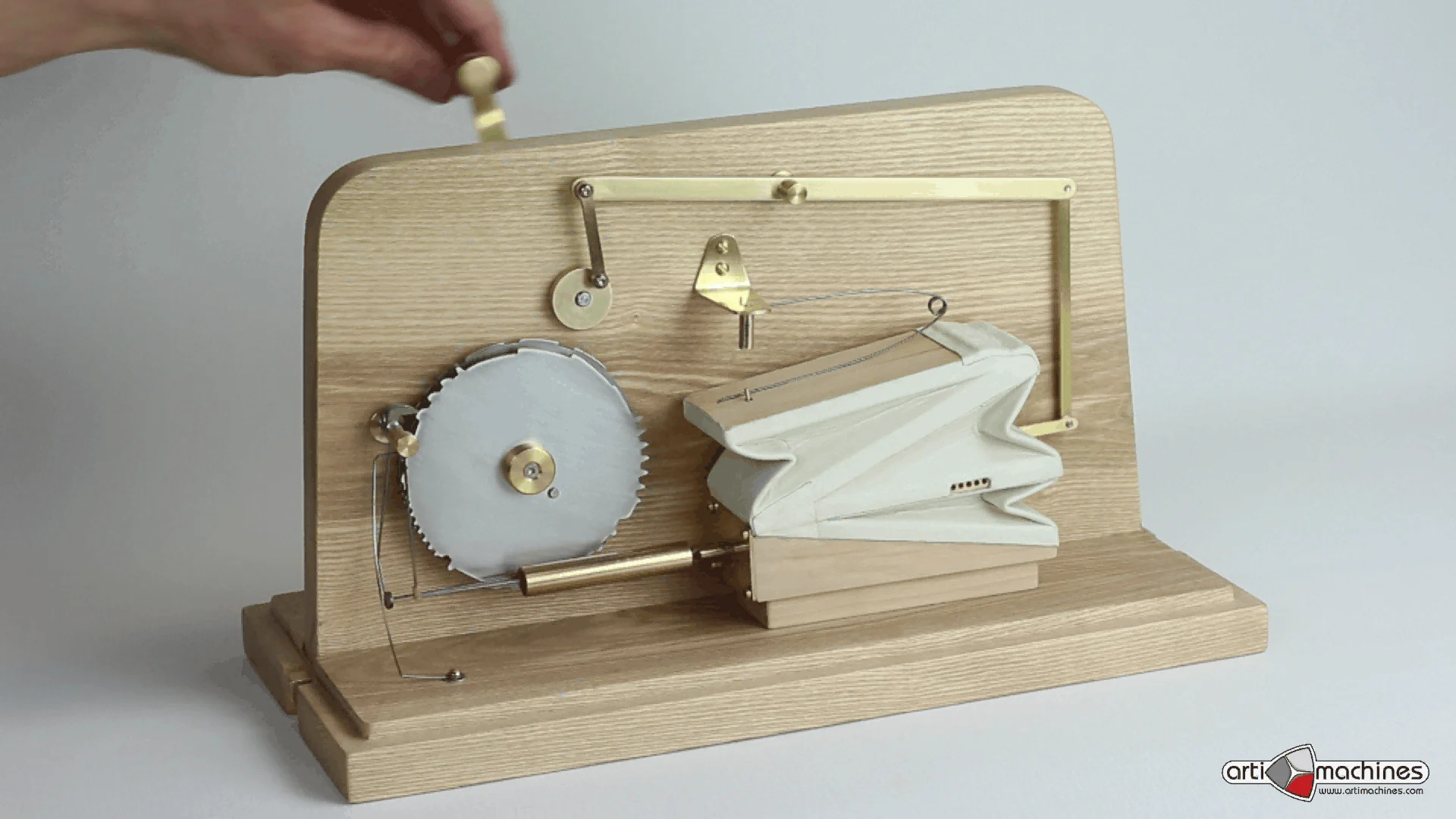
The fascination is not just the bird’s appearance. On Kolb’s wall-mounted model, a crank turns a gear system that activates cams; those cams pull levers and cables to move parts of the bird. Bellows push air through a whistle, producing a simple song. That combination of motion, sound and carefully concealed mechanics creates the illusion of a living creature. It also helps explain why the piece is a specialty artwork rather than a mass-produced toy.
For readers trying to understand the object at the center of the argument, the artist’s technical description is more reliable than viral captions or assumptions about its price. A separate mechanical-bird demonstration from Artimachines offers another look at the sort of bellows and linkages used in singing-bird automata.
What would settle the question?
The clearest confirmation would come from the artist: whether a specific second bird exists, whether it was completed or merely could be commissioned, what the quoted price covered, and whether it was available at the time of the visit. A dated listing, written quote or direct statement from Kolb would help distinguish a finished object from a possible future commission. Until then, the claim that Molly had a $15,000 “sibling” should be attributed to Art of Play rather than presented as an independently verified sale listing.
The broader disagreement also remains unresolved. The CCTV footage documents movement through the store, not the conversation itself. Clarkson and the shop have offered different descriptions of that interaction, and neither the price-tag photo nor the silent video alone can establish every disputed detail. A careful account can report both versions without pretending the evidence proves more than it does.
Frequently asked questions
Was Molly’s twin sold for $15,000?
No public evidence reviewed for this article confirms a sale. Art of Play said the artist owned a nearly identical piece and would part with it for $15,000; that is not the same as a documented purchase.
Was Molly herself for sale?
Art of Play says Molly is attached to the wall and serves as a store mascot, so the shop says that specific bird was not for sale. Kelly Clarkson has disputed the account of what she was told about the price tag.
Does Bliss Kolb’s website list the exact twin at $15,000?
The artist’s website describes his automata and gives a general made-to-order price range, but the public information reviewed here does not independently verify a specific twin priced at $15,000.
Is the $15 million price a real valuation?
It was reported as a price announced by the store after the controversy. It should not be confused with an appraisal or a completed sale.
Reporting note: This article distinguishes public statements from independently confirmed facts. The photographs above show designs or mechanisms from the artists’ and makers’ websites and are not presented as proof of the alleged twin’s existence or sale.
Sources: PEOPLE on the surveillance footage and the store’s statement; Los Angeles Times on the competing accounts; Bliss Kolb’s technical description; Bliss Kolb’s automata overview.
By Shivam Das


