The Kelly Clarkson–Art of Play dispute has turned a hand-built singing bird into a viral celebrity-news subject. But it also raises a wider question for magicians and collectors: why do physical illusions, mechanical props and objects with a little mystery still hold attention in an age of instant video and digital effects?
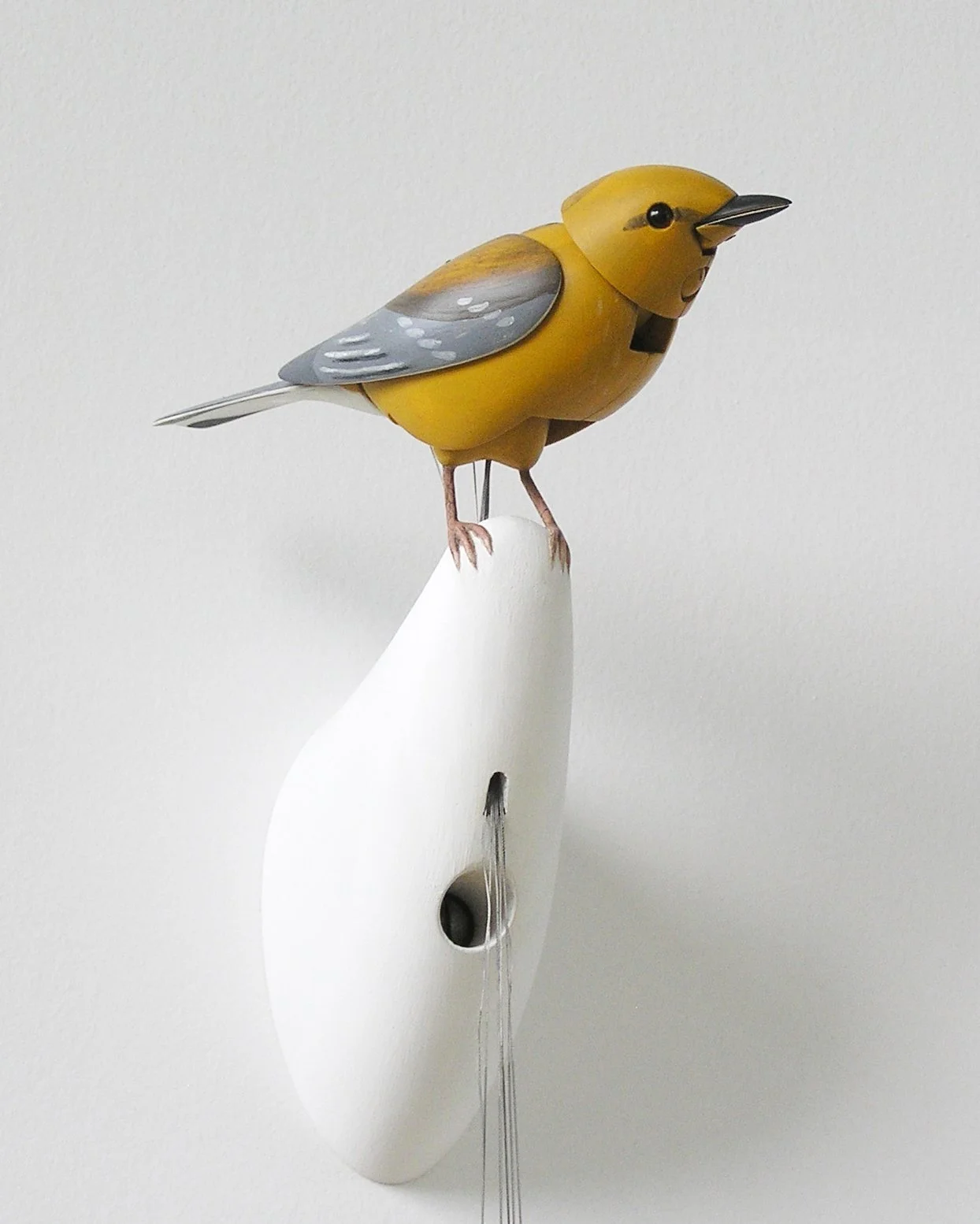
There is no verified evidence that a secret magician network is protecting Molly, the bird displayed at Brooklyn’s Art of Play. What is documented is that the shop uses the automaton as part of its magic-show experience and that Seattle artist Bliss Kolb creates intricate moving sculptures. The craft is real; claims about a hidden campaign or a confirmed sale would go beyond the available evidence.
Why a mechanical bird fits a magic shop
Magic works by guiding attention. A performer may use timing, misdirection, a concealed mechanism or a carefully chosen object to make an ordinary moment feel impossible. A mechanical automaton offers a different kind of wonder: an audience can see a small bird move and sing, yet the coordinated action of gears, cams, levers and bellows remains surprising.
Art of Play has described Molly as a permanent display piece connected to its in-store magic shows. The store says the bird itself was not for sale and that the $15,000 figure referred to a nearly identical automaton Kolb could potentially provide. Kelly Clarkson has disputed the store’s account of the conversation. The released security footage has no audio, so it cannot settle what either side said.
The craft behind Molly is more than a viral prop
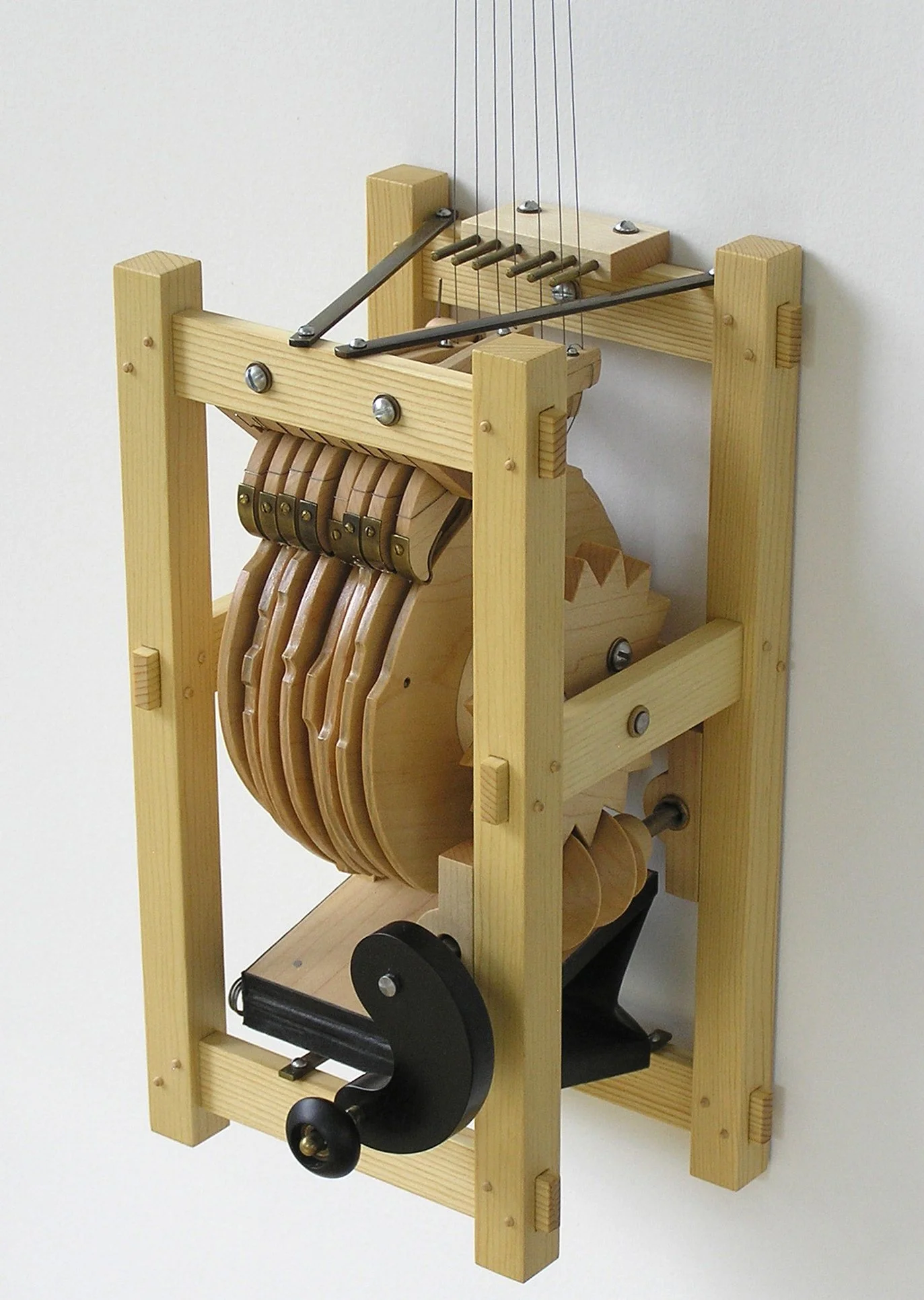
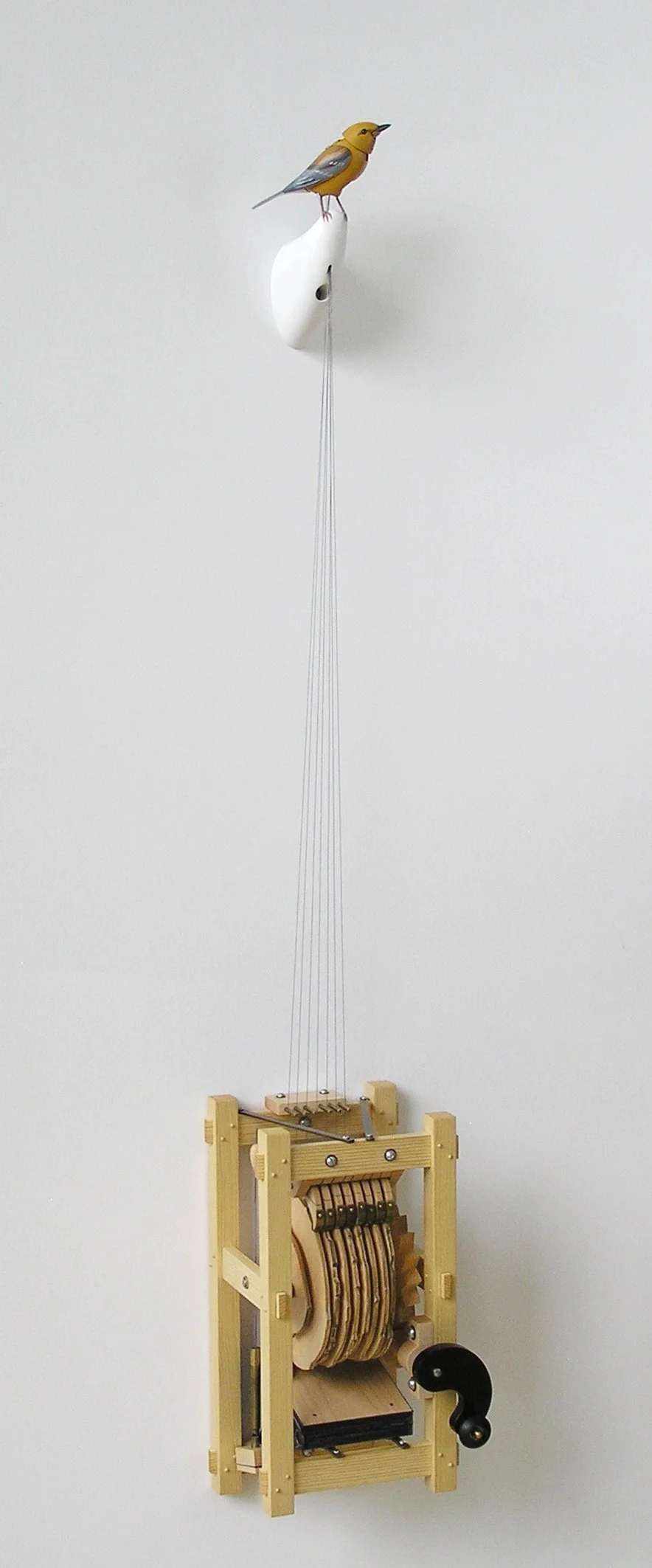
Kolb’s official description of Singing Bird on Wall explains that a wooden worm gear turns a star gear and a series of cams. Each cam activates a lever and cable, producing a movement in the bird. Leather bellows push air through a brass whistle, while a plunger mechanism changes the pitch of the sound.
That is a compact mechanical system, not a digital effect. It requires careful woodworking, fitting, adjustment and testing so the parts move in sequence. The artist’s website says his wooden crank-operated automata may be made individually to order, depending on his schedule, and lists a range of $4,000 to $12,000 for the works shown there. Those published prices are not the same as the disputed $15,000 figure or Art of Play’s later $15 million asking price for Molly.
Are magicians rallying around Molly?
It is reasonable to see why magicians and collectors might appreciate a well-made mechanical object: it combines craftsmanship with theatrical effect. But the sources reviewed for this report do not establish that a coordinated magician community is secretly protecting Molly, nor do they document an organized campaign on the bird’s behalf. Without named participants and verifiable statements, that claim should not be presented as fact.
What can be said is that the object has become part of a wider discussion about how magic shops create memorable experiences, how specialist artists make unusual pieces, and how a celebrity post can rapidly change the attention surrounding a small business. Readers should look at original statements, distinguish confirmed details from competing accounts, and avoid directing harassment at either the store or the people involved.
Other automata show the range of the art form
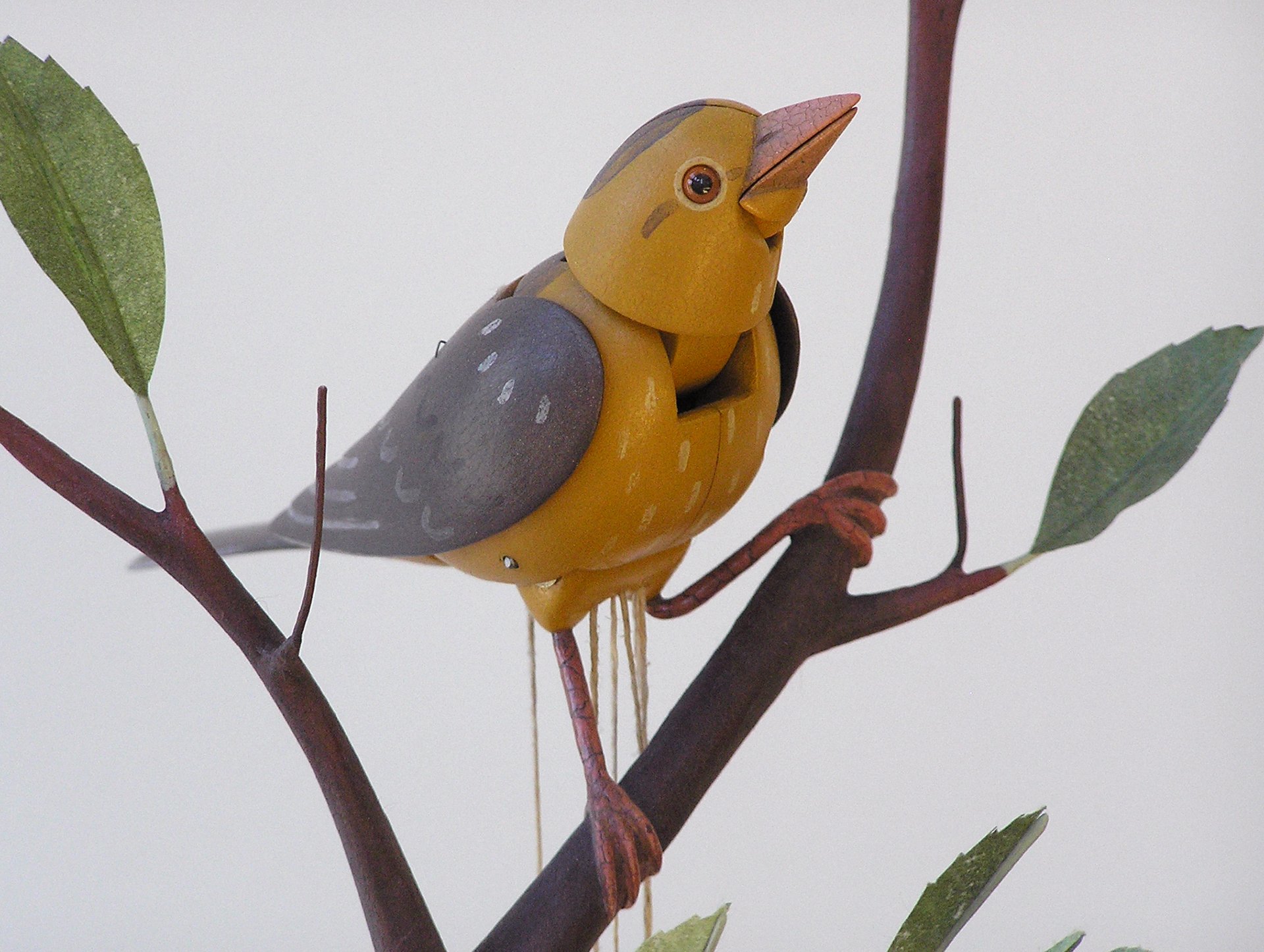
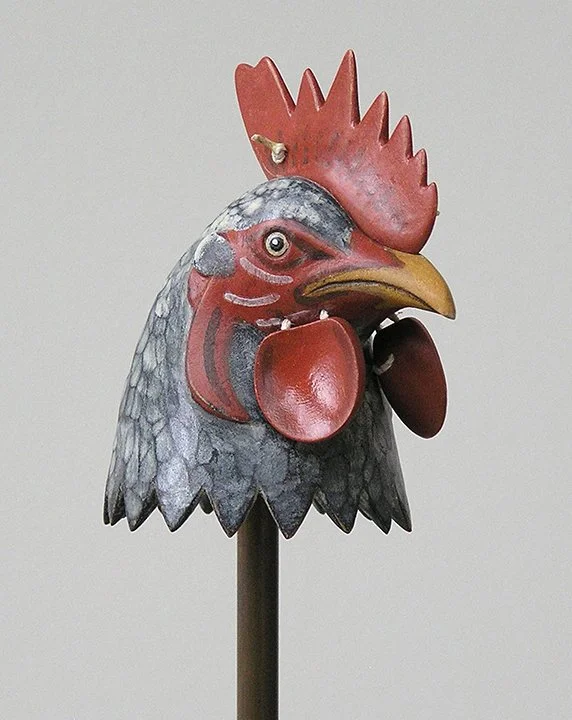
The bird is only one example of Kolb’s work. His official site also features butterflies, a dragonfly and other mechanical figures. These pieces use different systems of gears, rods, linkages and moving parts to create lifelike motion. They help explain why automata appeal to people interested in magic, kinetic sculpture, traditional craft and mechanical design.
What the $15 million price does—and does not—mean
Art of Play’s reported $15 million figure is an asking price announced amid the publicity. It is not proof that Molly has sold, that a buyer has made a confirmed offer, or that an independent appraiser has established that market value. Treating a headline-grabbing price as a completed transaction would mislead readers.
The original disagreement also remains unresolved. Clarkson says she felt dismissed while asking about the bird; the store says the exchange involved a display piece and a separate custom-order option. The silent video offers visual context but cannot verify tone or exact wording. Readers should keep those limits in mind when evaluating viral claims.
Follow the original sources
- Bliss Kolb’s official Singing Bird on Wall page explains the mechanism and materials.
- Kolb’s wooden crank-operated automata shows more of the artist’s work and published price range.
- USA TODAY reporting republished by AOL provides background on the artist and the store’s account.
- PEOPLE’s latest report summarizes the store owner’s public position.
Frequently asked questions
Is the magician community secretly protecting Molly?
No verified reporting reviewed for this article establishes a secret or coordinated campaign. The idea should be treated as speculation unless named magicians provide verifiable statements.
Who created the mechanical bird associated with Kelly Clarkson’s dispute?
Reports identify Seattle artist Bliss Kolb as the creator of the Singing Bird on Wall design associated with the story. Art of Play calls its display bird Molly.
How does the singing bird work?
Kolb describes a system of gears, cams, levers and cables to create movement. Leather bellows push air through a brass whistle, and a cam-operated plunger varies the pitch.
Has Molly sold for $15 million?
No confirmed sale at that price has been established in the reporting reviewed. The $15 million figure has been reported as an asking price set by the store, not a verified transaction.
Why does this story matter to magicians and collectors?
It highlights how mechanical art can support a live performance, how specialist craftsmanship creates value, and why viral attention should be separated from verified facts about price, ownership and the original encounter.
Social media conversation
For current public discussion, view public X posts mentioning Molly and Art of Play. Social posts can change or disappear, and commentary is not independent proof of the disputed conversation.
Related Vervado coverage: Read our reports on Bliss Kolb and the Singing Bird automaton, the $15 million asking price, and what the silent CCTV footage can—and cannot—show.
Public X discussion about Molly and Art of Play
The following embedded X search displays public posts matching these terms. Posts are user-generated commentary and should not be treated as verified evidence about the disputed conversation.
Posts about Molly and Art of PlayReporting note: This article distinguishes documented details about automata from claims made by Clarkson and Art of Play. The CCTV footage has no audio, and the $15 million figure is not evidence of a completed sale or independent valuation.
By Shivam Das