

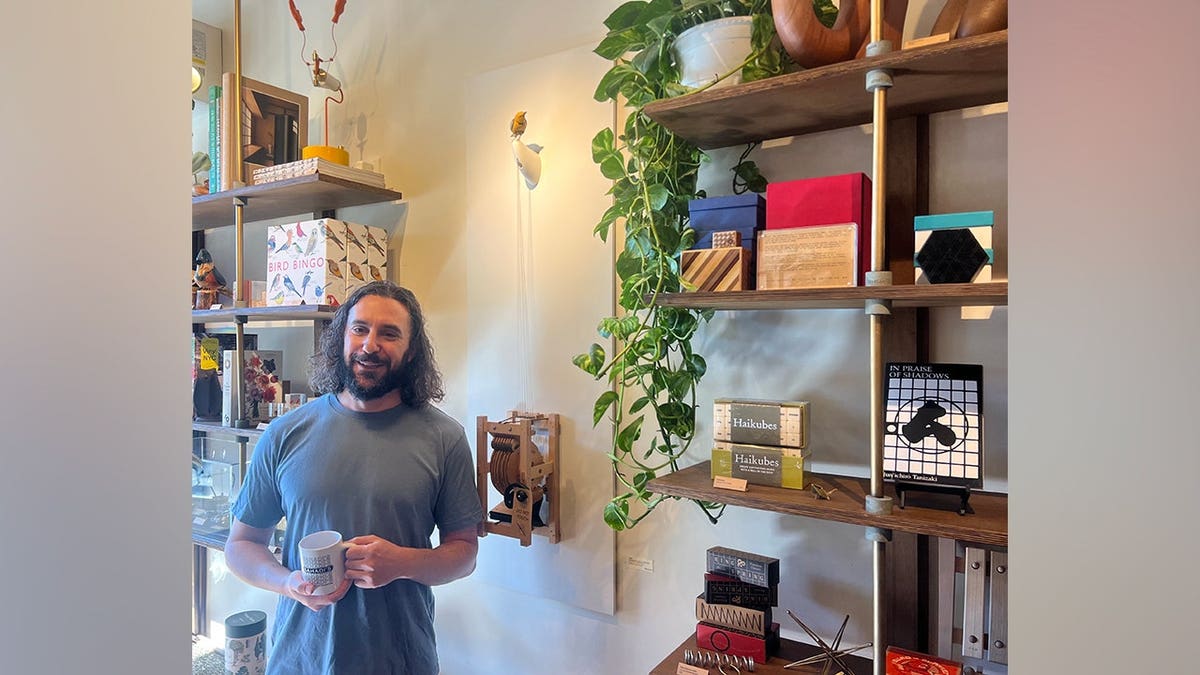
The $15 million sign beside Molly, the mechanical singing bird at Brooklyn curiosity shop Art of Play, has become one of the most striking images to emerge from Kelly Clarkson’s viral dispute with the store. The number is eye-catching, but the bigger question is what it actually means: has the sign turned a neighborhood shop into a tourist attraction, or has it mainly turned one unusual object into a national talking point?
As of October 15, 2026, news reports confirm that Art of Play co-owner Adam Rubin said the bird’s displayed price had been raised from $15,000 to $15 million after the controversy drew intense attention. That is a 1,000-fold increase on paper. It is not, by itself, proof that Molly has sold, that the shop has experienced a measurable tourism boom, or that anyone is prepared to pay the asking price.
What the $15 million Molly bird sign actually says
Molly is a handcrafted singing-and-dancing automaton created by Seattle artist Bliss Kolb. The shop has said the bird on its wall is part of the store’s identity and magic-show experience, while a similar automaton associated with the artist was discussed at a $15,000 price before the dispute went viral. Those details matter because the public argument has repeatedly blurred the difference between Molly herself, a possible counterpart, and the price of commissioning or acquiring a similar piece.
After the story spread, the shop began displaying a $15 million figure beside Molly. Rubin described the increase as a response to popular demand. The sign is a real part of the news story, but the asking price should not be mistaken for an independently assessed market valuation. No public sale at that price has been confirmed in the reporting reviewed for this article.
Has the sign made Art of Play a tourist attraction?
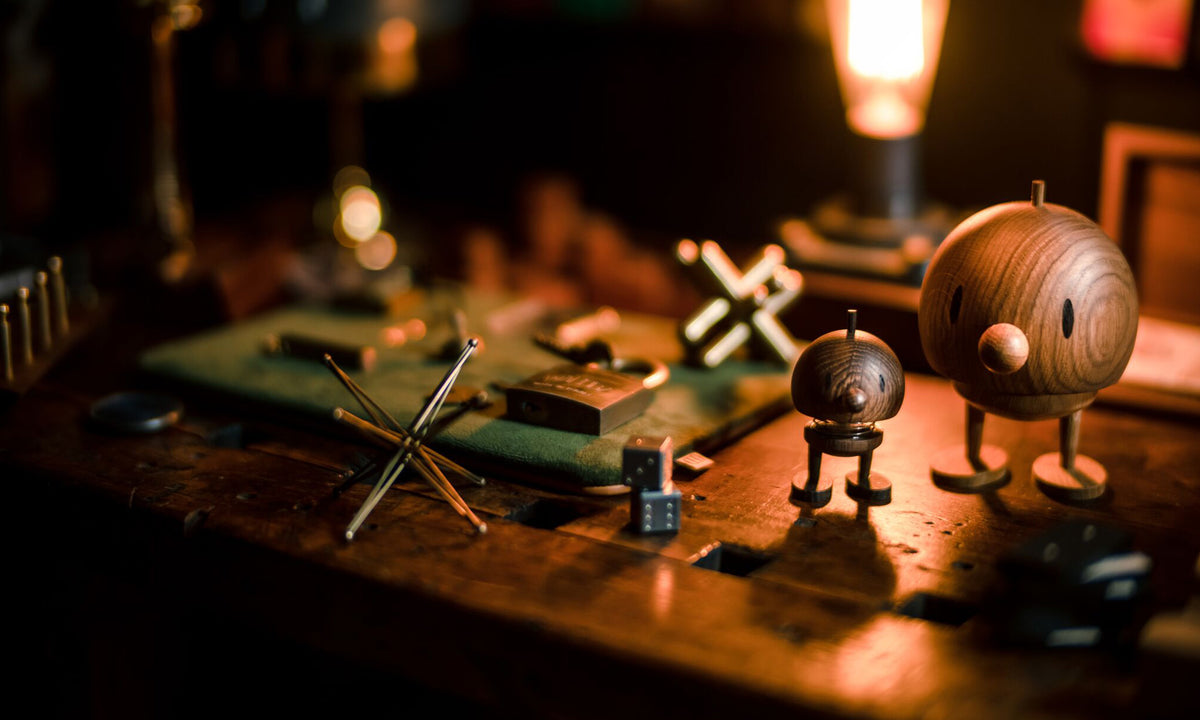
The careful answer is that it has made the shop a widely discussed destination in news coverage, but a lasting tourism boom has not yet been established by public data. Reporters have visited the store, cameras have focused on the sign, and the dispute has drawn people’s attention to a business that also sells games, puzzles, books and novelty objects and hosts close-up magic performances.
Those are signs of increased visibility, not a reliable visitor count. To establish a real tourism effect, the store would need to compare foot traffic, sales, show bookings and customer inquiries before and after the story. A rush of media crews or curious passersby can create a busy afternoon without producing a sustainable rise in paying customers. The same attention can also make normal operations harder if calls and messages overwhelm staff.
That distinction is important for readers searching whether Art of Play is now a must-visit Brooklyn attraction. The sign is a memorable photo opportunity and Molly has become a viral character, but available reporting does not provide audited visitor numbers or evidence that the shop has become a major tourist site. Treat claims of an overnight tourism boom as unproven unless the business releases figures.
How Kelly Clarkson’s post changed the story
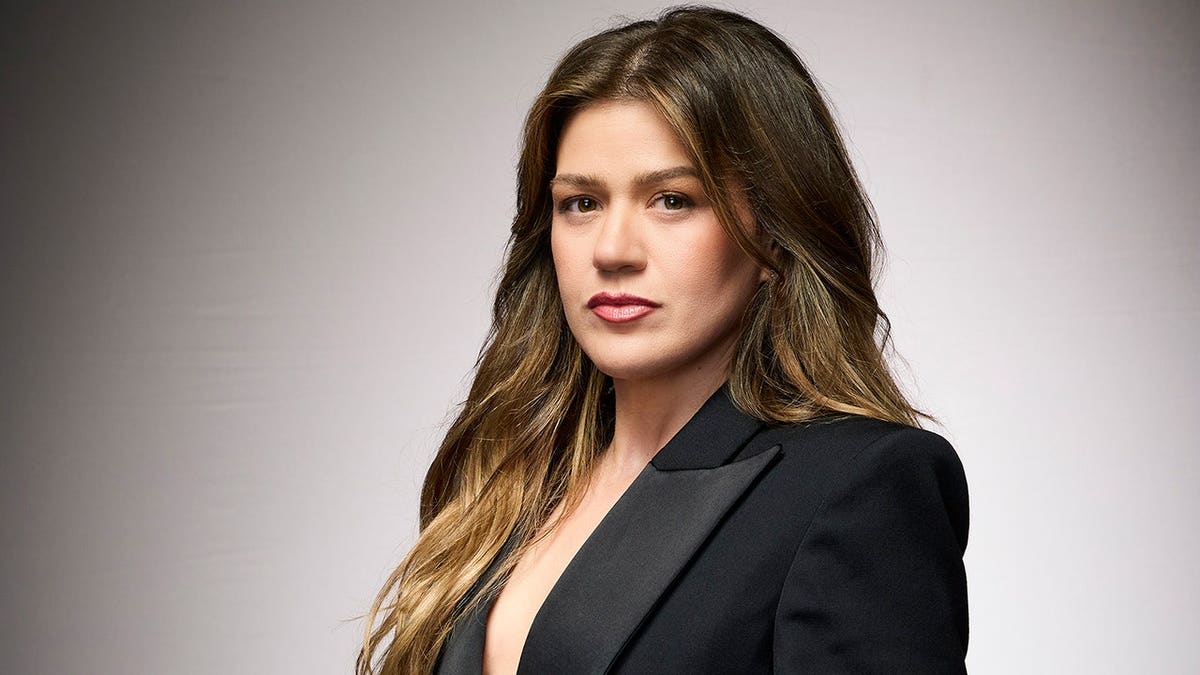
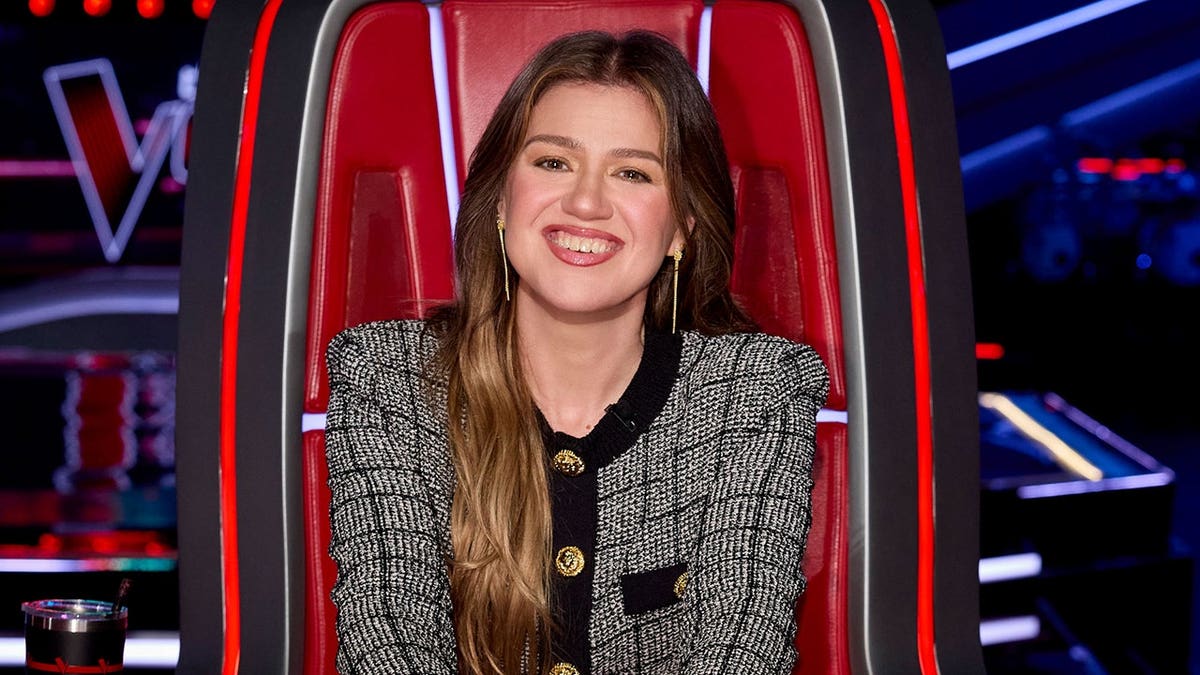
Clarkson said her visit left her feeling as though she had been judged unable to afford an item and compared the experience to the treatment of Julia Roberts’ character in Pretty Woman. Art of Play disputed parts of her account and described the interaction as a misunderstanding, saying Molly was not for sale and that a similar bird could be obtained from its creator. The two sides have offered different descriptions of the conversation; silent surveillance footage does not establish the exact words spoken.
The story then moved beyond customer service. The bird’s price tag became a visual shorthand for the dispute, while the $15 million figure gave the internet an easy headline. That does not settle which account of the original interaction is correct. It does show how a single image, amplified by a celebrity’s reach and repeated by news outlets, can change the public meaning of an object almost overnight.
Why a viral sign can help—and hurt—a small business
Publicity can introduce a shop to people who would never otherwise have heard of it. For a specialty retailer, that may lead to new visitors, online orders or bookings for events. But notoriety is not automatically good marketing. A business needs the right audience, enough staff capacity and a way to convert curiosity into respectful visits and genuine sales.
There is a second risk: online attention can bring hostile messages, misleading reviews or people showing up to confront staff. Reports about this dispute describe the store owner’s concerns about threats and harassment. Those claims should be attributed to the people reporting them, but they underline why visitors should not treat a real neighborhood business as a stage for an internet argument. Do not call, visit or review a store simply to punish one side of a dispute.
In my view, the $15 million sign works best as a piece of theater and a symbol of the story’s absurd scale—not as evidence of the bird’s actual market value. Its commercial effect will be clearer only after the attention cools and there is information about customer traffic, sales and whether the sign remains part of the shop’s display.
What happens next?
The practical test is whether Art of Play can turn a wave of curiosity into steady interest in its products and magic shows without allowing the controversy to define the business permanently. Molly may remain a memorable attraction for visitors, but a lasting reputation depends on what people experience when they walk through the door—not on a price tag designed to make headlines.
For more context, read our coverage of the $15 million Molly bird price, the question of whether the Brooklyn store is seeing a tourism boom, and Adam Rubin’s response to the viral dispute.
Art of Play’s public Instagram statement
The store’s public response is useful context because it presents the business’s own explanation. Read the original post on Art of Play’s Instagram. Instagram may require its own script or user interaction to display the post correctly in every Shopify theme.
View this post on Instagram
Sources: Fox News Digital, The Associated Press, NBC New York, and PEOPLE.
Frequently asked questions
Why does Molly the bird have a $15 million price tag?
Art of Play co-owner Adam Rubin said the price was raised after the bird attracted widespread attention. The figure is an asking price reported by the shop, not a confirmed sale or independent appraisal.
Is Molly the mechanical bird actually for sale?
The shop has described the displayed Molly as a fixture used in its magic-show experience and has said she was not originally for sale. The $15 million sign was later reported as an offer to sell at that price, but no completed sale has been confirmed.
Has Art of Play become a Brooklyn tourist attraction?
The store has received national media attention and public curiosity, but verified visitor figures showing a sustained tourism boom have not been made public in the reporting reviewed here.
Did Kelly Clarkson and Art of Play agree on what happened?
No. Clarkson and the store have given different accounts of their exchange. The available silent footage does not independently establish the exact words spoken.
Where is Art of Play located?
Art of Play is a curiosity and games shop on Atlantic Avenue in Brooklyn, New York. Check the store’s official website for current hours and event information before visiting.


