

Updated October 15, 2026
Photo note: The featured image is a file photo of Kelly Clarkson on her television show, not footage from the Brooklyn store visit.
The dispute between Kelly Clarkson and Brooklyn curiosity shop Art of Play has become more than a disagreement over a mechanical singing bird. It has turned into a fast-moving test of celebrity influence, small-business vulnerability, customer-service expectations and what millions of people believe they can conclude from a short social-media post.
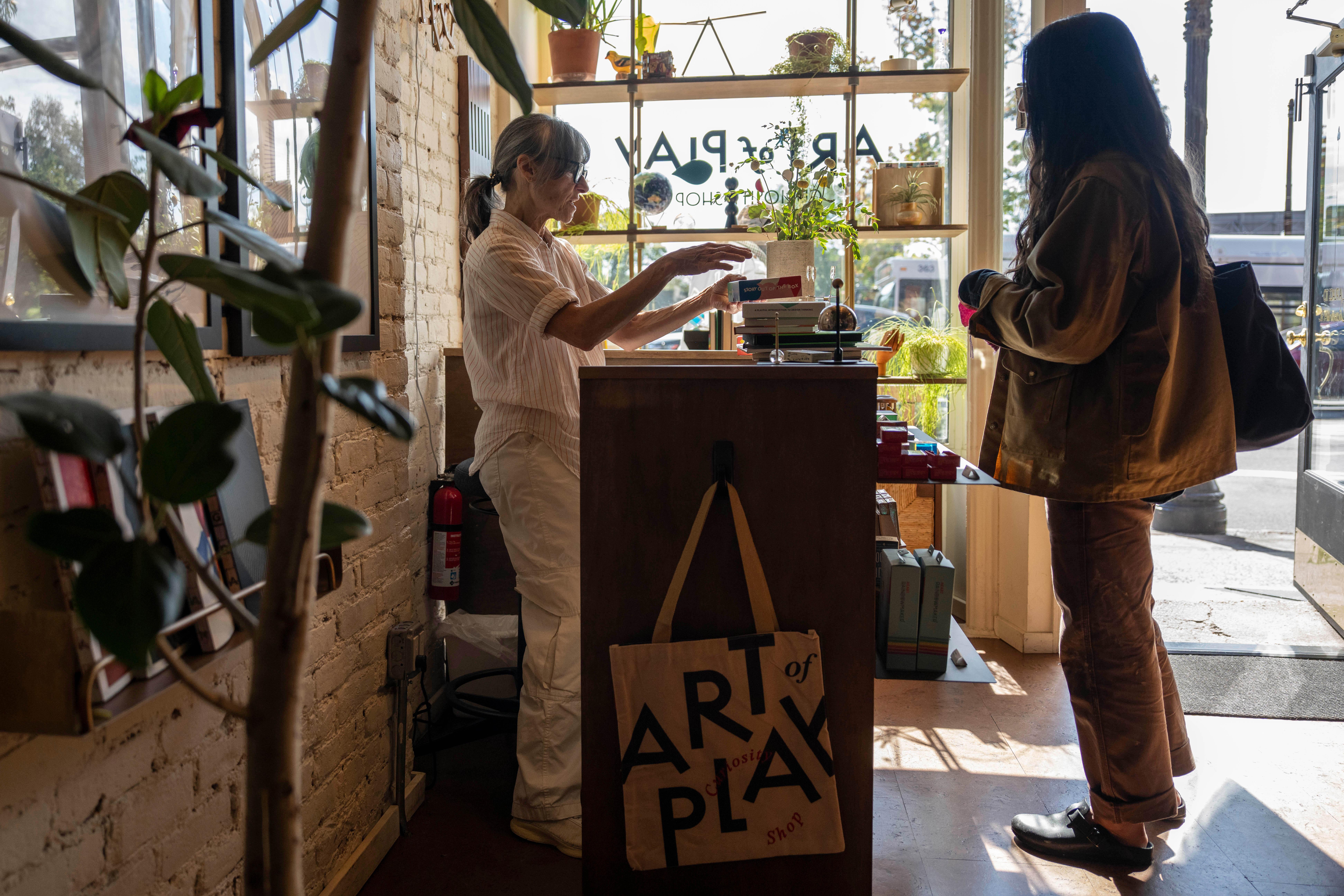
The central facts are straightforward, even if the accounts differ. Clarkson said a store employee made her feel as though she could not afford a singing bird she wanted to buy. Art of Play said the bird on its wall, known as Molly, was a display piece that was not for sale, while a similar automaton owned by its creator could be available for $15,000. The store later said it would sell Molly for $15 million after the dispute drew extraordinary attention. Neither the short security footage reported by news outlets nor the public statements provide audio that settles exactly what was said during the visit.
That gap between what is known and what remains disputed is the most important part of the story. It is also where the debate about celebrity privilege becomes more complicated than a simple verdict for or against one person.
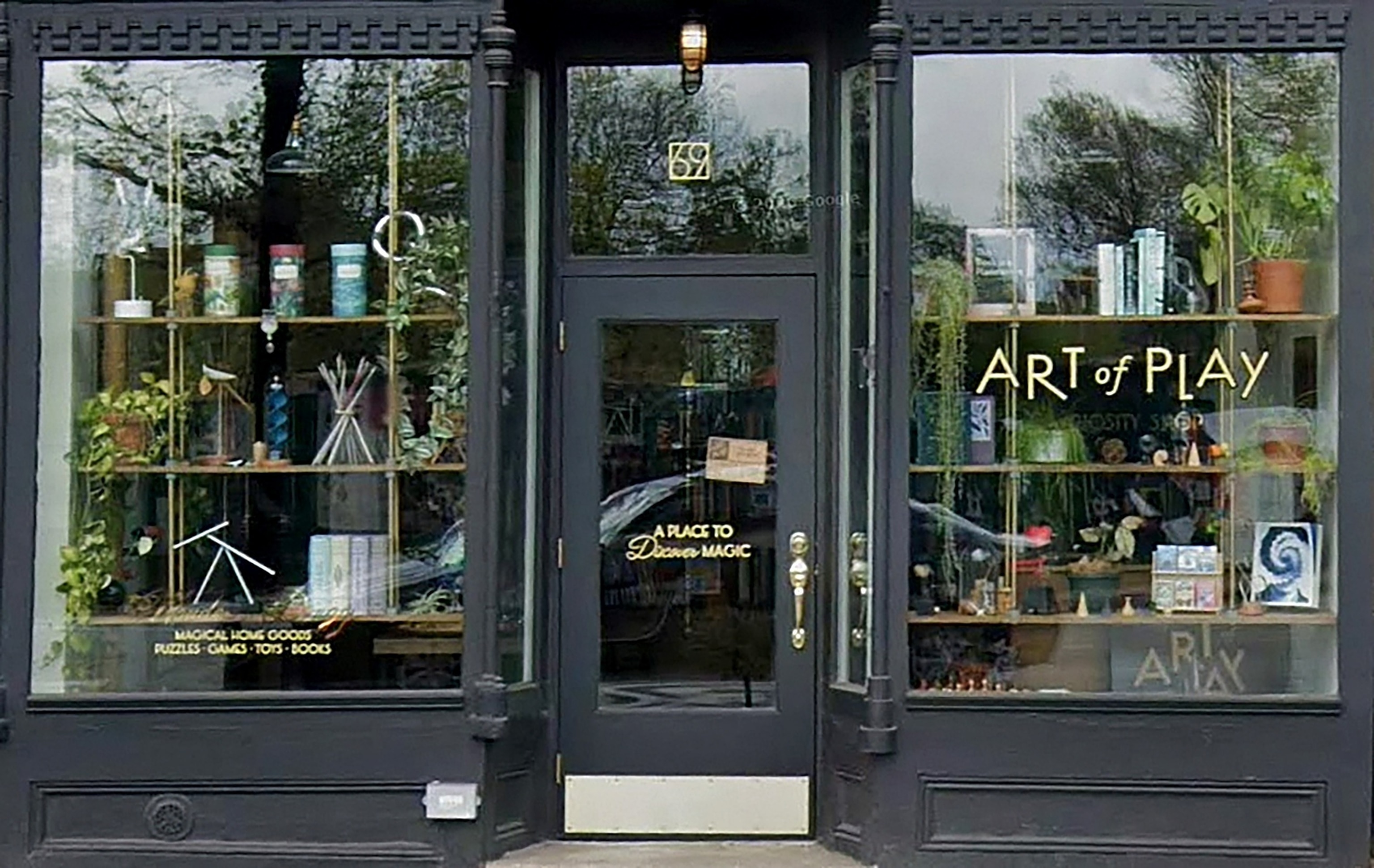
What happened between Kelly Clarkson and Art of Play?
On October 10, Clarkson posted on X that she had driven to Brooklyn to visit Art of Play and felt dismissed when she asked about an expensive item. She compared the experience to the shopping scene in Pretty Woman, in which a customer is judged by her appearance rather than treated as a potential buyer.
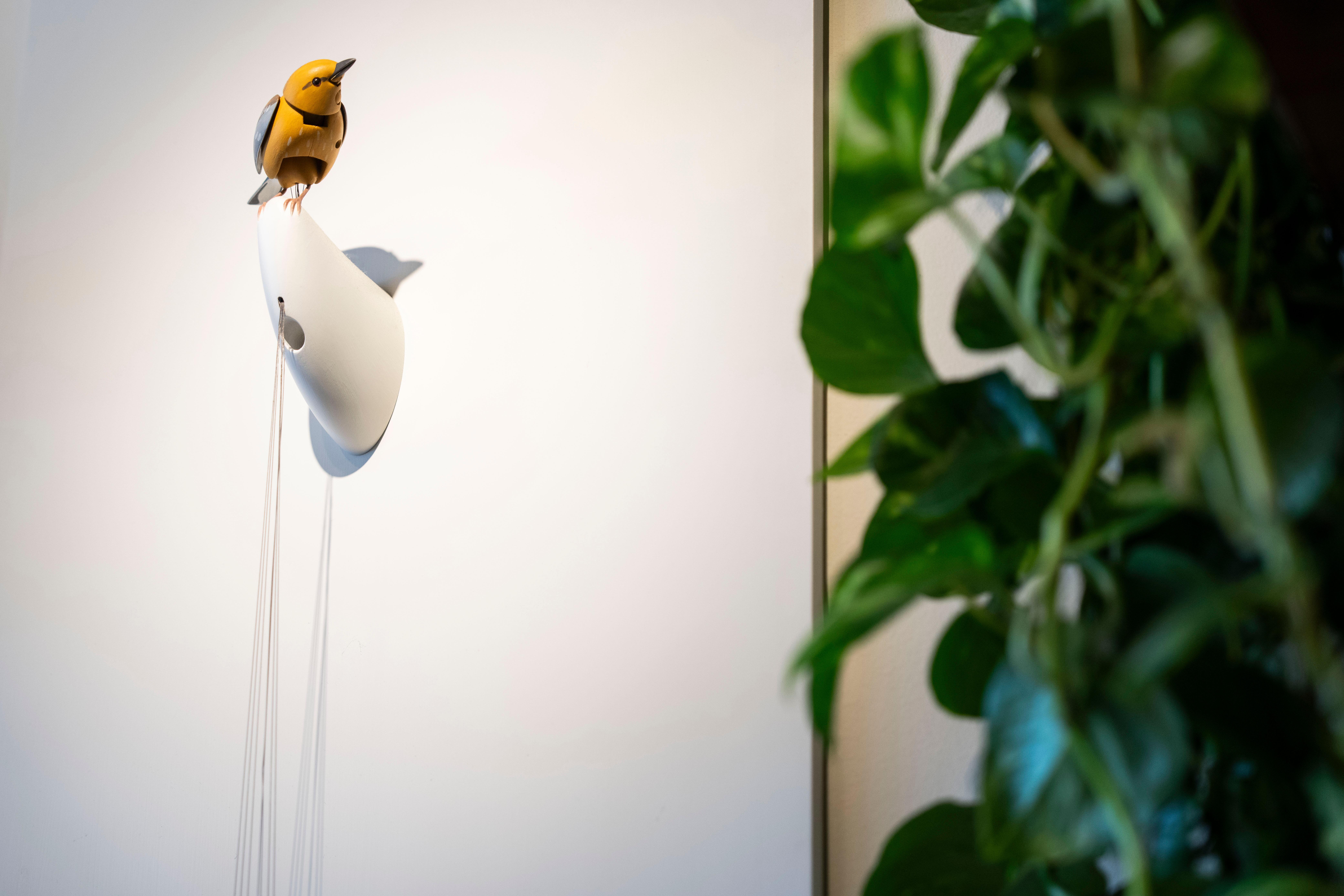
Art of Play responded on Instagram that Molly was a one-of-a-kind singing and dancing automaton permanently attached to the wall and used in the shop's magic shows. In a later clarification, the business said the artist, Seattle-based automaton maker Bliss Kolb, owned a nearly identical bird that could potentially be purchased for $15,000. The shop also said it offered to show Clarkson a different bird made by a German clockmaking company for about $2,000.
Clarkson disputed the store's explanation and pointed to a price tag she said was displayed beside the bird. The store's co-owner, Adam Rubin, has described the encounter as a misunderstanding and said the online reaction brought hostile messages and threats to the business and its workers. These are competing accounts; the public evidence does not establish every word exchanged inside the shop.
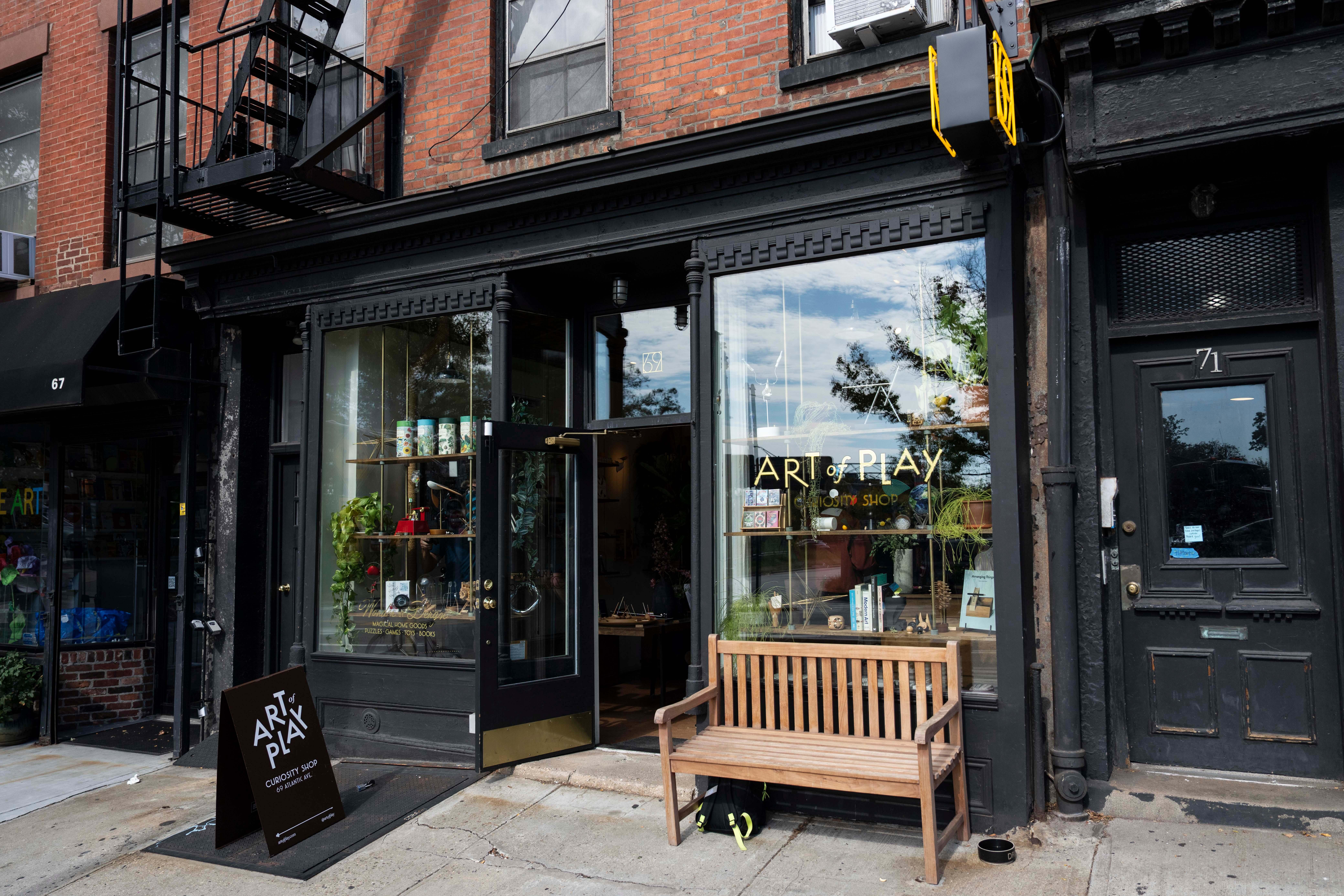
Why celebrity privilege became the bigger story
Celebrity privilege is often discussed as if it means famous people always get special treatment. This incident exposes a different tension: a celebrity can be treated like any other customer in a physical store, yet a single public complaint from that celebrity can reach an audience that an ordinary customer could never mobilize.
That imbalance does not automatically make the celebrity wrong. Customers with large and small followings can have genuinely poor experiences, and public criticism can bring attention to patterns businesses might otherwise ignore. But scale changes the consequences. A complaint from a person with millions of followers can rapidly become a wave of reviews, calls, messages and judgments from people who were not present and may never visit the business.
In this case, the store says it received a surge of hostile contact after the dispute spread. Threats and doxxing are not legitimate consumer feedback, regardless of which account of the original conversation a reader finds more convincing. A disagreement about service should not become a safety risk for staff, neighboring businesses or customers.
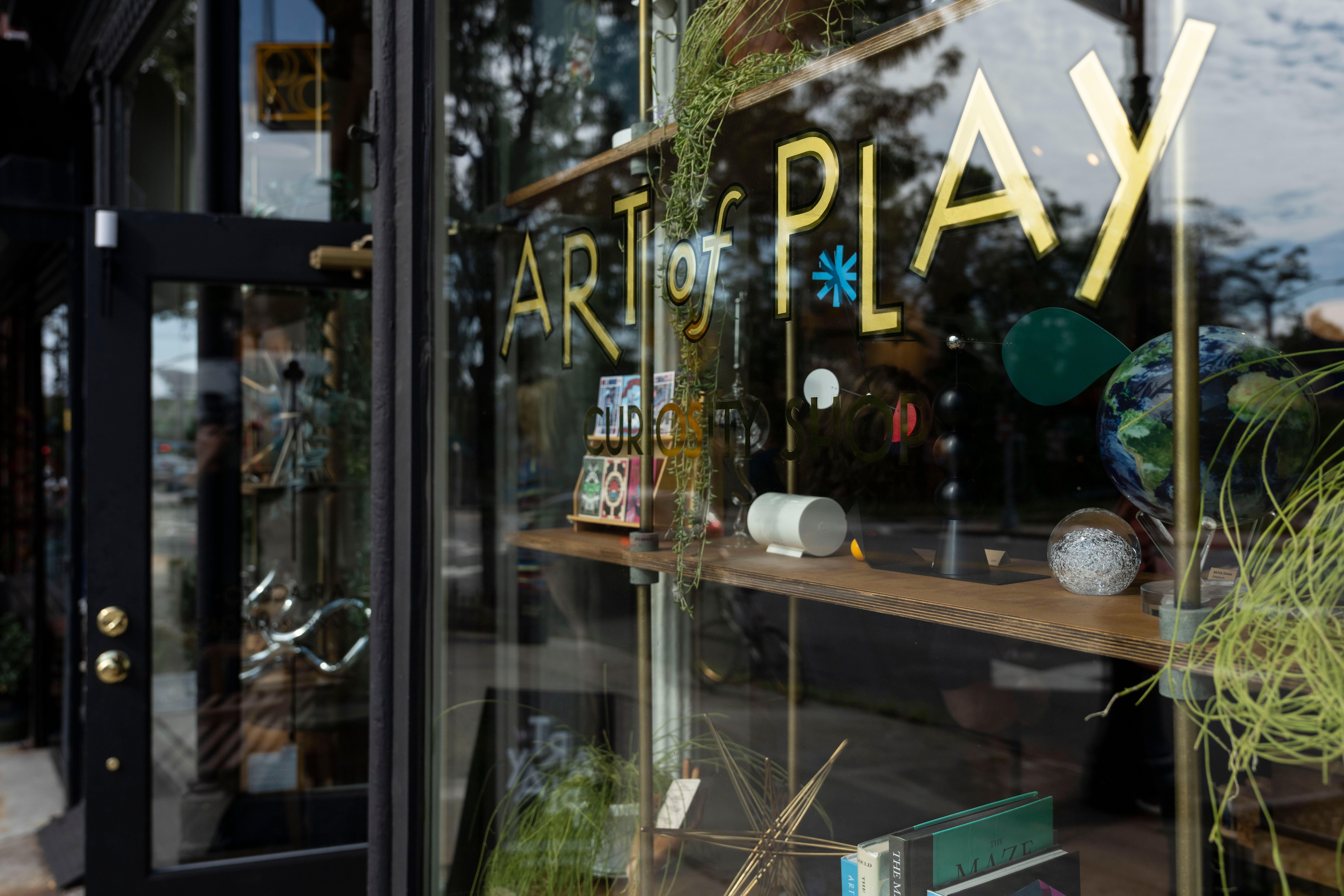
The price tag: product, prop or publicity?
The bird's price has become a headline of its own. The store initially said Molly was not for sale, while a similar bird could be available from the creator for $15,000. After the dispute went viral, Rubin said the store would consider selling Molly for $15 million.
That enormous jump is best understood as a public statement made amid a media storm, not evidence that the object has a verified market value of $15 million. An asking price is not the same as a completed sale, an appraisal or a buyer's willingness to pay. No confirmed $15 million transaction has been reported in the coverage reviewed for this article.
The episode also shows how a product can acquire a second identity online. Before the controversy, Molly was part of the shop's in-store experience. Afterward, it became a symbol used by different sides to argue about fairness, status, credibility and the power of viral attention. The object itself did not change nearly as much as the story surrounding it.
What the footage can—and cannot—prove
News reports describe security footage showing Clarkson inside the store for only a few minutes, examining objects, speaking with an employee and leaving. The footage has no audio. It can help establish the sequence and approximate length of the visit, but it cannot independently confirm whether a comment was condescending, whether a price was explained clearly, or how either person understood the exchange.
This is a recurring problem in viral controversies: people treat video as a complete record when it may only show part of the event. Silent footage can challenge an exaggerated timeline, but it cannot reveal tone or exact wording. A responsible account should separate what the camera shows from what each participant says happened.
That distinction matters for search readers too. The most useful reporting does not simply repeat the loudest claim; it identifies which details are corroborated, which remain disputed and what evidence would be needed to resolve the disagreement.
Small businesses face a different kind of online pressure
A large company usually has a communications team, legal advisers and established processes for responding to public criticism. A small independent shop may have a handful of employees who must keep serving customers while also handling messages, press requests and sudden online scrutiny.
That does not mean small businesses should be shielded from criticism. They should answer reasonable questions, correct misleading statements and treat customers fairly. It does mean the response should be proportionate. A review based on a real visit is different from a pile-on by people who were not there; a request for clarification is different from a threat.
For customers, the practical lesson is simple: describe personal experiences accurately, distinguish firsthand knowledge from assumptions, and do not encourage harassment. For businesses, the lesson is to respond quickly with a clear timeline, avoid escalating personal attacks and preserve relevant records. A calm, specific explanation is more useful than trying to win every exchange online.
What this dispute reveals about celebrity influence
The Molly controversy is not proof that Clarkson invented her experience, and it is not proof that Art of Play treated her exactly as she describes. It is evidence of how quickly an unresolved customer-service disagreement can become a national argument when one participant has a huge platform.
My view is that the fairest standard is the same for everyone: listen to the customer, let the business explain its side, assess evidence carefully and reject intimidation. Fame should not make a person's complaint automatically true—or automatically false. Nor should a small business be expected to absorb threats as the price of being discussed online.
The strongest outcome would be a direct, private clarification between the parties, alongside a public reminder that disagreement is not permission to target workers. Until more evidence emerges, the honest conclusion is that the two sides disagree about a brief interaction, the price and sale status of the bird became central to that disagreement, and the online consequences grew far beyond the original shopping trip.
Frequently asked questions
What is the Kelly Clarkson and Art of Play controversy about?
Clarkson said she felt dismissed while asking about a singing mechanical bird at the Brooklyn shop. Art of Play said the bird on display was not for sale and that a similar piece could potentially be purchased from its creator. The two sides disagree about how the conversation unfolded.
Was Molly the mechanical bird really worth $15 million?
The store's co-owner said the shop would sell Molly for $15 million after the controversy attracted attention. That is an asking price, not a verified appraisal or confirmed sale.
Does the security footage prove who was right?
No. Reports describe footage without audio. It shows part of the visit but cannot establish the exact words, tone or intent of the conversation.
Why did the story raise questions about celebrity privilege?
A public post by a celebrity can reach millions of people and rapidly affect a small business. That influence can bring attention to legitimate concerns, but it can also create disproportionate consequences when key details remain disputed.
Is online criticism the same as harassment?
No. Good-faith criticism and factual reviews are different from threats, doxxing or targeted abuse. People can disagree with either side without putting workers or neighbors at risk.
Related coverage
- Celebrity power dynamics: when millions of followers meet a small shop
- Why silent security footage is shaping the Kelly Clarkson controversy
- Art of Play's owner explains the impact of the viral dispute
Primary posts and further reporting
Read the original public accounts and compare them with independent reporting before drawing conclusions.
Kelly Clarkson's October 10 post about her visit to Art of Play.
— Kelly Clarkson (@kellyclarkson) October 10, 2026
View Art of Play's Instagram statement
ABC News: Why Kelly Clarkson is feuding with a New York store
NBC New York: The mechanical bird's $15 million asking price


