

Quick answer: As of October 15, 2026, Art of Play co-owner Adam Rubin has publicly said Molly, the mechanical singing bird at the center of the Kelly Clarkson dispute, would cost $15 million. That is a reported asking price—not an independent valuation, proof of a serious offer, or evidence of a completed sale.
The controversy began after Clarkson said she felt dismissed during a visit to Art of Play, a Brooklyn curiosity shop, while asking about a singing bird. The store gave a different account, saying Molly is a one-of-a-kind display piece attached to the wall and that a similar automaton could be obtained from its maker, Seattle artist Bliss Kolb, for $15,000. Clarkson disputed the store’s explanation. Silent security footage later showed her brief visit, but without audio it cannot establish what was said.
The question now is whether someone could actually buy Molly for $15 million. A buyer would need written confirmation that the store is genuinely willing to sell, clarity about ownership, an independent appraisal, and a detailed contract. The public record reviewed for this article does not establish that a buyer has made a serious offer.
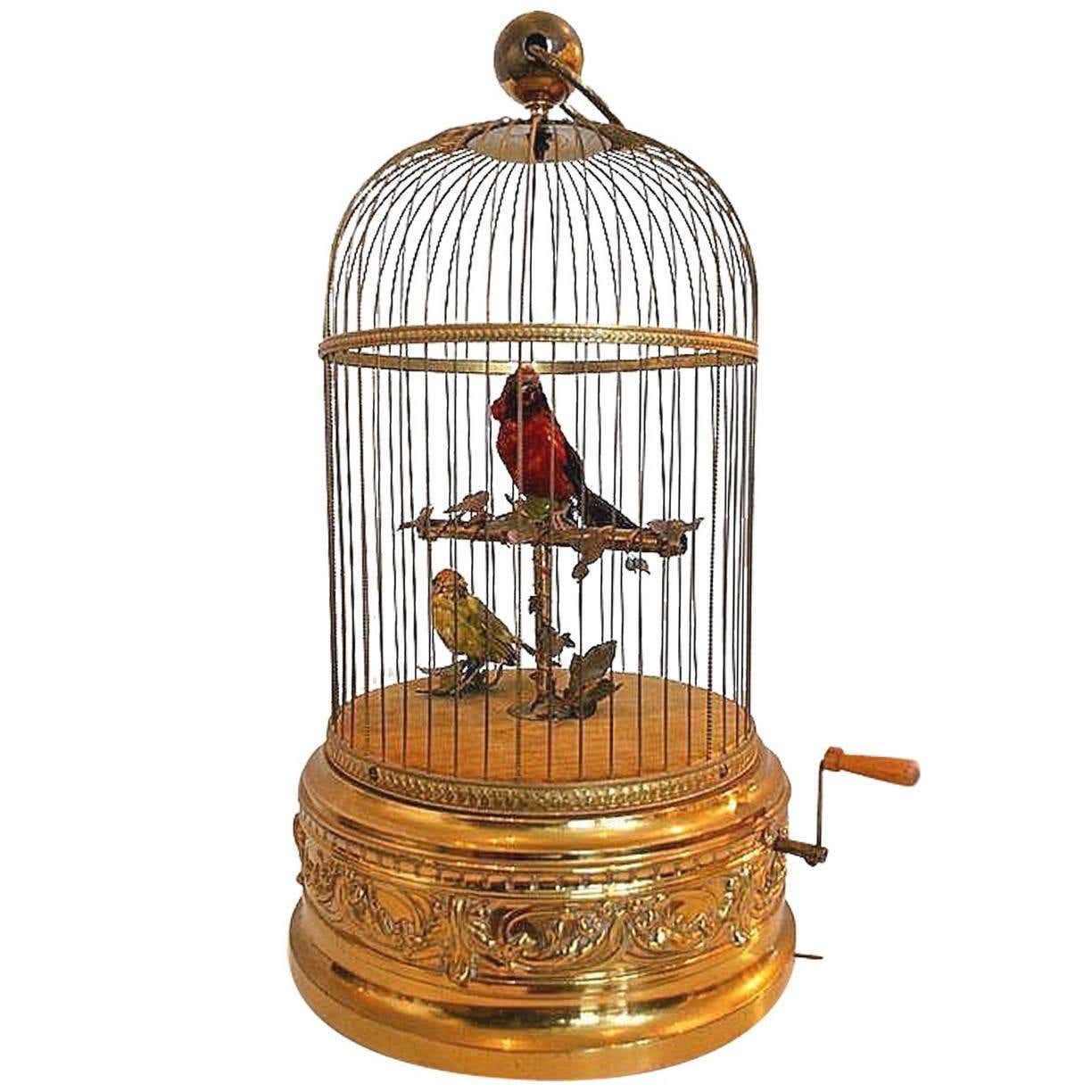
Is Molly really for sale for $15 million?
Rubin has told news outlets that the store would now part with Molly for $15 million after the controversy brought intense attention to the object. That establishes the figure as the owner’s stated asking price, but it does not prove that the bird has a conventional market value of $15 million. No signed purchase agreement, independent appraisal, or confirmed sale has been publicly documented in the reporting reviewed here.
A seller can name an asking price without demonstrating that a buyer will pay it. In collectibles and handmade art, a final price can depend on provenance, condition, comparable sales, ownership rights, the creator’s role, and whether the object is genuinely available for transfer. Viral attention can make an object famous, but it does not automatically establish its market value.
What would a serious buyer need to do?
1. Confirm the offer directly with Art of Play
A prospective buyer would need written confirmation from an authorized owner that Molly is available for sale at the stated price. The buyer should ask whether $15 million is a firm offer, a humorous response to the controversy, or a price subject to conditions. A social post or interview quote is not a substitute for a signed agreement.
2. Establish exactly which object is being sold
The store has described Molly as a unique, wall-mounted automaton used as part of the shop’s identity and magic-show experience. Its explanation also distinguishes Molly from a similar bird associated with Kolb. A buyer would need to establish the exact object, who owns it, whether any creator or third-party rights apply, and whether the mechanism can be safely removed and transported.
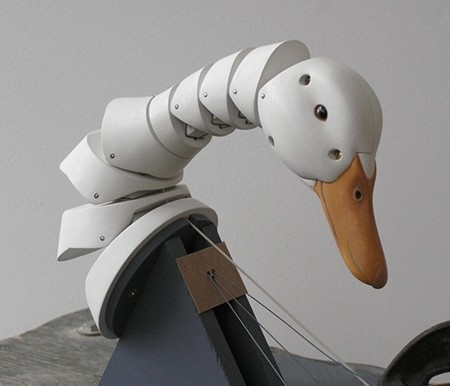
3. Request an independent appraisal and condition report
A qualified specialist would examine the materials, construction, working condition, restoration history and documentation. For a handmade mechanism, the appraisal should consider fragile components, whether the bird can be detached without damage, and what maintenance it requires. A viral asking price is not a substitute for this technical and financial assessment.
4. Put delivery, insurance and ownership terms in writing
If a sale were genuine, the contract should specify the purchase price, payment schedule, inspection rights, shipping and installation, insurance, risk of damage, cancellation terms and any restrictions on public display or reproduction. Buying the physical automaton would not automatically transfer every intellectual-property right connected to its design or name.
Why the $15,000 and $15 million figures are different
The original disagreement centered on a $15,000 price tag and competing descriptions of what it referred to. Clarkson said she understood the displayed bird to be for sale at that price and later shared a photograph of a tag. Art of Play said Molly herself was not for sale and that a nearly identical automaton owned by its creator could be available for $15,000. The store also said it offered to show Clarkson a different singing bird priced at about $2,000.
After the story spread, Rubin said Molly’s price had been raised to $15 million. That is a 1,000-fold increase over $15,000, but the arithmetic should not be mistaken for a conventional rise in appraised value. The two figures were presented in different circumstances: one in the disputed price-tag discussion and the other as the owner’s later public asking figure for Molly.
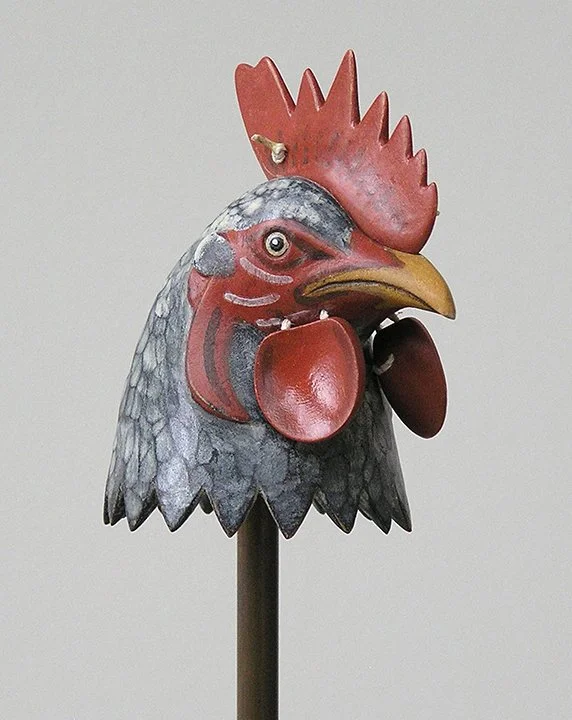
Could anyone actually pay $15 million?
In theory, a buyer and seller can negotiate a transaction at a mutually agreed price, subject to applicable law and each party’s rights. In practice, a buyer would want evidence that the price reflects more than temporary publicity: an independent valuation, documented provenance, proof of ownership, a clear transfer agreement and a credible conservation and insurance plan.
There is also a practical question: what does the buyer receive beyond the physical object? Molly’s value to Art of Play may include her role as a shop mascot, a conversation piece and part of the store’s live magic-show atmosphere. Removing her could change the experience that helped make her famous. A buyer might acquire a rare object, while the store would give up a recognizable part of its identity.

So is the $15 million figure a literal invitation to negotiate or a way of signaling that Molly is effectively not for sale at an ordinary price? Until the store provides clear written terms and a credible buyer comes forward, readers should treat it as a reported asking price—not a completed sale or verified valuation.

What the public evidence does—and does not—show
News reports have documented Clarkson’s social-media complaint, Art of Play’s responses, the disputed $15,000 tag and silent security footage of her visit. The footage shows a brief interaction, but it has no audio, so it cannot independently establish the words or tone used at the counter. The two sides continue to differ about how the conversation unfolded.
The story also shows how quickly a celebrity’s post can bring attention and consequences to a small business. Public criticism can help customers share genuine experiences, but it can also trigger hostile reviews and threats. Those consequences should not be treated as proof that either side’s account of the original conversation is correct.
Our assessment: The most defensible answer is that someone could express interest in buying Molly, but a $15 million purchase should not be described as likely, completed or independently valued without further evidence. The next meaningful development would be a documented offer, a direct statement from the store setting out sale terms, or confirmation that a transaction has occurred.
Frequently asked questions
Can someone buy Molly the mechanical bird for $15 million?
Art of Play co-owner Adam Rubin has publicly stated that the bird is priced at $15 million. No completed sale or confirmed buyer has been publicly established in the reporting reviewed here.
Why did Molly’s price jump from $15,000 to $15 million?
The store’s owner said the higher figure followed the intense attention surrounding the dispute with Kelly Clarkson. The $15,000 figure was disputed: Clarkson said she understood the tag to refer to Molly, while the store said it referred to a similar automaton available from the creator.
Who created Molly?
Art of Play identifies Seattle-based artist Bliss Kolb as the creator of the singing-bird automaton. His portfolio describes the mechanical design and materials used in his bird automata.
Does the silent security footage settle the argument?
No. The video shows the visit and brief interaction, but it contains no audio. It cannot verify the exact words spoken or settle the disagreement over the conversation.
Where can readers check the original information?
Readers can compare the store’s own updates with reporting from People, Entertainment Weekly, and NBC New York. The maker’s Singing Bird on Wall page provides technical context about the design.


