

Updated October 15, 2026. Kelly Clarkson’s public dispute with Brooklyn curiosity shop Art of Play has become a case study in what a viral celebrity post can cost a small business—and what the attention might bring in return. The exact financial impact is not public: the shop has not released sales figures, lost-revenue estimates, or a verified accounting of new customers. Reporting does, however, describe intense scrutiny, online backlash, safety concerns raised by the owners, and unexpected publicity.
The key question is not simply who “won” the argument. It is how a brief customer-service disagreement can become a business crisis when millions of people encounter one version of a story before all the facts are clear.
What happened between Kelly Clarkson and Art of Play?
On October 10, Clarkson posted on X that she felt a staff member at Art of Play had treated her as though she could not afford an item she wanted to buy. She compared the experience to the retail scene in Pretty Woman and said the shop had lost a potentially large sale.
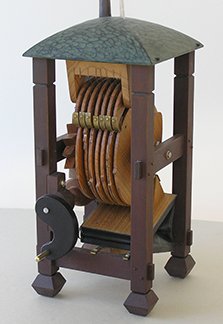
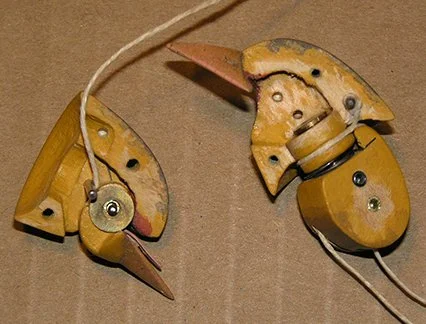
Art of Play responded on Instagram that the object at the center of the dispute, a singing and dancing mechanical bird called Molly, is a one-of-a-kind fixture used in the shop’s magic shows and is not for sale. In a follow-up explanation, the store said the bird’s creator, Seattle-based automaton artist Bliss Kolb, had a nearly identical piece available for $15,000, and that staff had also offered to show Clarkson a different bird automaton priced around $2,000. Clarkson disputed the store’s account and said she had been shown a $15,000 price tag.
Those accounts do not fully resolve what was said at the counter. Security footage released by journalist Pablo Torre shows parts of Clarkson’s visit, but the video has no audio. It cannot establish the precise words, tone, or intent of the conversation. CBS New York’s report and The Associated Press’ coverage explain the competing accounts and wider fallout.
The real cost: time, trust, safety, and uncertainty
There is no verified dollar figure for the cost of the Kelly Clarkson–Art of Play dispute. Treating the $15 million figure attached to Molly as the shop’s financial gain would be misleading: the price was reported amid the publicity, and it is not evidence of a completed sale or a market valuation. The practical costs are easier to identify, even if they cannot yet be totaled.
1. Time diverted from running the business
For a small retailer, responding to press inquiries, monitoring online reviews, documenting threats, briefing employees, and answering public comments can take owners away from buying inventory, helping shoppers, planning events, and running daily operations. Every hour spent managing a viral dispute is an hour not spent on ordinary business.

2. Online reviews can influence future customers
When a public post triggers a rush of comments or negative ratings, potential customers may see a one-sided snapshot before they ever visit. Reviews can affect whether people click through, make a trip, or trust a local business. But a sudden change in ratings is not the same as a proven drop in sales; the store has not published figures that would allow a reliable before-and-after comparison.
Leaving an honest review after a real customer experience is different from rating a business because of a viral argument without visiting. The second behavior can distort information future customers rely on and can punish employees who were not involved in the original exchange.
3. Staff safety and emotional strain
Art of Play co-owner Adam Rubin has said the shop received hostile messages and threats after the dispute went viral. The Associated Press also reported claims of harassment and an in-person incident. Those are serious reports, not entertainment. Criticism of a public figure or business is legitimate; threats, doxxing, and intimidation are not.

Could the viral attention help Art of Play?
Yes, publicity can introduce a business to people who had never heard of it. Art of Play sells unusual gifts, puzzles, playing cards, and other curiosities, and its connected venue hosts close-up magic shows. Some supporters have reportedly visited or sent messages of encouragement. That attention could eventually bring new customers, but it is too early to declare a financial win. A crowd drawn by controversy is not automatically a stable customer base, and awareness does not guarantee repeat purchases.
The shop faces a difficult balance: it may benefit from discovery while also needing to protect employees, serve regular customers, and correct inaccurate claims. Viral attention can create goodwill and disruption at the same time.
What the viral post reveals about celebrity reach
A local business and a celebrity do not enter a public dispute with equal megaphones. A celebrity’s post can reach millions quickly; a small business must respond while keeping its doors open and its staff safe. The Associated Press spoke with experts about the responsibility that can accompany fame and how social platforms encourage fans to feel personally connected to public figures they have never met.
That does not mean a celebrity should stay silent about a genuinely poor experience. Customers should be able to describe how they felt they were treated. But when a post names a small business and draws millions of people to it, the consequences can extend well beyond the original complaint. A careful account that separates firsthand experience from assumptions can still be forceful without encouraging a pile-on.

Kelly Clarkson’s original post and Art of Play’s response
The posts below are embedded from the original accounts so readers can review each side’s public statements in context. Social embeds may load only when the platform’s scripts are permitted by the browser and Shopify theme.
Just drove all the way to Brooklyn to check out this store I thought looked really rad and had a few things in mind to buy and literally was looked at as if I couldn’t afford it and was told he could find something comparable for me.
— Kelly Clarkson (@kellyclarkson) October 10, 2026
View this post on Instagram from Art of Play
What small businesses can learn from the Art of Play controversy
- Respond with verifiable details. A short timeline, clear product information, and a calm explanation can help customers understand the business’s account.
- Keep records. Preserve relevant messages, review changes, and credible threats. Serious threats should be reported through appropriate channels rather than answered in public.
- Do not encourage retaliation. Asking supporters to attack a critic or flood a review page can escalate harm and undermine credibility.
- Make product status clear. For expensive or display-only items, signage and staff explanations should distinguish between a display piece, an item available to order, and something that can be purchased immediately.
- Measure impact before claiming a win or loss. Compare foot traffic, sales, bookings, customer inquiries, and review trends over time. Public attention alone is not a financial report.
For more context, read our related coverage of how the Art of Play dispute became free publicity, Adam Rubin’s response to the viral post, and what silent security footage can—and cannot—show.
Frequently asked questions
How much money did Kelly Clarkson’s tweet cost Art of Play?
The exact financial impact is not public. The shop has not released verified sales, lost-revenue, or customer-acquisition figures, so a specific dollar amount would be speculation.
Did Art of Play lose customers after the viral post?
Public reports describe backlash, negative reviews, hostile messages, and safety concerns reported by the owners. The shop has also received support and new attention. No public data establishes the net effect on sales or repeat customers.
Was Molly really for sale for $15,000?
The accounts differ. Clarkson said she was shown a $15,000 price tag. Art of Play said Molly is a permanent display piece and not for sale, while a nearly identical automaton owned by the artist could be available for $15,000. Public information does not conclusively resolve what was said during the in-store exchange.
Does the $15 million price mean the bird is worth that much?
No verified sale or independent valuation has established that. The $15 million figure was reported as a price the shop attached to the bird after the dispute drew attention; it should not be mistaken for a completed transaction or objective market value.
Why can a celebrity post have such a large effect on a small business?
A celebrity can reach a large audience immediately, while a small business may have limited staff and time to respond. That imbalance can affect public perception, reviews, inquiries, and employee safety before all sides of a dispute are understood.
Sources and further reporting
- The Associated Press: Kelly Clarkson and a Brooklyn store clash over social media and power dynamics
- CBS New York: The competing accounts of the Art of Play dispute
- Business Insider: Art of Play co-owner describes the impact of the viral post
- Art of Play: Official Brooklyn shop and theater information
- Bliss Kolb: Artist’s description of the Singing Bird automaton
Reporting note: This article distinguishes reported statements from independently established facts. The exact conversation in the shop remains disputed, and the available silent footage cannot establish what was said.


