

A five-minute shopping visit has put a small Brooklyn curiosity shop in front of a national audience. After Kelly Clarkson publicly criticized Art of Play following a dispute over a mechanical singing bird, the store became the subject of headlines, social-media debate, new customer curiosity and a much bigger conversation about what viral attention is actually worth.
The episode looks, at first glance, like a small business accidentally winning the publicity lottery. But “free marketing” is an incomplete description. Attention can introduce a store to millions of potential customers; it can also overwhelm staff, distort a brand’s story and expose workers and neighbors to abuse. Art of Play’s experience is a case study in the difference between being talked about and building a durable business.

How a short visit became a national story
Clarkson said she visited Art of Play with items in mind to buy and felt she was treated as though she could not afford a high-priced mechanical bird. She compared the experience to the store-snubbing scene in Pretty Woman and criticized the employee in a post on X. The store’s co-owner, Adam Rubin, offered a different account: he said the bird, known as Molly, was a display piece tied to the shop’s magic shows and was not simply an item a customer could take off the wall.
The two accounts remain disputed. Clarkson said a $15,000 price tag was visible and that the conversation about the price happened as she described it. The store said a similar automaton could be ordered from the artist and that staff had tried to point her toward alternatives. Security footage later circulated, but it has no audio, so it cannot establish the exact words, tone or intent of the conversation.
That uncertainty did not stop the story from spreading. A recognizable celebrity, a vivid comparison to a famous movie scene, a costly mechanical bird and two sharply different accounts made the dispute easy to summarize and easy to debate. Each new response created another news hook.
Why the attention looked like a marketing windfall
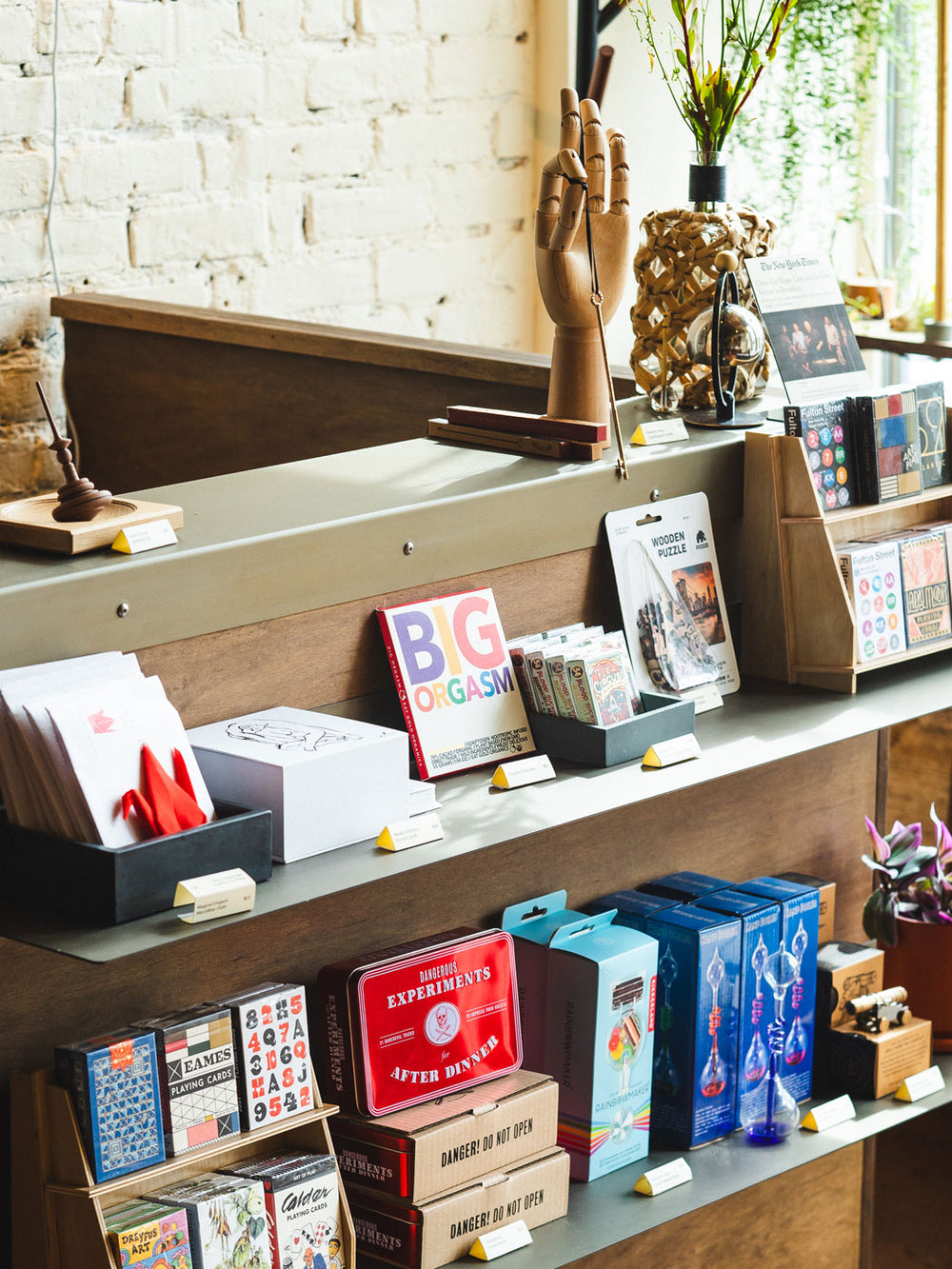
For a small retailer, national visibility can be expensive to buy. The controversy introduced Art of Play to people who had never heard of the shop, its Atlantic Avenue location or its hidden close-up magic theater. Coverage also gave audiences a reason to search for the store, inspect its products and visit its website or social accounts.
The most powerful part of the story was not a traditional advertisement. It was a narrative with a clear conflict and a memorable object: Molly, a singing and dancing bird automaton. The bird became a shorthand for the entire dispute. The store’s reported decision to raise the displayed price to $15 million added an absurd, headline-friendly twist, but that figure should be understood as a publicity-driven asking price—not proof of a completed sale, a formal appraisal or a market valuation.
Publicity can create a sharp spike in searches and mentions. It does not automatically create repeat customers, profitable orders or positive sentiment. To turn a viral moment into lasting value, a business has to give newly curious people a clear next step: useful product pages, accurate store information, a welcoming customer experience and reasons to return after the headlines fade.
The hidden cost of “free” exposure
Rubin has said the store received an overwhelming wave of messages and negative attention, including threats. That changes the calculation. A business may welcome new visitors and still need to protect employees, respond to false claims and moderate abusive messages. A spike in visibility that creates fear or disrupts daily operations is not a straightforward marketing win.
There is also a reputation risk. People who encounter the story may arrive with a conclusion already formed. Some will see Clarkson’s account as a warning about dismissive service; others will see the shop as a small business caught in a disproportionate online pile-on. A retailer cannot control every interpretation, but it can control whether its public response is calm, specific and consistent with how it treats customers offline.
For that reason, “free marketing gold” is best understood as a provocative headline, not a verdict. Art of Play received extraordinary reach without buying a national ad campaign. The business also inherited a complicated public-relations problem that no small shop should have to solve overnight.

What small businesses can learn from the controversy
1. Make the customer journey easy to understand
When a high-value or one-of-a-kind item is displayed, a small sign explaining whether it is for sale, available by special order or part of a demonstration can prevent confusion. Staff should have a shared, simple explanation for what is available and what alternatives can be offered. Clear information helps both customers and employees.
2. Respond to criticism with facts, not a fight
A business should acknowledge the customer’s experience without pretending to know what the customer felt, then state what it can verify. If accounts conflict, it is reasonable to explain the store’s policy and invite a direct conversation. Repeatedly escalating the tone may extend the news cycle while making resolution harder.
3. Protect the people behind the brand
Employees and neighboring businesses are not public figures. Owners facing a sudden online pile-on should document threats, use platform reporting tools, communicate safety procedures and avoid sharing private information. Supporters can help by checking reliable information and refusing to harass anyone involved.
4. Convert attention into useful, ordinary service
If curious visitors arrive, the best long-term response is to offer the same clear information, thoughtful service and enjoyable experience that the business wants to be known for. A strong product page, updated hours, a simple directions page and helpful answers to common questions are more durable assets than a viral post.

Can a viral feud actually grow a business?
It can—but only if the attention reaches the right audience and the business is ready to serve them. A burst of searches can bring potential customers, press inquiries and new followers. The more meaningful measures come later: qualified website visits, product-page engagement, store visits, sales, repeat customers and whether the public understands what the business offers.
Those results have not been publicly established for Art of Play, so it would be premature to say the dispute has produced a net financial gain. Nor is there enough evidence to treat the store’s new price for Molly as a real sale or to assume that every mention translates into revenue. What is clear is that the shop has become far more widely known—and that the attention has carried serious costs alongside potential benefits.
The bigger lesson: reach is not the same as trust
Clarkson’s complaint gave the story its initial spark. The store’s responses, the disputed price tag, the silent footage and the online reaction kept it moving. But the episode also demonstrates how quickly social media can turn a short, ambiguous interaction into a public trial, even when the most important part—the actual conversation—cannot be heard in the available footage.
For Art of Play, the challenge now is to be more than the setting for a celebrity dispute. For other small businesses, the lesson is not to chase controversy. It is to make policies clear, communicate with care and prepare for the possibility that a single post can bring a scale of attention far beyond the size of the business.
Frequently asked questions
Did Kelly Clarkson’s dispute give Art of Play free advertising?
It generated extensive media coverage and public attention without a conventional ad buy. Whether that exposure produced a net financial benefit has not been publicly verified, and the store has also reported harmful backlash.
What is Molly, the bird at the center of the story?
Molly is a mechanical singing and dancing bird automaton displayed at Art of Play. The store says its specific display piece is not for sale, while a similar piece could be ordered from the artist. Clarkson disputes the store’s account of the conversation about the price.
Did the security footage settle the dispute?
No. The circulating footage shows portions of Clarkson’s visit but has no audio. It cannot establish the exact words exchanged or determine whether either side’s account of the conversation is accurate.
Is the $15 million price a confirmed sale value?
No confirmed sale has been reported. The $15 million figure was described by the store as a raised asking price amid the publicity, not a verified transaction or independent appraisal.
Sources and further reading
- Inc.: Branding lessons from the Kelly Clarkson and Art of Play dispute
- PEOPLE: Art of Play owner says Clarkson is welcome back
- Associated Press: Celebrity influence and the small-business backlash
- Art of Play: Official Brooklyn store information
Social media context
View Kelly Clarkson’s original post on X about her visit to Art of Play
Watch the publicly circulated security-footage coverage and reporting from the sources above before drawing conclusions: the available footage has no audio, and the key conversation remains disputed.
By Shivam Das


