

Kelly Clarkson’s dispute with Brooklyn shop Art of Play shows how quickly a celebrity’s public image can shift when a customer-service complaint becomes a national argument. The story has become a debate about customer treatment, celebrity influence, online backlash and what silent surveillance footage can actually prove.
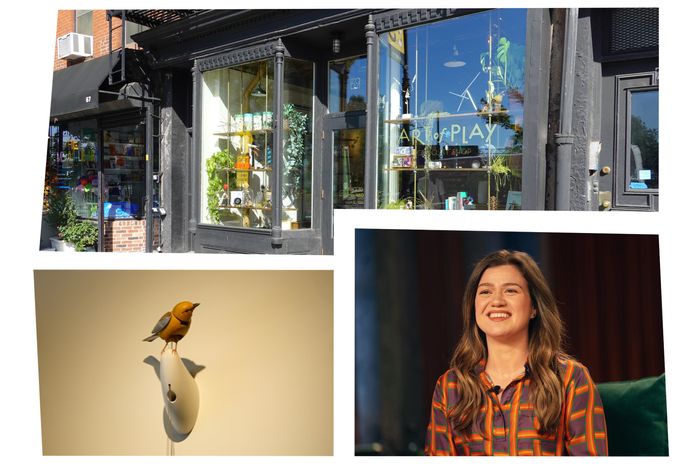
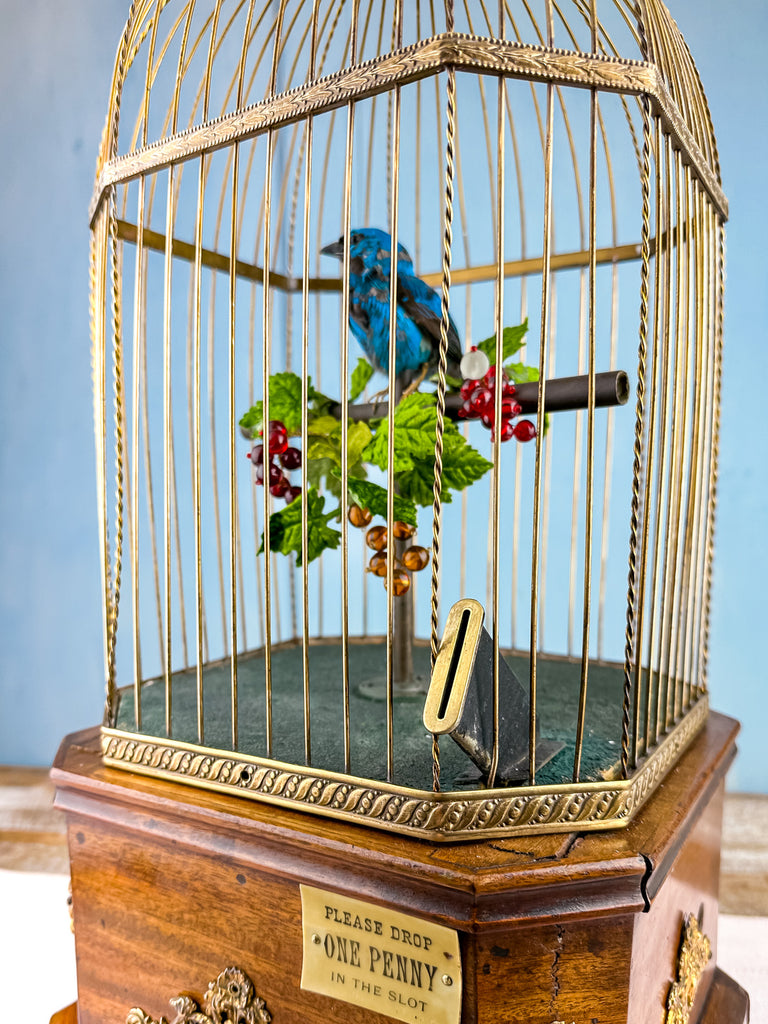
Clarkson said she felt judged when she asked about Molly, a mechanical singing bird displayed at the shop. Art of Play disputed her account, saying Molly was attached to the wall and used in its magic shows, while a similar automaton could be commissioned from its creator. Those accounts remain in conflict, and the public evidence does not establish exactly what was said inside the store.
How the Kelly Clarkson store dispute went viral
On October 10, Clarkson posted on X that she visited Art of Play intending to buy several items but felt an employee assumed she could not afford the object she asked about. She compared the experience to the boutique scene in Pretty Woman. The post spread quickly because a familiar consumer complaint came from a celebrity with a large audience.
Art of Play responded on Instagram the next day. The shop said Molly was not for sale because it was a permanent display piece. It said the artist, Bliss Kolb, might sell a nearly identical automaton for $15,000 and that staff also offered to show Clarkson a different piece priced at $2,000. Clarkson rejected that account and said a price tag and the conversation she remembered contradicted the store’s explanation.

What the silent surveillance video can—and cannot—prove
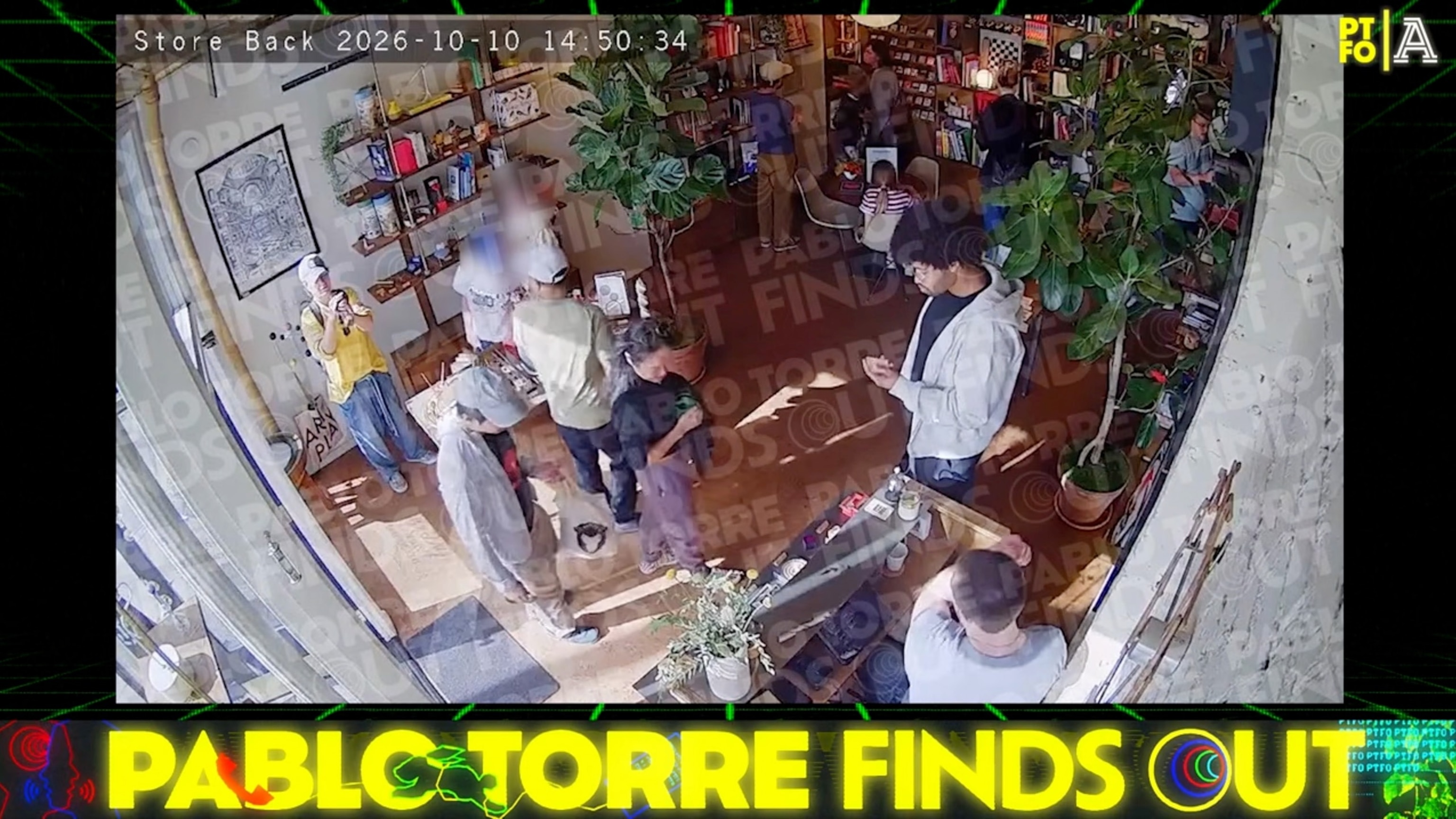
Footage obtained by journalist Pablo Torre and reported by multiple outlets shows Clarkson browsing, looking at the mechanical bird, briefly speaking with an employee and leaving. Reports put her visit at roughly five minutes. The footage has no audio, so viewers cannot hear the exact words, tone or context of the conversation.
Video can establish visible actions and timing; it cannot independently prove whether a remark was condescending, whether a price was described accurately, or whether either side misunderstood the other. Treating silent footage as a complete verdict would go beyond what it demonstrates.
Why the backlash became bigger than the complaint
Art of Play co-owner Adam Rubin told reporters that the store received hostile messages, negative reviews and threats after the dispute spread. Online criticism can be legitimate when it addresses a documented experience, but threats, doxxing and review-bombing can harm workers and make it harder for genuine customers to reach a small business.
My read is that this became a test of influence as much as a debate over service. A celebrity can reach a huge audience in seconds; a small retailer has far less ability to correct an impression once thousands of people have formed one. That imbalance does not mean celebrities should stay silent about bad service. It does mean public claims should be precise, and audiences should avoid treating allegations as proven facts before the evidence is clear.

The $15,000 bird and the $15 million headline
The price became another viral hook. The shop said a nearly identical automaton could be obtained from the artist for $15,000, while Molly was a fixture used in the store. After the dispute drew attention, Rubin told New York magazine that the shop had raised the price associated with Molly to $15 million “due to popular demand.” That was described as an asking price, not evidence of a completed sale or an independently appraised market value.
What happens next for Kelly Clarkson’s public image?
Some viewers see a customer standing up to perceived disrespect; others see a famous person using an enormous platform against a small business. The silent footage adds context but does not resolve the central disagreement. A precise clarification or private resolution could help move the story forward, while clear signage at the shop could help prevent future confusion about display pieces and commissions.
For related reporting, read our coverage of what silent security footage can and cannot prove and the Art of Play owner’s response to the viral dispute.
Original posts and video coverage
Read Kelly Clarkson’s original X post and view Art of Play’s Instagram response. For surveillance footage context, read CBS News New York’s report. The video has no audio, so it cannot confirm the words exchanged.
Original social posts and video
Read the original statements from the people involved. Social platforms may require their own scripts to render the embedded posts.
View Kelly Clarkson’s original post on X
View Art of Play’s Instagram response
Frequently asked questions
Why is Kelly Clarkson feuding with Art of Play?
Clarkson said she felt dismissed while asking about a mechanical singing bird. Art of Play disputed her account and said the bird on display was not for sale.
Was Molly for sale for $15,000?
The shop said Molly was a display piece and that a nearly identical automaton could be obtained from its creator for $15,000. Clarkson said she saw a price tag and was told the bird was for sale. The public accounts conflict.
Does the surveillance video prove who was right?
No. The reported footage shows the visit but contains no audio, so it cannot establish the words or tone of the exchange.
Did the bird sell for $15 million?
No confirmed sale has been reported in the cited coverage. The $15 million figure was described as a raised asking price following the publicity.
What is the main lesson from the Kelly Clarkson viral controversy?
Public complaints can draw attention to customer-service concerns, but a celebrity’s reach can also trigger disproportionate backlash. Readers should verify claims, avoid harassment and remember that viral clips may not contain the full context.


