

By Shivam Das | Updated October 13, 2026
Spoilers for Episode 2.
Episode 2 of 100 Days of Deception works as a tense spy-romance chapter, but its historical setting is more than period decoration. The story takes place in Gyeongseong in 1932, when Korea was under Japanese colonial rule. That backdrop helps explain why characters hide their identities, why resistance networks operate in secret, and why an ordinary encounter can quickly become a matter of survival.
The key historical detail is the way the drama’s fictional resistance group, Gugukdan, reflects the conditions faced by real Korean independence activists. The group as portrayed in the series is fictional, but underground organizing, surveillance, arrests and covert resistance were real features of colonial rule. Keeping that distinction clear makes the episode’s tension more meaningful rather than treating its fictional plot as a literal retelling of history.
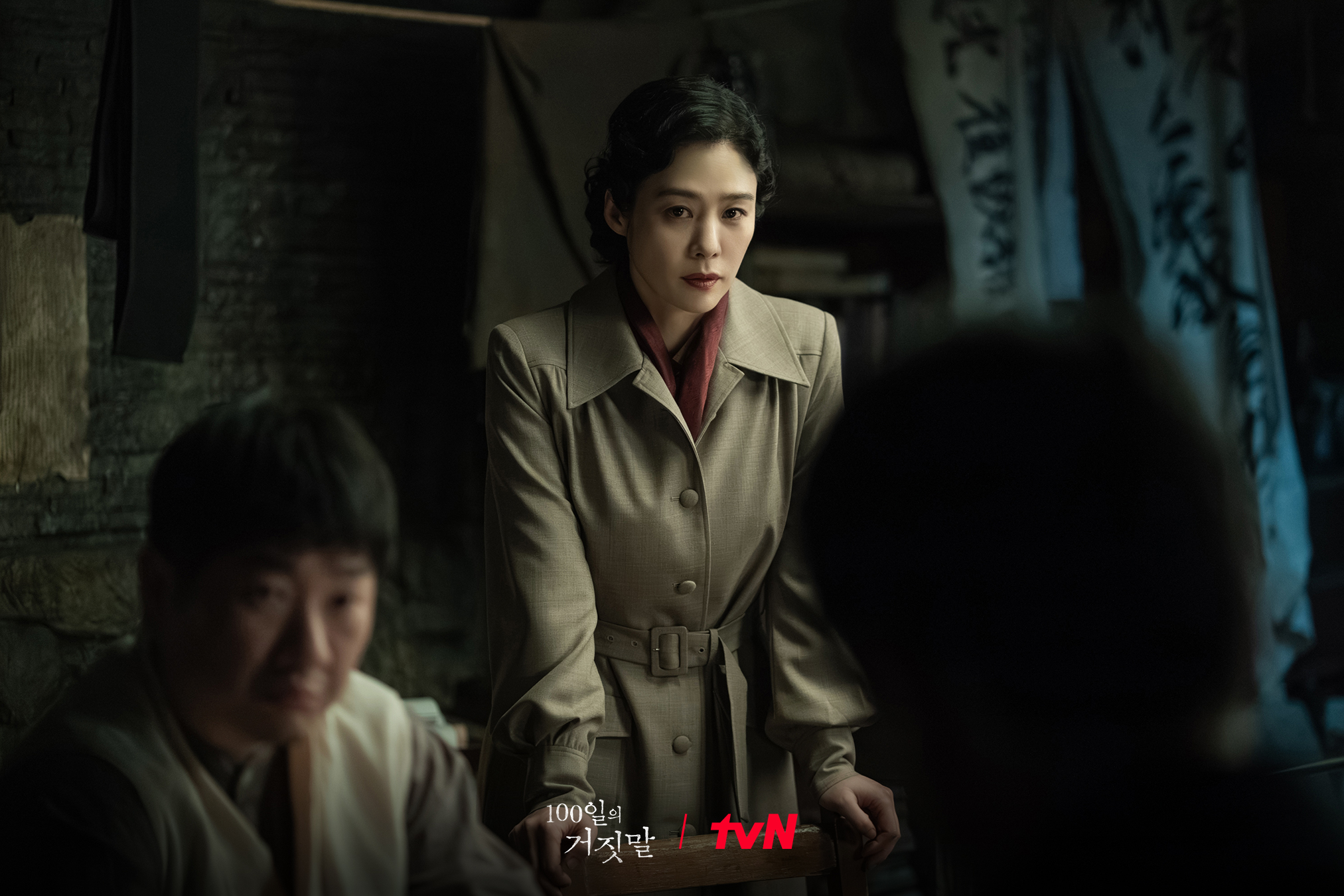
Why the 1932 setting matters
By 1932, Japanese colonial authorities had built an extensive administrative and policing system in Korea. Public dissent could bring severe consequences, while independence activists often depended on secrecy, aliases, trusted couriers and supporters willing to take risks. The drama uses these pressures to create a world in which a character’s occupation, family history or apparent loyalty may conceal another purpose.
The wider historical context includes the March First Movement of 1919, a mass movement for Korean independence that was met with violent repression. Episode 2 connects So-ran’s personal history to the trauma of that period. Her loss is a fictional character arc, but it draws emotional weight from a real history of colonial violence and resistance.
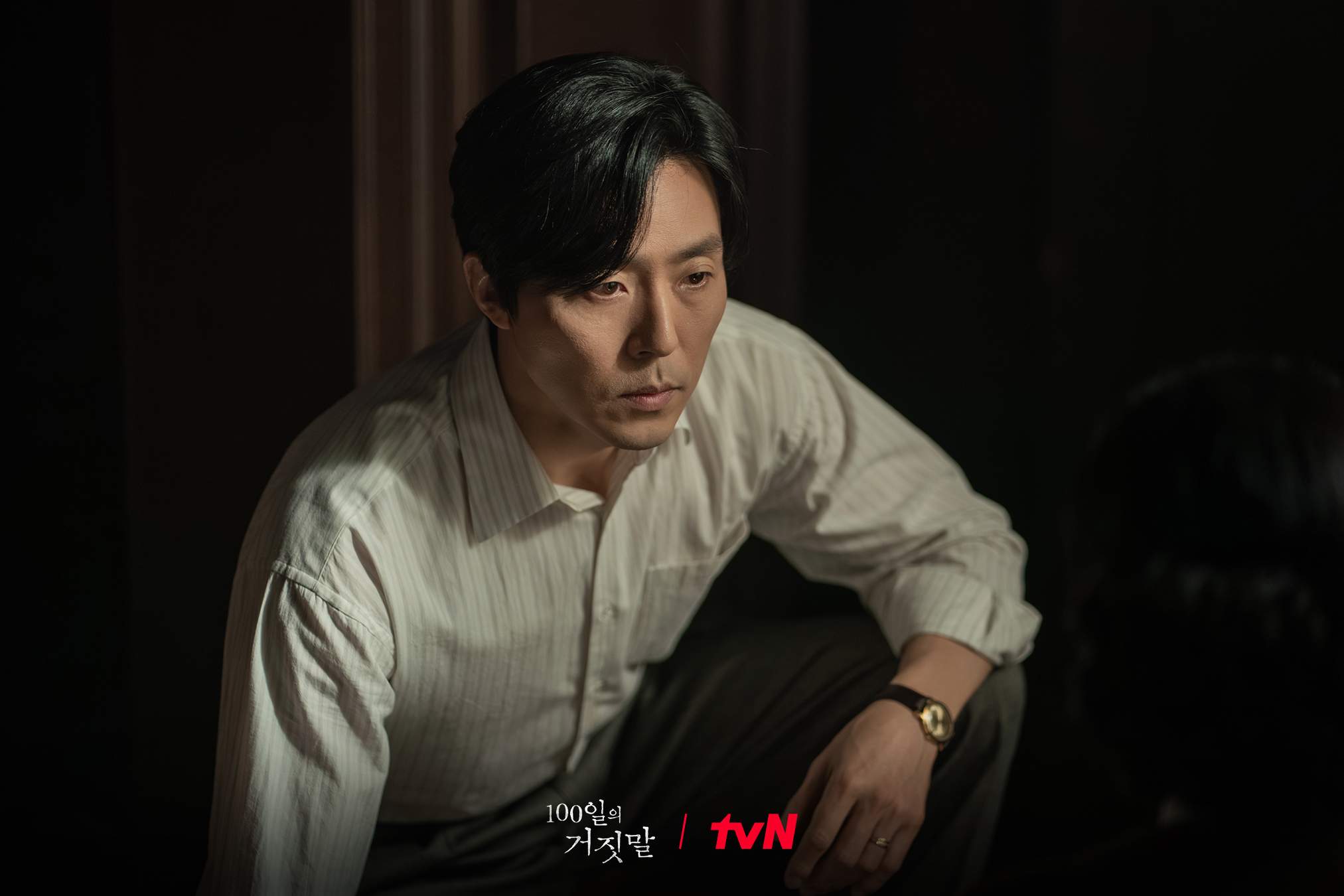
Fictional resistance group, real historical pressures
Gugukdan is presented as an underground independence group in the series. It should not be confused with one specific historical organization. The show’s writers combine familiar elements of clandestine resistance—secret contacts, cover identities and targeted operations—into a fictional network that can bring the main characters together.
This distinction matters. Historical fiction can make the past accessible, but viewers should not assume every group, operation or character existed in real life. For readers who want to go deeper, compare the drama’s broad setting with reputable historical accounts and treat specific plot events as fictional unless a reliable source documents them independently.
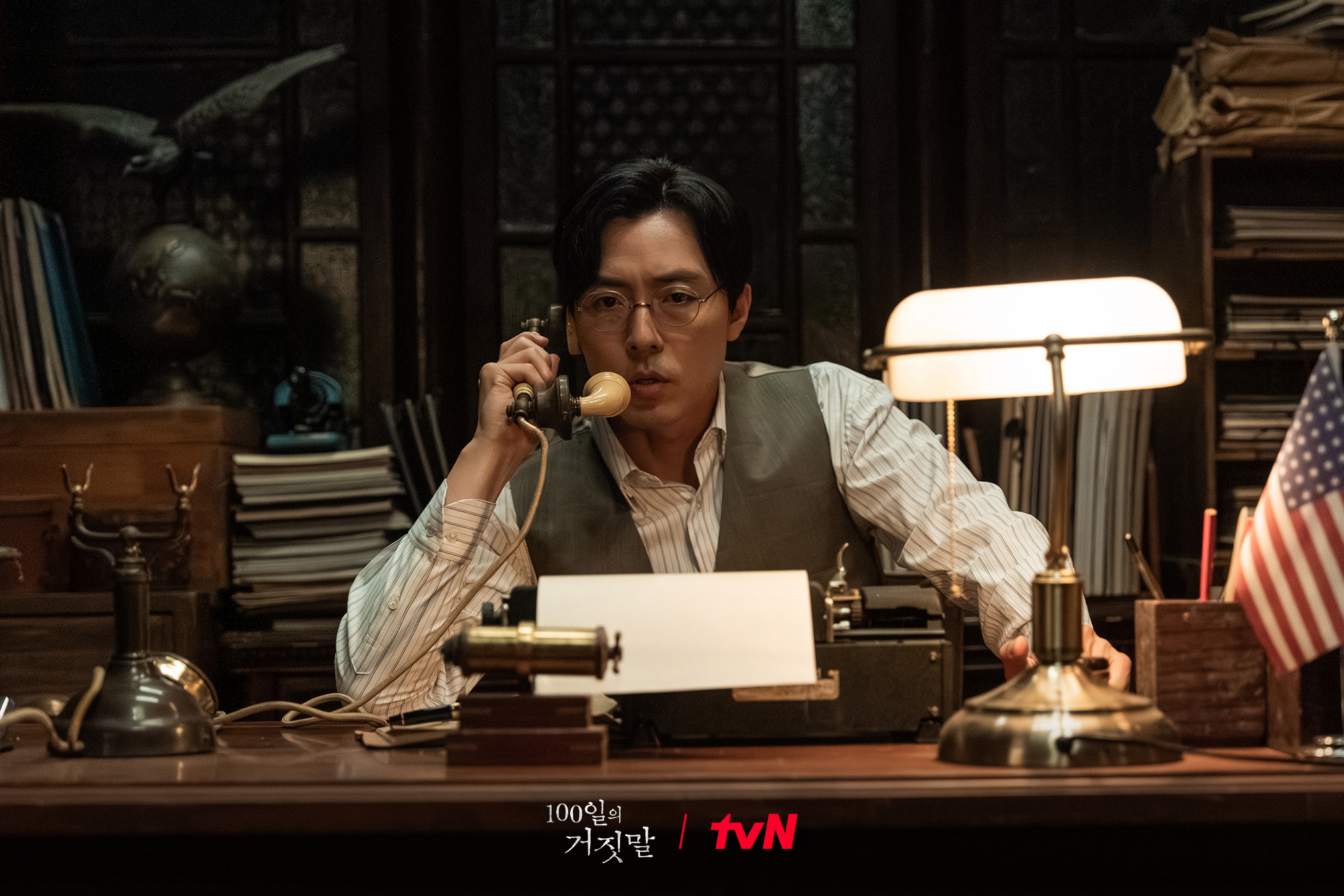
How Episode 2 turns history into suspense
The episode’s confrontations depend on uncertainty: who can be trusted, who is being watched and which identity is genuine. Those are effective thriller devices, but in this setting they also reflect the risks of organizing against a colonial government. A meeting place can become a trap, an apparent ally may have competing loyalties, and a personal relationship can endanger an entire operation.
The Jongno pawnshop encounter between Lee Ga-kyung and Sato Hideo brings the romance and espionage plots together. Their sharp exchange is entertaining, yet the danger around them is shaped by the larger political world. Their choices do not happen in a vacuum; they are made under surveillance, social pressure and the threat of punishment.
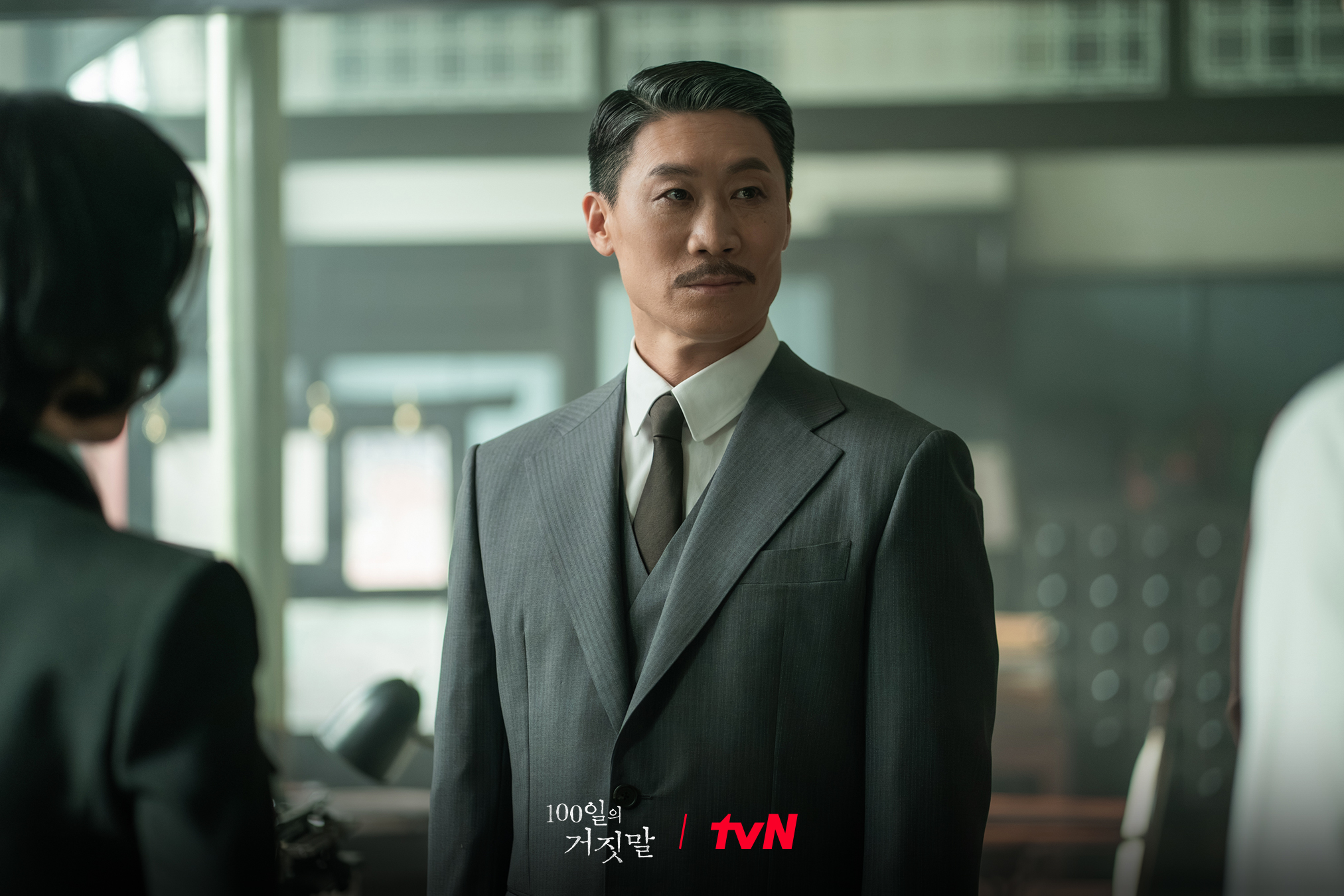
What the drama gets viewers thinking about
The most resonant historical question is how ordinary people preserve identity, family and hope when public life is controlled by an occupying power. Ga-kyung’s struggle for a different future and So-ran’s pursuit of justice give the series two different emotional responses to oppression: escape and resistance.
Historical dramas are strongest when they encourage curiosity beyond the screen. The March First Movement, the colonial administration in Korea and the many real independence groups of the era deserve to be explored through museums, archives and history books—not inferred solely from a fictional plot. The series offers a doorway into that history, not a substitute for it.
Quick answer: What historical detail stands out in Episode 2?
The story’s 1932 colonial setting explains why secret resistance networks, hidden identities and constant surveillance drive the plot. Gugukdan is fictional, but the broader conditions of Japanese colonial rule and Korean independence activism are grounded in real history.
Frequently asked questions
Is Gugukdan a real historical organization?
In the drama, Gugukdan is fictional. It resembles the kinds of underground networks used by independence activists, but it should not be presented as a direct depiction of one specific organization.
When is 100 Days of Deception set?
The series is set in Gyeongseong, now Seoul, in 1932 during Japanese colonial rule.
What was the March First Movement?
It was a major Korean independence movement in 1919. Demonstrations spread widely and were met with violent repression by colonial authorities.
Does Episode 2 portray real events?
The drama places fictional characters and missions within a real historical period. Individual plotlines should be treated as fiction unless independently verified by historical sources.
Further reading
- Ready Steady Cut: The historical background behind 100 Days of Deception
- Soompi: Episode 2 ratings rise
- The Korea Times
Editorial note: This article distinguishes the drama’s fictional characters and group from the real historical context. Promotional images are credited to tvN via Soompi; verify reuse permissions before commercial republication.


