

By Shivam Das | October 13, 2026
100 Days of Deception invites comparisons with Gyeongseong Creature and Mr. Sunshine because all three Korean dramas use history to explore power, danger, loyalty, and love. But they are not telling the same kind of story. The new Netflix period spy romance is built around undercover deception and a tightly limited mission; Gyeongseong Creature blends colonial-era drama with creature horror; and Mr. Sunshine is a sweeping romance set at an earlier historical turning point.
The biggest difference is not just the costumes or old streets. It is the engine of suspense: what each character knows, what they are hiding, and what they risk by getting close to someone else.
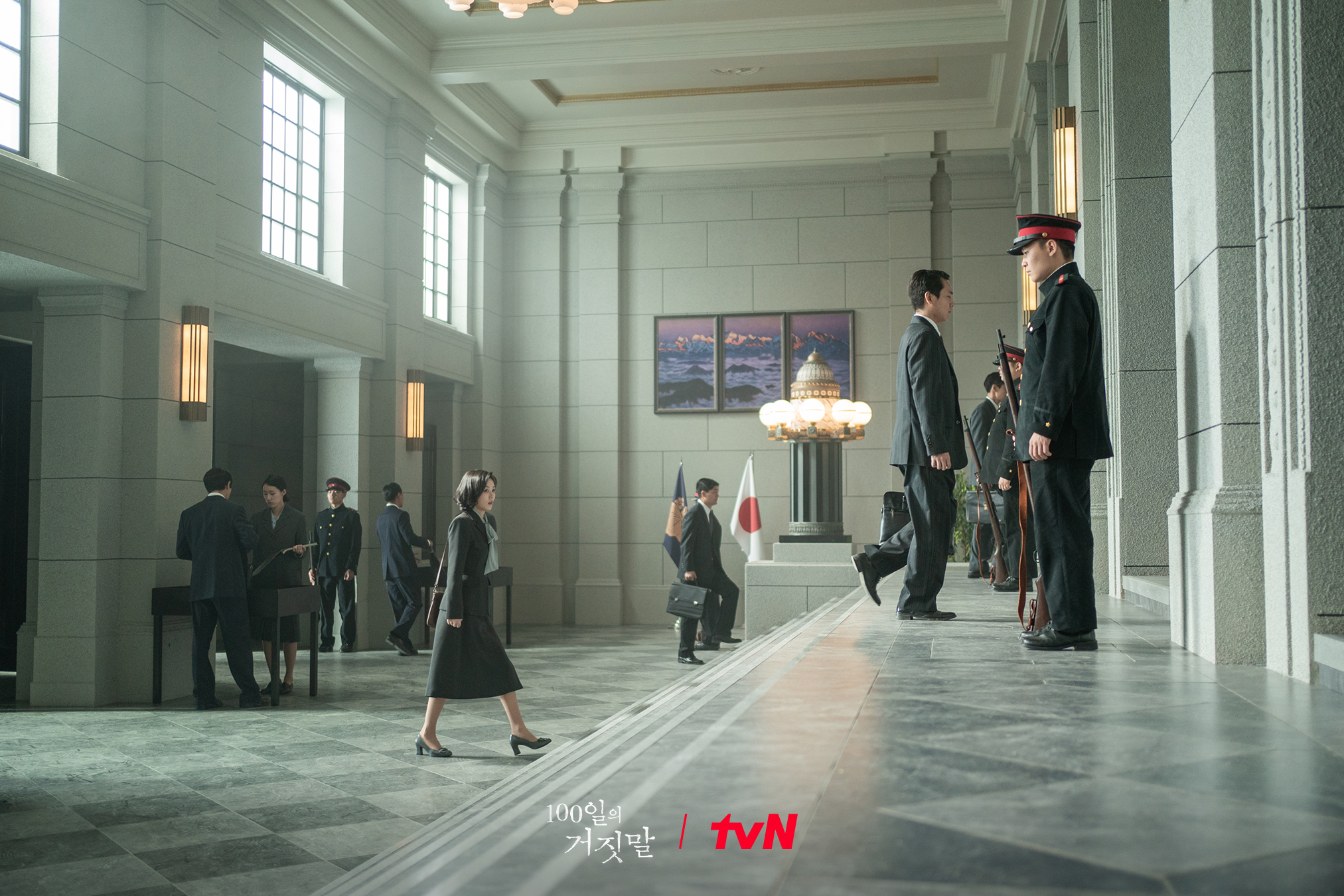
1. 100 Days of Deception makes the undercover mission the central hook
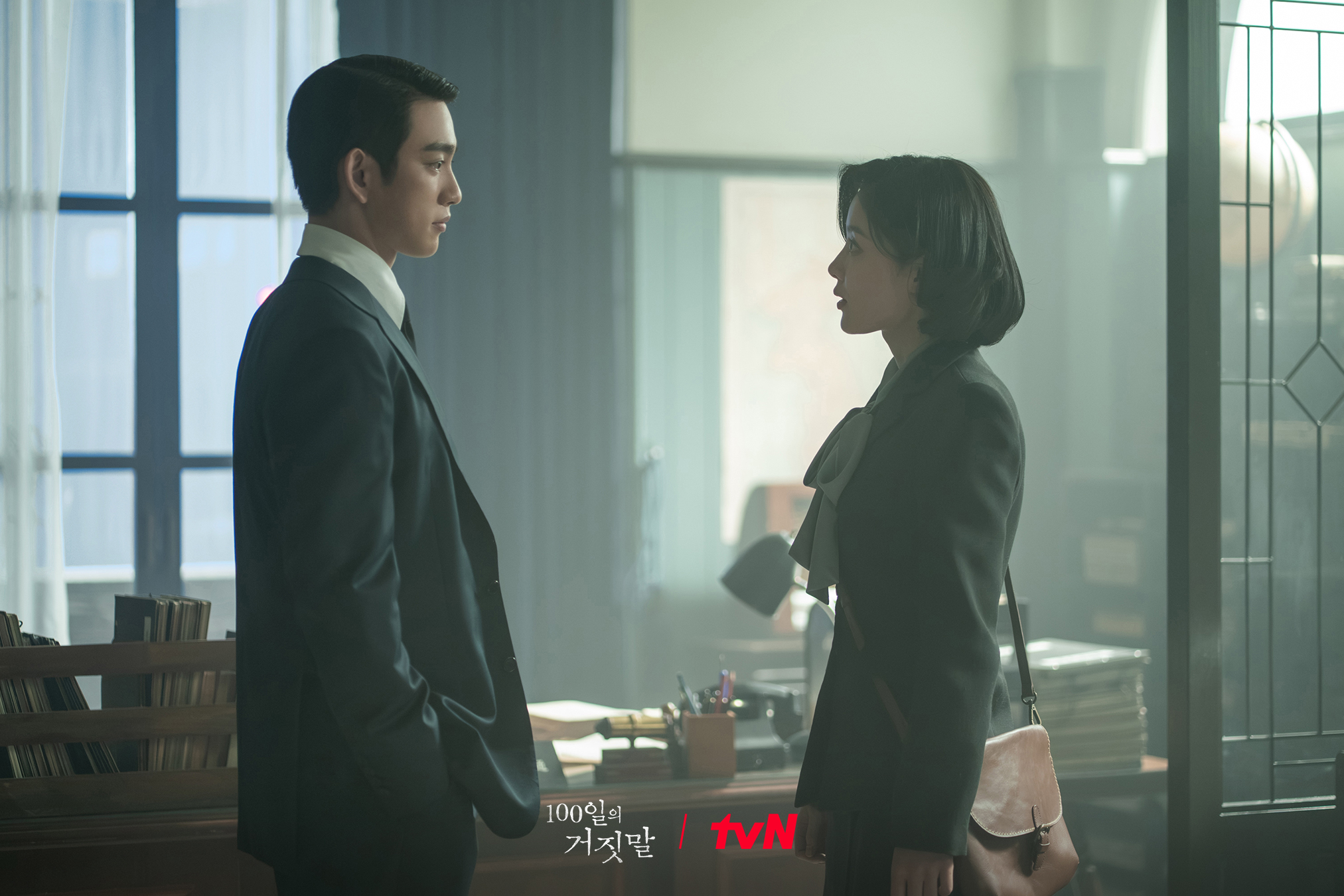
Netflix describes 100 Days of Deception as the story of Gyeongseong’s top pickpocket infiltrating the Japanese colonial government to steal secrets, only to fall for her target’s son. Kim You-jung plays Lee Ga-kyung, who enters the Government-General under a false identity, while Park Jin-young plays the interpreter known as Sato Hideo. The premise puts romance and espionage on a collision course: every personal connection can threaten the mission, and every lie can become a liability.
That structure creates a specific kind of tension. Viewers are encouraged to watch conversations for clues: who is testing whom, which detail has been withheld, and whether a moment of tenderness is genuine or strategic. The 100-day limit also gives the story a built-in clock. Even a quiet scene can feel charged because the mission is moving toward its deadline.
2. Gyeongseong Creature turns historical fear into horror
Gyeongseong Creature is also rooted in Japanese colonial rule, but its dramatic machinery is different. Netflix places its first season in Gyeongseong in 1945 and describes two people fighting for survival against monsters born of human greed. The creature premise turns institutional cruelty and exploitation into something physically threatening, giving the series a horror-thriller pulse alongside its historical drama.
That difference matters to the viewing experience. In 100 Days of Deception, a dangerous encounter may hinge on a false identity being exposed. In Gyeongseong Creature, danger can become immediate, bodily, and monstrous. Both shows can explore the violence of an oppressive system, but one leans on the anxiety of infiltration while the other uses survival horror to make fear visible.

3. Mr. Sunshine is a broader historical romance
Mr. Sunshine approaches Korean history from a different period and scale. Netflix’s media center describes a young boy who goes to the United States after the 1871 Shinmiyangyo incident, later returns to Korea at a historical turning point, and falls for a noblewoman. Its romance is inseparable from questions of class, national identity, and the future of a country under mounting pressure.
Compared with that sweeping historical canvas, 100 Days of Deception has a more tactical premise: an undercover assignment, stolen secrets, and the danger of falling for someone connected to the target. Both stories can use love to test a character’s loyalties, but the newer series puts deception at the front of the story rather than beginning with a long arc of exile and return.
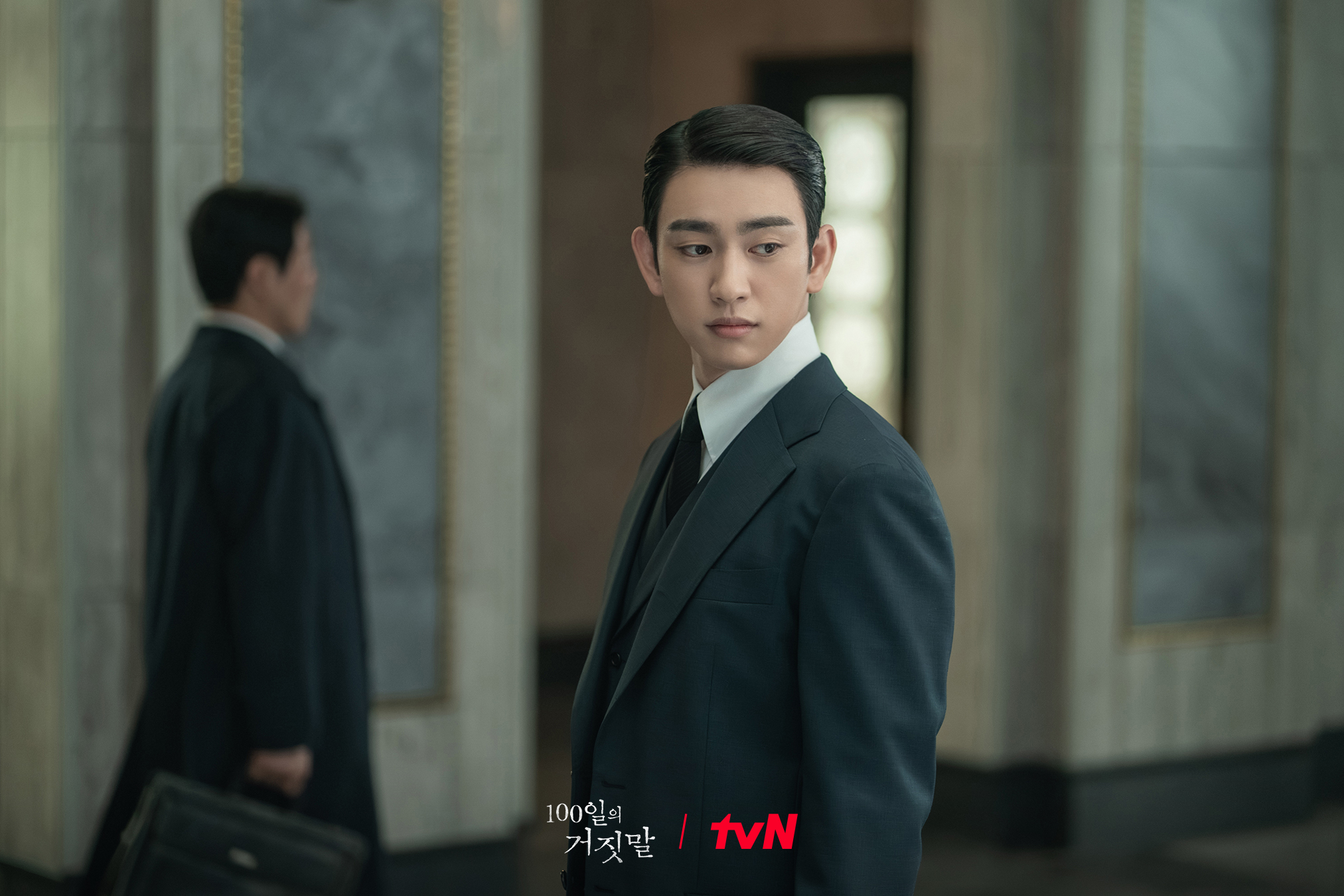
4. Romance becomes riskier when every identity may be a lie
In a conventional romance, a secret can delay a confession. In a spy romance, the same secret can endanger a mission, expose a network, or put another person in the path of political violence. That raises the cost of intimacy. Ga-kyung cannot simply decide whether she trusts Hideo; she must also consider what that trust could reveal and what his own position means for her assignment.
This is where 100 Days of Deception can distinguish itself from both comparison titles. Its central question is not only whether love can survive a dangerous historical moment. It is whether love can be trusted when both people may be performing a role. The romance becomes part of the espionage puzzle rather than a separate story running alongside it.

5. Similar settings do not mean identical historical stories
Period dramas can look similar in still photographs: formal clothes, old streets, government buildings, and carefully staged interiors. Yet visual resemblance does not mean the shows have the same priorities. 100 Days of Deception uses its 1930s colonial-era setting to make secrecy and divided loyalties feel dangerous. Gyeongseong Creature layers its 1945 setting with horror. Mr. Sunshine looks at an earlier turning point through a large-scale story of identity, sacrifice, and love.
There is also an important distinction between dramatic storytelling and a complete account of history. These are fictional series that draw on real historical settings and themes; they should not be treated as substitutes for historical research. The most useful comparison is about genre, character, and storytelling—not a claim that the shows depict identical events or offer the same historical perspective.
Which drama should you watch first?
- Choose 100 Days of Deception if you want undercover identities, political intrigue, a ticking-clock premise, and romance complicated by espionage.
- Choose Gyeongseong Creature if you prefer survival horror, supernatural danger, and a darker thriller atmosphere.
- Choose Mr. Sunshine if you want a sweeping historical romance centered on identity, class, and a nation approaching a decisive turning point.
These are different viewing experiences, not a quality ranking. Which one works best depends on whether you want the suspense of a hidden identity, the dread of a monster story, or the emotional scale of a historical epic.
Quick answer
100 Days of Deception feels different from Gyeongseong Creature and Mr. Sunshine because its main engine is undercover espionage and a 100-day mission that complicates a developing romance. Gyeongseong Creature combines colonial-era drama with horror, while Mr. Sunshine is a sweeping romance set around an earlier historical turning point.
Frequently asked questions
Is 100 Days of Deception similar to Gyeongseong Creature?
They share a Korean historical setting connected to the Japanese colonial era, but their genres differ. 100 Days of Deception centers on espionage and romance; Gyeongseong Creature combines historical drama with creature horror.
Is 100 Days of Deception like Mr. Sunshine?
Both blend romance with Korean history and political pressure. However, Mr. Sunshine is set around the late 19th-century turning point following the 1871 Shinmiyangyo incident, while 100 Days of Deception follows an undercover mission in 1930s Gyeongseong.
Who stars in 100 Days of Deception?
The Netflix-listed cast includes Kim You-jung, Park Jin-young, Kim Hyun-joo, Lee Mu-saeng, and Jin Sun-kyu.
Where can I watch these dramas?
Check the official streaming pages for regional availability: 100 Days of Deception, Gyeongseong Creature, and Mr. Sunshine on Netflix Media Center.
Official video and further reading
Watch the cast at the 100 Days of Deception press conference. This is a press-event video, not a scene from the drama.
- Netflix: 100 Days of Deception
- About Netflix: Gyeongseong Creature poster and trailer
- Netflix Media Center: Mr. Sunshine
- The Korea Times: 100 Days of Deception overview
Editorial note: This comparison is based on published synopses and genre premises. It is an editorial analysis, not a claim that critics or audiences have unanimously ranked one drama above the others.


