

By Shivam Das | October 13, 2026
Historical romance can be easy to underestimate. Beautiful costumes and a central love story are not enough on their own; a period drama needs a world that makes viewers care about more than the couple. 100 Days of Deception, tvN’s new spy romance streaming on Netflix, has made a promising early case for the genre by placing attraction, deception and personal survival inside Japanese-occupied Gyeongseong in 1932.
The early evidence is encouraging, not conclusive. The Korea Times reported that the drama passed a 7 percent domestic viewership rating within its first two episodes, while Soompi reported a 7.6 percent nationwide average for Episode 2, citing Nielsen Korea. Those numbers suggest a strong start in South Korea; they do not yet prove that the show will sustain its audience or become a global hit.

Why this period spy romance feels timely
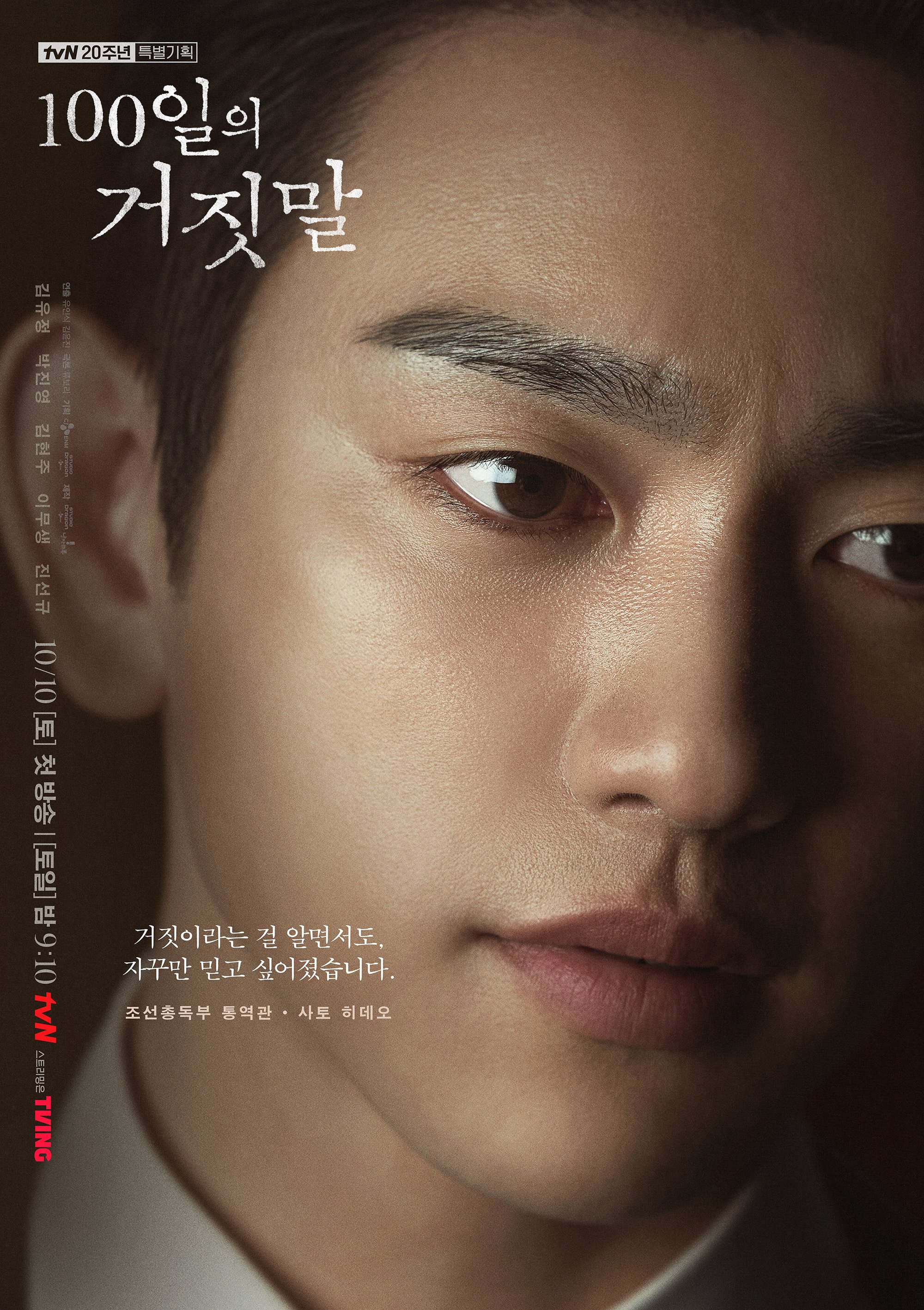
The series is set in Gyeongseong, the name used for Seoul during Japanese colonial rule. Its central character, Lee Ga-kyung, is a skilled pickpocket recruited by the independence movement to infiltrate the Japanese Government-General while posing as an interpreter trainee. Her mission draws her toward Kim Tae-woong, also known as Sato Hideo, an interpreter adopted into a powerful Japanese family. Their relationship develops inside a system where identity can be a disguise and trust can put a person in danger.
That premise gives the romance meaningful friction. The leads are not simply kept apart by a misunderstanding; their loyalties, backgrounds and objectives make intimacy risky. A glance can be flirtation, suspicion or a test. A lie can protect someone in one scene and endanger them in the next. This is where period settings and spy storytelling reinforce one another instead of competing for attention.
The historical backdrop is more than decoration
A period drama set during colonial rule carries a responsibility to treat that history with care. In 100 Days of Deception, the occupation is not just a backdrop for elegant clothes or forbidden romance: it shapes the power imbalance, surveillance and danger surrounding the characters. The resistance plot gives personal choices consequences beyond the protagonists’ private lives.
That does not make a fictional drama a substitute for a history book. Viewers should separate invented characters and plotlines from the historical record, especially when a series compresses events or creates fictional institutions. Historical fiction can still invite useful questions about who held power, what resistance demanded from ordinary people, and how people navigated daily life under coercive rule.

Romance works because the characters have something to lose
The show’s romantic tension is not isolated from its thriller plot. Ga-kyung is pursuing a future of her own, while Hideo’s position connects him to the administration she has entered undercover. Both characters have reasons to hide information, and neither can assume attraction will make the other trustworthy. That uncertainty lets the romance build through decisions and consequences rather than relying only on chemistry.
The supporting storylines broaden the emotional range. Yoo So-ran, played by Kim Hyun-joo, is a resistance sniper driven by loss and revenge. Her story is more severe than the central courtship, but it underlines the same question: how much of yourself can you conceal before the disguise begins to consume you? The contrast helps the series avoid making every scene serve the same romantic mood.
What the first two episodes tell us about audience momentum
The clearest early signal is domestic television performance. Soompi’s October 12 report says Episode 2 averaged 7.6 percent nationwide and ranked first in its time slot across cable channels, citing Nielsen Korea. The Korea Times’ review published October 13 also noted that the show had moved beyond 7 percent within two episodes. That is a solid opening for a new weekend drama, but two episodes are too small a sample to establish long-term staying power.
Global streaming success is a separate question. Netflix lists the series and its principal cast, but a title page is not evidence of a particular global ranking. Without a dated, verifiable Netflix chart or official announcement, it would be premature to claim the show is already dominating international viewing.
How it compares with other historical dramas
Comparisons with titles such as Mr. Sunshine are understandable because audiences often look for familiar combinations of historical conflict, sacrifice and love. But the comparison should be a starting point, not a verdict. 100 Days of Deception foregrounds infiltration, stolen identities and a tightly defined 100-day mission. Its success will depend on whether those mechanics continue to generate suspense while the characters develop beyond their initial secrets.
The series also has to balance its genres. Too much espionage can make the relationship feel secondary; too much romance can flatten the political danger into scenery. The opening episodes suggest that the show wants both, using the undercover plot to make every emotional connection potentially consequential. Whether it sustains that balance over a full season remains the key test.
Quick answer: Is period spy romance still working in 2026?
100 Days of Deception offers an encouraging early example. Its first two episodes drew a reported 7.6 percent nationwide rating for Episode 2 in South Korea, and its premise connects romance to espionage, identity and life under colonial rule. That is evidence of a strong start—not yet proof of a lasting hit or a global streaming breakthrough.
Frequently asked questions
What is 100 Days of Deception about?
It follows Lee Ga-kyung, a skilled pickpocket who becomes an undercover spy for the Korean independence movement and infiltrates the Japanese Government-General in 1932 Gyeongseong. Her mission becomes complicated by her connection to interpreter Sato Hideo.
Where can I watch 100 Days of Deception?
The series is listed on Netflix’s official title page. Availability can vary by country.
How did Episode 2 perform in South Korea?
Soompi reported an average nationwide rating of 7.6 percent for Episode 2, citing Nielsen Korea, and said it ranked first in its time slot across cable channels.
Is the drama based entirely on real events?
The series uses a historical setting, but its principal characters and spy plot are fictionalized storytelling. Check reputable historical sources for factual claims about the colonial period.
Is it too early to call the show a global hit?
Yes. Early Korean ratings and positive critical attention are promising, but global success requires separate, verifiable streaming data over time.
Join the conversation
Fans are discussing the opening episodes in this community thread. These are viewer reactions, not official statements from Netflix or tvN.
100 Days of Deception — Episodes 1 & 2 discussion


