

By Shivam Das | Updated October 13, 2026
Why the new Korean historical spy romance is attracting attention: a tightly wound undercover mission, a morally complicated romance, and a setting where almost every conversation can carry a second meaning.
Netflix’s 100 Days of Deception has the ingredients of a series that invites viewers to press “next episode”: a resourceful pickpocket, a dangerous assignment inside a colonial government, a romance built on incomplete truths, and a resistance network whose members cannot afford to trust easily. The show premiered on October 10, 2026, and its first two episodes have already given viewers plenty to debate. Netflix’s official series page describes a pickpocket who infiltrates the Japanese colonial government to steal secrets, only to fall for her target’s son.
A familiar spy setup with a personal deadline
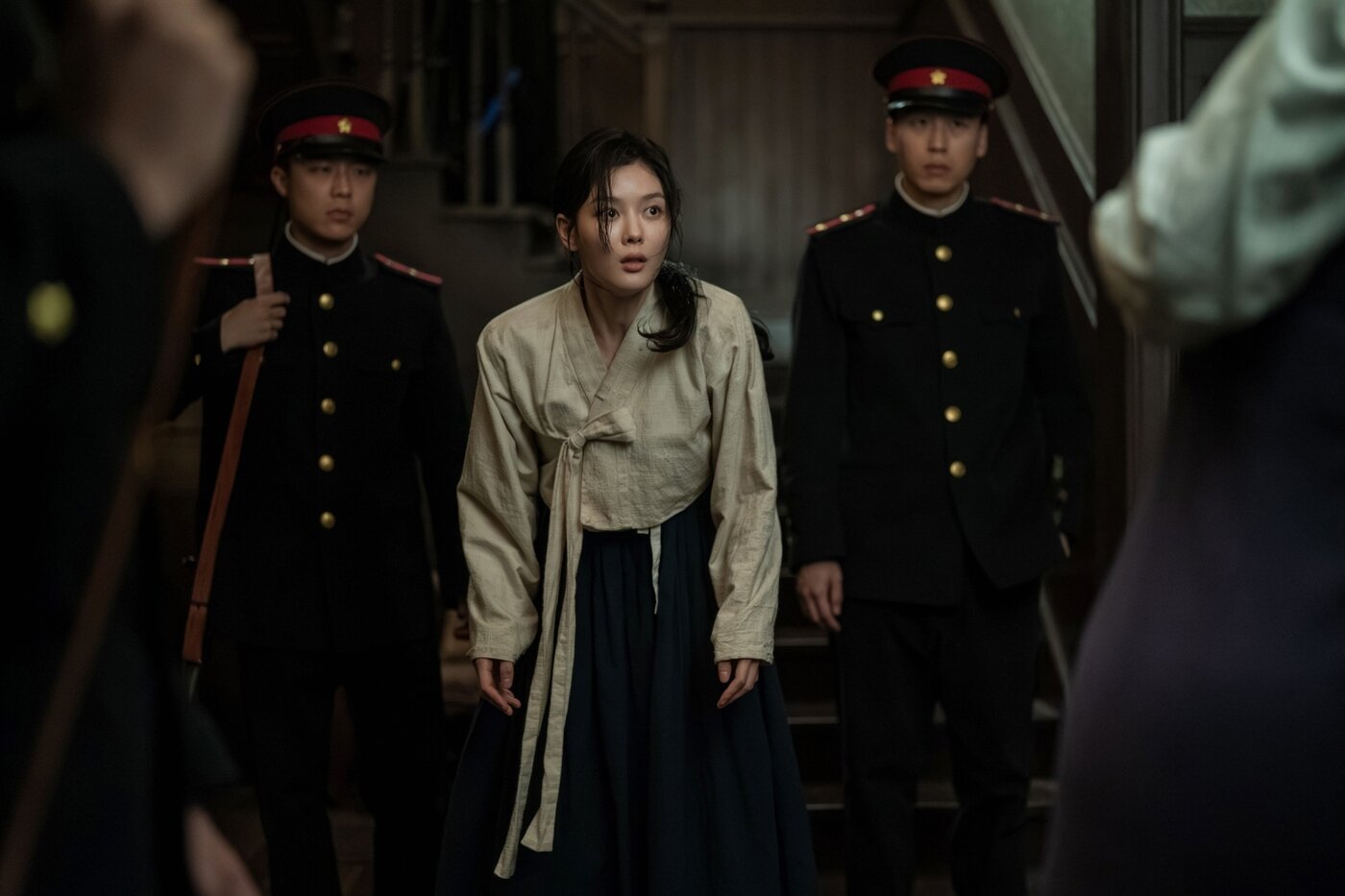
The series is set in 1932 Gyeongseong, the colonial-era name for Seoul. Lee Ga-kyung dreams of escaping Korea and building a different life in the United States. Her skills as a pickpocket bring her to the attention of Gugukdan, a group fighting for Korean independence. The offer is simple to understand and difficult to survive: enter the Japanese Government-General under cover, gather intelligence, and help the resistance with a high-risk operation.
The “100 days” premise gives the story a built-in clock. Every new relationship can help Ga-kyung complete the mission—or expose her. An undercover identity is already a performance, but the danger increases when the person she is deceiving becomes someone she may genuinely care about.
Why the romance works better when trust stays uncertain
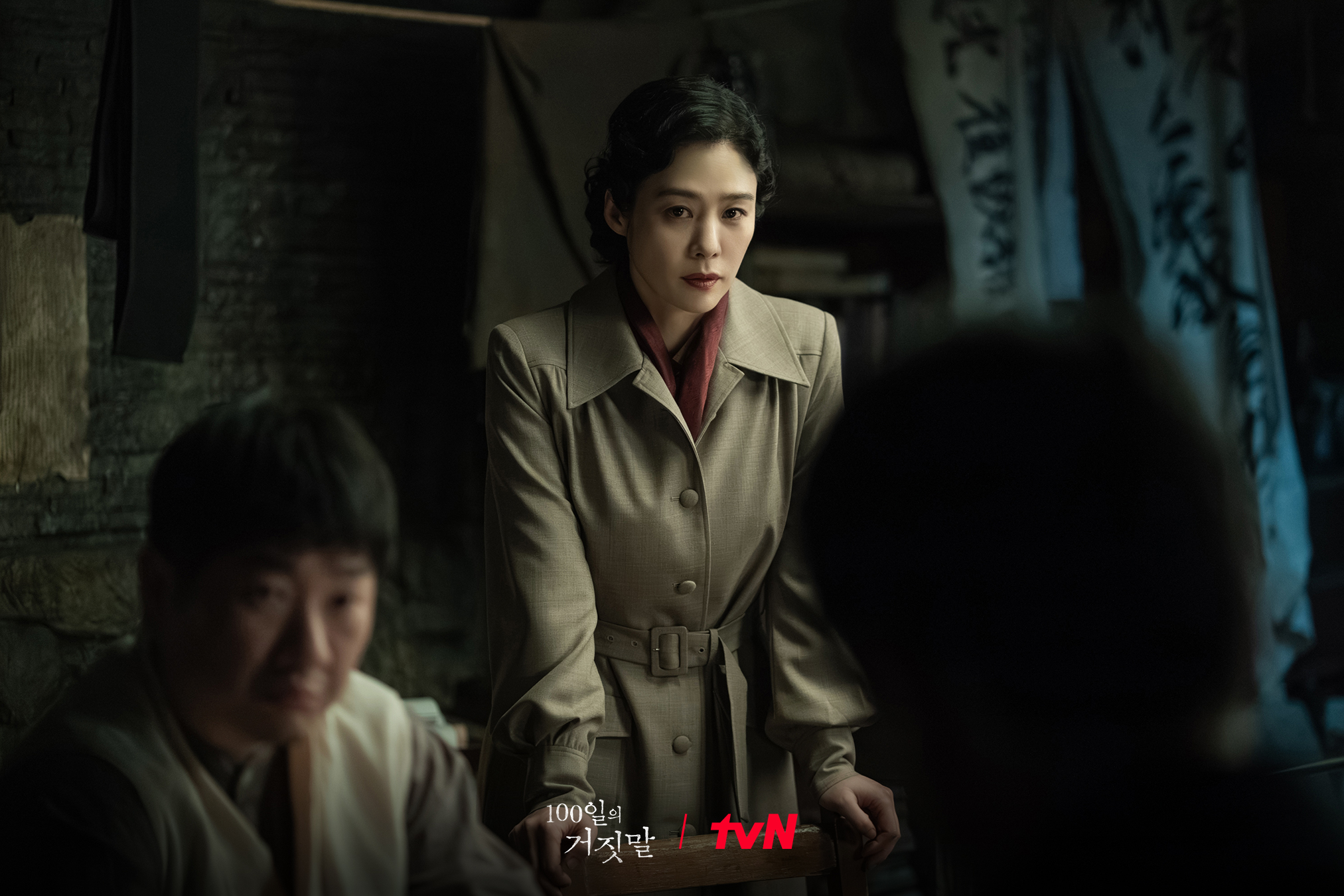
Ga-kyung’s relationship with Kim Tae-woong, who works as an interpreter under the Japanese name Sato Hideo, is not a straightforward meet-cute. Both characters occupy roles shaped by the colonial system, and both have reasons to conceal what they know. Their chemistry has tension because affection cannot automatically cancel suspicion. Each encounter raises a practical question: is the other person being honest, protecting a secret, or doing both at once?
That uncertainty is the engine of a good spy romance. If every secret were revealed immediately, the story would lose its pressure. If every character were simply villainous or heroic, the moral stakes would become predictable. The drama is most engaging when viewers can understand why a character makes a risky choice even while wondering whether that choice will end in disaster.
The historical setting raises the cost of every decision
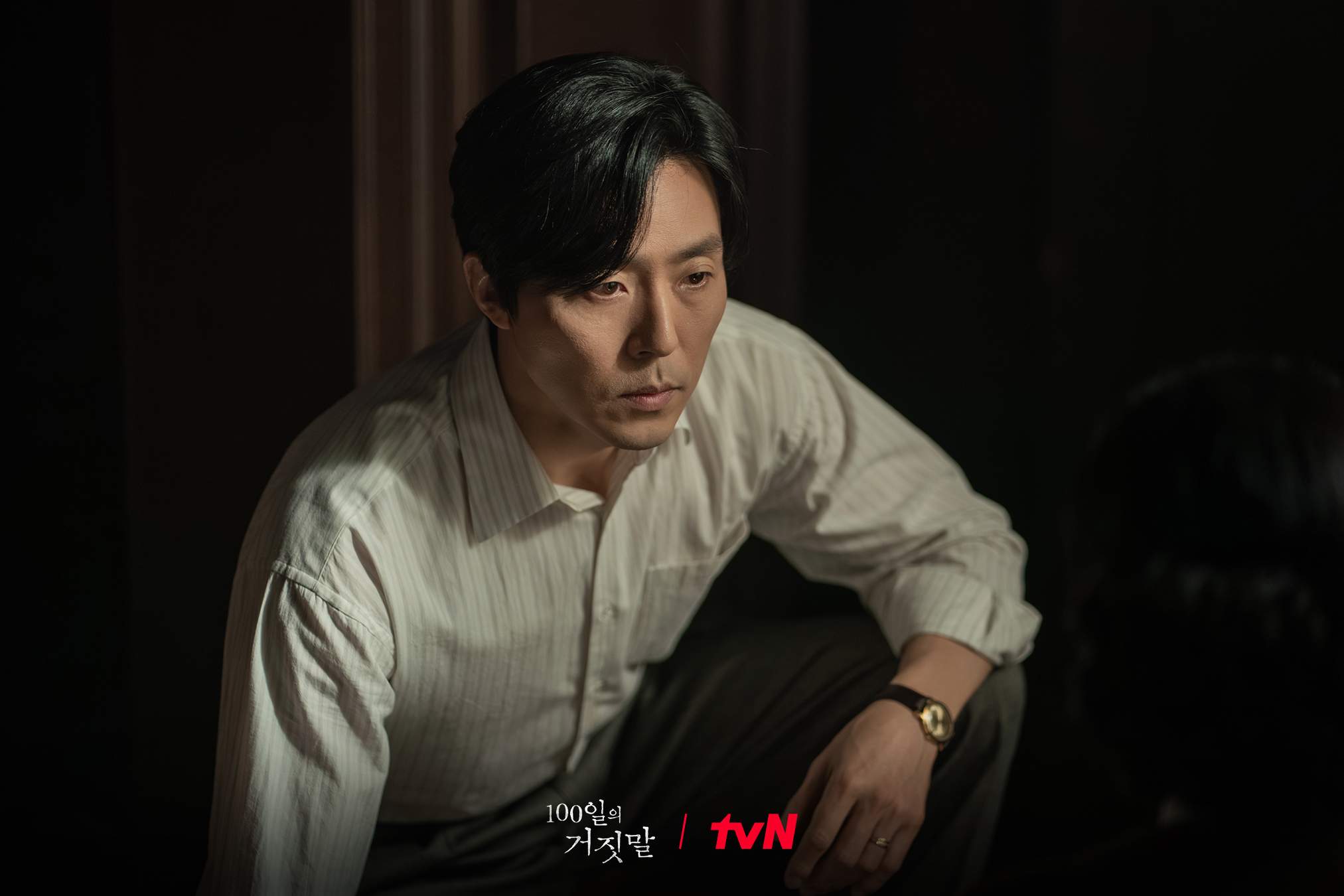
The story takes place during Japan’s occupation of Korea, a real historical period from 1910 to 1945. That context matters: Ga-kyung’s mission is not merely a puzzle for her to solve, but part of a larger struggle in which surveillance, collaboration and resistance carry life-changing consequences. The series is a fictional drama, so individual characters and plot events should not be mistaken for documentary history; its historical backdrop nevertheless gives the espionage story a serious political frame.
For viewers who enjoy period dramas, the appeal lies in the collision between intimate emotion and public danger. A seemingly small choice—what to say, which name to use, whom to protect—can affect a mission or put another person under suspicion. The setting also makes the characters’ dreams of escape and freedom feel more urgent than a typical workplace or social rivalry.
The early ratings are promising, but they are not the whole story
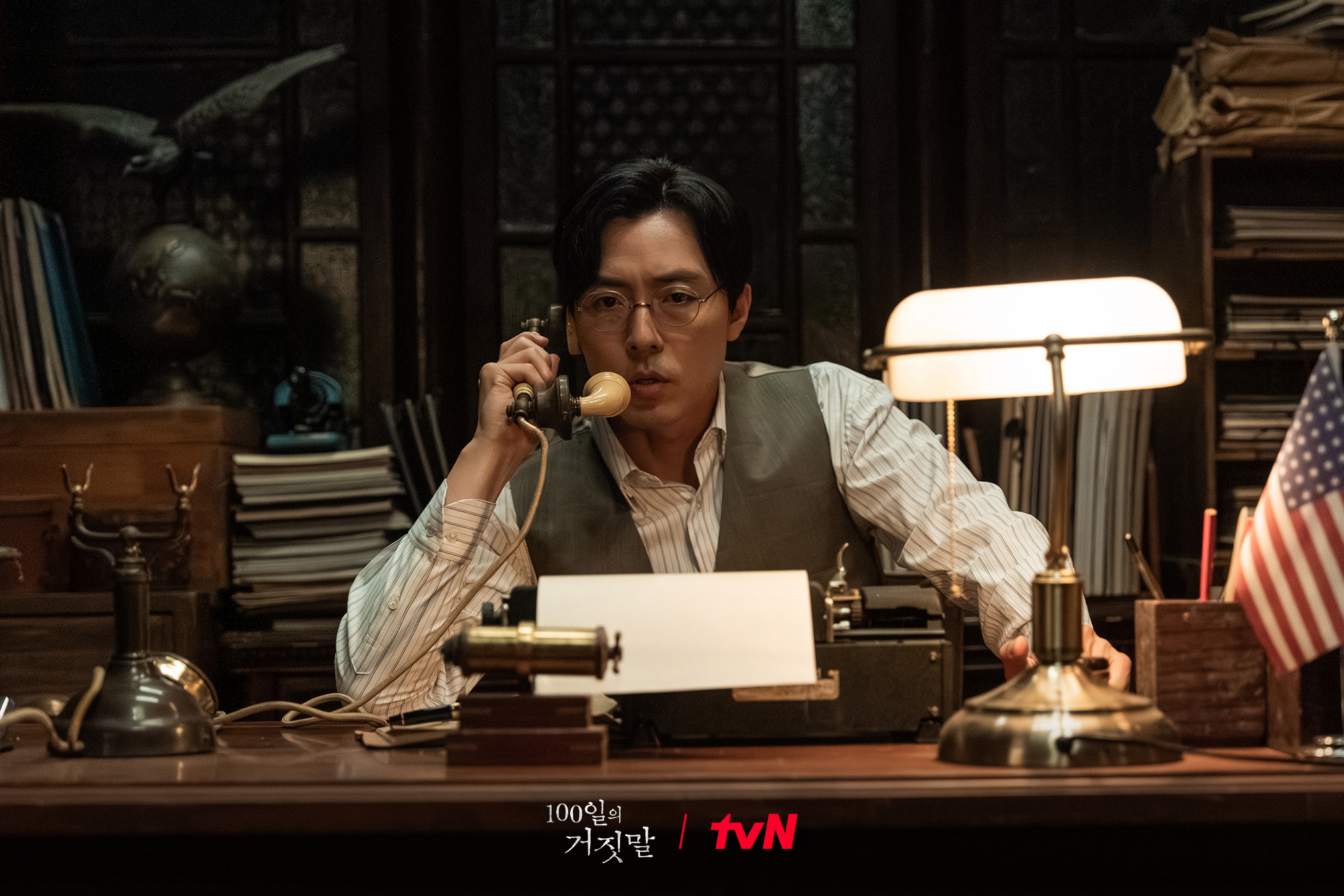
According to Nielsen Korea figures reported by Soompi, the premiere on October 10 averaged 5.3% nationwide, while Episode 2 on October 11 rose to 7.6% and placed first in its time slot among cable channels. Those numbers suggest that the drama made a strong early impression in South Korea. They do not, by themselves, prove global Netflix viewership or guarantee that the series will keep growing. Soompi’s premiere report and its Episode 2 ratings report provide the published context.
That distinction matters for international audiences. Korean television ratings measure domestic broadcast performance, while Netflix’s global rankings and viewing data follow different systems. Until comparable platform data is published, it is more accurate to say that the series has started strongly on tvN than to claim it is already dominating every Netflix market.
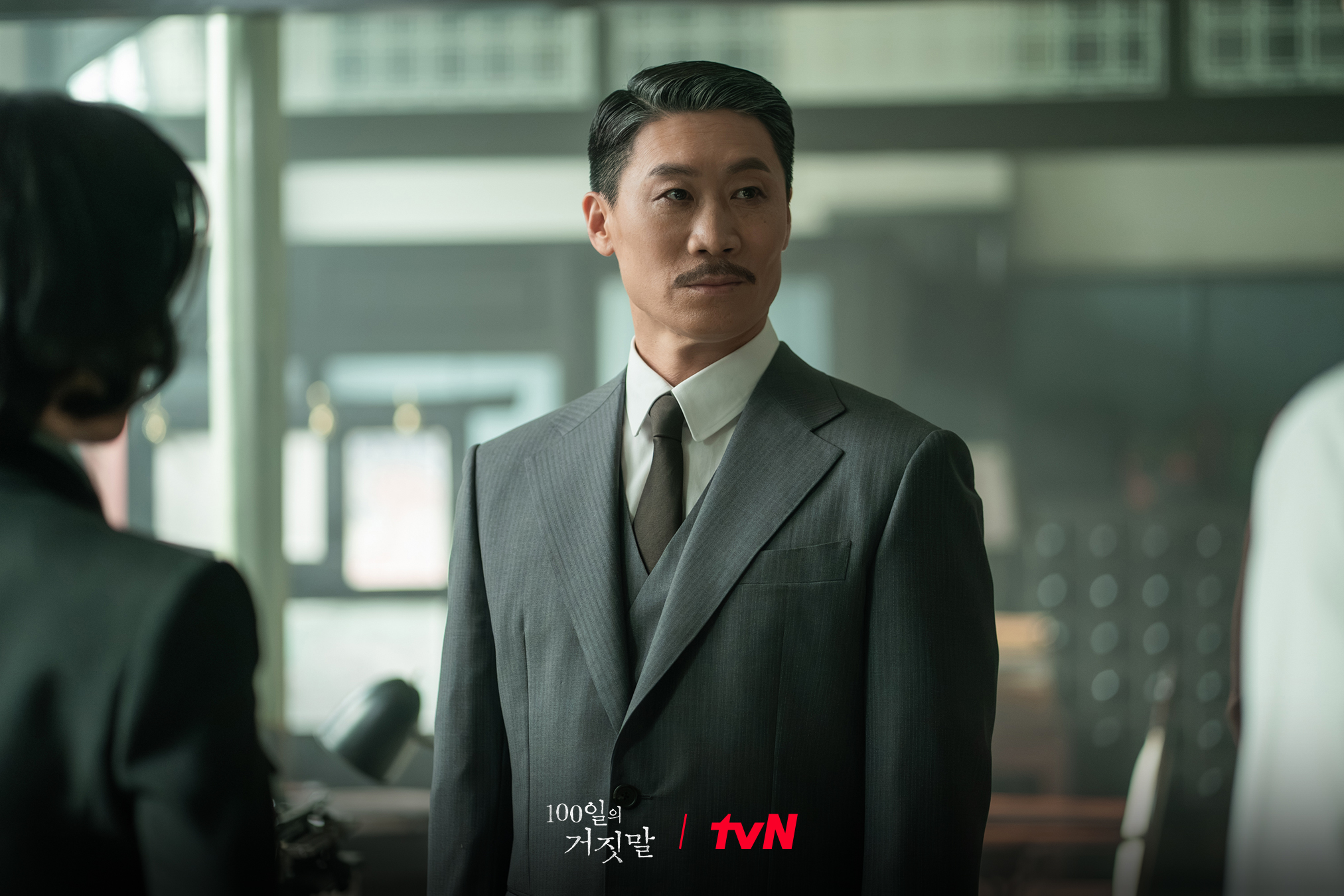
What could keep viewers watching?
- A clear countdown: the 100-day assignment gives the story urgency and a natural structure.
- Compromised identities: characters are not always able to reveal who they are or what they want.
- Romance with consequences: emotional closeness can threaten an operation rather than simply make it easier.
- A larger political story: the resistance plot gives individual decisions stakes beyond the central couple.
- An ensemble with competing motives: supporting characters can shift the balance of trust and danger.
The series still has to sustain those elements over its full run. A compelling premise is only the beginning; the writing must keep its twists coherent, give secondary characters meaningful choices, and avoid making every episode depend on a last-minute misunderstanding. If it can do that, its combination of romance, history and espionage has room to develop beyond the initial hook.
Watch the official trailer
For viewers who want to sample the show before starting, use the official trailer on Netflix’s series page. The trailer is promotional footage, not a substitute for episode context.
Watch the official 100 Days of Deception trailer on Netflix
Quick answer: Why is 100 Days of Deception attracting attention?
The drama combines a time-limited undercover mission, a romance complicated by secrets, and a historical setting where the consequences of betrayal are serious. Its first two tvN episodes also posted rising domestic ratings, with Episode 2 averaging 7.6% nationwide, according to figures reported by Soompi.
Frequently asked questions
Where can viewers watch 100 Days of Deception?
The series is listed on Netflix’s official title page. Availability and release timing can vary by region.
Who stars in 100 Days of Deception?
The main cast includes Kim You-jung, Park Jin-young and Kim Hyun-joo, alongside Lee Mu-saeng and Jin Sun-kyu.
What is the story about?
Set in 1932 Gyeongseong, it follows pickpocket Lee Ga-kyung as she accepts an undercover mission connected to the Korean independence movement and becomes entangled with interpreter Kim Tae-woong, also known as Sato Hideo.
Is 100 Days of Deception based on real events?
It is a fictional drama set against the real historical context of Japanese colonial rule in Korea. Its specific characters and plot should not be treated as a factual account of actual events.
Did the show’s ratings rise in Episode 2?
Yes. Soompi, citing Nielsen Korea, reported an average nationwide rating of 5.3% for the premiere and 7.6% for Episode 2 on tvN. These are South Korean broadcast ratings, not Netflix global viewership figures.
More from 100 Days of Deception
- Episode 2 ratings: why the drama rose to 7.6%
- Episode 2 ending explained
- Cast guide: who plays Ga-kyung, Hideo and So-ran?
Sources: Netflix official series page; Soompi premiere ratings report; Soompi Episode 2 ratings report.
Image credit: tvN stills published by Soompi. Images belong to their respective copyright holders; confirm commercial reuse permissions before publication.


