

By Shivam Das | Updated October 13, 2026
100 Days of Deception has drawn an early comparison with Mr. Sunshine, but the important distinction is this: The Korea Times did not formally declare the new series “the new Mr. Sunshine.” In its October 13 review, the newspaper said the drama brings the acclaimed 2018 series to mind because both explore colonial-era struggle and feature women who take charge of their destinies. That comparison offers a useful starting point for understanding what this new period spy romance is doing—and what it still has to prove.
What The Korea Times actually said
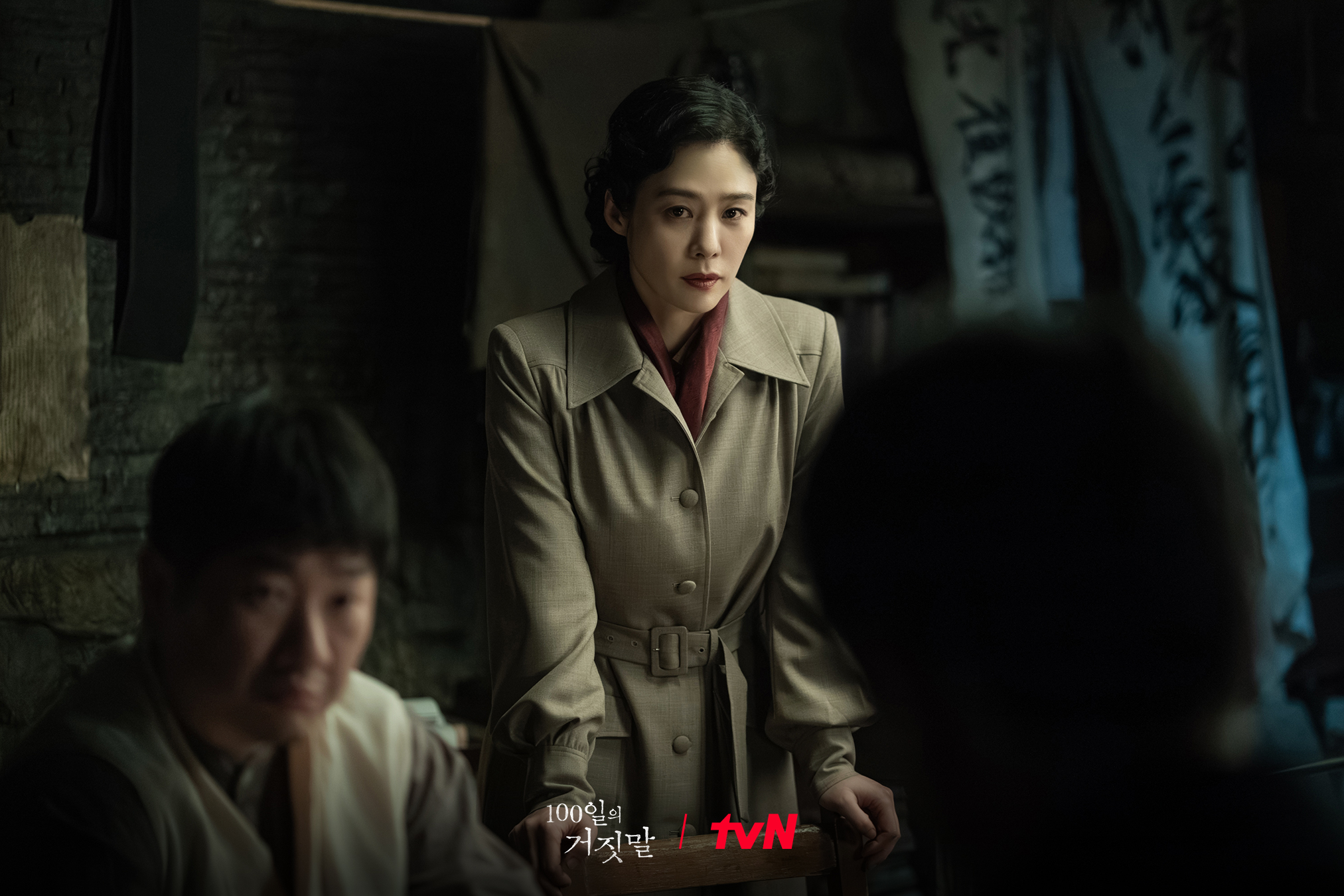
In the review “100 Days of Deception blends intrigue with historical resonance,” critic Park Jin-hai highlighted the show’s combination of espionage, romance and emotional storytelling. The review noted that the first two episodes had pushed domestic viewership above 7 percent and described Kim Hyun-joo’s Episode 2 work as an “acting masterclass.” It then compared the drama’s colonial setting and determined female lead with Mr. Sunshine.
That is meaningful praise, but it is not the same as saying the two series are identical or that the new drama has already achieved the older show’s legacy. A careful reading separates the critic’s actual argument from a punchier headline: the comparison is about themes, historical atmosphere and female agency—not a definitive ranking.
Where the Mr. Sunshine comparison makes sense
Both dramas place characters inside the political pressure of Korea under Japanese colonial rule. In 100 Days of Deception, the story is set in 1932 Gyeongseong and follows Lee Ga-kyung, a skilled pickpocket who agrees to infiltrate the Japanese Government-General as an undercover operative. Her goals are initially personal as well as political, which gives the series room to explore survival, ambition and resistance without reducing every character to a single motive.
Mr. Sunshine is a natural reference point for viewers who value period dramas that connect intimate relationships with a nation’s history. But historical setting alone does not make two series equivalent. Their pacing, character arcs, visual choices and emotional payoffs must be judged on their own terms as more episodes arrive.
The emotional engine: So-ran, Philip and a mission that hurts
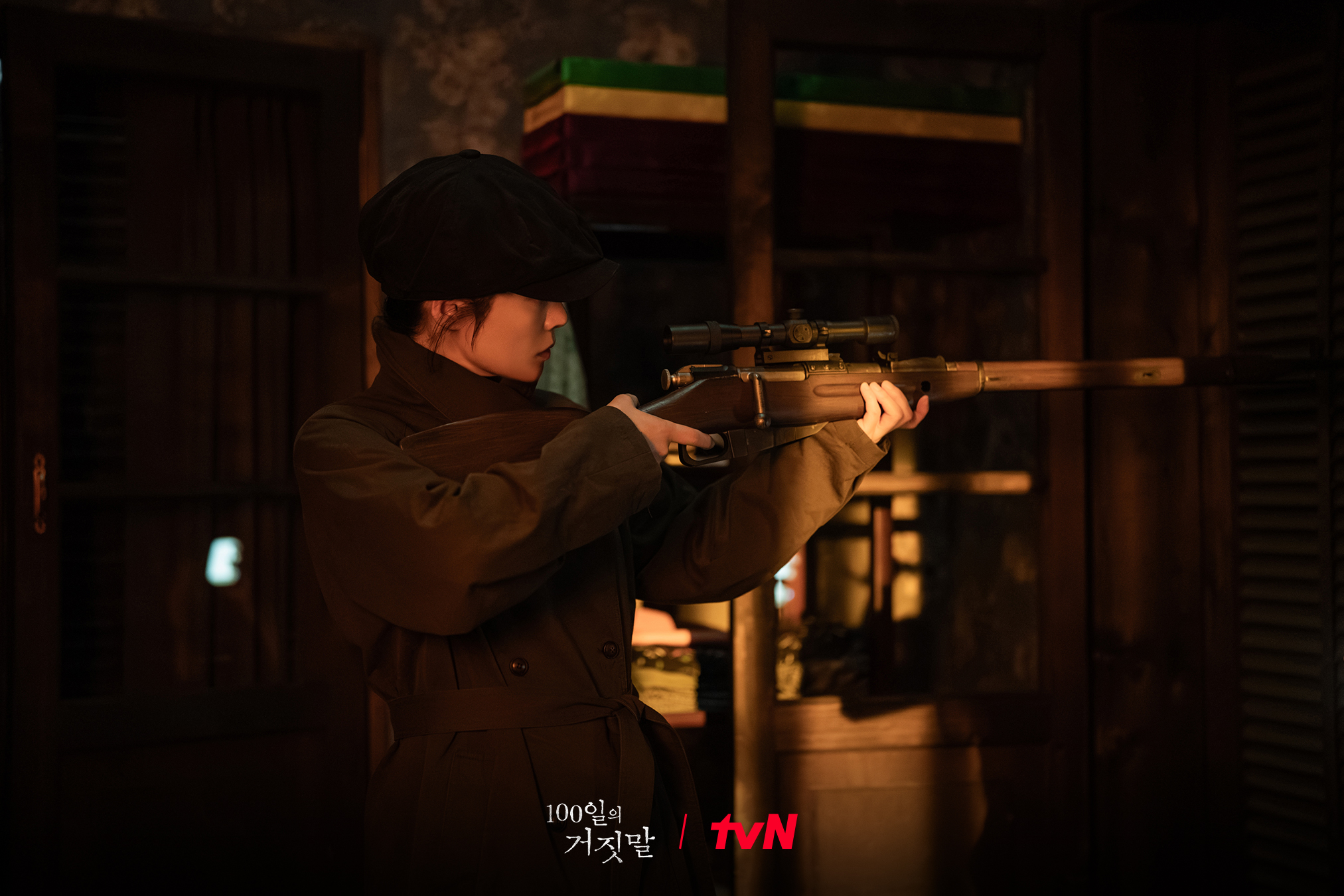
The strongest evidence for the drama’s early critical interest is its treatment of Yoo So-ran. The Korea Times review describes her as a resistance sniper who has endured the loss of her daughter and years of uncertainty about her husband. Her plan to assassinate a senior colonial official becomes more complicated when she encounters her long-lost husband during a banquet.
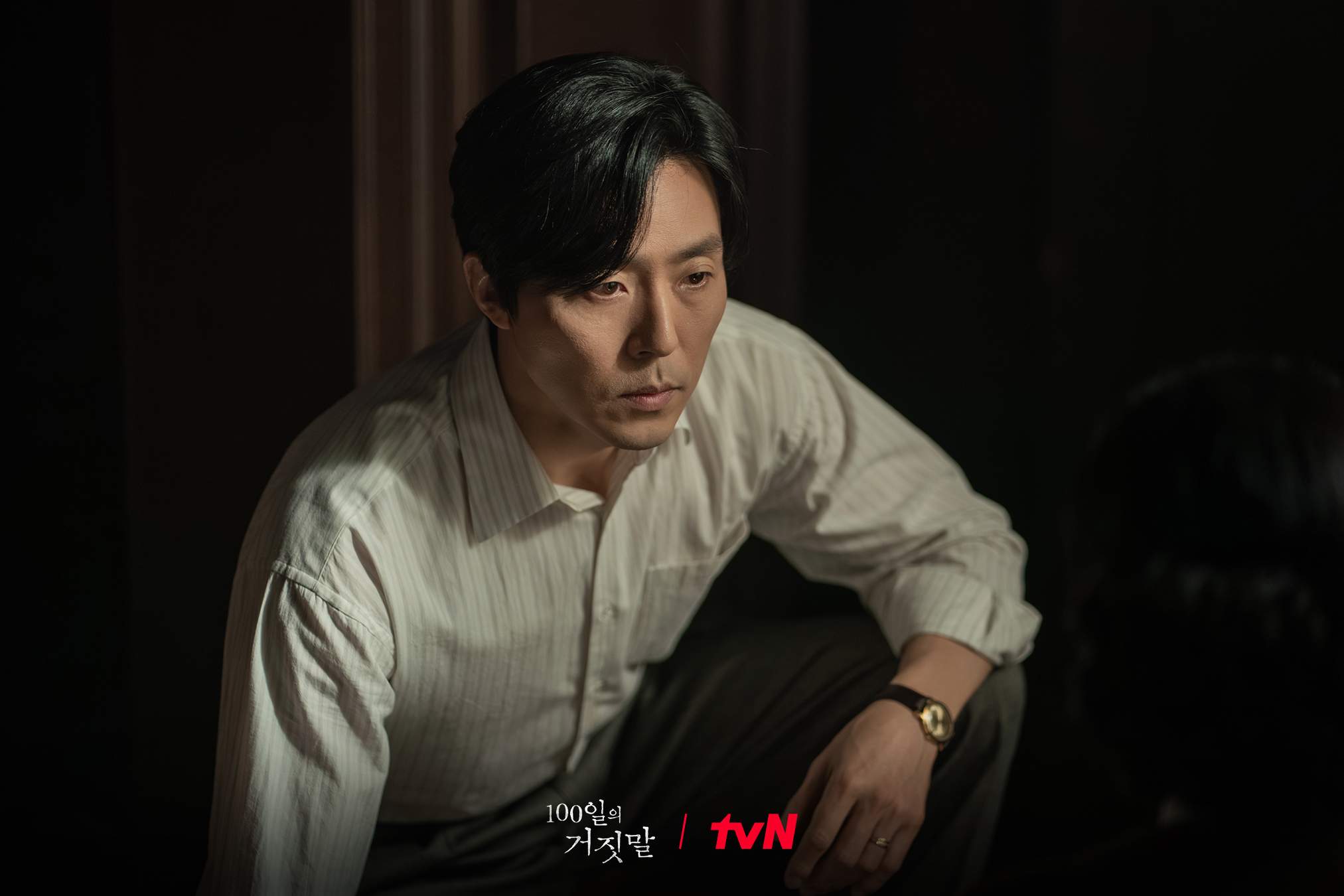
The scene raises the stakes because the threat is not merely tactical. So-ran must protect her cover while confronting a past she has tried to survive. Meanwhile, Philip’s quiet devotion complicates the marriage of convenience between them. That tension gives the spy plot an emotional center rather than making it a sequence of disguises and dangerous meetings.
A second source of tension: Hideo and his adoptive father
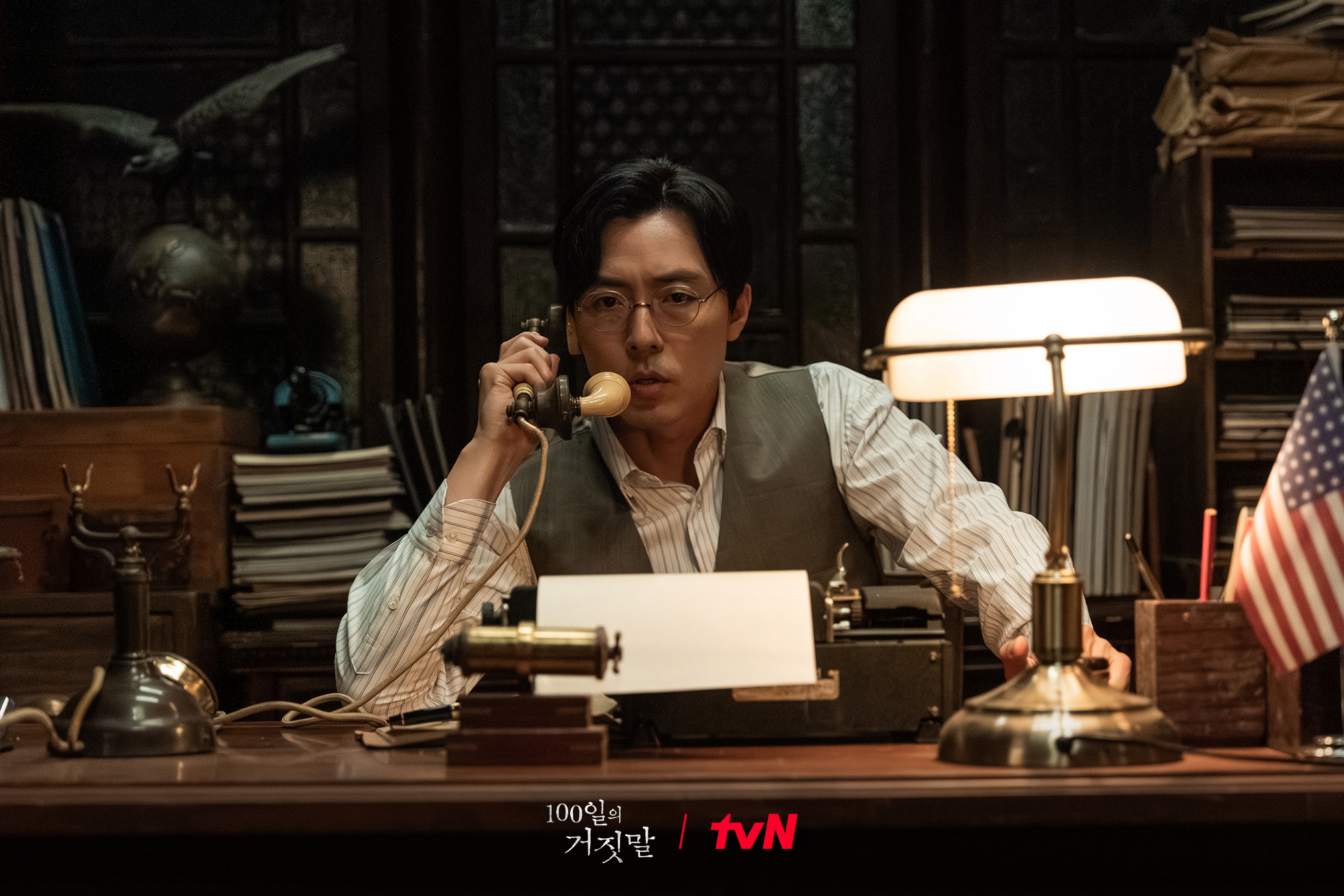
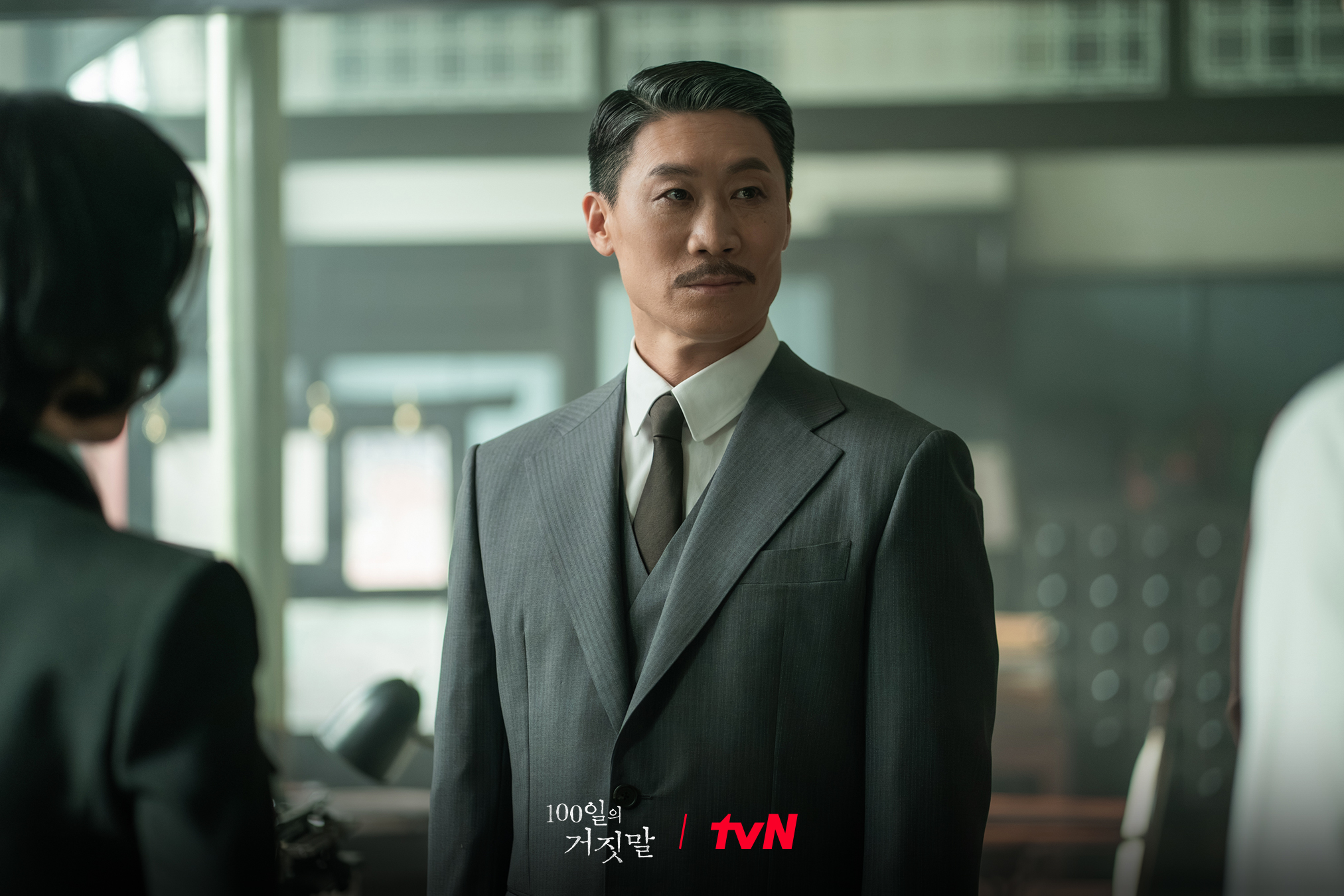
The review also points to the fraught relationship between Sato Hideo and his adoptive father, Sato Shinichi. Hideo wants recognition from a powerful official, yet their relationship is marked by coercion and danger. The moment Shinichi points a gun at Hideo conveys the power imbalance without requiring an explanatory speech.
This is where the series can build an identity beyond comparison. Its characters are not divided neatly into heroes and villains; they are caught between ambition, self-preservation, love and political reality. Whether those conflicts develop with enough depth over the full season will matter more than any early label.
Historical atmosphere is a promise, not a guarantee
The Korea Times’ earlier production coverage reported that the creative team faced challenges recreating the period because few original buildings and locations remain. The director said the production worked to avoid straying far from historical memory. That effort matters: period detail can help viewers feel the pressure of a particular time, but authenticity also depends on how responsibly a story handles the people and history it depicts.
For viewers comparing the drama with Mr. Sunshine, the fairest approach is to watch for more than costumes and cinematography. Look at how the show depicts resistance, whether its characters’ decisions feel earned, and whether the personal story deepens rather than distracts from the historical setting.
Early ratings and critical praise: what can be concluded?
The Korea Times reported that the series passed a 7 percent domestic viewership rating within its first two episodes. That is an encouraging start, and the review’s praise indicates that at least one major outlet sees promise in the performances and storytelling. It does not, by itself, establish a long-term hit or guarantee international ranking success. Ratings, streaming rankings and critical reception measure different things and should not be treated as interchangeable.
The best current conclusion is measured optimism: 100 Days of Deception has a compelling premise, a strong ensemble and an emotional thread that gives its espionage plot weight. The comparison with Mr. Sunshine is useful context, but the series will have to earn its own reputation episode by episode.
Quick answer: Did The Korea Times call it the new Mr. Sunshine?
Not exactly. The Korea Times said 100 Days of Deception brings Mr. Sunshine to mind because both dramas explore Korea’s colonial-era struggle and feature determined female protagonists. That is a thematic comparison, not an official declaration that the new series has replaced or surpassed the 2018 drama.
Frequently asked questions
Why is 100 Days of Deception being compared with Mr. Sunshine?
Both are period dramas shaped by Korea’s colonial history, and both connect political conflict with characters who make difficult personal choices.
What did The Korea Times praise most?
The October 13 review highlighted the drama’s mix of espionage and emotional storytelling, including Kim Hyun-joo’s performance as Yoo So-ran in Episode 2.
Who stars in 100 Days of Deception?
The cast includes Kim You-jung, Park Jin-young, Kim Hyun-joo, Lee Moo-saeng and Jin Sun-kyu, according to Netflix’s official series page.
Where can I watch 100 Days of Deception?
Check Netflix’s official title page for availability in your country.
Sources and further reading
- The Korea Times: Review of 100 Days of Deception
- The Korea Times: Production background and historical setting
- Soompi: Cast and character details
- Netflix: Official series page
Discuss the drama
Join the audience discussion below. Fan comments represent individual opinions, not a verified poll or official production statement.
100 Days of Deception Episode 2 discussion


