

By Shivam Das | October 13, 2026
100 Days of Deception builds suspense around false identities, hidden loyalties and the cost of surviving under colonial rule. One of its most revealing ideas is the name “Seo-hee,” the identity Lee Ga-kyung uses while infiltrating the Japanese Government-General. When an assumed name enters a tense conversation, it can sound like a small detail—but in a spy story, a name can expose how much another person knows, suspects or chooses to conceal.
Quick answer: The emotional weight of “Seo-hee” comes from the gap between Ga-kyung’s public cover and her private self. The name represents both protection and vulnerability: the closer other characters get to the person behind it, the harder it becomes to keep the mission separate from real feelings and trust.
Why a name matters in a story built on deception
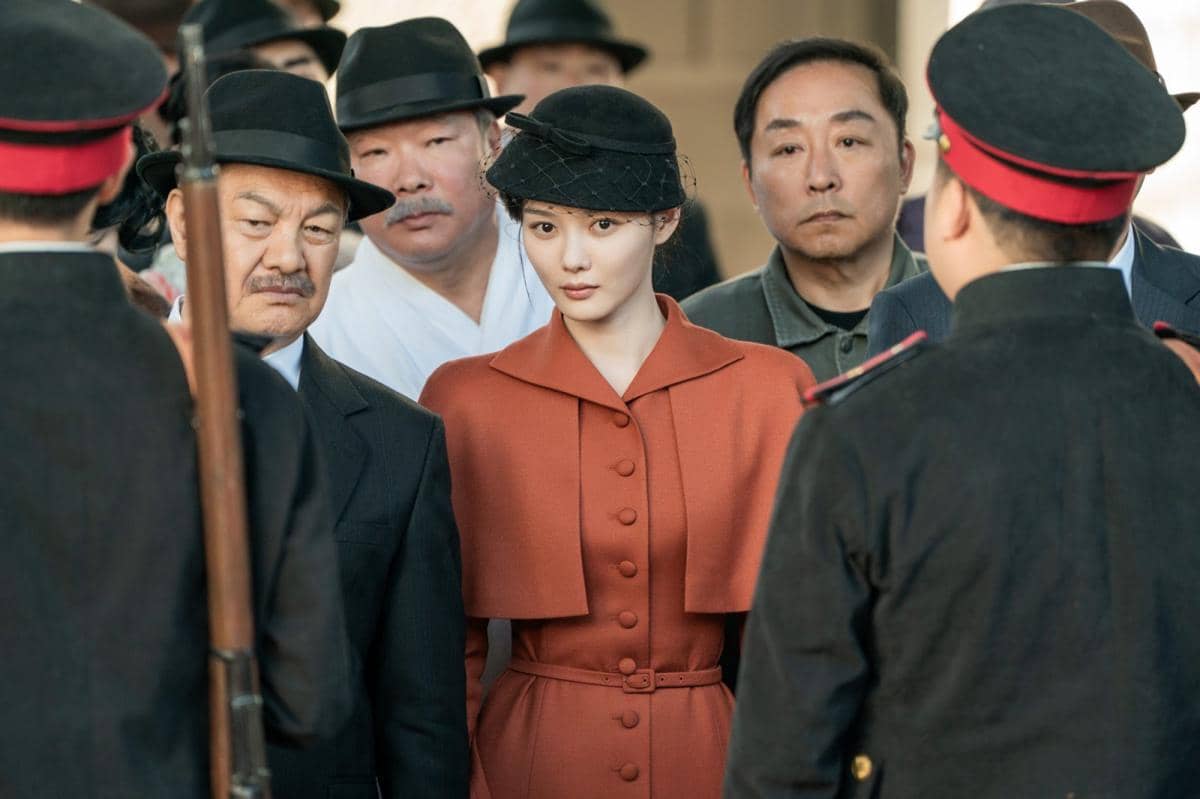
Ga-kyung enters the Government-General under an assumed identity, posing as an interpreter trainee. The alias is practical: it gives her a way into the institution she has been tasked to infiltrate. But a cover identity is never merely a label. It dictates how a person speaks, what details they can safely reveal and which relationships must remain carefully staged.
That is why “Seo-hee” can carry more meaning than a routine form of address. It reminds viewers that Ga-kyung is living in two roles at once. The name protects her, yet every person who uses it also helps sustain the performance on which her mission depends. If someone says it with unusual familiarity—or appears to know more than the cover allows—the same name can become a warning.
Ga-kyung’s safety depends on controlling what others believe
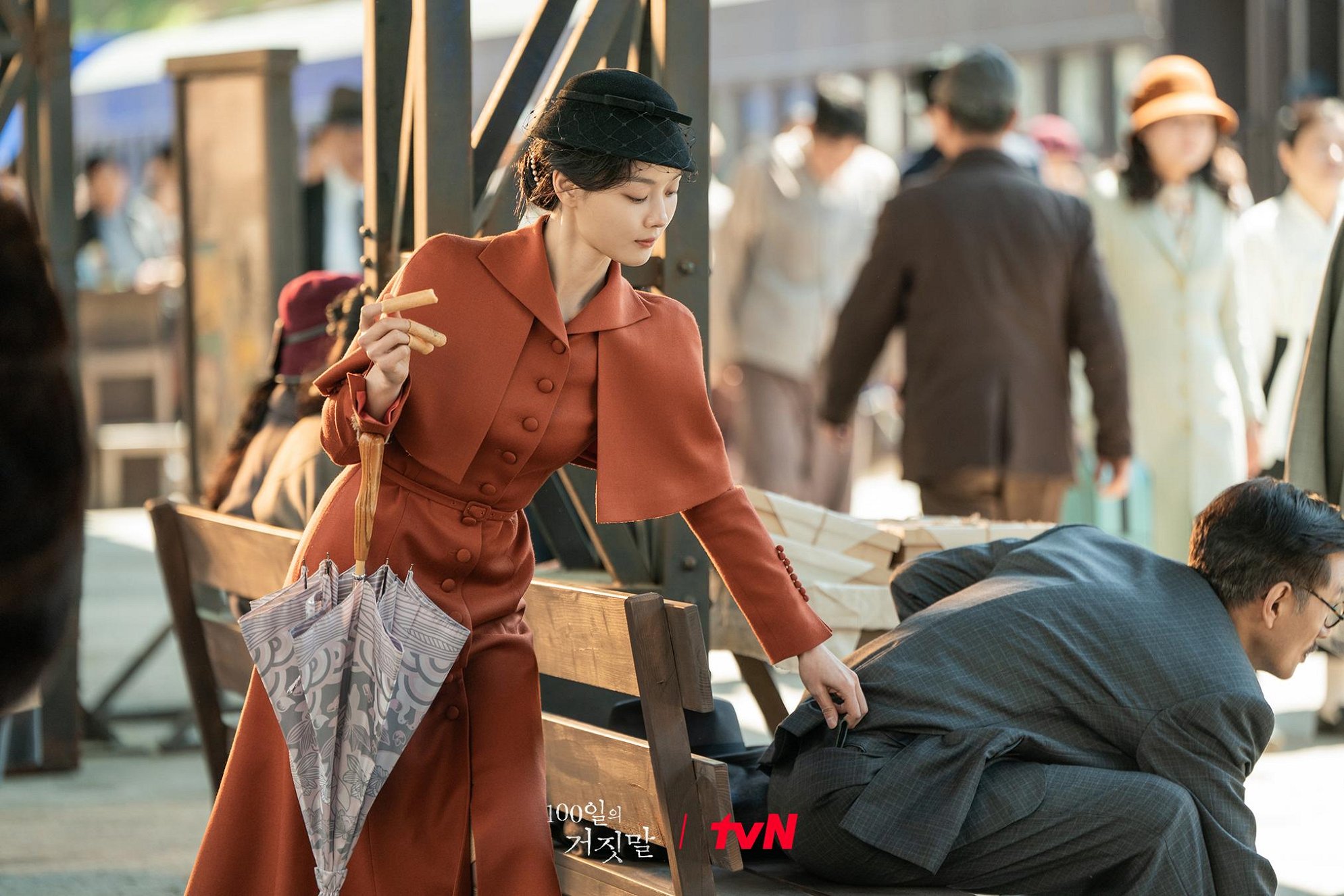
Published coverage describes Ga-kyung as a skilled pickpocket who accepts a dangerous assignment from the independence movement and infiltrates the Government-General. Her reasons are personal as well as political: she dreams of getting out of Gyeongseong, but the mission draws her into a conflict far larger than one escape plan.
Her assumed identity is therefore a fragile kind of safety net. It can open doors, but it also makes every interaction a test. A misplaced reaction, a detail remembered incorrectly or an unexpected connection to another character could put her at risk. The tension comes from watching her decide, moment by moment, which parts of herself to hide.
Trust is dangerous when everyone has something to hide
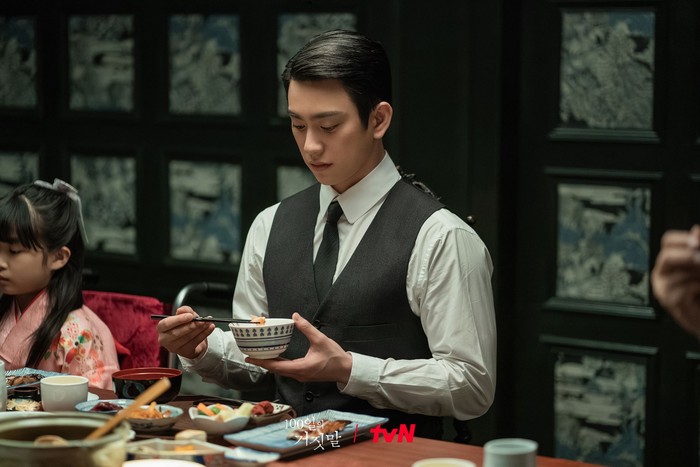
The drama’s central relationships are shaped by uneven knowledge. Ga-kyung may be concealing her mission, while Hideo’s own identity and loyalties are complicated by his upbringing and position. Their scenes work because neither character can assume that attraction, curiosity or kindness means the other person is being fully honest.
In that context, using an alias can feel intimate as well as strategic. It shows that a character is engaging with the version of Ga-kyung the world is allowed to see. Whether the name is spoken as a routine reference, a test or a sign of recognition depends on the scene’s exact context; viewers should be careful not to treat a single line as proof that a character has uncovered the whole operation.

Why the emotional stakes go beyond romance
It would be easy to read every exchange between Ga-kyung and Hideo only as romantic tension. The historical setting gives their choices a wider meaning. Ga-kyung’s undercover work takes place under a colonial administration, and the resistance mission puts her in a position where personal safety can conflict with collective responsibility. The emotional question is not simply whether she can trust one person; it is whether she can afford to trust anyone.
The show’s premise also makes identity a question of power. Officials can demand names, documents and explanations, while an undercover operative survives by deciding what to reveal. A name like Seo-hee sits at that intersection: it gives Ga-kyung a place in the system, but it also reminds her that the place is built on a lie she must keep performing.

What viewers should watch for next
- Who uses the alias: Notice whether a character says “Seo-hee” casually, formally or in a moment of pressure.
- What the speaker knows: A name alone does not prove that someone understands Ga-kyung’s real mission.
- Ga-kyung’s reaction: A pause, a correction or a change in tone may reveal how carefully she is managing the cover.
- The cost of the disguise: The longer she lives under an assumed identity, the harder it may become to separate survival from genuine connection.
These are useful ways to read the drama without turning speculation into fact. The series has established that Ga-kyung is undercover and that her relationship with Hideo is entangled with suspicion. The precise meaning of any particular exchange should be judged against the episode itself, not assumed from a fan theory or a clipped social-media edit.
Frequently asked questions
Who is Seo-hee in 100 Days of Deception?
Seo-hee is the assumed identity used by Lee Ga-kyung as part of her undercover work. She infiltrates the Japanese Government-General while posing as an interpreter trainee.
Why is Ga-kyung using a false identity?
She takes on an assignment for the Korean independence movement. The disguise allows her to enter an institution that would otherwise be inaccessible to her.
Does someone using the name Seo-hee mean Ga-kyung has been exposed?
Not by itself. The meaning depends on who says it and what that person knows. A name can be part of maintaining the cover, testing it or creating dramatic tension, but it is not proof on its own that the mission has been discovered.
Where can I watch 100 Days of Deception?
Check the official Netflix title page for availability in your region.
Official preview and episode discussion
tvN shared an official preview post for the drama’s first episodes. It provides production context, though it does not independently confirm every fan interpretation of the “Seo-hee” moment.
View the official tvN post on X
Sources and further reading: Netflix official series page; Soompi’s Episode 3 preview coverage; Soompi’s character and undercover-premise coverage; The Korea Times review.


