

By Shivam Das | Updated October 13, 2026
100 Days of Deception blends historical tension, undercover missions and slow-burn romance. Calling it “Asia’s new Netflix addiction” is an editorial description of its appeal, not a verified regional ranking. Available sources confirm that the series is streaming and has received entertainment coverage; they do not prove that it is the most-watched show across Asia.
Set in Japanese-occupied Gyeongseong in 1932, the story follows Lee Ga-kyung, a skilled pickpocket recruited into an independence operation, and interpreter Sato Hideo, whose identity and loyalties complicate the mission. A parallel storyline follows resistance sniper Yoo So-ran and journalist Yoo Philip. Netflix’s official listing confirms the premise and principal cast, while Soompi’s cast preview outlines the characters’ connected missions and relationships.
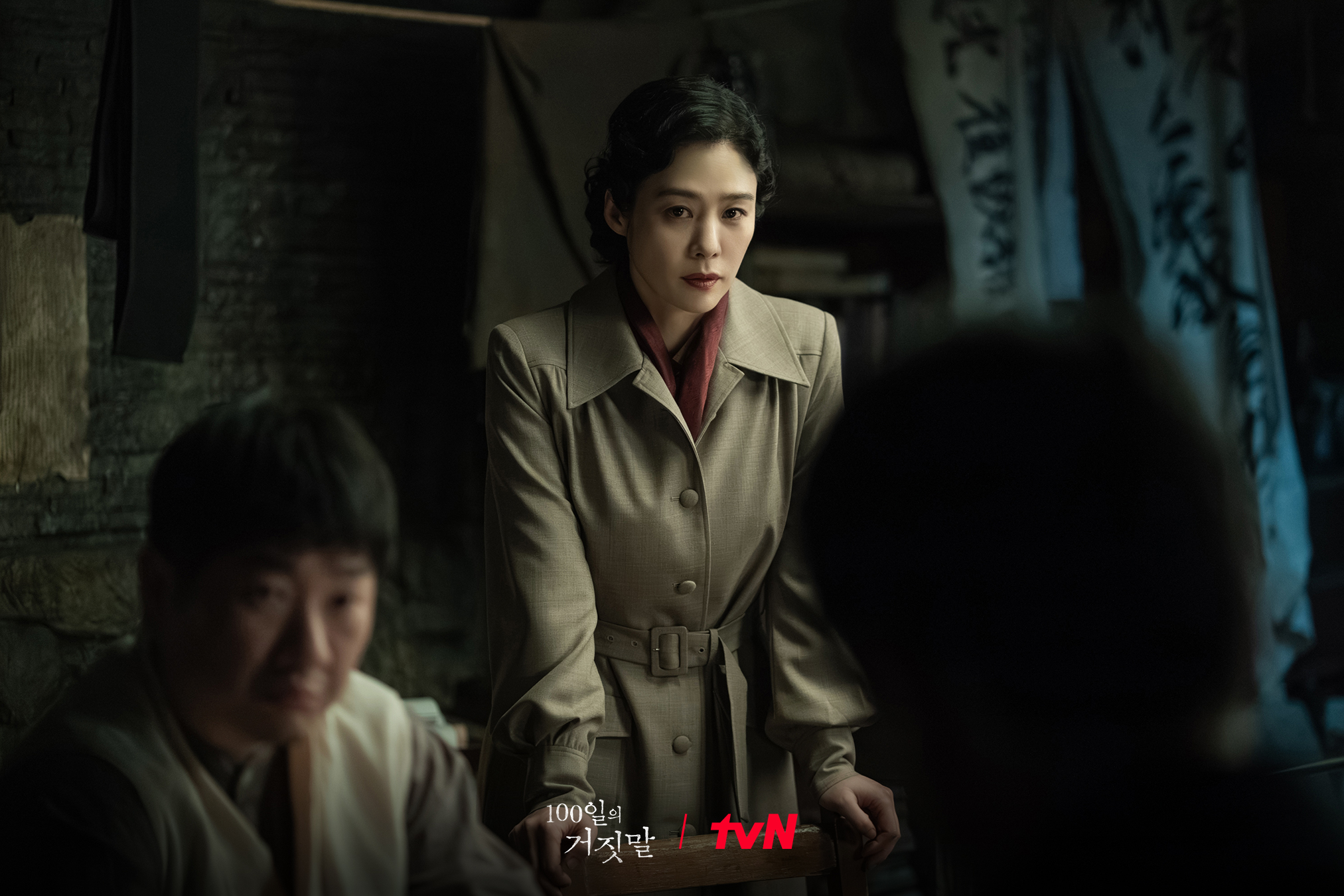
Why the premise reaches beyond a conventional romance
The hook is not romance alone. Ga-kyung’s infiltration places her inside the colonial government, where language, class and identity become tools for survival. Hideo’s position as an interpreter and adopted son of a powerful official adds another layer: he is close to the institution the resistance seeks to undermine, but his past makes his loyalties difficult to reduce to a simple label.
This setup gives different audiences a way into the story. Thriller fans can follow the undercover mission, period-drama viewers can focus on the political hierarchy, and romance audiences can track relationships developing under pressure. These overlapping genres can encourage conversation, although they do not automatically prove a measurable hit in every country.
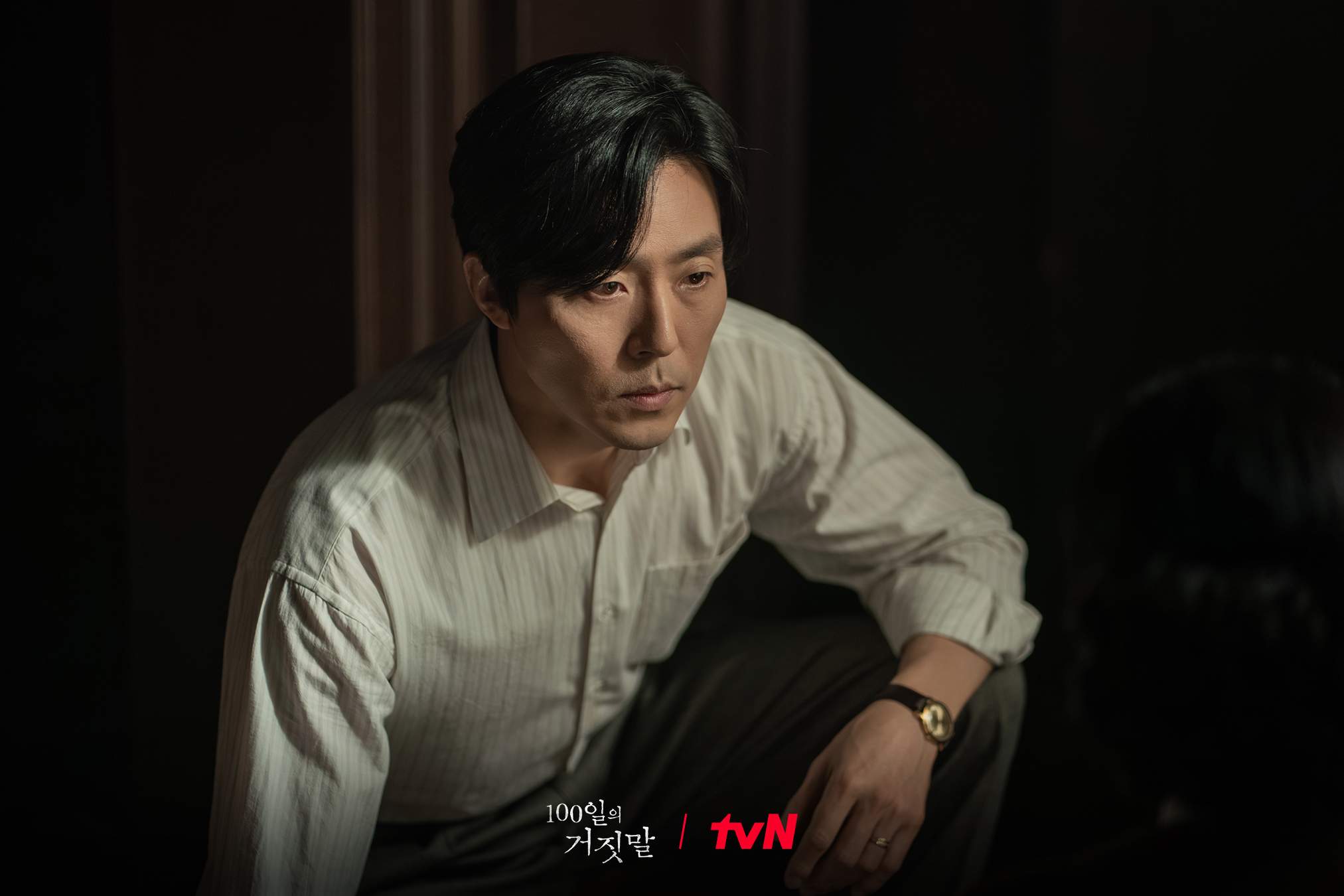
The historical setting raises the stakes
Set during Japan’s colonial rule of Korea, the drama uses a period marked by political repression and resistance as its backdrop. An exposed identity can endanger a mission, while a seemingly small act of cooperation may carry a larger cost. That context gives the characters’ decisions consequences beyond a private love triangle.
The series is still a fictional drama, not a documentary. Its invented characters and plot twists should be distinguished from documented history, especially when discussing real events, institutions or the Korean independence movement.
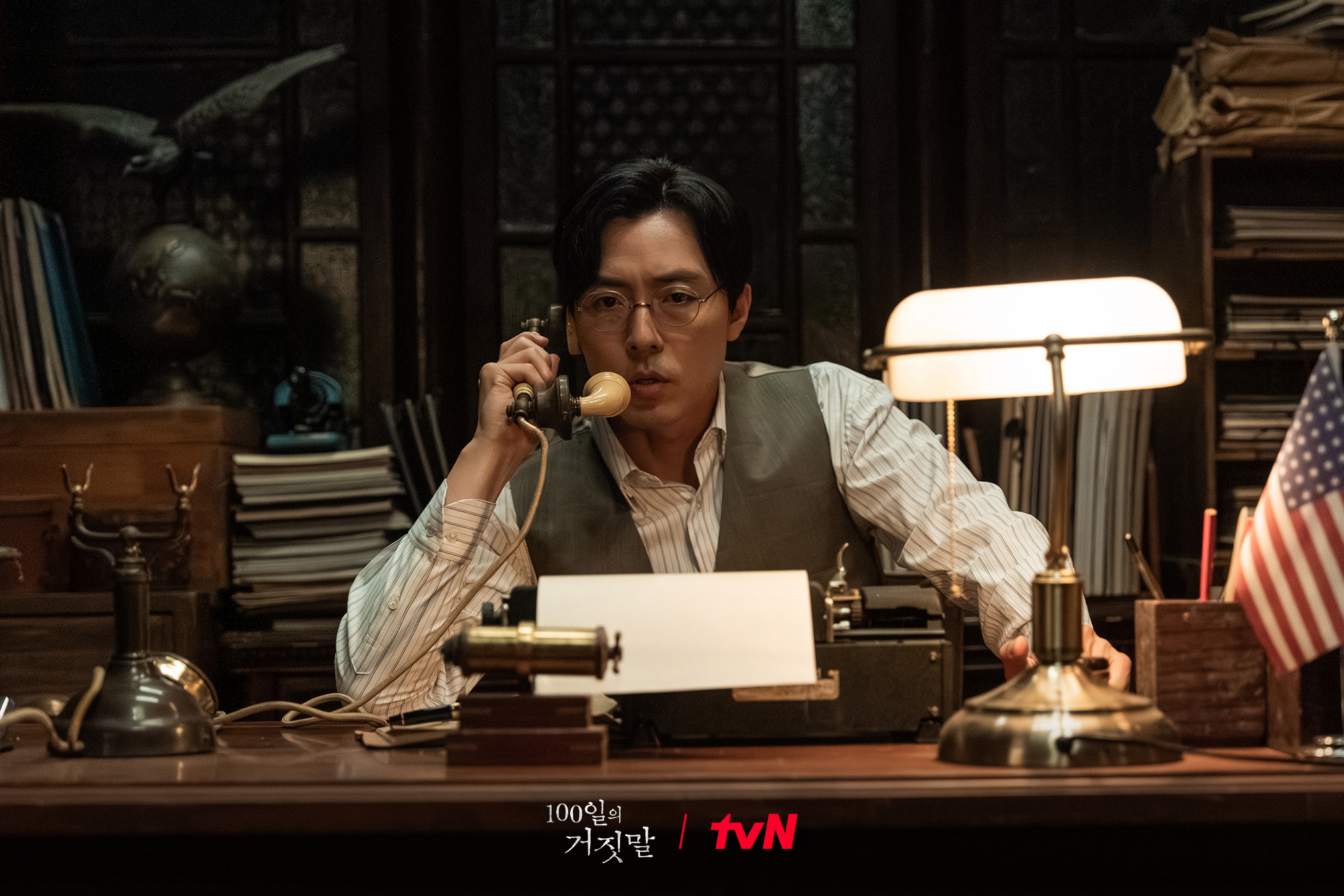
What could turn curiosity into sustained viewing?
- Character secrets: The characters’ pasts and loyalties give viewers reasons to keep watching.
- Interconnected missions: Ga-kyung’s infiltration and So-ran’s assassination plan create storylines that can collide.
- Romantic tension: Relationships develop in a setting where trust can become a security risk.
- Period production design: Costumes and formal government interiors establish the atmosphere of 1930s Gyeongseong.
These are storytelling strengths, not proof of a specific ranking. To assess whether the drama is leading in Asia, look for dated Netflix Top 10 country lists and reputable reporting that identifies the measurement period. A viral clip or enthusiastic fan thread can signal interest, but neither substitutes for audience data.

How to check whether a Netflix drama is genuinely trending
Netflix’s public Top 10 pages are a more defensible starting point than unsourced claims that a show is “taking over Asia.” Rankings vary by country and week, so a title may perform strongly in one market without leading elsewhere. Ratings databases and social engagement can add context, but they measure different things and should not be treated as interchangeable.
This article does not claim a verified pan-Asian number-one position for 100 Days of Deception. The supportable conclusion is that the show has a conversation-friendly premise: espionage, a politically charged setting and relationships tested by concealed identities. Whether that curiosity becomes sustained regional success will depend on viewing trends and reliable country-level data.

Quick answer: Is 100 Days of Deception becoming a major Netflix hit in Asia?
The series has a premise suited to conversation and has received entertainment-media coverage, but “Asia’s new Netflix addiction” is not a verified ranking. To confirm regional success, check dated Netflix Top 10 results for individual countries and weeks rather than relying on viral posts or broad claims.
Frequently asked questions
What is 100 Days of Deception about?
It is a Korean period spy romance set in Japanese-occupied Gyeongseong in 1932. A pickpocket infiltrates the colonial government for the independence movement and becomes entangled with an interpreter whose identity complicates the mission.
Who stars in 100 Days of Deception?
Netflix lists Kim You-jung, Park Jin-young and Kim Hyun-joo among the principal cast, alongside Lee Mu-saeng and Jin Sun-kyu.
Is the show number one across Asia on Netflix?
This article does not verify a number-one ranking across Asia. Netflix rankings are country- and week-specific, so any such claim needs dated data from the relevant markets.
Is the drama based on a true story?
The drama uses a real historical period as its setting, but its central characters and spy-romance plot are fictional. Specific historical claims should be checked against reliable sources.
Where can I watch it?
Check Netflix’s official title page for availability in your region.
Sources and further reading
- Netflix: 100 Days of Deception — official title page
- Soompi: Cast and character preview
- Netflix Tudum: Top 10 rankings
Join the conversation
For updates, use the official series listing and verified publisher accounts rather than reposted clips with unclear origins. Read the published Soompi cast preview for the reported character details.


