

By Shivam Das | October 13, 2026
100 Days of Deception has drawn attention for more than its undercover mission and slow-burn romance. Set in Gyeongseong in 1932, during Japanese colonial rule, the Netflix and tvN drama builds tension through the everyday details of an occupied city: official offices, train platforms, formal gatherings, coded conversations and characters who must perform a public identity to survive.
Early reviews are not unanimous about how convincing every set feels, and that disagreement is worth taking seriously. The Korea Times praised the drama’s historical resonance and stylish opening, while But Why Tho? noted that some sets and costumes did not always feel fully lived-in. Taken together, those responses suggest a more useful question than whether the series is simply “authentic”: how does it use period detail to make its characters’ choices feel dangerous?
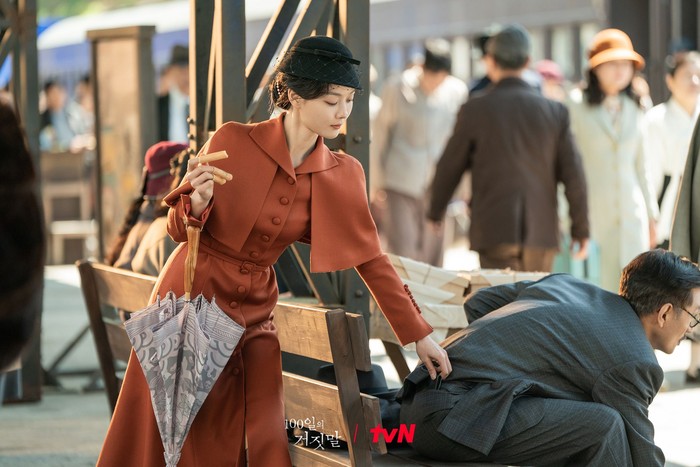
Why the 1932 setting matters to the story
The drama places its characters in 1932 Gyeongseong, the colonial-era name for present-day Seoul. It is not a neutral backdrop. The Japanese Government-General represents the authority that the resistance seeks to undermine, while public spaces such as stations and banquets create opportunities for surveillance, recruitment and betrayal.
According to The Korea Times’ October 13 review, the opening sequence uses black-and-white footage reminiscent of historical documentaries before shifting into the drama’s more energetic style. That choice signals the show’s balancing act: it wants the period to carry real historical weight while still delivering the momentum of a spy thriller.
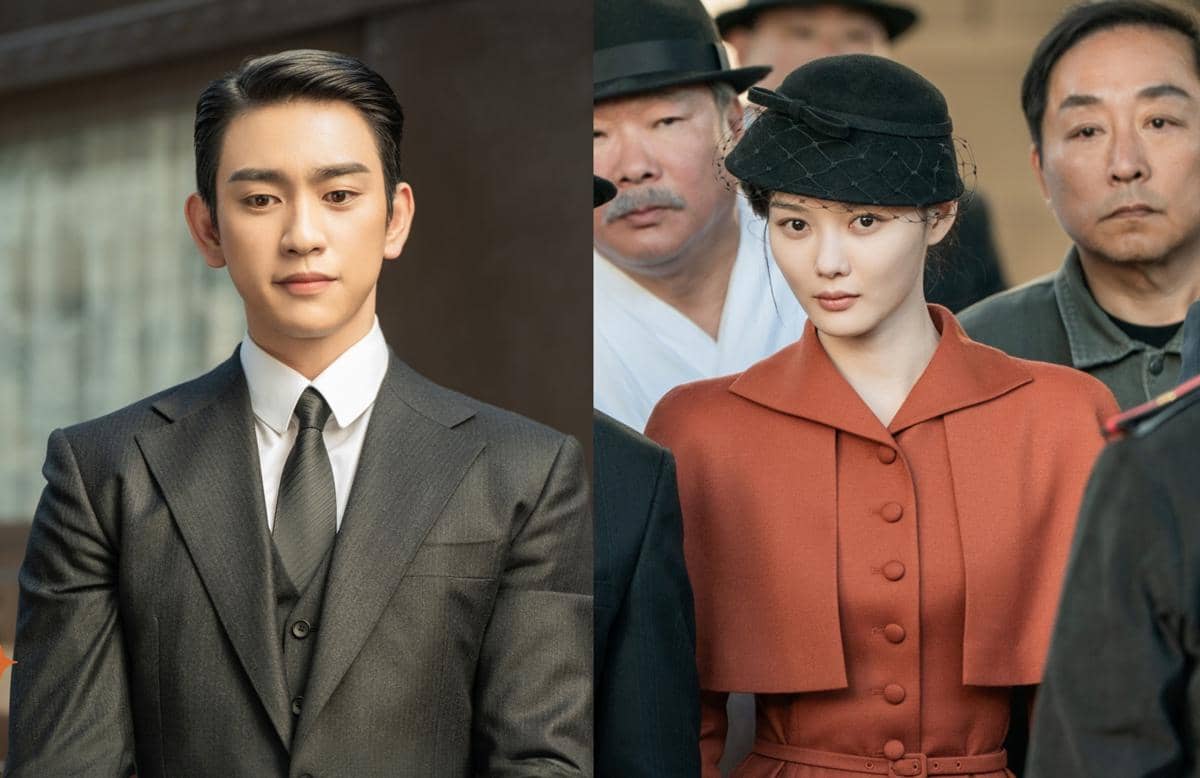
Costumes and interiors tell viewers who has power
Period styling works best when it does more than look attractive. Clothing can signal access, class, professional status or the role a character is pretending to occupy. In 100 Days of Deception, Ga-kyung’s movement from street-level survival into a government office creates a visual contrast between someone who knows how to disappear and an institution designed to classify and control people.
Interiors do similar work. A desk, a stack of documents or a formal reception room can become part of the story’s power structure. These objects do not prove historical accuracy by themselves, but they can make the characters’ risks legible. The key question is whether the details feel connected to the action rather than arranged only for a pretty frame.

The train station makes the historical world feel public—and exposed
A station is a particularly effective setting for an espionage story because it is built around movement, waiting and observation. People arrive under official scrutiny, strangers cross paths, and a character can be surrounded by a crowd without being safe. The station scenes connect the scale of the period drama to the intimate choices of its central characters.
The first stills released ahead of the premiere highlighted five characters gathering at Gyeongseong Station, each with a different purpose. Soompi’s report on those stills describes Ga-kyung’s undercover ambitions and the uneasy connection that develops between her and interpreter Kim Tae-woong, also known as Sato Hideo.
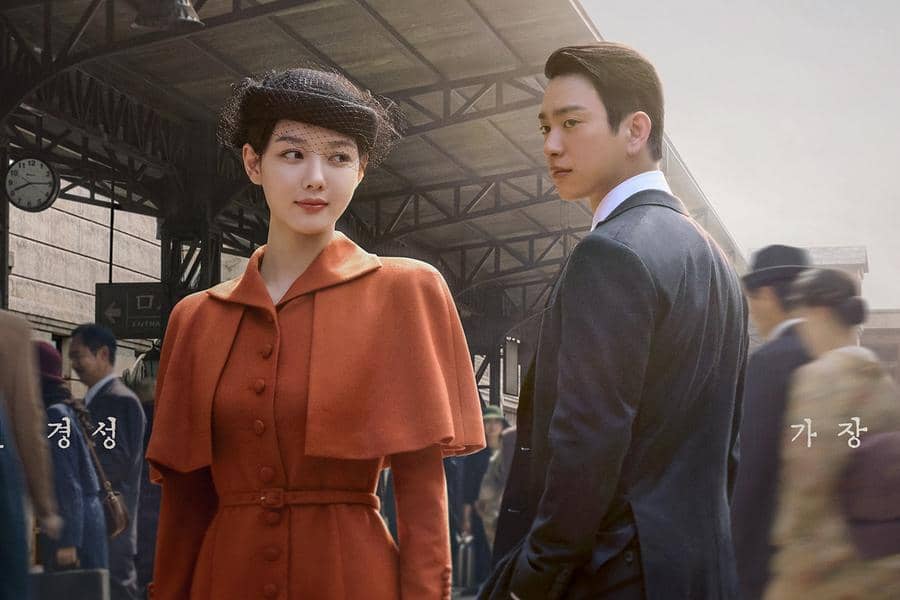
Authenticity is more than a convincing set
There is a meaningful difference between visual polish and historical authenticity. A production can use beautiful costumes and carefully dressed rooms while still making a setting feel artificial. Conversely, a scene can feel convincing because the characters behave as though the social rules around them matter: they watch their words, measure who is listening and understand that a small mistake can have consequences.
That is where the early reviews offer a useful counterpoint. The Korea Times emphasizes the drama’s historical resonance, while But Why Tho? argues that some costumes and locations do not always feel lived-in. Both observations can coexist. The show’s atmosphere may be effective at communicating danger and political tension even when individual production details remain visible as constructed television sets.
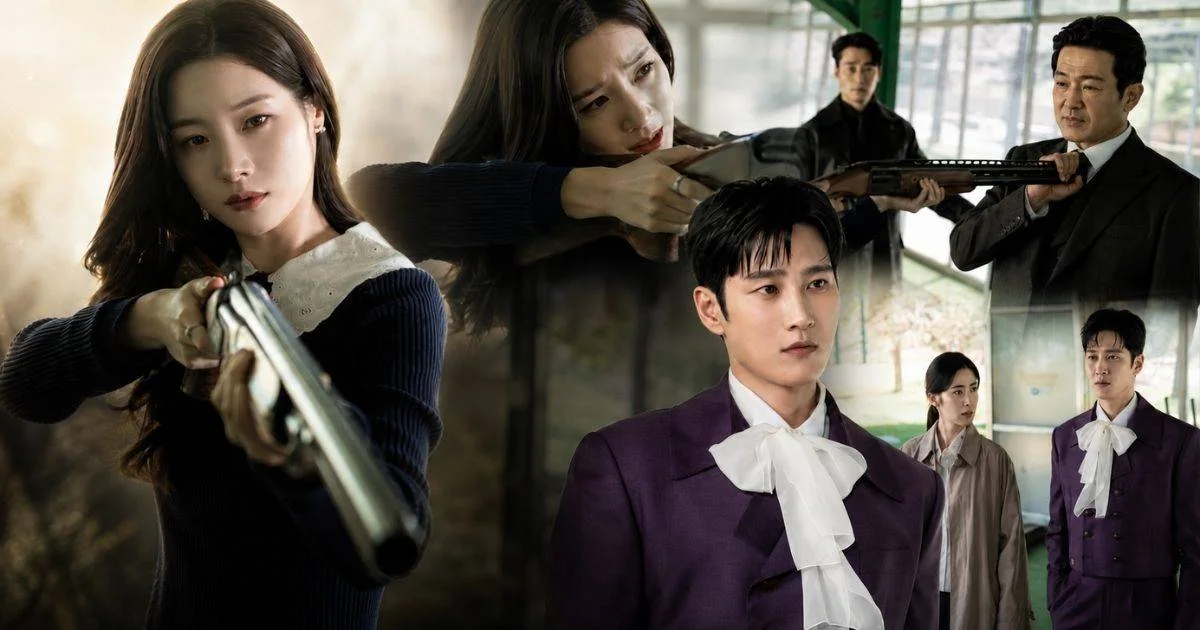
How the drama compares with other historical K-dramas
Comparisons with titles such as Mr. Sunshine are understandable because both stories connect personal relationships with the politics of a period of colonial rule. But the shows have different dramatic engines. 100 Days of Deception foregrounds a time-limited undercover mission, a pickpocket’s practical motives and the risk of maintaining a false identity inside a government institution.
That emphasis gives the new series a more procedural kind of tension. A conversation can be dangerous because of what is not said; an elegant room can feel threatening because the wrong person controls it. Whether the drama ultimately earns a place beside the most acclaimed historical series will depend on how consistently it develops those ideas across the season—not only on its first two episodes or its production design.
What viewers should watch for next
- Details that affect the plot: Notice whether documents, language skills, uniforms and official rituals change what a character can do.
- Public behavior versus private motives: The drama’s strongest period scenes often involve characters hiding their real loyalties in plain sight.
- Historical context: The series is set under Japanese colonial rule, so its resistance storyline carries historical stakes beyond a fictional romance.
- Consistency: A believable atmosphere depends on repeated choices across locations, dialogue and character behavior—not one striking image.
Quick answer: Does 100 Days of Deception have an authentic historical atmosphere?
Early critics see historical resonance in the drama’s 1932 Gyeongseong setting, documentary-style opening and espionage-driven use of public spaces. However, at least one review argues that some sets and costumes still look staged. The fairest conclusion is that the show creates a compelling sense of political tension, while its overall historical realism remains open to debate as more episodes arrive.
Frequently asked questions
When and where is 100 Days of Deception set?
The series is set in Gyeongseong, present-day Seoul, in 1932, during Japanese colonial rule in Korea.
What makes the drama’s atmosphere distinctive?
It combines period costumes and formal interiors with espionage, surveillance, public ceremonies and characters living under false identities.
Have critics agreed that the show is historically authentic?
No. The Korea Times praised its historical resonance, while But Why Tho? felt some costumes and sets did not always appear lived-in. Reviews differ, so it is more accurate to describe the response as mixed than unanimous.
Is 100 Days of Deception similar to Mr. Sunshine?
Both dramas connect personal stories with Korea’s colonial-era history, but 100 Days of Deception places particular emphasis on undercover work, deception and an infiltration mission.
Where can I watch 100 Days of Deception?
Check Netflix’s official title page for availability in your region.
Official social post
CJ ENM’s social post announced the drama’s first character stills and introduced the five central figures. If Instagram embeds are supported by your Shopify theme, the original post may appear below; otherwise, use the source link to view it on Instagram.
View this post on Instagram


