

Quick answer: The new six-part Treasure Island adaptation is deliberately more modern than Robert Louis Stevenson’s 1883 novel. The Guardian’s October 12, 2026 review argues that additions such as Jim Hawkins’s photographic memory, a more prominent Bess Hawkins, stylized action and heightened family drama pull attention away from the young hero’s adventure. But “too modern” is not automatically the same as “bad”: the real question is whether the changes deepen the story or crowd out its central tension.

What The Guardian actually criticized
In her October 12 review, Sarah Dempster gave the series two out of five stars and took issue with the adaptation’s “reimagining” choices. The review highlights Jim’s unusual photographic or quasi-mystical memory, scenes built around that ability, Bess’s expanded role, confusing accents, stylized spy fights and soap-opera-like family confrontations. It also singles out David Oyelowo’s Long John Silver as a compelling performance that struggles against the surrounding script.
That is a critic’s assessment, not a measurement of what every viewer thinks. It is fair to report the review’s sharp verdict; it would not be accurate to say that all critics or audiences agree, or that social media has reached a settled consensus without representative evidence.
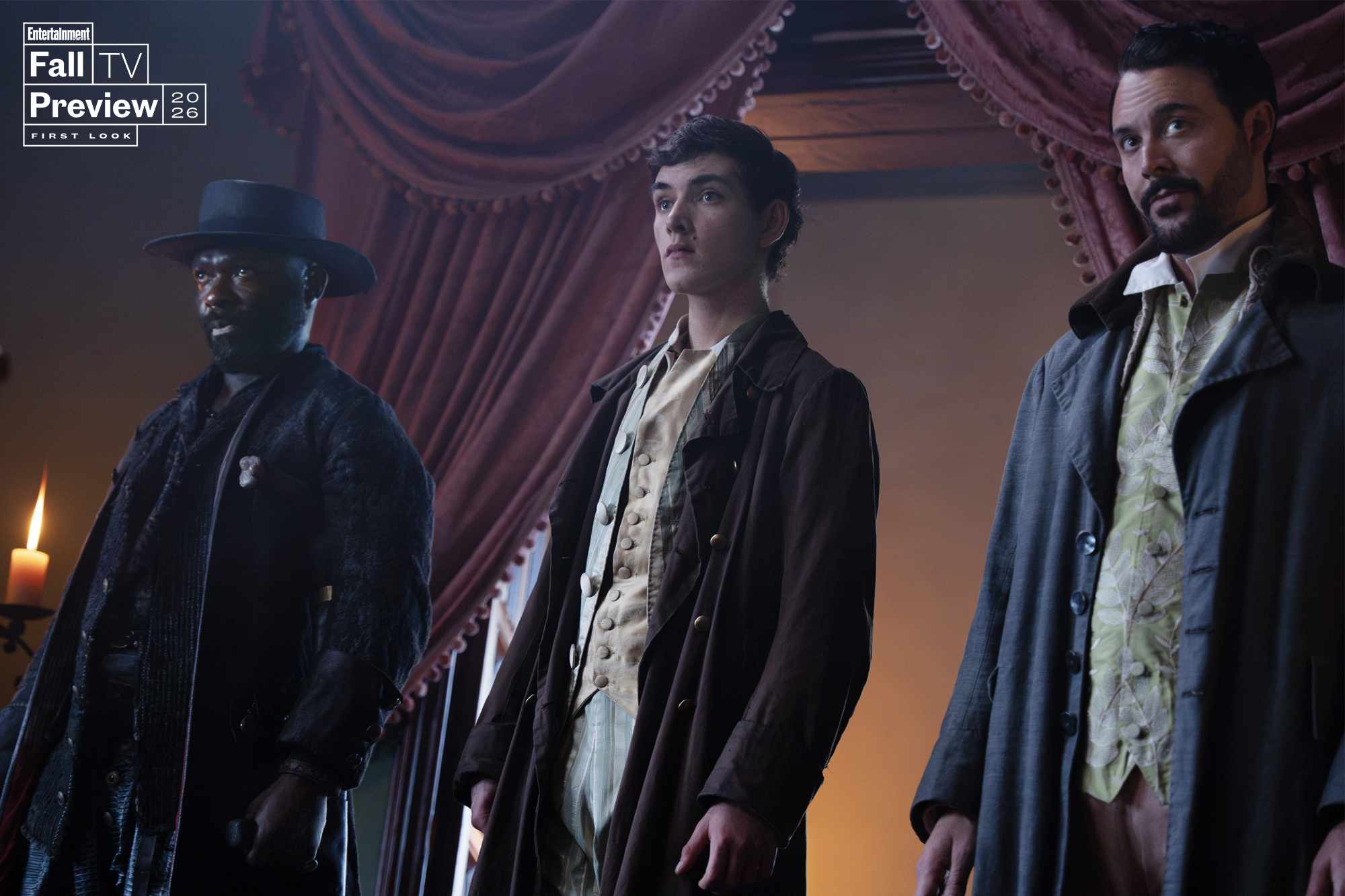
Why the changes feel so modern
Stevenson’s novel, published in 1883, is built around a young person’s passage into danger: Jim discovers a map, enters a world of adult rivalries, and must learn whom to trust. A television adaptation has good reason to expand characters who were brief or underdeveloped on the page. Bess Hawkins, played by Hayley Atwell, offers the series a fuller family story and gives the adventure a more active adult presence.
The risk is balance. If Jim’s decisions become secondary to a special memory ability, family melodrama or elaborate action sequences, the story can lose the uncertainty that makes a treasure hunt exciting. A clever adaptation should use new elements to make Jim’s choices more consequential—not simply make him a witness to other people’s drama.

Is a stronger Bess Hawkins a problem?
Not by itself. Expanding Bess can give the story a fresh emotional center and make the mother-son relationship more than background. The creative challenge is to let her agency and Jim’s coming-of-age story reinforce each other. If Bess drives every major turn while Jim mainly reacts, viewers who expect a resourceful young protagonist may feel that the adaptation has changed the story’s center of gravity.
That distinction matters: a character can be more prominent without another character becoming less interesting. The test is whether Jim still makes meaningful choices, takes risks, makes mistakes and changes because of them.

What David Oyelowo brings to Long John Silver
The Guardian review’s most notable point of praise is Oyelowo’s performance. Silver should be charming enough to attract followers and dangerous enough to keep them guessing. A strong performance can supply that tension even when dialogue or pacing falters. It also shows why a mixed review need not mean that every part of a production has failed.
The wider adaptation debate is not simply “classic versus modern.” It is about whether the new choices preserve the characters’ motives, suspense and moral ambiguity while making the story legible to a contemporary audience.

Watch the official trailer
The official Paramount+ UK & Ireland trailer gives viewers a direct way to judge the tone, performances and production design before deciding whether the reimagining works for them.
Read Paramount+’s official Treasure Island guide.
Does the series deserve criticism for changing the book?
Changes are not automatically mistakes. Television has different pacing and character demands from a novel, and an adaptation can reinterpret a classic successfully. The strongest criticism is specific: does a change create a clearer motive, a sharper conflict or a more affecting relationship? Or does it add noise without making the story more compelling?
On the evidence in the Guardian review, the concern is not merely that the series looks contemporary. It is that several new devices appear to compete for attention, while Jim’s role and the adventure’s forward momentum suffer. Viewers may disagree with that verdict, but it gives them a concrete set of questions to test while watching.
Quick answers
Why did The Guardian criticize Treasure Island?
The review criticized the adaptation’s added memory ability, expanded family melodrama, stylized action, accents and the way Jim Hawkins can feel sidelined. It praised David Oyelowo’s performance as Long John Silver.
Is the 2026 Treasure Island series different from the novel?
Yes. The adaptation expands Bess Hawkins and adds or emphasizes plot devices that are not central to Stevenson’s 1883 novel, including Jim’s unusual memory.
Where can viewers watch Treasure Island?
The series is available on Paramount+ in the UK and Ireland, and MGM+ in the United States, according to the platforms’ published programme information. Availability can vary by region and subscription.
Is “too modern” a fair criticism?
It is a matter of execution. Modern changes work when they strengthen character, suspense and theme; they can frustrate viewers when they distract from the central adventure.
Sources and further reading
- The Guardian: Treasure Island review, October 12, 2026
- Paramount+ UK & Ireland: Treasure Island guide and official first-look information
- TV Insider: Hayley Atwell and David Oyelowo discuss book-to-screen changes
Author: Shivam Das
Editorial note: This article summarizes and analyzes published criticism; it does not claim to represent a measured audience consensus. Image credits are provided for attribution, but attribution alone does not grant republication rights. Confirm permission or licensing for each image before use.


