

Why do some viewers call David Oyelowo’s accent the best part of Treasure Island? His portrayal of Long John Silver gives the familiar pirate a distinctive voice and a revised cultural background. Oyelowo has discussed drawing on Jamaican culture for the role, while critics have disagreed about the adaptation’s wider choices. The evidence supports a more careful conclusion than a universal fan verdict: Silver’s performance stands out, but opinions about the series remain mixed.
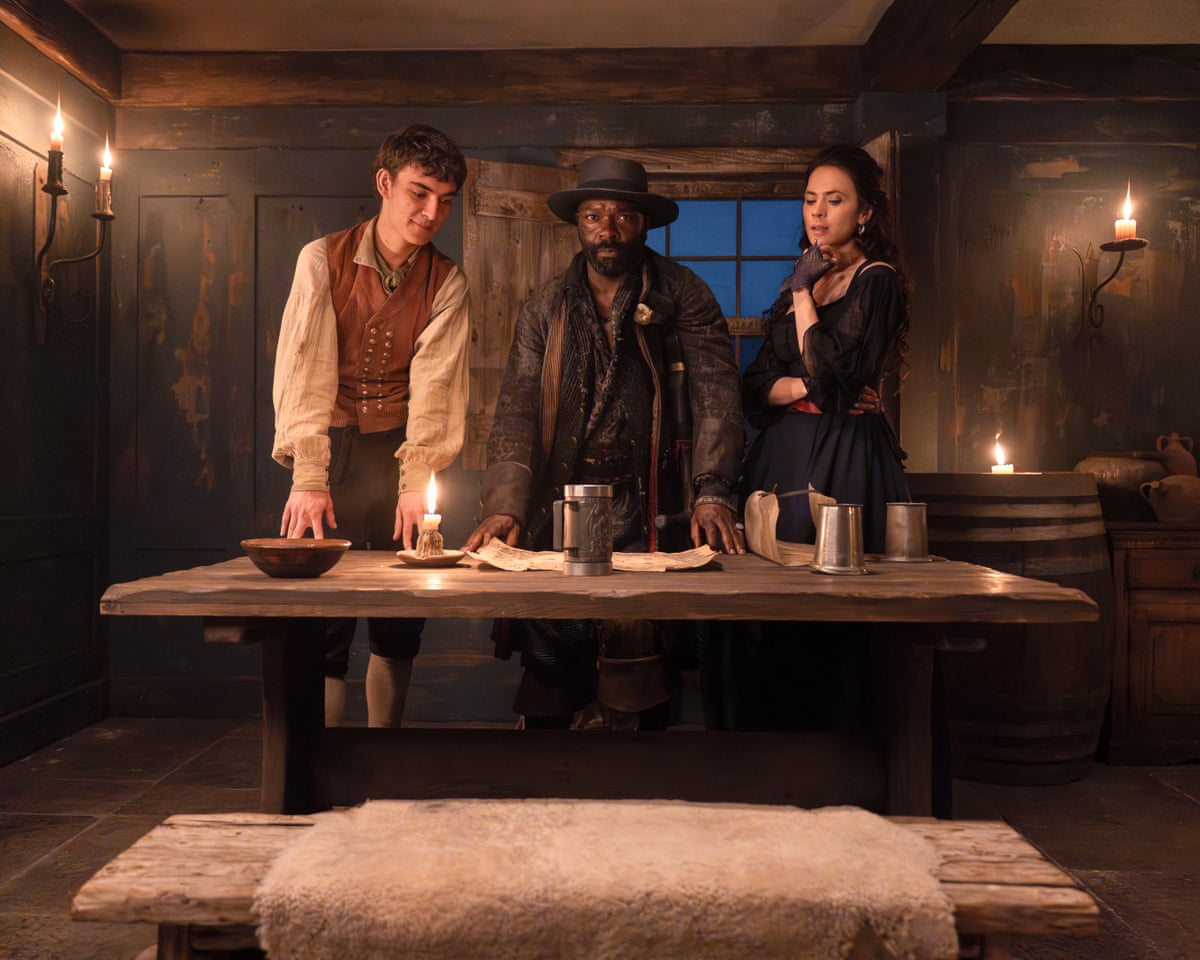
More than a familiar pirate voice
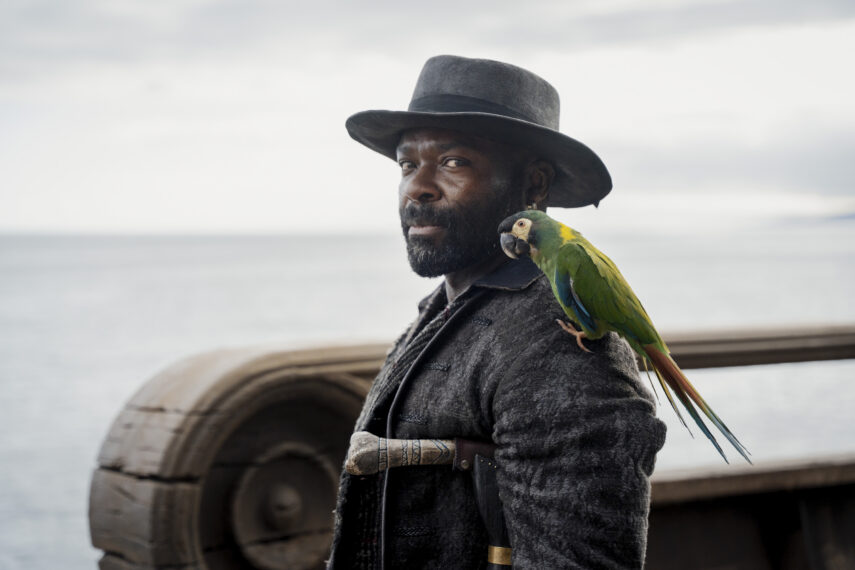
In a TV Insider interview published October 12, Oyelowo explained that his interpretation of Silver draws on Jamaican culture rather than simply repeating a theatrical pirate voice. An accent can tell viewers something about a character’s background, but it works best when it is consistent with the character’s history, relationships and choices.
The series gives Silver a revised backstory, presenting him as a Caribbean man who was formerly enslaved. That context makes voice and identity part of a broader reinterpretation of Robert Louis Stevenson’s adventure, rather than a cosmetic change. Viewers can still debate whether the execution succeeds.
What critics have said
The Guardian’s October 12 review is sharply critical of the adaptation’s plot, dialogue and modernising choices, but it also describes Oyelowo as mesmerising and singles out his charisma. That is praise for the actor’s screen presence, not an endorsement of every element of the series or a definitive judgement on the accent.
Radio Times offered a more positive assessment, awarding the series four out of five stars and highlighting Oyelowo’s powerful presence. The contrast illustrates why it is misleading to claim that all critics or viewers agree. Reviews assess the whole production as well as individual performances.

Why the accent divides opinion
Period adventures arrive with strong audience expectations. Some viewers prefer a familiar, theatrical pirate voice; others welcome a more culturally specific interpretation. Neither preference alone proves that a performance is good or bad. Useful questions include whether the speech feels coherent, remains understandable and serves the character during both quiet exchanges and tense confrontations.
The Guardian also criticised the production’s broader approach to accents and dialogue. That wider complaint should not be reduced to a claim that every reviewer disliked Oyelowo’s voice. The review’s praise for his presence and its criticism of the show can coexist.

A different Long John Silver
The 2026 adaptation expands Bess Hawkins’ role and gives Silver a more explicit personal history. These changes create room to explore power, survival and colonial history, while moving the story away from a strictly Jim Hawkins-centred coming-of-age adventure. Whether every change works is a separate question from whether Oyelowo’s interpretation is compelling.

Watch the trailer
Watch the trailer to hear Oyelowo’s performance in context rather than relying on short clips or second-hand reactions.
Quick answer: Is Oyelowo’s accent the best part of Treasure Island?
It is one of the adaptation’s most distinctive talking points, but there is no verified evidence of a universal audience consensus. Oyelowo has explained the cultural grounding behind his choice, and even a negative Guardian review praised his commanding screen presence. Other critics have been more positive about the series overall.
Frequently asked questions
Does David Oyelowo use a Jamaican-inflected voice?
Oyelowo has said that Jamaican culture informed his approach to Long John Silver in this adaptation.
Did The Guardian praise his performance?
Yes. While the review was strongly critical of the series overall, it described Oyelowo as mesmerising and praised his charisma.
Why has the accent attracted attention?
The adaptation gives Silver a more specific Caribbean history, making voice and identity part of its reinterpretation of the classic story.
Where is Treasure Island available?
Availability varies by country and platform. Check the official MGM+ or Paramount+ listing in your region.
Sources
Author: Shivam Das
Images are credited to their identified publishers. Confirm reuse permissions for commercial use.


