

By Shivam Das
Jack Huston’s Aaron Graham is one of the most consequential new additions to MGM+’s 2026 adaptation of Treasure Island. Unlike Long John Silver or Jim Hawkins, Graham does not come from Robert Louis Stevenson’s original novel. Official series materials describe him as a revolutionary spy, bringing political intrigue into a story traditionally driven by greed, loyalty, and a young boy’s coming of age.

Who is Aaron Graham?
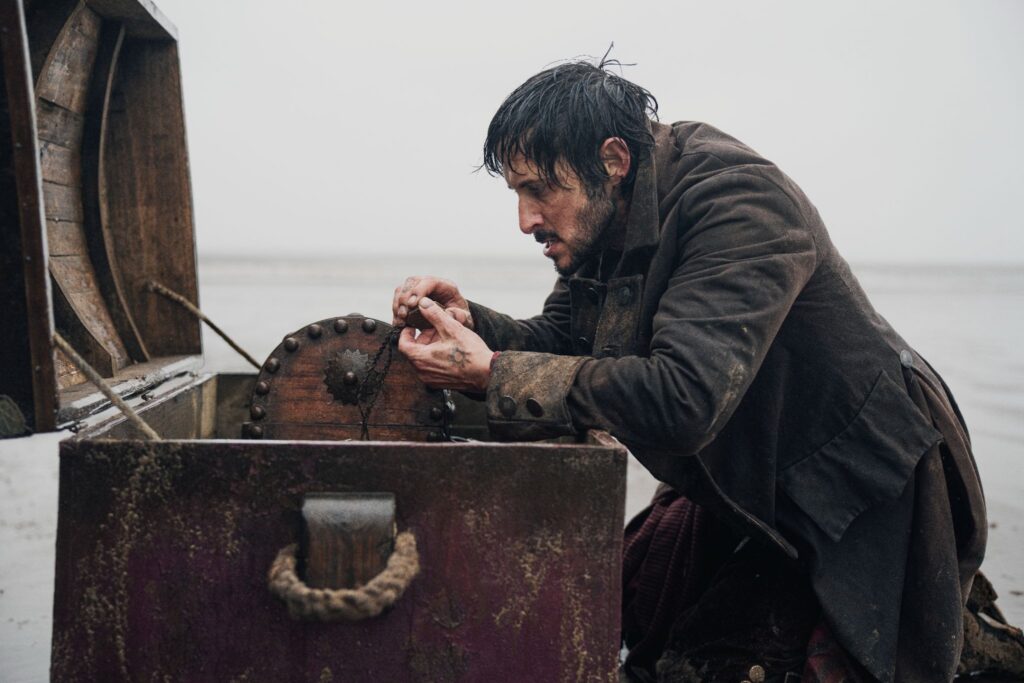
Graham appears to operate in the space between respectable authority and covert political action. That makes him a different kind of threat from the pirates around the Hispaniola: he may be able to use institutions, information, and persuasion as readily as others use weapons. His polished presentation is not proof of honesty; the central question is what he wants and who he truly serves.
Official descriptions position Graham as a revolutionary spy seeking to use the treasure to challenge colonial power. That motive gives the gold a purpose beyond personal enrichment. Treasure could fund a cause, shift influence, or destabilize an existing order. Yet a character can oppose an unjust system and still manipulate people or justify brutal methods. The series’ dramatic opportunity lies in testing whether Graham’s actions match his stated principles.

Why book fans did not see him coming
Stevenson’s 1883 novel centers on Jim Hawkins, the treasure map, Long John Silver, and the expedition’s shifting loyalties. Aaron Graham is a new character for this screen version, not a renamed figure from the book. That gives the writers space to create a parallel political storyline and place the familiar treasure hunt in a wider conflict.
Adding a character does not necessarily mean abandoning the source material. Adaptations often invent people who connect existing plot threads, embody the pressures of a historical setting, or force familiar characters to make unfamiliar choices. Graham can do that while leaving the novel’s core themes intact: ambition, betrayal, courage, and the difficult transition from innocence to experience.
How Graham changes the balance with Long John Silver
Silver is dangerous because he reads people quickly and can make self-interest sound like friendship. Graham may be dangerous in a different way: he brings the language and reach of official power to a conflict already crowded with deception. Silver’s influence is personal and tactical; Graham’s may be political and institutional.
If they want the same treasure for different reasons, their conflict becomes more complicated than a simple pirate-versus-agent showdown. Each might recognize the other’s usefulness while expecting betrayal. Jim and Bess could be caught between men who believe their larger plans justify the cost to everyone around them.
What Graham means for Jim Hawkins
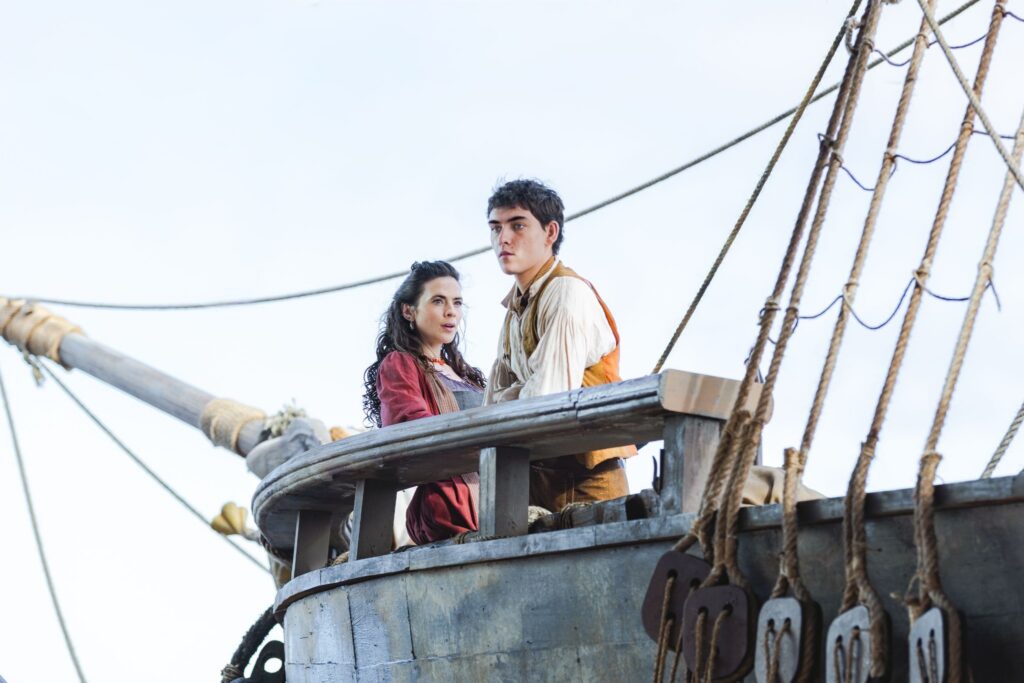
Jim’s coming-of-age story is not only about learning that pirates can be cruel. It is also about discovering that adults with impressive titles, persuasive speeches, or respectable clothes can be unreliable. Graham gives Jim another test of judgment: a person’s apparent cause is not, by itself, a reason to trust them.
This also creates room for Bess to matter as more than a supporting parent. If she recognizes the risks of power and persuasion earlier than Jim, her choices can help him survive while still allowing him to make mistakes and develop his own judgment.
Five clues to watch for in upcoming episodes
- Who gives Graham his orders? That could reveal whether his mission is personal, political, or part of a wider network.
- How openly does he discuss revolution? His speeches may reveal conviction—or serve as recruitment tools.
- Does he treat Jim and Bess as people or leverage? His behavior toward them may expose more than his public ideals.
- Can he work with Silver? Any partnership would likely be useful but unstable.
- What does the treasure mean to him? Money, strategic power, and symbolic victory are different motives.
Is Aaron Graham a villain?
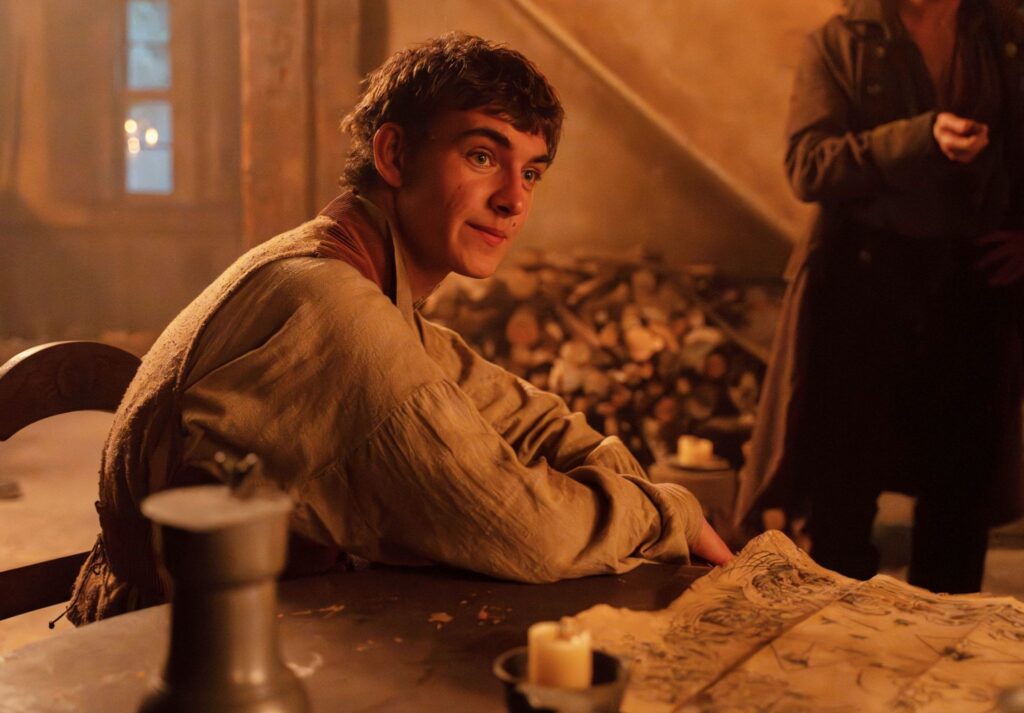
It is too early to label him definitively. Official promotional descriptions establish him as a revolutionary spy with a duplicitous edge, but that is not enough to determine whether his cause is sincere or whether he will become the main antagonist. The revealing test will be what he chooses when his mission puts other people at risk.
For now, Graham is best understood as a deliberate expansion of the novel’s conflict: a new player who brings political ambition into a story already full of secrets. The addition will work best if the series gives him understandable motives, meaningful consequences, and a genuine clash of values with Silver and the Hawkins family.
Frequently asked questions
Is Aaron Graham in Robert Louis Stevenson’s book?
No. Aaron Graham was created for the 2026 screen adaptation and does not appear in Stevenson’s original novel.
Who plays Aaron Graham?
Jack Huston plays Aaron Graham in the MGM+ and Paramount+ adaptation.
What is Graham’s role in Treasure Island?
Official series materials describe him as a revolutionary spy whose plans add a political dimension to the search for Captain Flint’s treasure.
Is he a villain?
That remains an open question. His methods, loyalties, and choices will matter more than the label used in promotional descriptions.
Where can I read more about the series?
Read our related coverage: Episode 1’s ending and Silver’s place aboard the Hispaniola and how Jim Hawkins’ memory changes the treasure-map story.
Sources
- Playground Entertainment — official series page
- Paramount+ UK & Ireland — Treasure Island: Everything You Need to Know
- BroadwayWorld — trailer and key art announcement
Editorial note: Confirmed character information is separated from interpretation. Predictions about Graham’s future role are analysis, not confirmed plot details. Images are official promotional stills credited to Paramount+ UK & Ireland; rights remain with their respective owners.


