

By Shivam Das | Updated October 12, 2026
The Guardian has delivered a sharply negative verdict on the new six-part Treasure Island adaptation, awarding it two out of five stars and describing the production in its headline as a “TV stinker.” The review’s central objection is not simply that the series changes Robert Louis Stevenson’s story. It argues that the changes pull attention away from the coming-of-age adventure that made Jim Hawkins the emotional center of the novel.
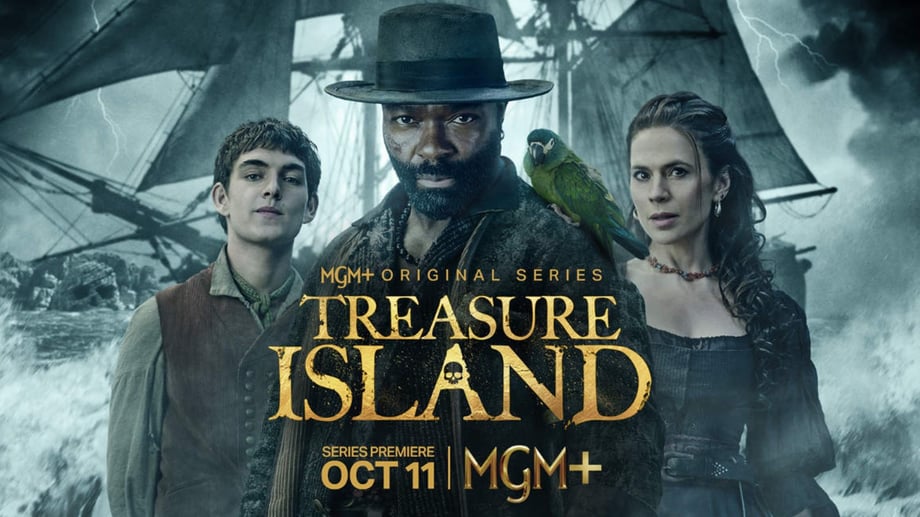
The quick answer: The Guardian’s complaint is that the adaptation expands the story with heightened abilities, melodrama and additional plot machinery while leaving Jim Hawkins feeling less vivid than he should. The review acknowledges David Oyelowo’s presence as Long John Silver, but argues that a strong central performance cannot fully compensate for what it sees as an unfocused script.
What The Guardian actually criticised
In its October 12 review, The Guardian gave the series two stars out of five. Its criticism focuses on several connected choices: Jim’s extraordinary photographic memory, the enlarged role for his mother Bess Hawkins, melodramatic family dynamics, conspicuous visual effects and a story that, in the reviewer’s view, loses sight of its young hero.
These are the critic’s judgments, not a measurement of every viewer’s reaction. A review can explain why a production did not work for one writer; it cannot, by itself, establish that audiences broadly dislike the series. That distinction matters when a striking headline begins circulating faster than the full review.

Why Jim Hawkins is at the heart of the dispute
Stevenson’s novel is not only a treasure hunt. It is also a story about a young person learning to judge adults, make decisions under pressure and accept the consequences of risk. Jim’s limited knowledge is part of the suspense: readers discover danger as he does, and his courage grows through experience rather than arriving fully formed.
The Guardian’s review argues that the television version’s photographic-memory idea and expanded adult storylines weaken that balance. A special ability can be an efficient device for moving a plot forward, but it can also make a character feel like a mechanism for delivering information instead of a person discovering the world. The key question for viewers is whether Jim’s gift creates meaningful dilemmas or simply makes the map problem easier to solve.
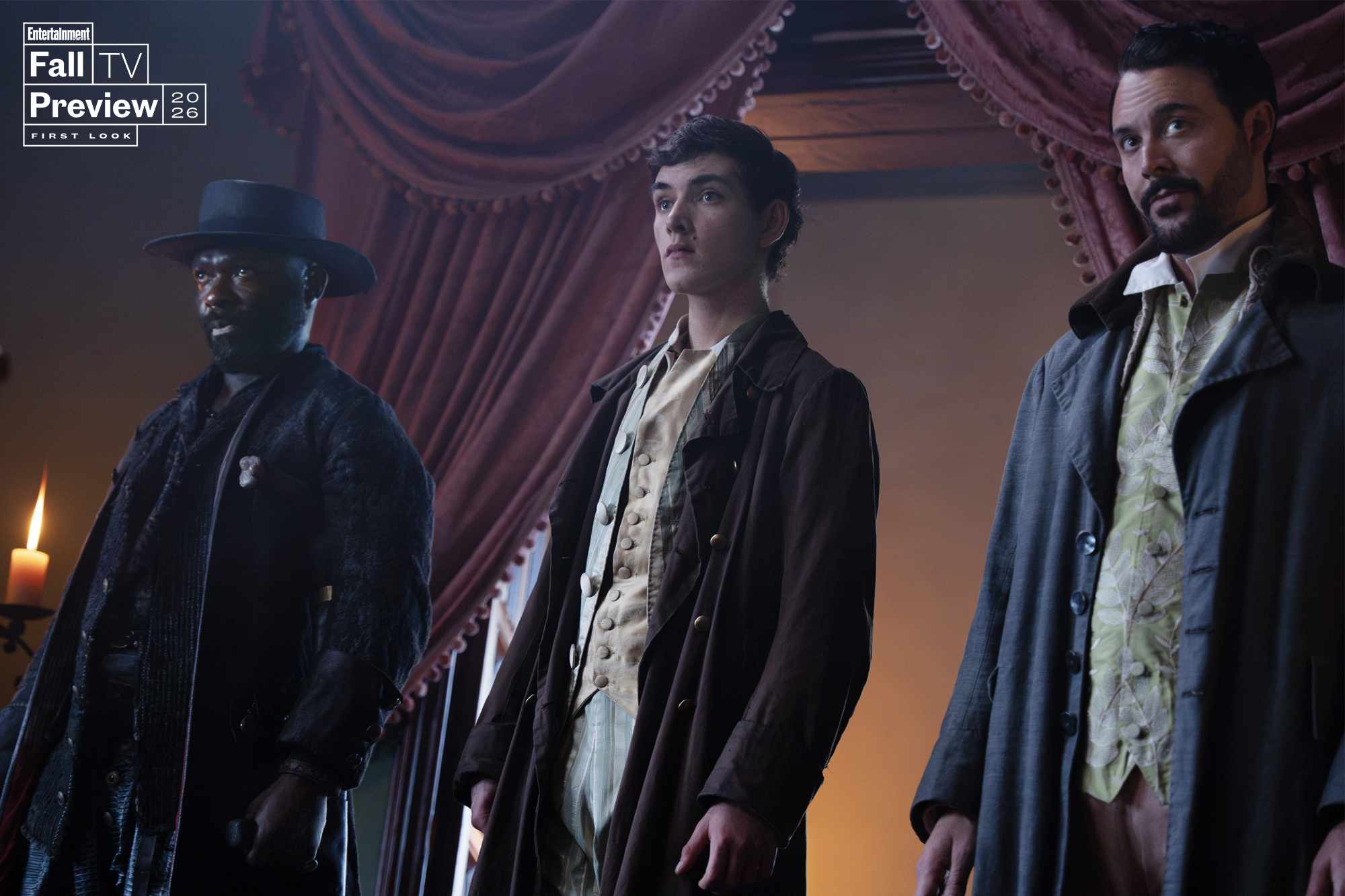
Does Bess Hawkins take too much of the story?
Hayley Atwell’s Bess is a more prominent figure in this adaptation than readers may expect from a straightforward retelling of the book. The Guardian sees that expansion as part of the problem, arguing that Bess’s adventures and relationships take oxygen away from Jim’s journey. Other viewers may welcome a more active mother character, especially in a modern adaptation seeking to give women more agency in a traditionally male-led adventure.
The useful test is not whether Bess has more scenes than she does on the page. Adaptations routinely change emphasis. It is whether those scenes deepen the central conflict and help Jim develop—or whether they make the series feel as if it is switching between two different dramas. That is where the debate over this version becomes more interesting than a simple argument about fidelity to the book.

David Oyelowo’s Long John Silver: a bright spot in a troubled review
The Guardian’s verdict is severe, but it is not an across-the-board dismissal of the cast. The review singles out David Oyelowo’s Long John Silver as a compelling presence, while maintaining that the script and direction limit the overall result. That distinction is important: a critic can admire an actor’s work while finding the larger production unsuccessful.
Silver has always been one of the story’s most fascinating contradictions: charming and dangerous, helpful and treacherous, capable of winning trust while concealing his ambitions. Oyelowo’s performance has to carry that tension while the adaptation reshapes the character’s historical and cultural context. Whether the new interpretation works for a viewer will depend on how convincingly those choices are developed on screen, not on casting alone.

What about the modern twists and melodrama?
The review also objects to the adaptation’s heightened devices, including Jim’s photographic memory, stylised flashbacks, effects and soap-opera-like relationship drama. These choices suggest a production trying to make a familiar story feel newly urgent. The risk is that each added device competes for attention, leaving less room for the slow-building mistrust, shipboard danger and moral ambiguity that make the original tale endure.
Still, “different from the book” is not the same as “bad television.” A reimagining can justify major changes if they create a coherent theme or reveal something fresh about the characters. The more revealing question is whether each change earns its place. If a new subplot does not sharpen the conflict, develop a character or raise the stakes, it may feel like extra noise rather than a meaningful reinvention.
One review is not an audience verdict
The Guardian’s two-star score is a clear negative critical signal, but it should not be mistaken for a verified audience score or proof that viewers have rejected the series. At the time of writing, Rotten Tomatoes’ listing showed no critic reviews in its displayed Tomatometer field, so it would be misleading to claim that a settled aggregate score confirms either a hit or a flop. Audience ratings can also change quickly as more people watch and vote.
For a fair picture, compare several independent reviews, check whether a platform publishes verified viewing figures, and distinguish professional criticism from social-media posts. A handful of viral reactions may show what some viewers are discussing; they do not establish how the entire audience feels.
Our take: the adaptation has a focus problem to solve
The strongest criticism raised by this review is not that a classic must be reproduced scene for scene. It is that an adaptation needs to know whose story it is telling. Jim’s growth, Silver’s dangerous charm and the promise of a voyage into the unknown should reinforce one another. If new powers, romance and family drama crowd out that core, the production can look ambitious while feeling strangely less adventurous.
There is another side to the argument: a familiar story can benefit from new perspectives, and a more active Bess or a differently interpreted Silver can open productive questions about agency, power and history. The challenge is integration. Viewers who enjoy bold reinterpretations may find the changes worthwhile; readers who prize the novel’s clear coming-of-age arc may find them distracting. The Guardian has made its position plain. Whether the series wins back sceptics will depend on how the remaining episodes develop the characters and pay off the changes.
Where to read the original review and find official information
- Read The Guardian’s full Treasure Island review.
- Read Paramount+’s official series guide and cast information.
- Check the current Treasure Island listing on Rotten Tomatoes.
- Read RogerEbert.com’s independent review.
Frequently asked questions
What rating did The Guardian give Treasure Island?
The Guardian awarded the 2026 adaptation two out of five stars in its review published on October 12, 2026.
Why did The Guardian call Treasure Island a “TV stinker”?
The headline reflects the reviewer’s negative opinion. The review criticises the script’s added plot devices, the expanded Bess storyline and the way Jim Hawkins is pushed away from the centre of his own adventure.
Did The Guardian praise any performance?
Yes. The review identifies David Oyelowo’s Long John Silver as a compelling performance, even while criticising the series overall.
Is Treasure Island’s audience score bad?
A definitive audience verdict cannot be inferred from one critic’s review. Check the live rating service directly and note how many ratings or reviews have been submitted.
Does the new series follow Robert Louis Stevenson’s novel exactly?
No. It is presented as a reimagining and makes substantial changes to character emphasis and plot elements. Whether those changes work is a matter of critical and viewer judgment.
Where can viewers find official details about the series?
Paramount+’s official series guide provides the premise, cast details and UK release information. Availability can vary by country and streaming service.
Editorial note: This article summarises and analyses published criticism; evaluative descriptions are attributed to the relevant reviewer. Images are credited to their source pages. Image availability and reuse terms may vary by publisher.


