

Quick answer: The clearest support documented so far for Brooklyn’s Art of Play comes from customers sharing positive experiences—not from a verified nationwide coalition of small-business owners. Reporting reviewed for this article does not establish that independent retailers across America have organized behind either side.
The Kelly Clarkson and Art of Play feud is a case study in how quickly a customer-service disagreement can become a public referendum on a small business—and how hard it is for readers to separate firsthand evidence from online team-taking.

What support has actually been reported?
News coverage says some people familiar with Art of Play shared positive memories of the store, and the shop reposted supportive customer comments to its social channels. That is meaningful local backing: firsthand customer experiences can add context that a viral complaint alone cannot provide.
But positive customer testimonials are not the same as a national movement of small-business owners. The more accurate description is that Art of Play has received community support amid a polarized online response. There is not enough verified evidence to assign one shared position to small-business owners nationwide.
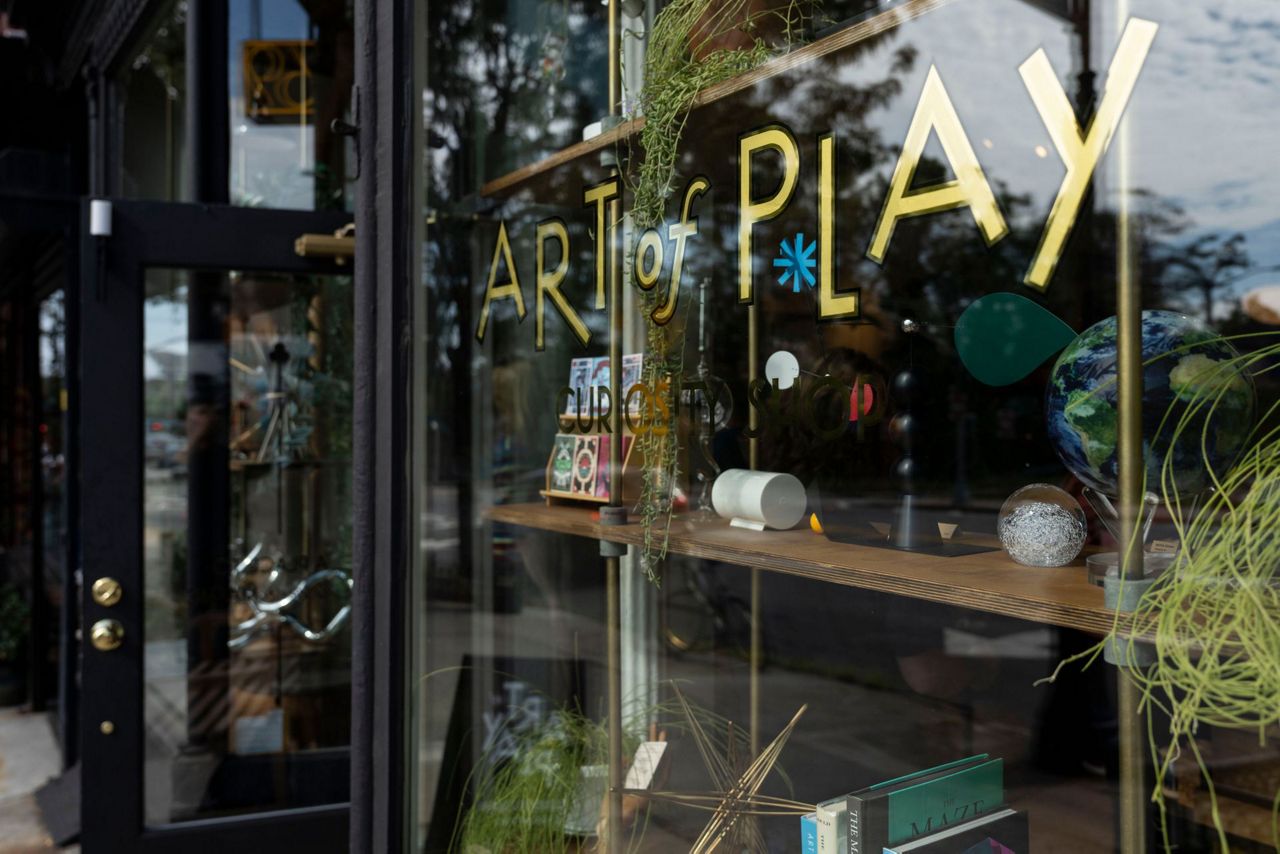
Why small-business owners may be watching quietly
For independent retailers, the concern is not simply whether Clarkson or the store has the stronger account. It is what happens when millions of people are invited to judge a brief interaction they did not witness. A neighborhood business usually cannot match a celebrity’s reach, and even a careful response can be pulled into another round of arguments.
The Associated Press reported that co-owner Adam Rubin described hateful messages and reviews after the controversy, and said someone had shown up at the shop. A neighboring plumbing-supply business owner, Daniel Graffeo, told AP he was surprised the uproar continued and said he would not want the same kind of publicity. His comment was not an endorsement of either side; it illustrates why nearby businesses may avoid being drawn into a viral dispute.
Some owners may sympathize privately, others may disagree with the store’s response, and some may avoid attaching their businesses to a controversy they cannot independently verify. Silence is not proof of support—or opposition.

What the original posts do—and do not—prove
Clarkson said she felt looked down on when she asked about a singing mechanical bird called Molly and compared the experience to the shopping scene in Pretty Woman. Art of Play said Molly is a permanent fixture used in its magic shows and was not for sale, while a similar automaton could be obtained from its creator. Clarkson disputed the store’s explanation and said she had been shown a price tag.
Those accounts remain different. News coverage describes the security footage as silent, so it cannot settle what was said or the tone of the conversation. It should not be treated as proof of either person’s version.
Just drove all the way to Brooklyn to check out this store I thought looked really rad and had a few things in mind to buy...
— Kelly Clarkson (@kellyclarkson) October 10, 2026
Watch the related video discussion
The following video-podcast episode discusses the Kelly Clarkson and Art of Play dispute. It is independent commentary, not the store’s silent security footage itself.
Compare Fortune’s reporting on the customer-service dispute with the Associated Press account of celebrity influence and public reaction.
Celebrity attention can help a small business—but it can also overwhelm it
Celebrity reach is not automatically harmful. In a separate episode of The Kelly Clarkson Show, the program featured entrepreneur Drew, who created Crippling Hot Sauce. That appearance is unrelated to the Art of Play dispute, but it shows how a public platform can introduce viewers to a small business in a positive setting rather than direct a crowd toward a live argument.
The lesson for public figures is to remember that naming a local business can mobilize people who have no direct knowledge of the encounter. The lesson for businesses is to explain their side clearly, acknowledge a customer’s reported experience without pretending disputed facts are settled, and avoid escalating the argument after the key information is out.
Small-business support should mean protecting workers from harassment, listening seriously to customer concerns, and giving people enough evidence to form their own view. It should not mean flooding a shop with negative reviews, threatening staff, or treating an unresolved disagreement as a team sport.
What small-business owners can take from the Art of Play feud
- Keep records: Preserve receipts, product descriptions, messages, and relevant footage when a dispute could become public.
- Respond once with specifics: Explain what was available, what was offered, and what remains uncertain without attacking the customer.
- Protect staff: Set a clear process for reporting threats and contacting authorities when safety concerns are credible.
- Invite independent judgment: Encourage genuine firsthand reviews, not pile-ons or coordinated review campaigns.
- Separate support from certainty: People can support a neighborhood business while acknowledging they did not witness the original conversation.
For more context, read our related coverage: the real cost of Kelly Clarkson’s viral tweet for a Brooklyn small business and why some fans are defending Art of Play.
Frequently asked questions
Are small-business owners across America publicly supporting Art of Play?
Reporting documents supportive customer memories and local community reactions, but it does not establish a coordinated nationwide campaign by small-business owners. The broader claim should be treated cautiously unless named owners publicly confirm their support.
What started the Kelly Clarkson and Art of Play feud?
Clarkson said she felt dismissed during a visit to the Brooklyn shop when asking about a mechanical singing bird. Art of Play said the bird on display was not for sale and offered a different account of the conversation. The two sides dispute how the interaction unfolded.
Does the security footage settle who was right?
No. Reports describe the footage as silent. It can show movements and timing, but it cannot establish the exact words used or the tone of the conversation.
How can customers support a small business during a viral controversy?
Customers can share honest firsthand experiences, buy from the business if they genuinely want to, and avoid harassment or review-bombing. Support is most useful when it does not depend on inventing facts or targeting the other side.
Why does this story matter beyond one Brooklyn shop?
It shows how celebrity reach can amplify a complaint far beyond the original encounter. For independent businesses, the consequences can include lost trust, unwanted attention, and safety concerns—even while the facts remain contested.


