

Why would the director of Extraordinary Attorney Woo turn to a 1930s spy romance? The most convincing answer is in the story’s central tension: in occupied Gyeongseong, a lie can be a survival strategy, a political weapon, and eventually a personal risk. 100 Days of Deception brings director Yoo In-shik into a period setting where private identity and public loyalty are constantly colliding—but the available announcements do not provide a direct statement from Yoo explaining exactly why he chose this project. This article separates confirmed production details from an interpretation of the creative choice.
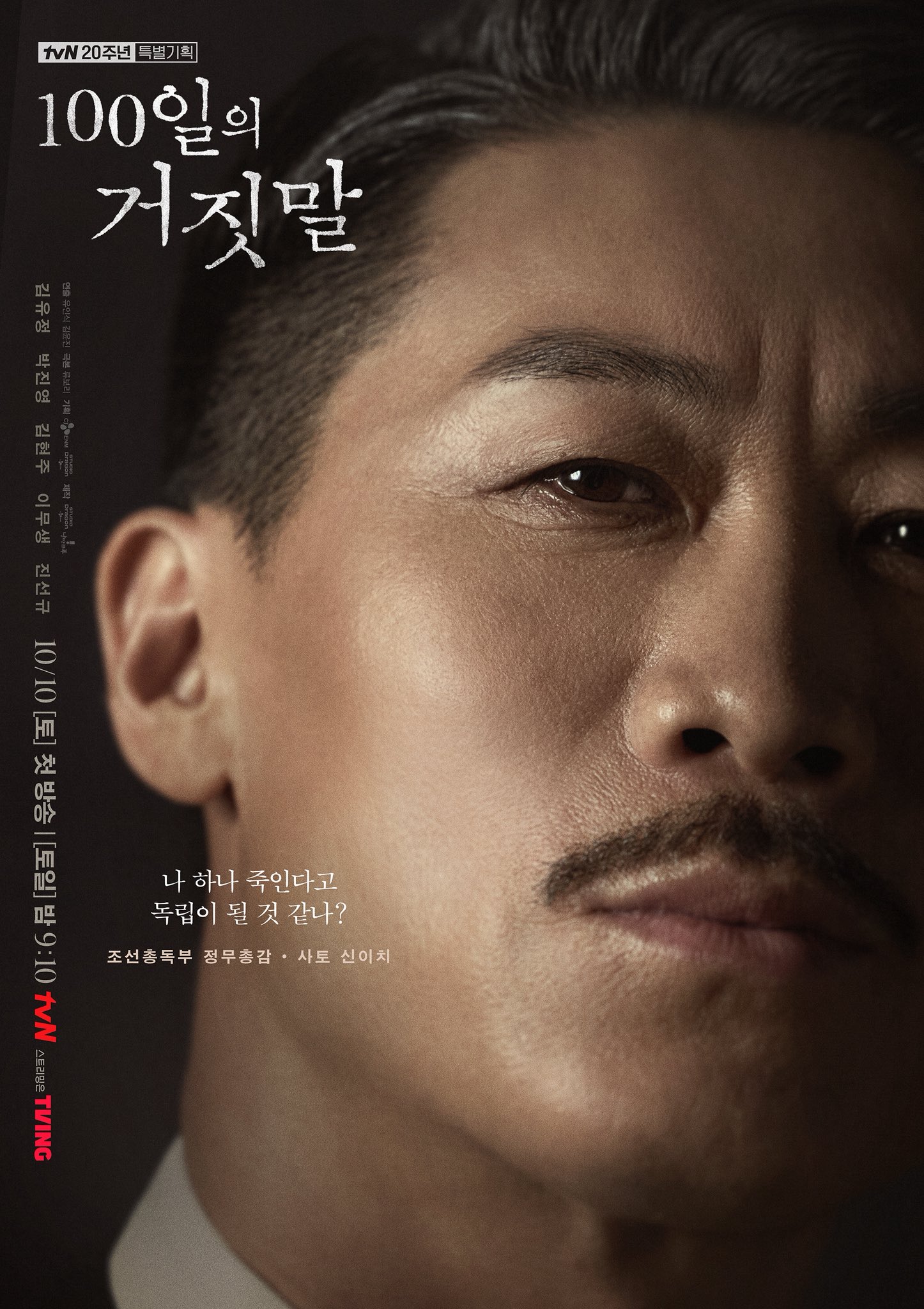
The drama is set during Japanese colonial rule in Korea and follows Lee Ga-gyeong, played by Kim You-jung, a skilled pickpocket recruited to infiltrate the Japanese Government-General of Korea. Her mission becomes more complicated when she grows close to Kim Tae-woong, also known as Sato Hideo, played by Park Jin-young. He is an interpreter connected to the administration she has been sent to penetrate. Netflix’s official listing describes the premise as a pickpocket entering the colonial government to steal secrets and falling for her target’s son.
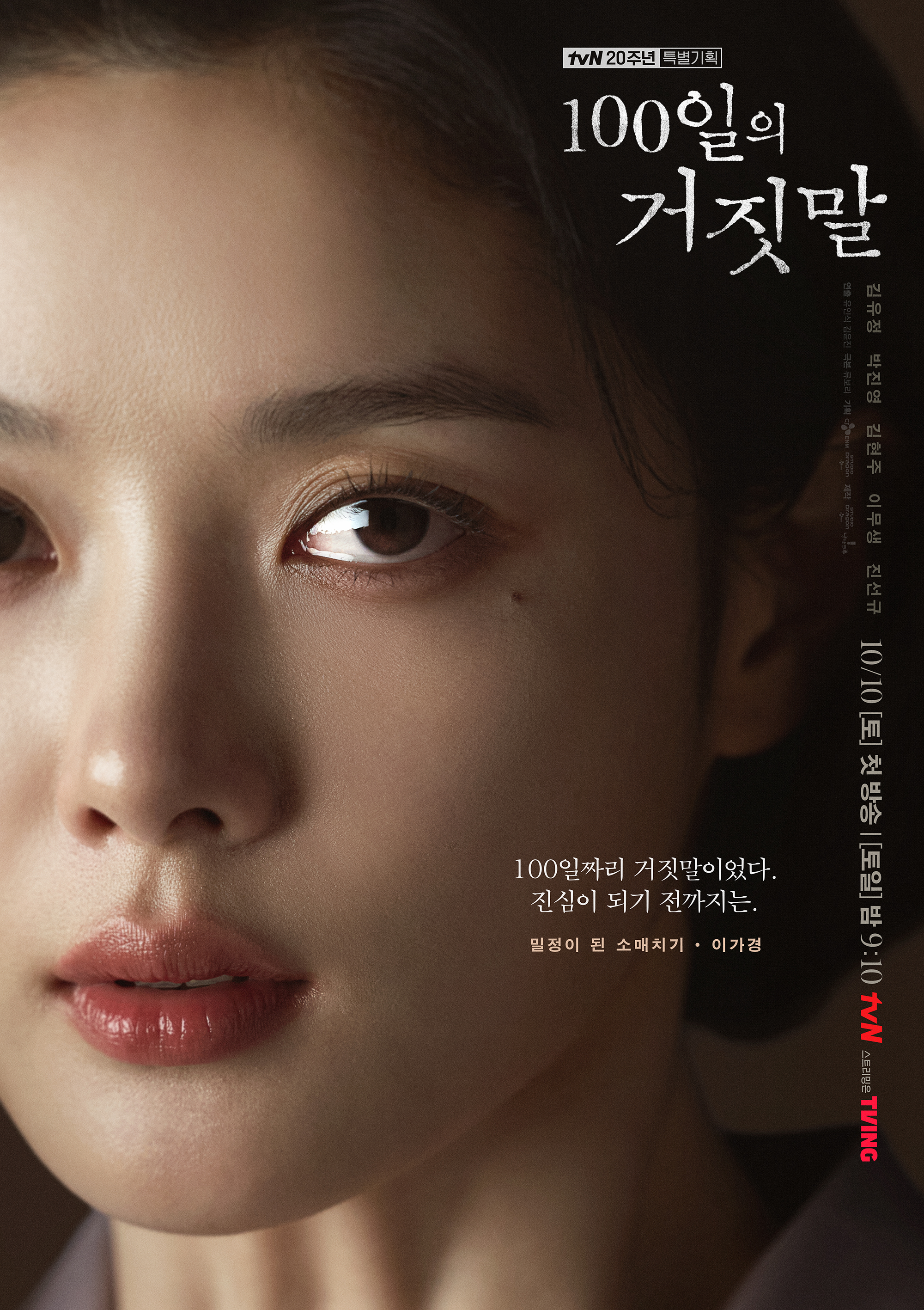
What is confirmed about Yoo In-shik’s new drama?
Yoo In-shik, known for directing Extraordinary Attorney Woo and the Dr. Romantic series, is directing 100 Days of Deception. Soompi’s coverage of the drama’s script reading identifies writer Ryu Bo-ri and describes the project as a period spy romance unfolding over 100 days during the Japanese occupation. The production team also said the first gathering included a moment of silence honoring Korean independence activists.
That detail matters. It suggests the show is not presenting the colonial-era setting only as stylish scenery for a romance. The production has publicly connected the story to the sacrifices of people who fought for independence. The precise balance between historical drama, espionage, and romance will ultimately depend on the episodes themselves.
Why set a spy romance in 1930s Gyeongseong?
Gyeongseong—the name used for Seoul during Japanese rule—creates a world in which identity has immediate consequences. A pickpocket can move through crowds without drawing attention; an interpreter can cross language and institutional boundaries; a journalist can use information as leverage. In a spy story, those abilities are not merely character quirks. They become tools for survival.
The period also sharpens the drama’s central contradiction. Lee Ga-gyeong enters the Government-General under a false identity, while Tae-woong’s position makes him both a potential source of information and a person tied to the system she is targeting. Attraction does not erase that conflict. It makes every conversation more dangerous because each character has reasons to conceal the truth.
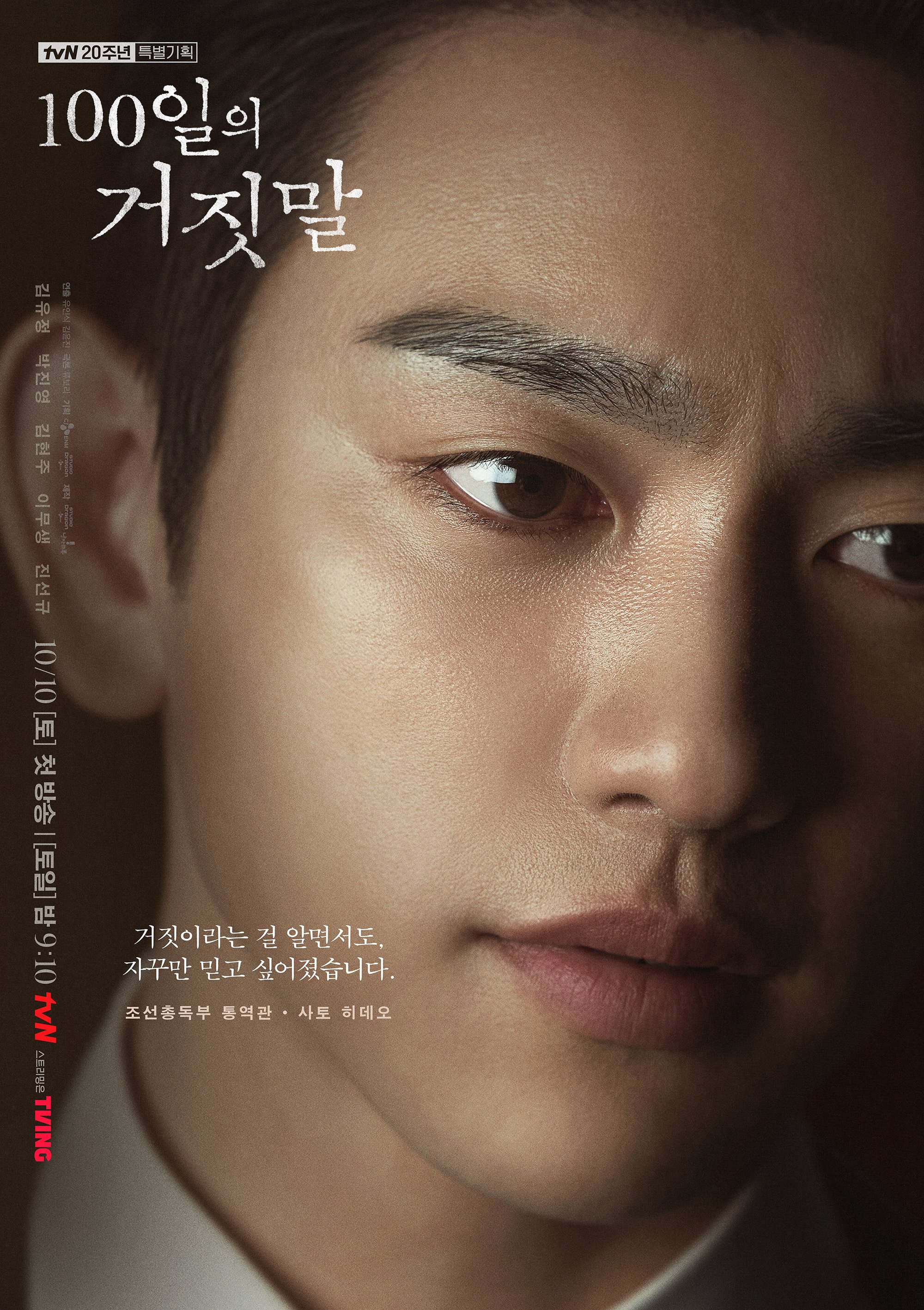
The creative opportunity: romance under pressure
Yoo’s previous television work has included emotionally grounded characters facing demanding institutions and moral choices. It would be too strong to claim that he selected this drama for one specific reason without a direct interview or production statement. But the project offers a clear opportunity to bring character-driven storytelling into a thriller framework: the stakes of a secret are both political and intimate.
In a conventional romance, a misunderstanding may delay a confession. In an espionage story set under colonial rule, a misunderstood allegiance can expose a network, endanger a mission, or put someone in physical danger. That difference gives the 100-day deadline narrative force. Each day can narrow the distance between the characters while also reducing the time they have to protect their secrets.
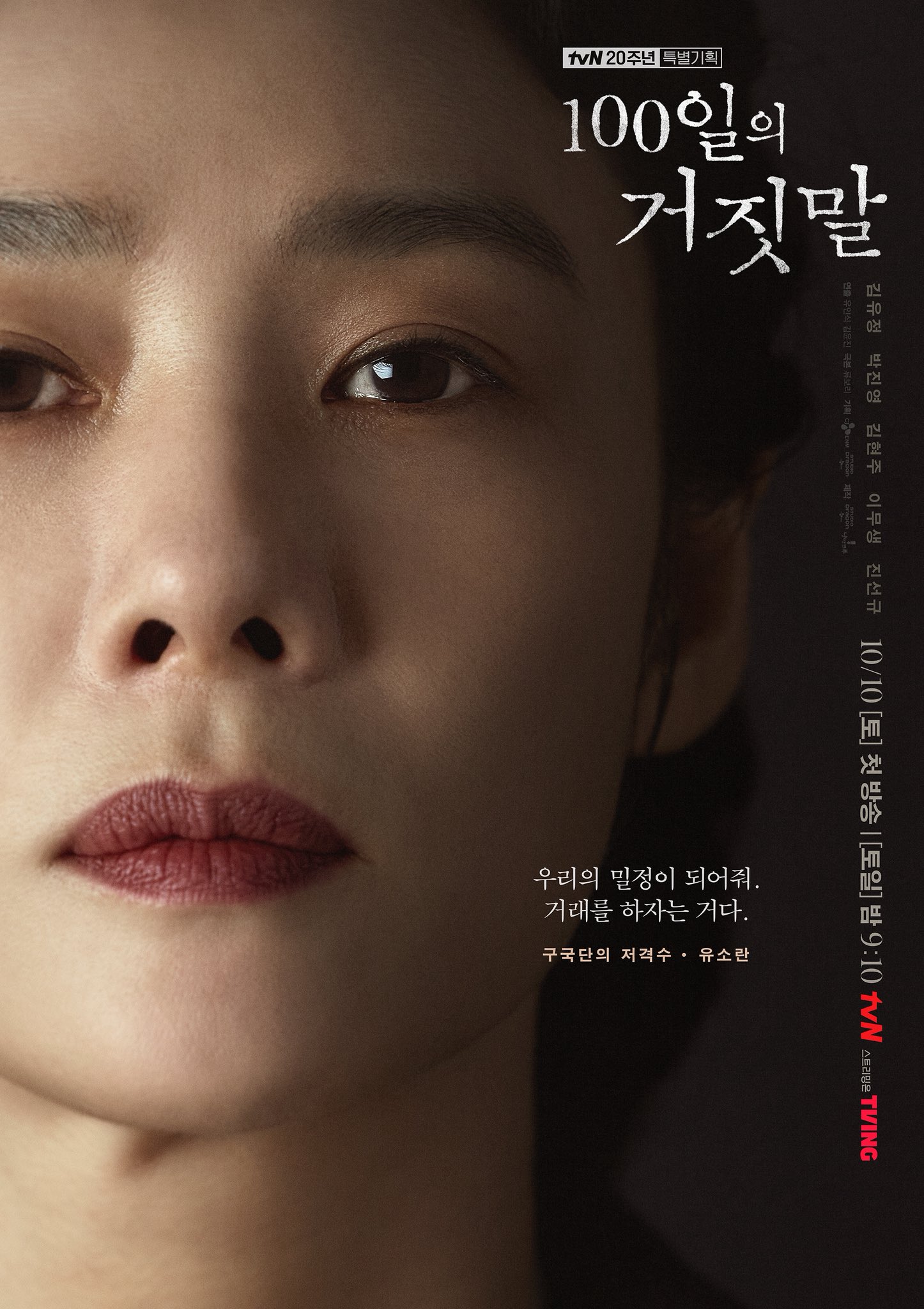
History is more than a backdrop
Stories set during colonial rule carry a responsibility to distinguish historical context from fictional plotting. The Japanese Government-General of Korea was a real colonial institution. The drama’s characters and spy mission are fictional storytelling, so viewers should not treat every scene as a literal reconstruction of a documented event. The strongest historical dramas make the human cost of a period legible without blurring that line.
The production’s public acknowledgment of independence activists offers a useful lens for watching the series: notice whose risks are visible, whose labor remains hidden, and whether the story gives its characters motives beyond romance. These questions are more revealing than assuming the series is historically accurate simply because it uses period costumes and recognizable locations.
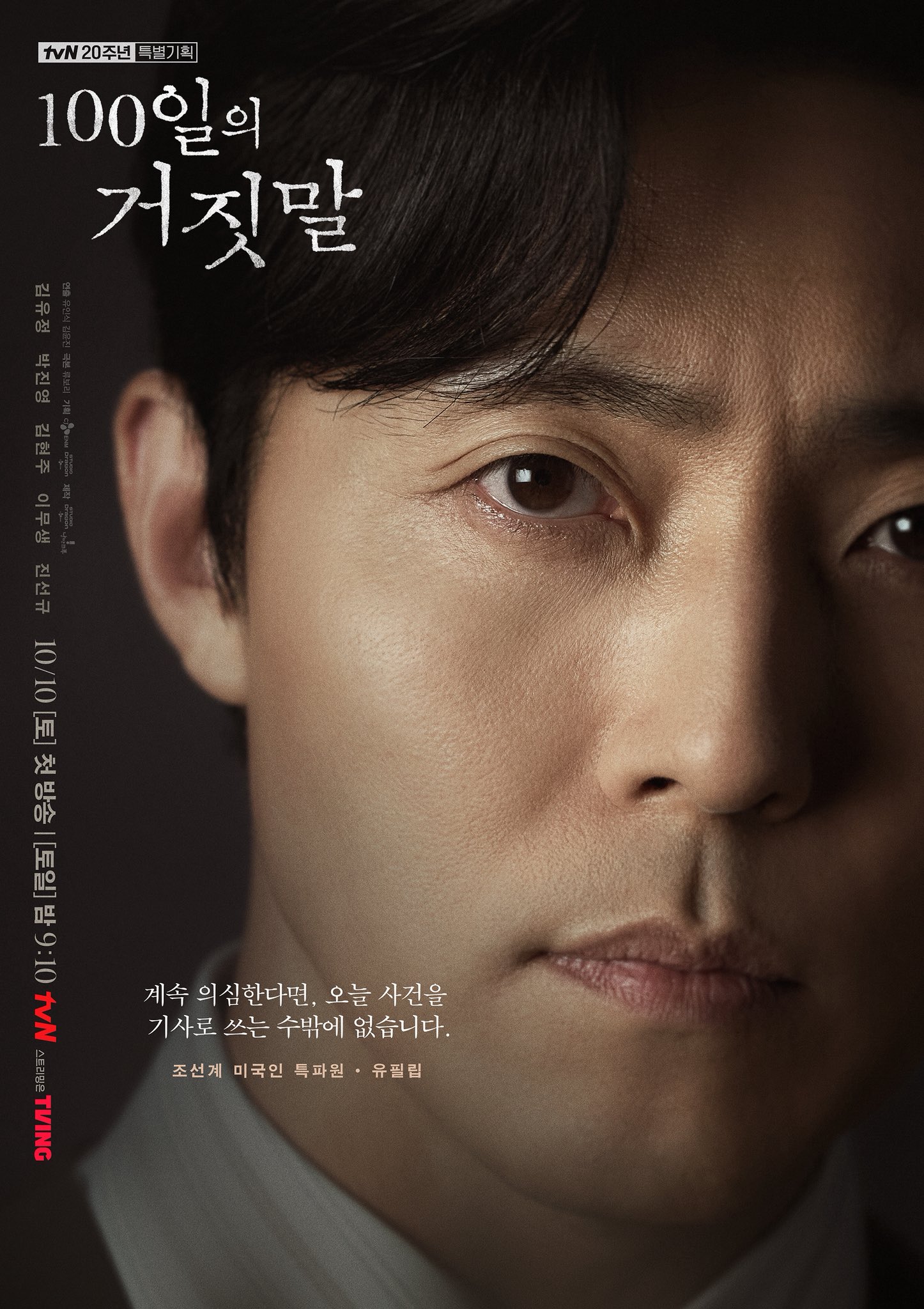
What viewers should watch for
- How the undercover mission works: Does the drama show the practical risks of maintaining a false identity, or does it use espionage mainly to move the romance forward?
- Whether both leads have agency: The tension will be richer if Ga-gyeong and Tae-woong make consequential choices rather than simply react to each other.
- How resistance is portrayed: The historical setting carries weight when the people fighting colonial rule are treated as individuals with convictions, disagreements, and costs—not as scenery.
- What the 100-day limit changes: A deadline is most effective when it changes decisions and forces trade-offs, not when it is only repeated in dialogue.
Watch the official behind-the-scenes video
tvN DRAMA has released official behind-the-scenes material for the series. The video below is from the broadcaster’s verified YouTube channel; it offers production context rather than proof of the director’s private motivation.
So, why did the director choose this story?
The evidence currently available confirms Yoo In-shik’s involvement and the drama’s blend of espionage, romance, and Korea’s colonial-era setting. It does not establish a single, direct explanation from the director for choosing the project. A grounded interpretation is that the premise gives a character-focused director a strong dramatic engine: people forced to hide who they are, an institution built around unequal power, and a deadline that makes every personal decision consequential. That is an analysis of the story’s design—not a quote attributed to Yoo.
Frequently asked questions
Who directs 100 Days of Deception?
Yoo In-shik, known for Extraordinary Attorney Woo and the Dr. Romantic series, directs the drama.
Where and when is 100 Days of Deception set?
The series is set in 1930s Gyeongseong, present-day Seoul, during Japanese colonial rule in Korea.
What is the story about?
Kim You-jung plays Lee Ga-gyeong, a pickpocket recruited to infiltrate the Japanese Government-General of Korea. Her mission becomes complicated by her connection with interpreter Kim Tae-woong, also known as Sato Hideo, played by Park Jin-young.
Has the director publicly explained why he chose the drama?
The sources cited here confirm his role but do not provide a direct explanation of his personal reasons for choosing the project. Claims about his motivation should be treated as interpretation unless supported by a direct interview.
Is the series a documentary about colonial Korea?
No. It is a period spy romance. Its historical setting is real, but the characters and central spy plot are dramatized and should not automatically be read as documented history.
Sources and further reading
- Netflix: 100 Days of Deception official title page
- Soompi: First script reading, director and cast details
- Soompi: Official character posters and story setup
- tvN DRAMA: Official behind-the-scenes video
Author: Shivam Das


