

By Shivam Das | Updated October 13, 2026
100 Days of Deception has the visual mood of a period film, but its appeal is not just about attractive costumes or dark, carefully composed frames. The Netflix-listed Korean drama places its characters in a tense version of 1930s Gyeongseong, where a stolen wallet, a guarded conversation or a glance across a room can change the direction of a spy operation. That combination of intimate acting, political danger and visual restraint helps explain why some viewers may experience the series as more cinematic than conventional television.
There is an important distinction, though: “cinematic” is a description of style, not a measurable ranking. Early coverage has highlighted the series’ historical atmosphere, emotional performances and layered espionage plot. Those elements support the impression, but they do not prove that every international viewer shares the same opinion.
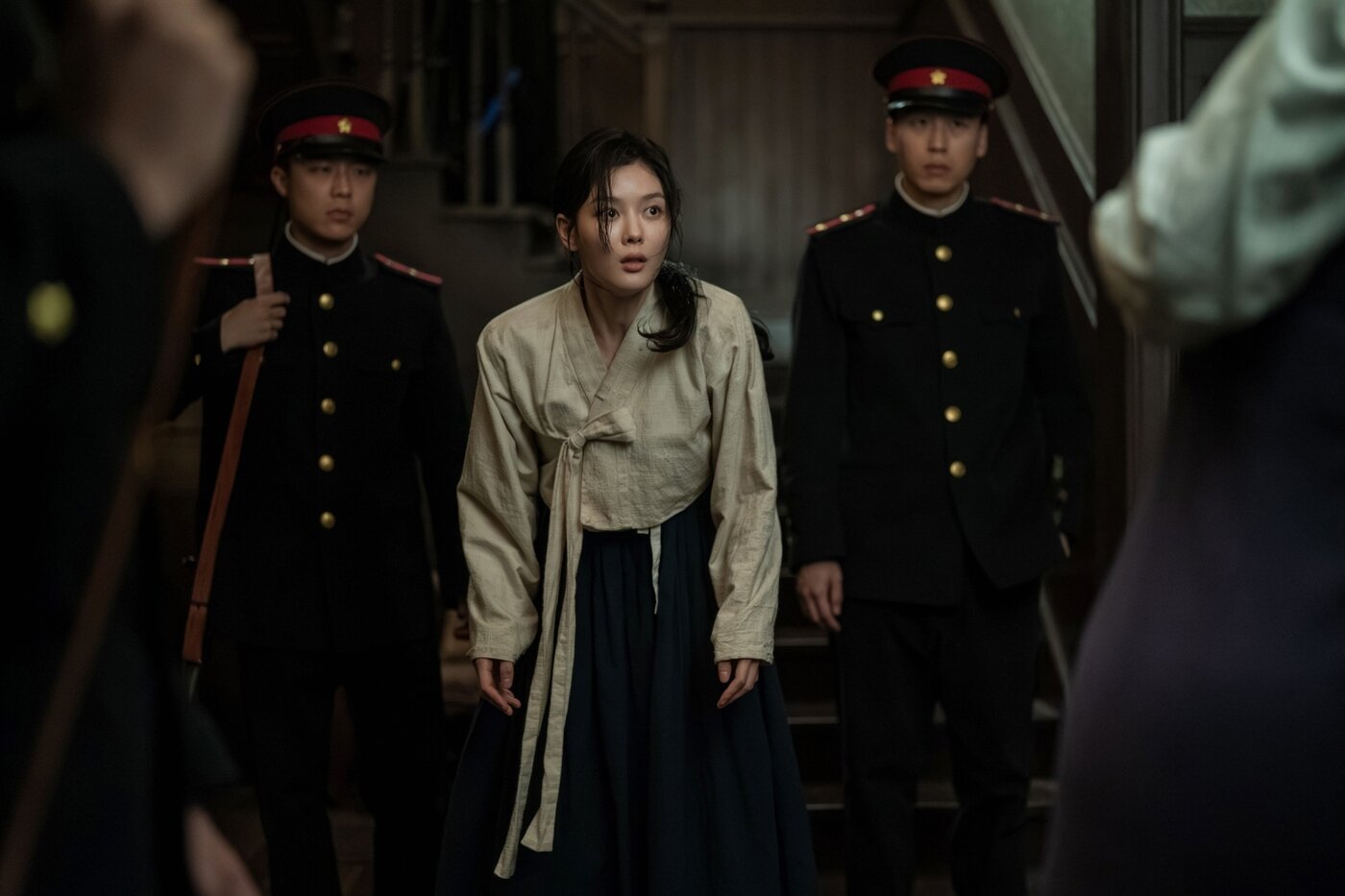
1. The frame tells a story before the dialogue does
One reason the drama can feel film-like is the way its scenes use composition to communicate danger. Characters are often placed inside doorways, formal rooms or shadowed spaces that make them appear watched or boxed in. A character’s position in the frame can suggest who holds power before anyone says a word.
That visual approach suits a story about people hiding their loyalties. Lee Ga-kyung is a skilled pickpocket who becomes involved in an independence operation; interpreter Sato Hideo lives with a complicated identity; and Yoo So-ran’s personal grief is bound to her mission. Each character has reasons to control what others can see. The camera’s attention to distance, posture and silence turns that concealment into part of the drama.
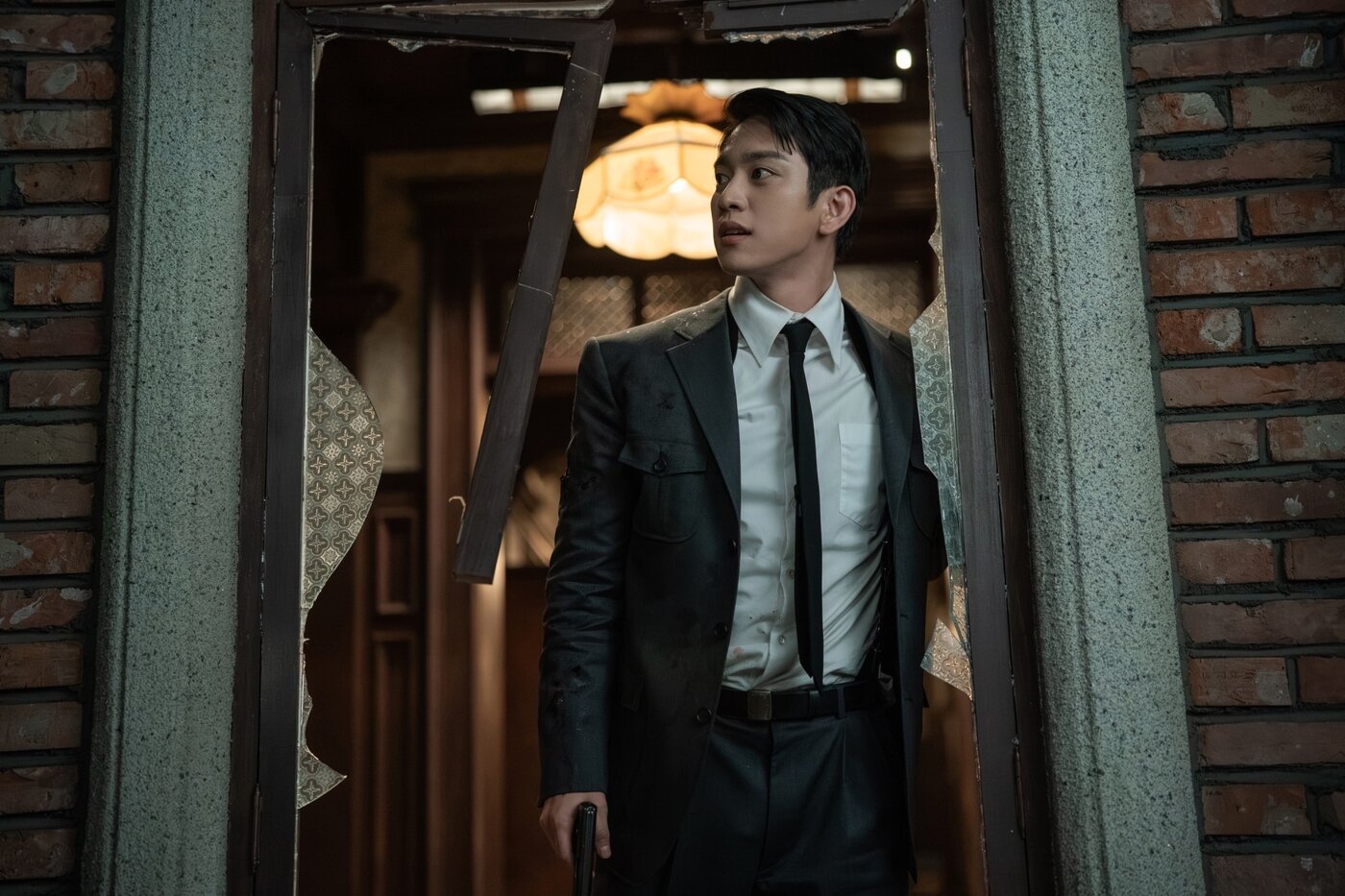
2. Shadow and color support the story’s tension
Period dramas can become visually decorative, relying on elaborate clothing and sets to signal a historical setting. Here, the darker interiors and restrained lighting also serve a narrative purpose: they make the characters’ surroundings feel uncertain. Night scenes and enclosed rooms can create the sense that information is being withheld, while a face emerging from shadow invites viewers to question what that character knows.
The visual mood is especially effective for a spy romance because the genre depends on partial truths. A scene can be emotionally intimate and politically dangerous at the same time. The result is not necessarily “better” than a brighter television style; it is a deliberate fit between subject and presentation.
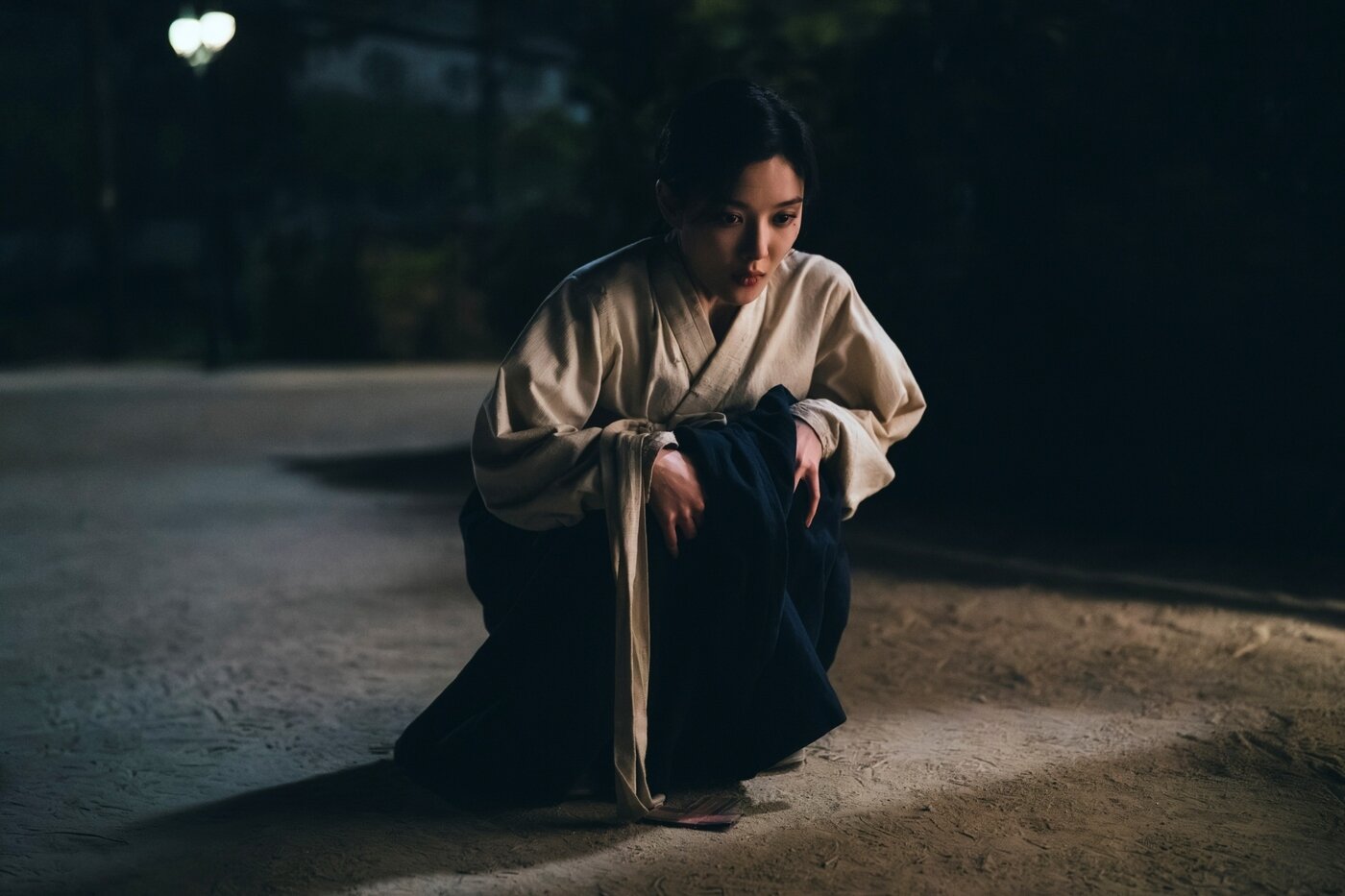
3. Performances give the images emotional scale
Visual polish alone cannot make a drama feel cinematic for long. The performances have to give those images a reason to matter. The Korea Times’ review of the opening episodes praised the emotional force of Kim Hyun-joo and Lee Mu-saeng, and described Kim Hyun-joo’s Episode 2 work as an “acting masterclass.” That specific praise is useful evidence of a strong critical response, although it should not be stretched into a claim that all critics agree.
So-ran’s story illustrates how performance and framing can work together. She is a resistance sniper carrying grief and a long period of uncertainty about her husband. A restrained reaction can communicate fear, anger or recognition without interrupting the scene with explanatory dialogue. When a performance trusts the audience to read those details, a moment can feel larger than its plot mechanics.
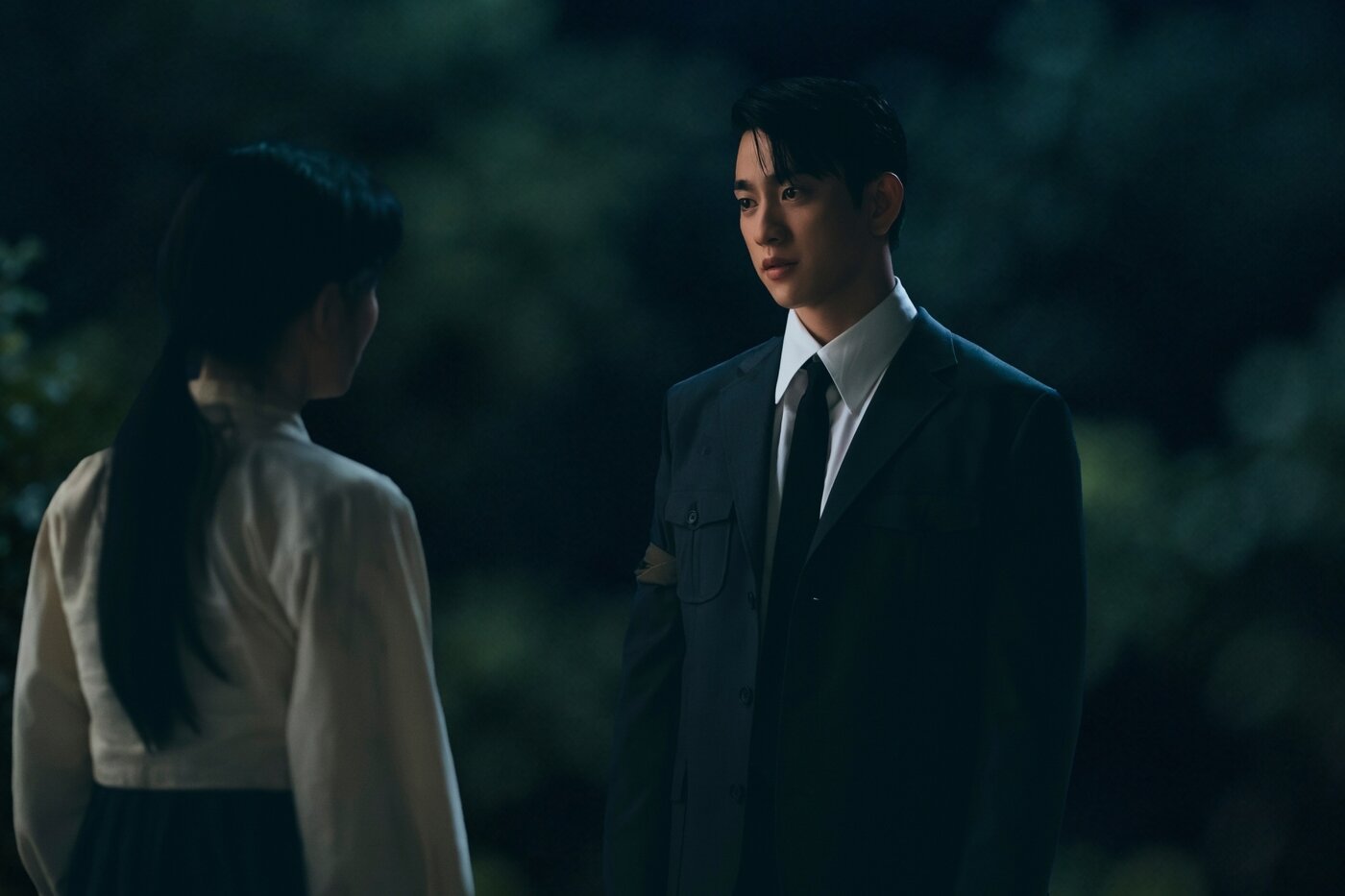
4. The historical setting is more than background decoration
The story takes place in Japanese-occupied Korea in 1932, and the colonial setting gives ordinary encounters a political charge. Official buildings, uniforms and formal gatherings are not just period details: they represent the structures the characters must navigate, infiltrate or resist. The stakes of a private decision can therefore extend beyond an individual romance.
That historical context also creates a different rhythm from a contemporary procedural. Characters must move through social rules, language barriers and unequal power relationships. The show’s multilingual exchanges and conflicting identities make communication itself a source of suspense. As Decider noted in its early review, the drama blends romance and espionage with the historical pressure of occupied Gyeongseong.
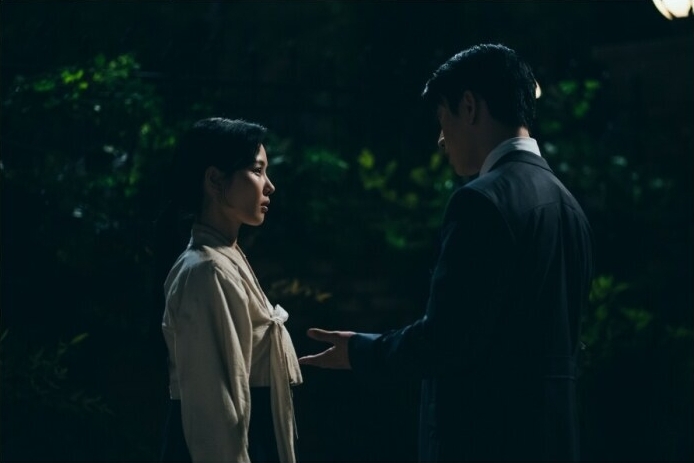
5. Why the series may feel different from ordinary weekly television
The strongest case for the show’s cinematic feel is the way several choices reinforce one another: carefully controlled compositions, moody lighting, performances built around restraint, and a historical setting where every alliance carries risk. Rather than relying only on cliffhangers, the drama often builds suspense through what characters cannot safely reveal.
That does not mean it escapes the conventions of television. It still uses serialized mysteries, relationship tension and episode-ending questions to encourage viewers to return. Cinematic presentation and episodic storytelling are not opposites; the most effective series use the visual language of film while taking advantage of television’s longer space for character development.
What international viewers should keep in mind
Viewer reactions vary by country, language, platform and personal taste. Some audiences may be drawn to the production design and emotional restraint, while others may prefer faster pacing or clearer historical context. A handful of posts or reviews cannot establish a global consensus, and social-media enthusiasm should not be confused with a representative survey.
For viewers deciding whether to try the series, the best reason is the combination of period atmosphere and character-driven suspense. If you enjoy historical dramas where costumes and locations carry meaning, and where romance is tangled with political risk, 100 Days of Deception offers a strong starting point. Netflix’s official listing identifies it as a 2026 Korean period drama starring Kim You-jung, Park Jin-young and Kim Hyun-joo.
Quick answer: Why does 100 Days of Deception feel cinematic?
It combines carefully composed period visuals, shadow-heavy interiors, restrained performances and a politically charged historical setting. These choices make the atmosphere feel film-like while the weekly story structure keeps the suspense moving. “Cinematic” remains a viewer judgment, not an official industry ranking.
Frequently asked questions
Is 100 Days of Deception a movie or a TV series?
It is a Korean television drama released in 2026 and listed on Netflix. Its visual style may feel film-like, but it is structured as an episodic series.
What makes the cinematography feel cinematic?
Composed frames, low-light interiors, period production design and pauses that let expressions carry meaning all contribute to the impression.
Is the drama based on real historical events?
The series is set during Japanese colonial rule in Korea and draws on that historical context. Its main characters and espionage plot are presented as drama; viewers should not assume every storyline is a documented historical event.
Which actors lead 100 Days of Deception?
The Netflix listing names Kim You-jung, Park Jin-young and Kim Hyun-joo among the starring cast.
Where can I watch it?
Check Netflix’s official title page for availability in your region.
Related coverage
- Kim Hyun-joo’s Episode 2 Performance Called “Acting Masterclass” by Critics
- 100 Days of Deception Episode 2 Ending Explained
- The Real History Behind 100 Days of Deception


