

By Shivam Das | Updated October 13, 2026
At first glance, 100 Days of Deception has the familiar ingredients of a period spy romance: a dangerous undercover mission, hidden identities, political pressure and a relationship built on incomplete truths. What gives the Korean drama its emotional pull, however, is the question beneath the espionage: what happens when a person who survives by lying begins to care about the people those lies could hurt?
The series follows Lee Ga-kyeong, a skilled pickpocket who joins an independence movement mission and infiltrates the Japanese Government-General in 1930s Gyeongseong. There she becomes entangled with interpreter Kim Tae-woong, also known as Sato Hideo. Netflix’s official synopsis foregrounds the theft of secrets and the romance that complicates the mission; the character material also points to a wider ensemble carrying private loyalties and unresolved pain. Read Netflix’s official series page and Soompi’s character-poster coverage for the core details.
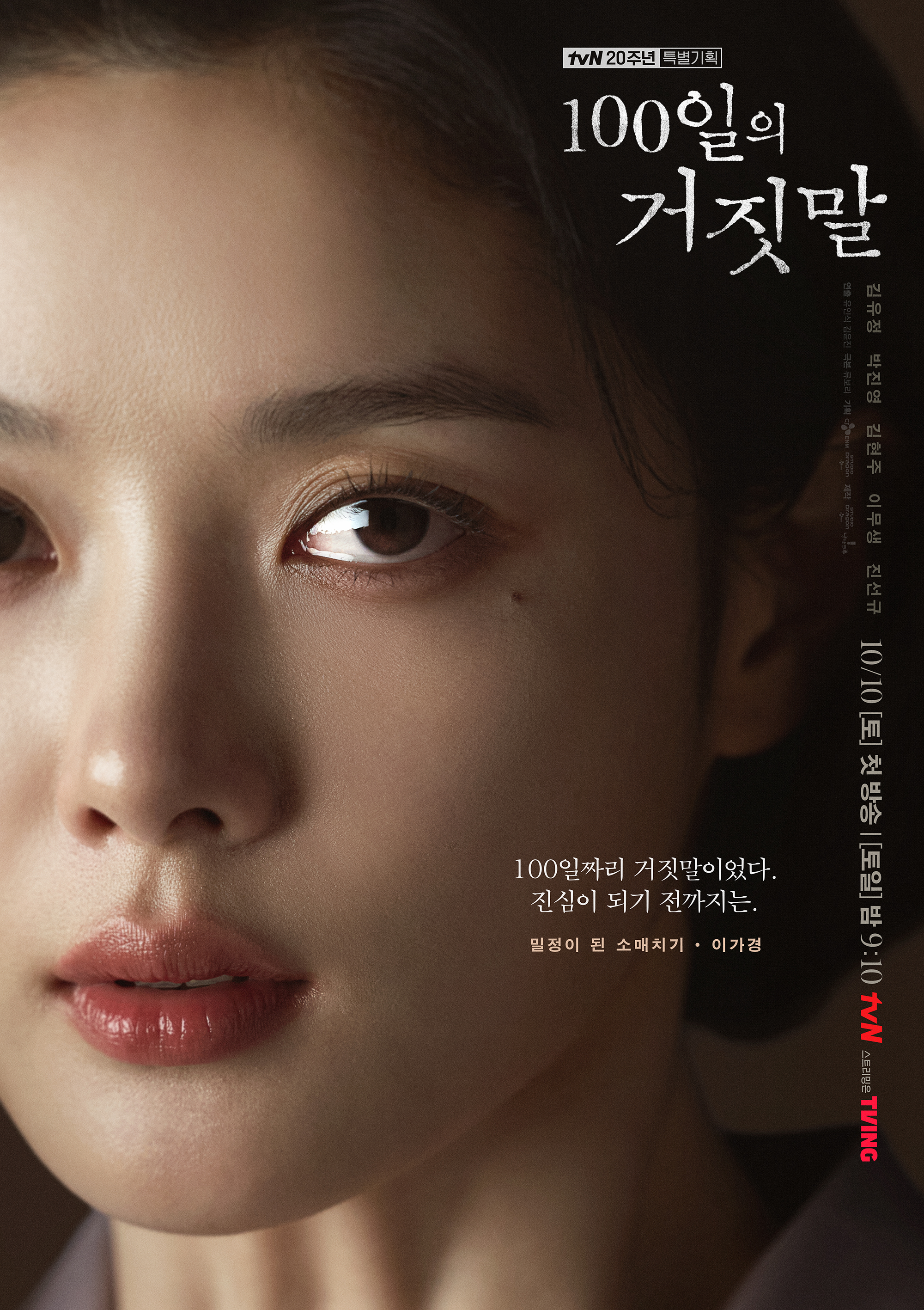
The real tension is not whether the characters can keep a secret
In a conventional spy story, a secret is a puzzle waiting to be solved. Here, a secret can also be a form of protection. Ga-kyeong’s false identity helps her enter a dangerous institution, but every convincing performance creates a second risk: the more believable she becomes, the more complicated it may be to return to the person she was before the mission.
That is the emotional engine of an undercover story. The character must decide which parts of herself to reveal, which relationships to exploit and which lines she will not cross. These choices can make a romance feel more consequential than a simple attraction between leads. Trust is not a soft subplot; it becomes a tactical decision with real stakes.
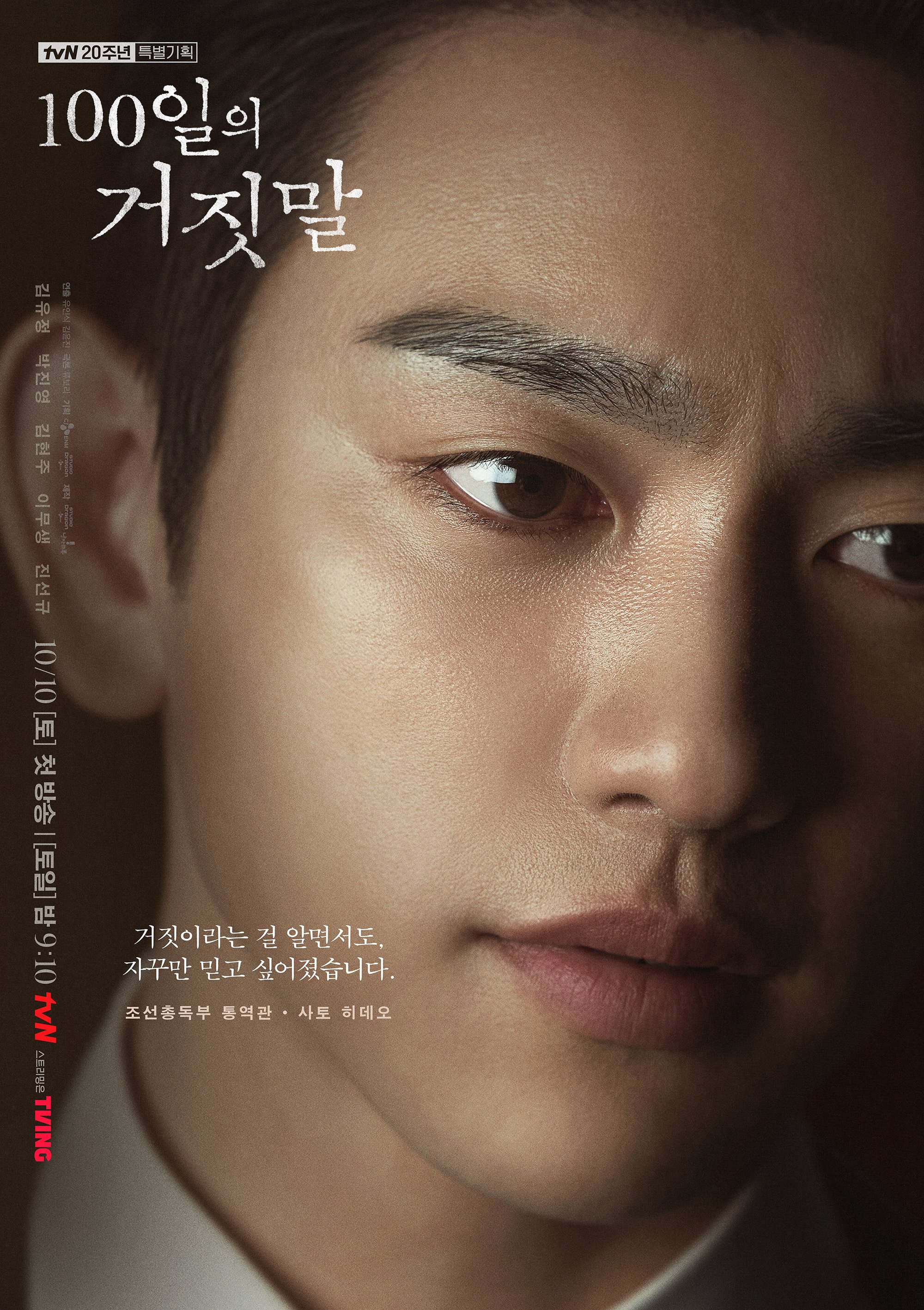
Hideo’s divided identity adds another layer
Park Jinyoung’s character is presented as an interpreter working within the Government-General and as a Korean adopted into a Japanese family. That position places him between institutions, histories and personal loyalties. He is not simply an obstacle for Ga-kyeong to outwit; he is also a person whose own sense of belonging can be questioned.
This conflict gives the drama room to explore how political systems enter private life. A character may look secure because of a title, uniform or professional skill, while still being uncertain about where he belongs. When two people conceal different truths, their relationship becomes a contest between what they observe and what they are willing to believe.
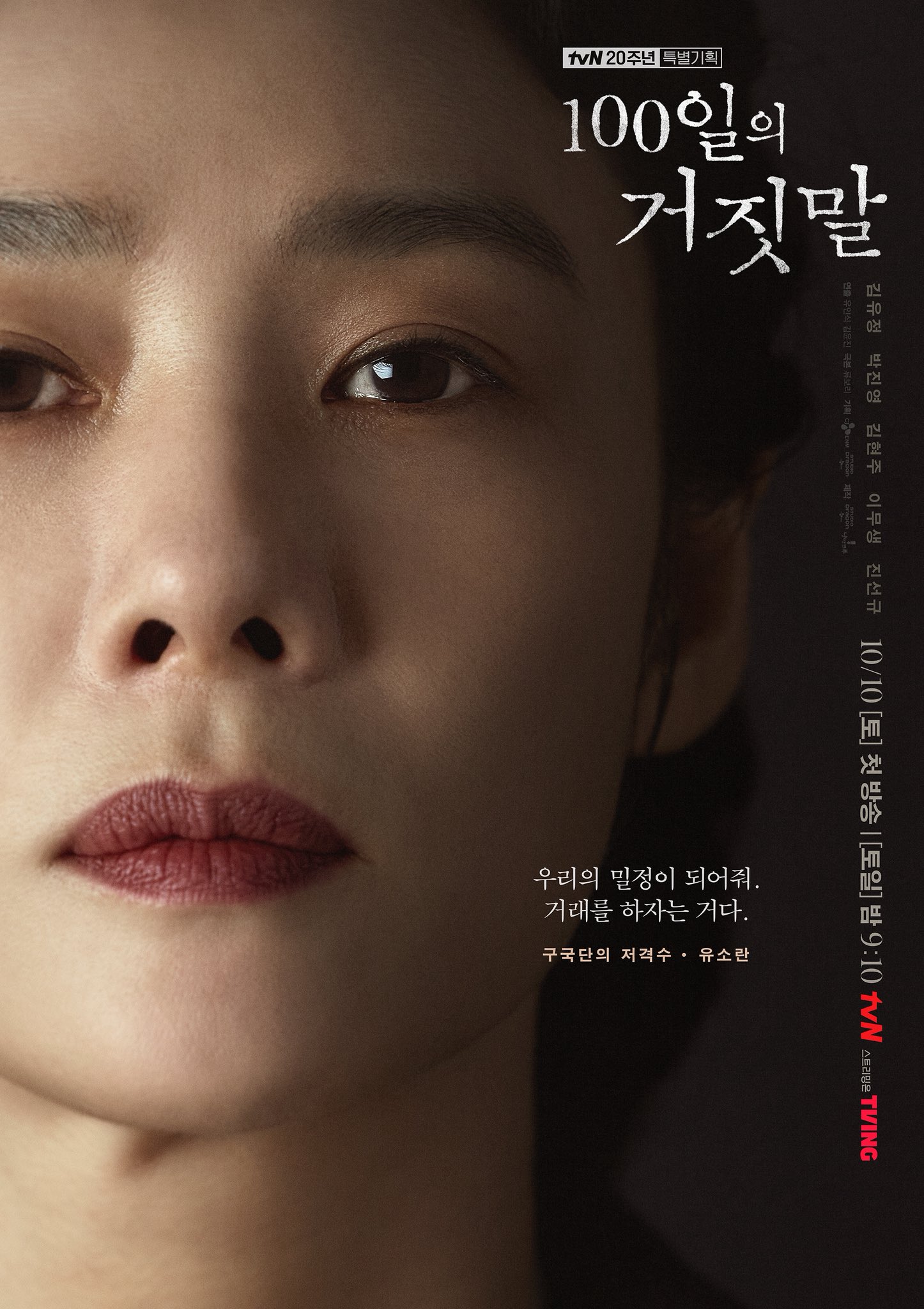
So-ran represents the cost of turning pain into a mission
Kim Hyun-joo plays Yoo So-ran, a sniper associated with the resistance group Gugukdan who helps draw Ga-kyeong into the undercover operation. The character description frames her as determined and driven by revenge. A mission can provide direction to someone who has been hurt, but it can also narrow the future until every decision is measured against the original wound.
So-ran’s presence broadens the story beyond the central romance. The resistance plot is not only about gathering intelligence; it also asks what sacrifice does to the people who carry it out. A person can be brave and still be vulnerable, disciplined and still be haunted. Those contradictions are where a spy drama can become a character drama.
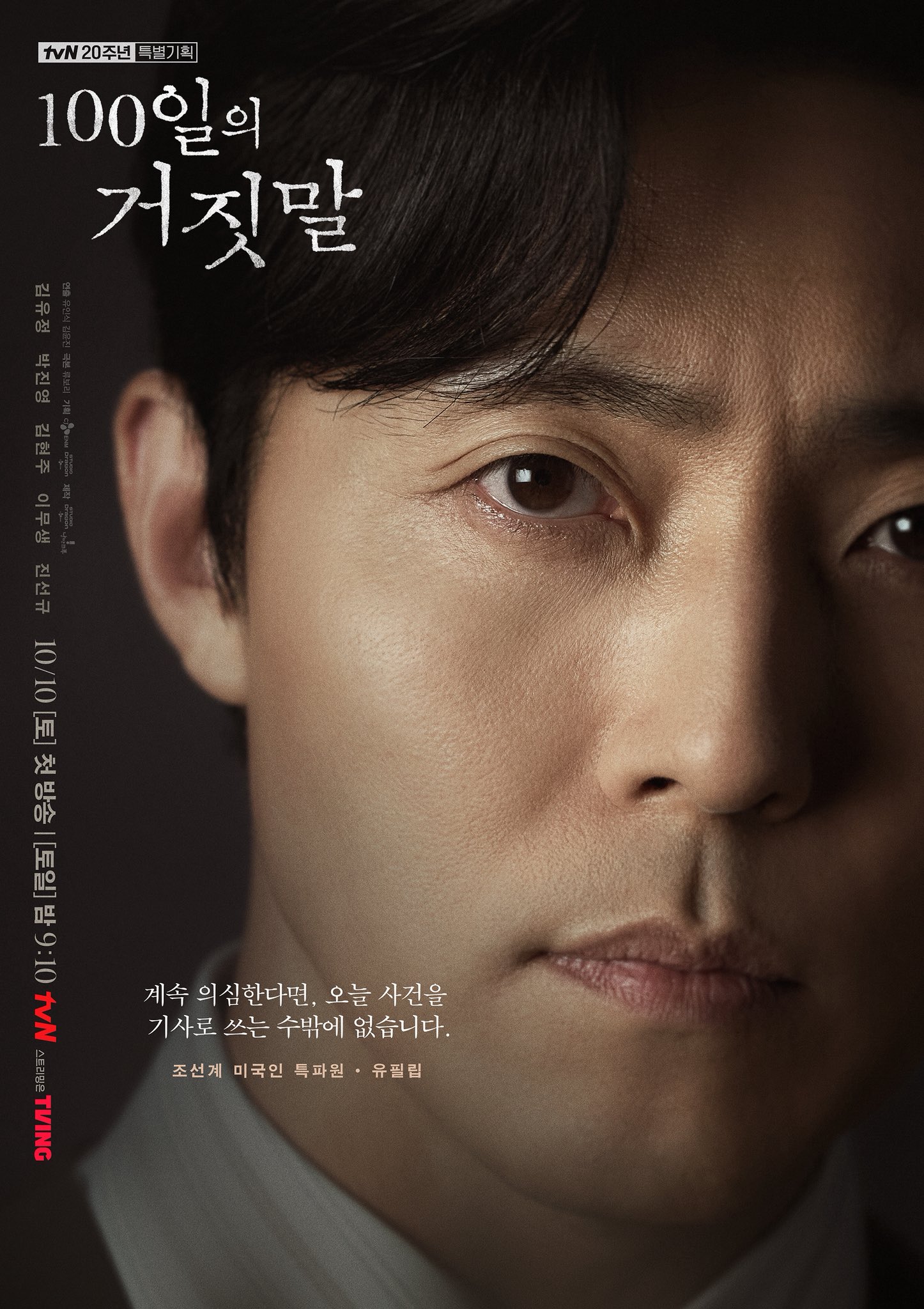
Journalism, public image and the power of a carefully chosen truth
Lee Moo-saeng’s Yoo Philip is described as a correspondent for an American news agency and a member of Gugukdan. His professional role gives him a different kind of leverage: information can become pressure, and a published account can threaten people accustomed to controlling the narrative.
That makes the character a useful mirror for the drama itself. In a world where everyone is managing appearances, information is never neutral. Who gets to tell the story? Which facts are withheld? And when does silence protect a vulnerable person rather than the powerful? These questions add a political dimension without requiring every scene to become a speech.
The antagonist matters because power can make cruelty look ordinary
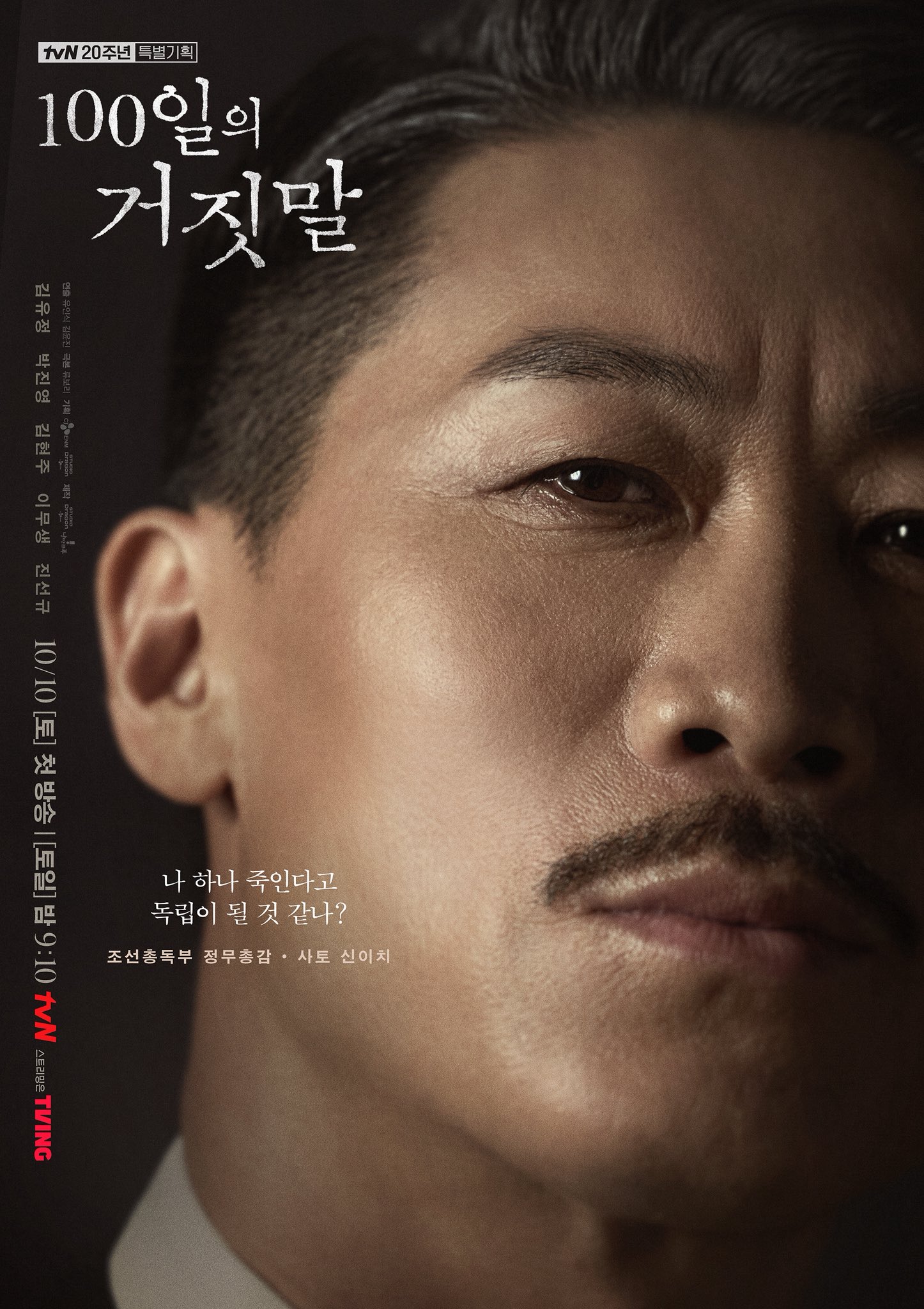
Jin Sun-kyu plays Sato Shinichi, a senior official in the Government-General and a target of the resistance. The character’s institutional power raises the stakes for everyone operating around him. The most frightening antagonist is not always the one who shouts; it can be the person whose position makes others calculate the cost of disagreeing.
Against that backdrop, personal relationships become politically risky. Affection can reveal a weakness, a friendship can look like collusion, and a question asked at the wrong moment can expose an entire network. The drama’s emotional stakes grow from the same source as its suspense: no character can be certain what another person’s words will cost.
Why the period setting deepens the story
The drama is set in Gyeongseong during Japanese colonial rule, a period in which surveillance, political repression and resistance shape the characters’ choices. Historical settings are most effective when they do more than provide costumes and architecture. Here, the setting gives the characters concrete reasons to hide their affiliations and weigh private desires against collective danger.
It is important to distinguish the drama’s fictional characters and plot from the real history that inspired its setting. A television narrative can create a vivid emotional entry point, but viewers should not treat every plot event as a documented historical incident. Use reliable historical sources alongside the series rather than assuming dramatic scenes are literal records.
Quick answer: What gives 100 Days of Deception emotional depth?
100 Days of Deception gains emotional depth by making deception personal. Ga-kyeong’s undercover mission, Hideo’s divided identity, So-ran’s revenge-driven commitment, Philip’s use of information and Shinichi’s institutional power create conflicts in which trust has consequences. The spy plot moves the story forward, but the characters’ private loyalties give those risks meaning.
Frequently asked questions
What is 100 Days of Deception about?
It is a Korean period spy romance about Lee Ga-kyeong, a skilled pickpocket who infiltrates the Japanese Government-General in 1930s Gyeongseong as part of an independence movement mission and becomes entangled with interpreter Sato Hideo.
Who plays Lee Ga-kyeong and Sato Hideo?
Kim You-jung plays Lee Ga-kyeong, and Park Jinyoung plays Sato Hideo, also known as Kim Tae-woong.
Who is Yoo So-ran?
Kim Hyun-joo plays Yoo So-ran, a resistance sniper connected to the Gugukdan independence group who helps recruit Ga-kyeong for the undercover mission.
Is 100 Days of Deception based on real events?
The drama uses a historical setting and themes connected to resistance under Japanese colonial rule, but its characters and specific storylines should be treated as dramatized fiction unless a reliable source documents an individual event as historical fact.
Where can I find official information about the series?
Start with Netflix’s official title page and read the cast and character overview from Soompi’s character-poster report.
Official social post
The following post is from tvN Drama’s official X account and promotes the series. Social embeds may require X scripts and may not display in every browser or theme.
View this post on X
Related reading
- Kim Hyun-joo’s Episode 2 Performance: Why Critics Are Paying Attention
- 100 Days of Deception Episode 3 Preview
- 100 Days of Deception Cast Guide
Sources: Netflix official series page; Soompi character-poster report; Soompi script-reading report.


