

What makes 100 Days of Deception feel different from other colonial-era Korean dramas? Its central tension is not simply whether two people will fall in love. It is whether trust can survive when every conversation may be an act, every identity may be incomplete, and the institution surrounding the characters is built on coercion.
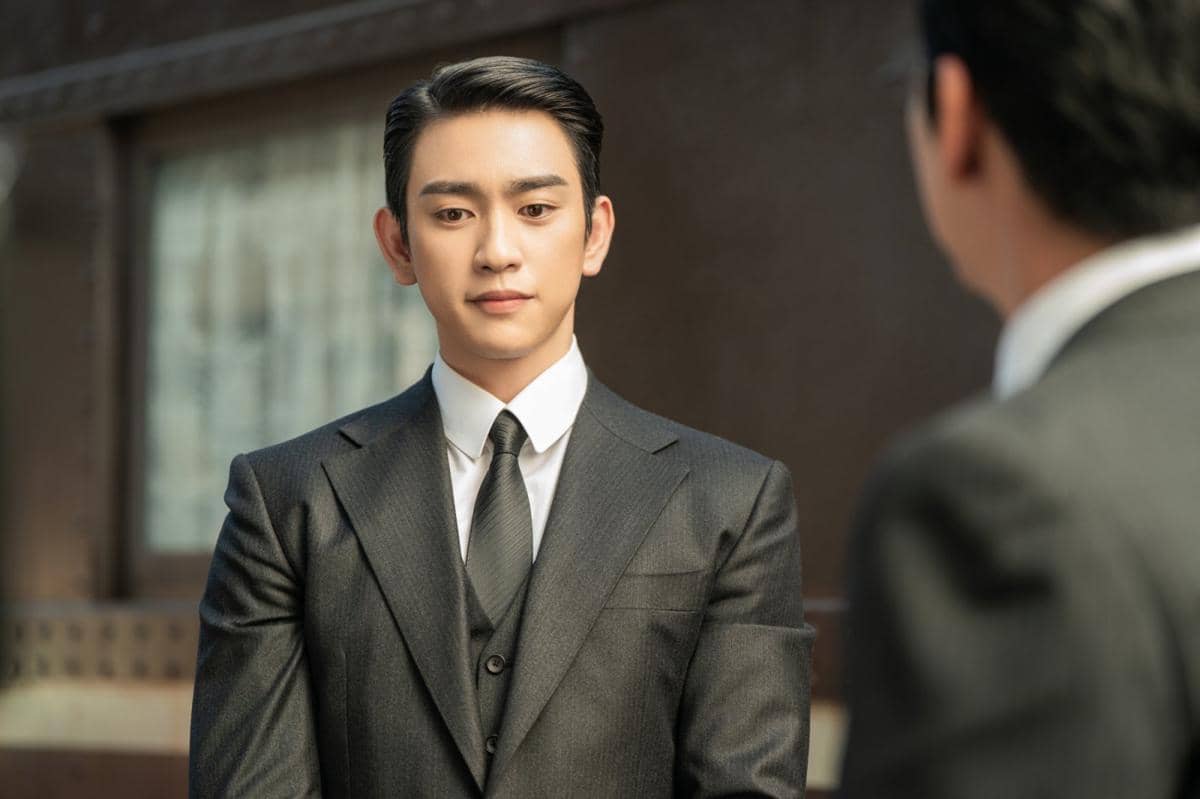
Set in 1932 Gyeongseong, the Netflix and tvN drama follows Lee Ga-kyung, played by Kim You-jung, a skilled pickpocket who goes undercover inside the Japanese colonial government, and Sato Hideo, played by Park Jin-young, an elite interpreter whose family position places him close to power. The series combines espionage, romance and the history of Korea under Japanese colonial rule. Netflix's official synopsis and reporting from The Korea Times establish that premise; the distinction lies in how those elements put pressure on the characters' choices.

The spy story makes ordinary scenes feel dangerous
In a conventional romance, a meeting in an office or a pause during a conversation might mainly signal attraction. In an espionage story, the same moment can also mean surveillance, a test of loyalty or an attempt to conceal evidence. Ga-kyung's pickpocket skills give her a practical way to read people, but infiltrating a government office demands more than quick hands: she has to manage what others believe about her.
That premise gives the series a useful dramatic engine. A character can tell the truth about one thing while lying about another. A gesture may be affectionate and tactical at once. Rather than treating romance as a break from the danger, the show can make intimacy another place where the characters risk being discovered.

Language is part of the power struggle
Interpreting is not a neutral job in a colonial administration. The person who translates a statement can influence what is heard, what is omitted and who is believed. Hideo's role as an elite interpreter therefore carries story potential beyond the usual secret-identity twist. He works close to an institution that gives him status, while the political reality of that institution creates moral pressure around the people it governs.
Ga-kyung's undercover assignment makes language equally important to her. She must perform a credible identity while protecting the purpose behind it. The most revealing question is not only whether she can fool the people around her, but how long she can keep separate the person she pretends to be and the person she is becoming.
The historical setting should matter beyond the costumes
The drama is set during Japan's rule over Korea, a period marked by political repression and resistance. That history gives the characters' choices stakes beyond personal ambition. The setting works best when the story remembers that the colonial administration is not just an atmospheric backdrop: it is the structure that determines who can move freely, whose voice carries authority and what resistance may cost.
Director Yoo In-sik has spoken about the pressure of recreating the period when few original sites and buildings survive, according to The Korea Times. That production challenge matters because convincing period drama depends on more than vintage clothes. Offices, streets, documents and public spaces all help explain the boundaries in which the characters live.

Romance becomes a question of trust, not just chemistry
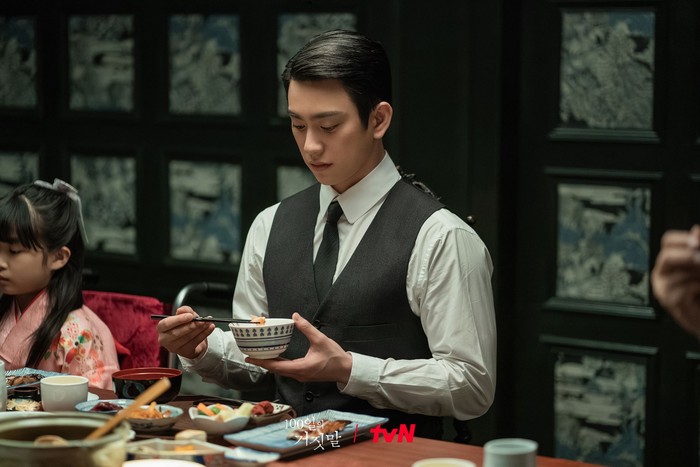
Ga-kyung and Hideo are positioned on opposite sides of an information divide. She has reasons to hide her mission; he has reasons to guard his identity and loyalties. Attraction cannot instantly erase those facts. Each new piece of information can deepen their connection while making it harder to know whether the other person is being honest.
This is where the comparison with other historical romances becomes less useful than a more specific question: does the relationship change what the characters are willing to risk? If affection pushes either character to question an institution, protect someone vulnerable or reconsider an inherited allegiance, romance becomes part of the political plot rather than a separate storyline.
What viewers should watch for next
- Small inconsistencies: In an undercover story, a change in wording or an unexplained absence can matter more than a dramatic confession.
- Who controls information: Notice who is allowed to read a document, translate a statement or decide which version of an event becomes official.
- The cost of loyalty: The strongest turning points will be the choices that force characters to give up safety, status or a relationship.
- Historical context: The colonial setting should shape the consequences of the characters' actions, not merely the look of the production.
Is 100 Days of Deception different from other colonial-era K-dramas?
Its premise offers a distinctive combination: a pickpocket's street-level instincts, an interpreter's proximity to official power, an undercover mission with a fixed deadline and a romance complicated by divided loyalties. Those ingredients can make even a quiet exchange feel consequential. Whether the series fully delivers will depend on how consistently it connects character development to the historical reality it depicts.
For viewers deciding whether to start the drama, the best reason to watch is not a promise that it has surpassed every earlier series. It is the specific tension between language, identity, power and intimacy. That is a more meaningful standard than a broad claim that one show has replaced another.
Frequently asked questions
What is 100 Days of Deception about?
Netflix describes it as a story about Gyeongseong's top pickpocket infiltrating the Japanese colonial government to steal secrets and falling for her target's son.
Who stars in 100 Days of Deception?
The principal cast includes Kim You-jung, Park Jin-young, Kim Hyun-joo, Lee Mu-saeng and Jin Sun-kyu.
When and where is the drama set?
The story is set in 1932 Gyeongseong, the former name for Seoul, during the Japanese colonial period.
Where can viewers check official information?
See the official Netflix title page and The Korea Times report on the drama for the premise, cast and production context.
Official video
Watch the press-conference video featuring Park Jin-young via the tvN clip:
By Shivam Das. Images are embedded from the linked publishers' coverage; check each source's reuse terms before republishing or syndicating the images.


