

Updated October 12, 2026 · By Shivam Das
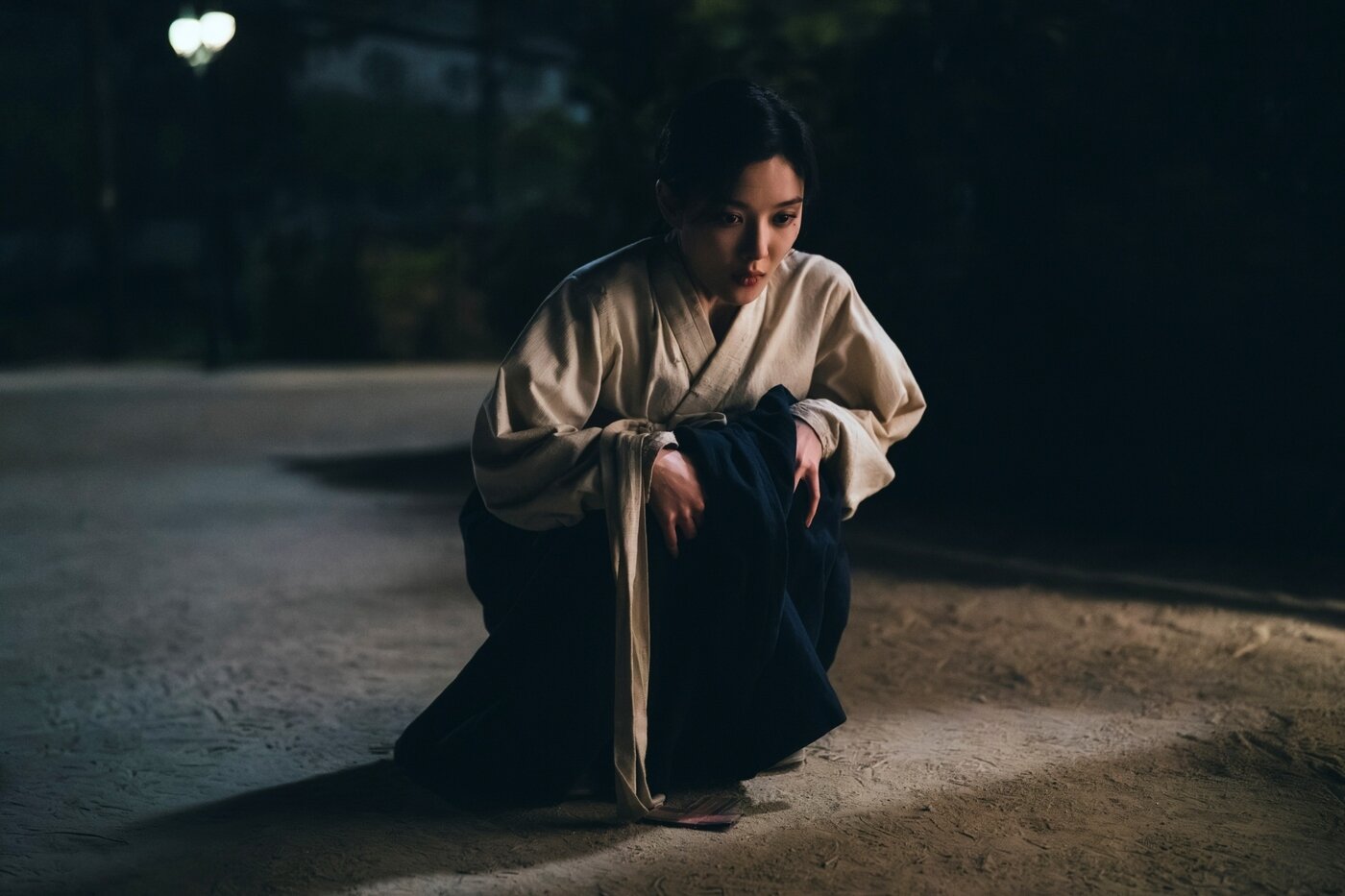
The pawnshop reunion in 100 Days of Deception works because it turns a small, practical detail—a stolen wallet—into a moment loaded with suspicion, danger, and unexpected intimacy. In Episode 2, Lee Ga-kyung and Sato Hideo cross paths again in a Jongno pawnshop, where Ga-kyung is trying to sell bullets. Hideo recognizes her, catches her before she can escape, and delivers the line, “Got you, pickpocket.” The scene lands as both a romantic spark and a reminder that neither character can safely trust the other.
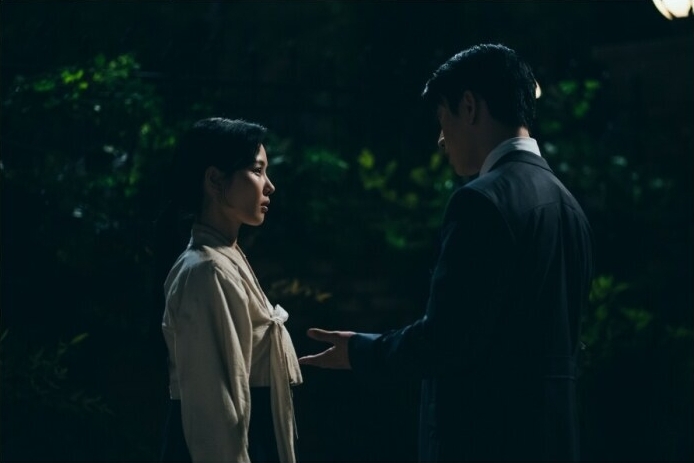
Quick answer: The pawnshop scene matters because Hideo finally catches Ga-kyung after their earlier encounters, while the stolen-wallet history gives his teasing line a sharper edge. It is not simply a cute reunion: it shows that he is watching her closely, and that her cover story is becoming harder to maintain.
Why the Jongno pawnshop encounter hits differently
Until this point, the pair’s relationship has been built on incomplete information. Ga-kyung is a skilled pickpocket who survives by reading people quickly and keeping her own intentions hidden. Hideo, who moves through the story under the name Sato Hideo, has reasons of his own to be guarded. Their earlier wallet encounter might have ended as an ordinary theft, but the later meeting makes it clear that the incident has not left his mind.
The pawnshop setting is an effective choice. It is not a grand ballroom or a dramatic public confrontation. It is a place where valuables change hands and people hope to turn objects into money. Ga-kyung’s attempt to sell bullets also connects the scene to the wider danger surrounding the independence group and the assassination plot. A seemingly small transaction suddenly carries consequences beyond the shop.
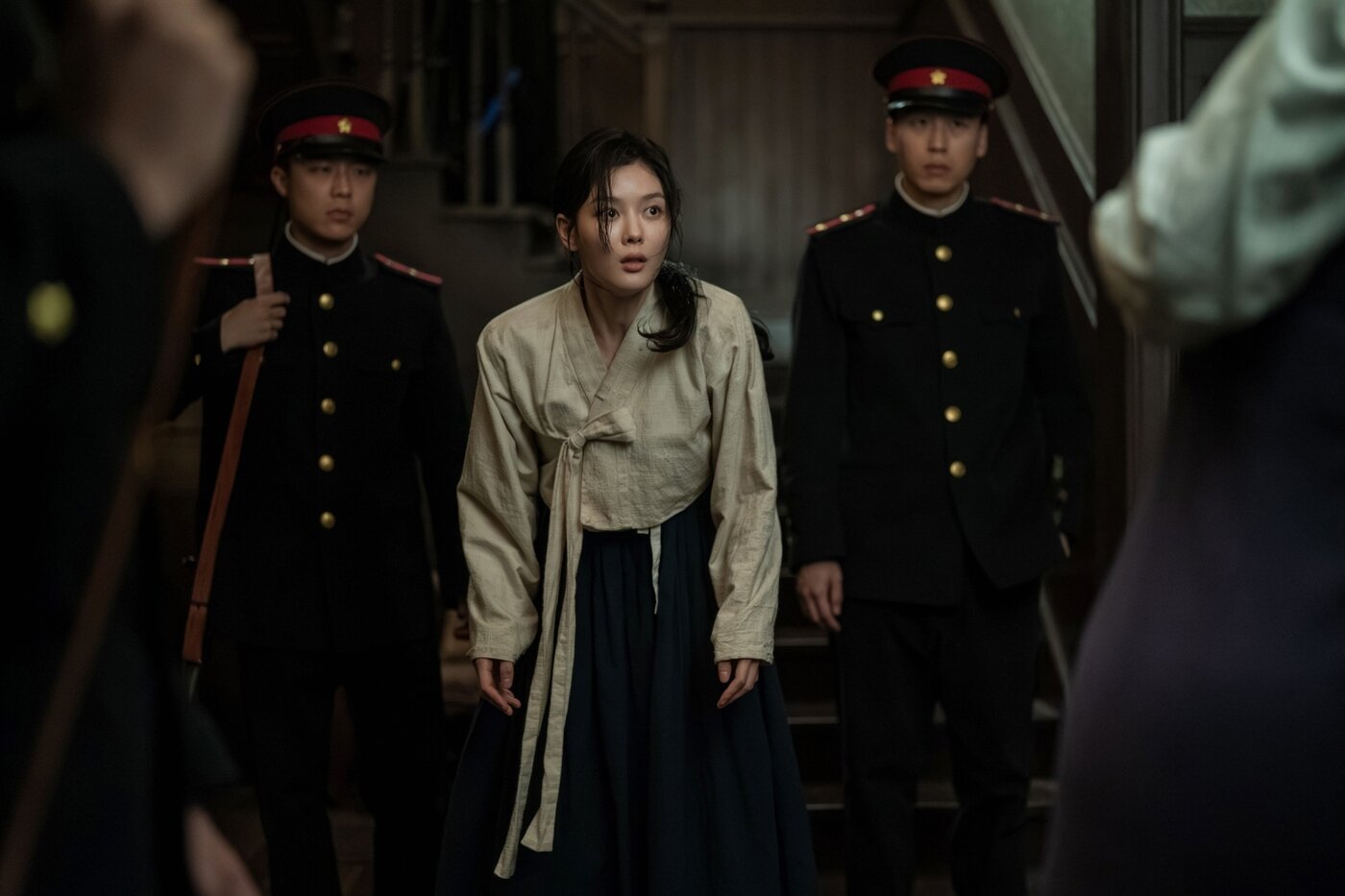
“Got you, pickpocket”: teasing, warning, or both?
Hideo’s line works on two levels. On the surface, it is playful: he has caught the person who took his wallet. Beneath that, it is a warning that Ga-kyung cannot assume she has fooled him. The line also reverses their earlier dynamic. Ga-kyung usually controls an encounter by choosing what to reveal and when to disappear. This time, Hideo controls the moment by stopping her escape.
That shift is why the scene can feel romantic without making the characters’ situation suddenly safe. Chemistry does not erase suspicion. Instead, the attraction becomes more interesting because each character has a reason to keep the other at a distance.
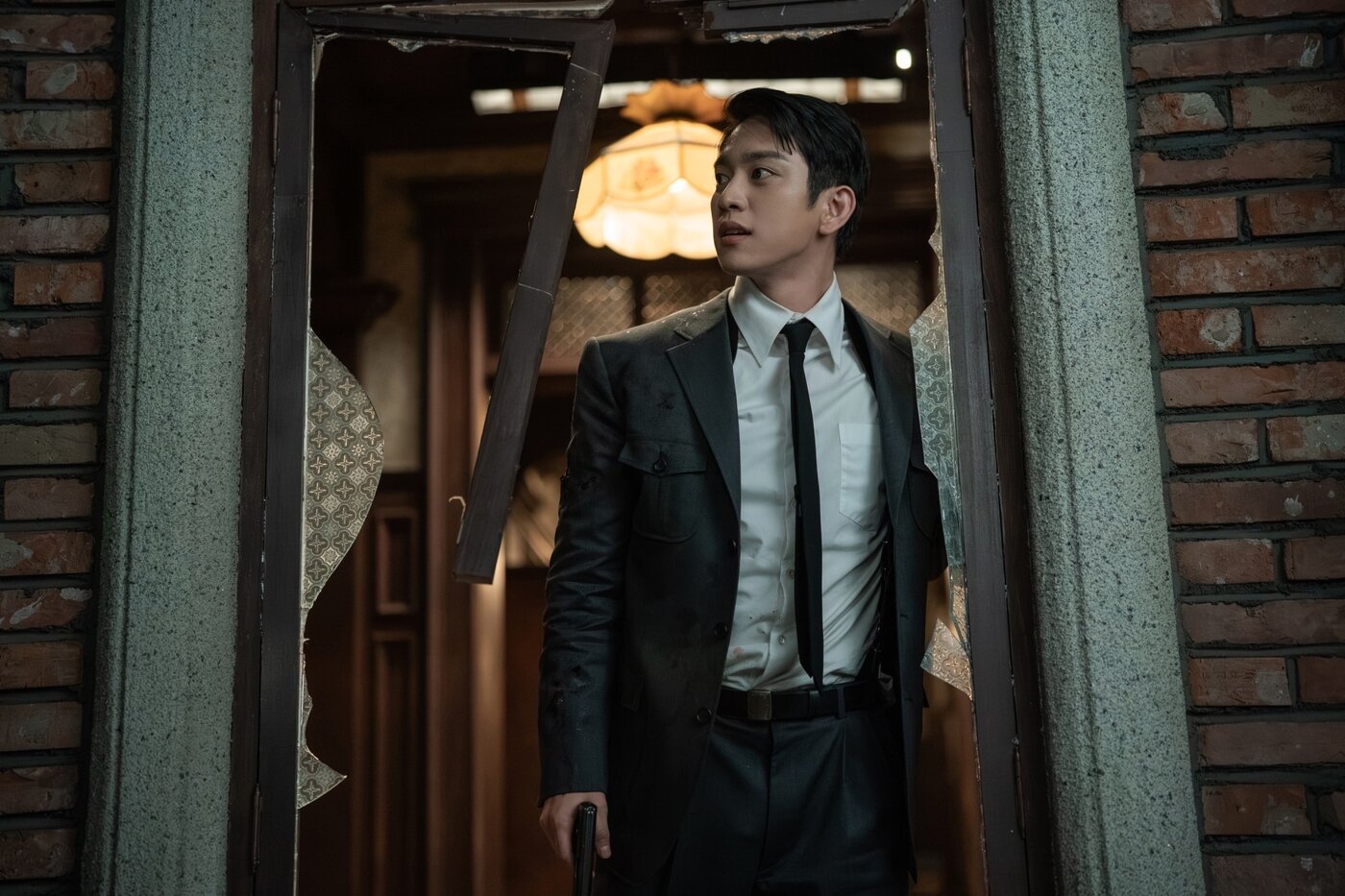
The arm-around-the-waist moment raises the stakes
The physical blocking adds another layer to the reunion. Hideo catches Ga-kyung at close range, and the brief contact makes the confrontation feel intimate even as the dialogue remains accusatory. The scene’s tension comes from that mismatch: the characters are physically close, but emotionally they remain on opposite sides of a game neither fully understands.
It is a familiar romantic-drama device, but here it is supported by the plot rather than added only for spectacle. Hideo has already seen Ga-kyung in more than one identity, while Ga-kyung has every reason to worry that recognition could expose her. The moment therefore advances both the relationship and the espionage story.
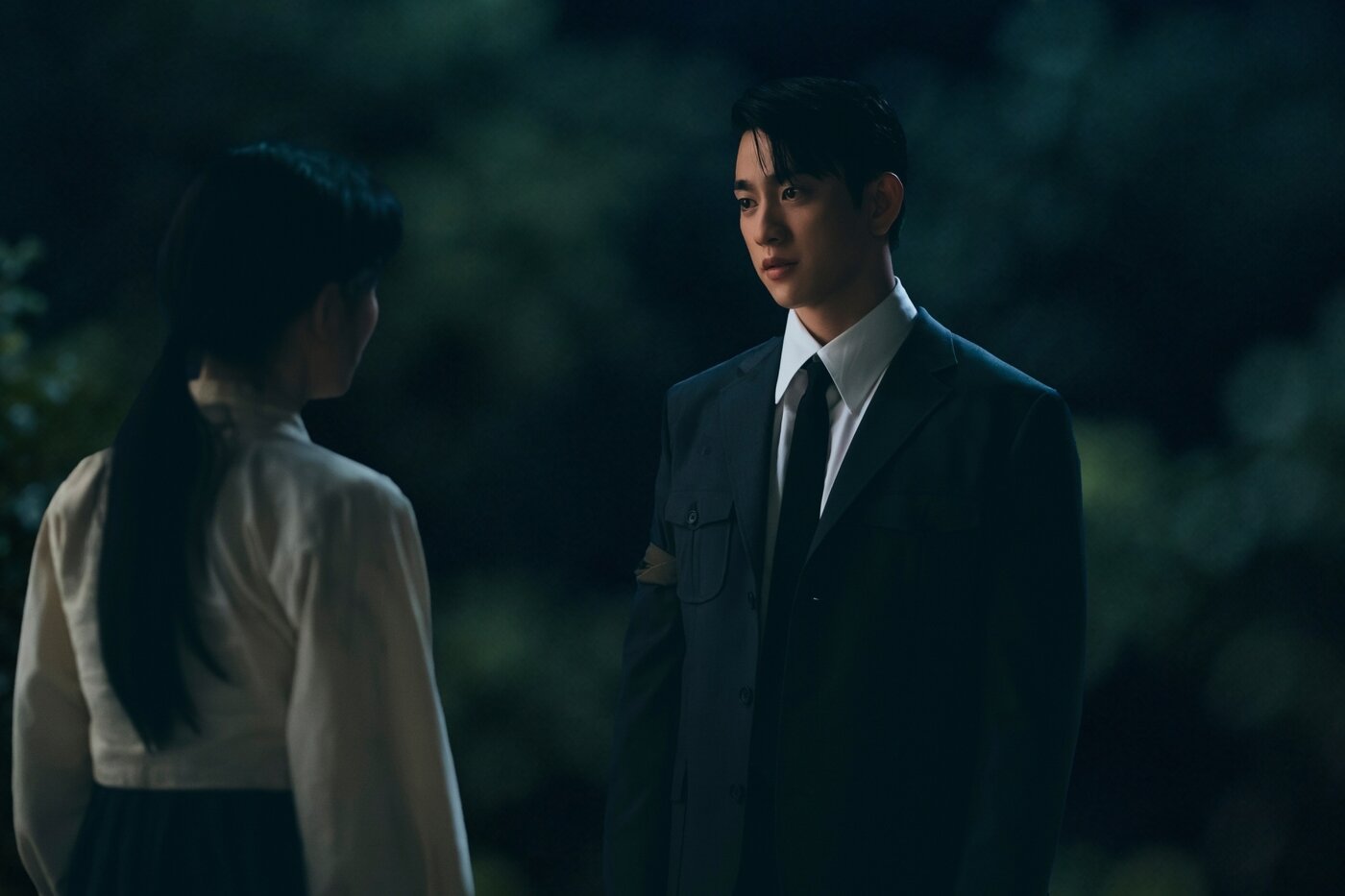
What Episode 2’s ratings tell us—and what they do not
Episode 2 drew a 7.6% average nationwide rating in South Korea, according to reports citing Nielsen Korea, and its metropolitan-area average was reported at 8.3%, with a peak of 9.4%. Those figures suggest that the drama strengthened its position in its time slot after its premiere. They do not, by themselves, prove that one scene caused the increase. Ratings reflect the entire episode, scheduling, audience habits, and competing programming.
Still, the pawnshop reunion gives viewers a clear moment to discuss and share: a short line, a recognisable character dynamic, and a plot consequence that invites theories about what Hideo has figured out. That combination can help a scene travel through fan conversations without assuming every viewer reacted in the same way.
What the scene could mean for Episode 3
The reunion leaves a practical question hanging over the story: how much does Hideo actually know? Recognizing Ga-kyung is one thing; understanding why she is dealing with bullets and how she connects to the independence group is another. If he continues to follow the clues, Ga-kyung may have to improvise a more convincing explanation—or decide whether she can use his curiosity to protect her mission.
Their dynamic also creates a risk for Hideo. The closer he gets to Ga-kyung, the more likely he is to discover secrets that challenge his loyalties and his understanding of the people around him. The pawnshop scene does not resolve their conflict; it makes the next encounter harder to avoid.
Frequently asked questions
What happens in the pawnshop scene in 100 Days of Deception?
Lee Ga-kyung tries to sell bullets at a Jongno pawnshop, where Sato Hideo recognises her and stops her from escaping. He teases her with the line, “Got you, pickpocket,” bringing their stolen-wallet history back into focus.
Why is the “Got you, pickpocket” line important?
It signals that Hideo remembers Ga-kyung and is more observant than she hoped. The line sounds playful, but it also threatens to expose her carefully maintained cover.
Did the pawnshop scene cause the show’s ratings to rise?
There is no verified evidence that one scene alone caused the ratings increase. Episode 2 recorded a reported 7.6% nationwide average and an 8.3% metropolitan-area average, with a 9.4% metropolitan peak, but those numbers measure the episode as a whole.
Where can viewers find official information about 100 Days of Deception?
Check the official Netflix title page and published coverage from Soompi’s Episode 2 preview report. Availability may vary by country.
Sources
- Soompi: Episode 2 preview and character context
- The Chosun / Sports Chosun: pawnshop reunion and Episode 2 ratings
- Netflix: 100 Days of Deception official title page
Image note: Promotional stills are displayed from Soompi’s published coverage for identification and commentary. Confirm usage rights or replace with licensed assets before commercial reuse.


