

Park Jinyoung’s performance in 100 Days of Deception relies on restraint. He plays Kim Tae-woong, also known as Sato Hideo, an interpreter working inside the Japanese colonial administration in 1932 Gyeongseong. In a world where a careless word can expose a secret, his controlled posture and measured reactions become part of the character’s survival strategy.

Why a quiet performance fits Sato Hideo
Hideo is presented as a polished interpreter and the adopted son of a powerful colonial official. But the identity he shows the world is not the whole story. Published coverage describes him as a Korean man living under a Japanese name, caught between the role expected of him and his own history.
That tension gives a restrained performance room to work. Rather than explaining every feeling aloud, a character like Hideo can communicate through pauses, eye contact, posture and the decision not to answer immediately. These are interpretations of the character, not claims that every gesture has one officially confirmed meaning.
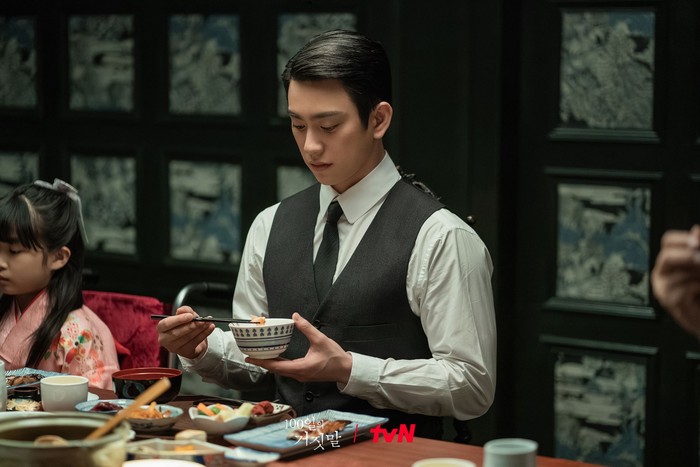
The conflict between Kim Tae-woong and Sato Hideo
As Sato Hideo, he is expected to behave like an elite interpreter and dutiful son. As Kim Tae-woong, he carries a different personal history. That gap creates a specific acting challenge: he must look composed even when his loyalties and sense of self are under pressure.
In a pre-premiere interview reported by Soompi, Park said he focused on the character’s identity confusion and restrained emotional expression so the performance would not feel excessive. His comment offers a useful lens for viewers: the quietness is deliberate, rather than an absence of emotion.
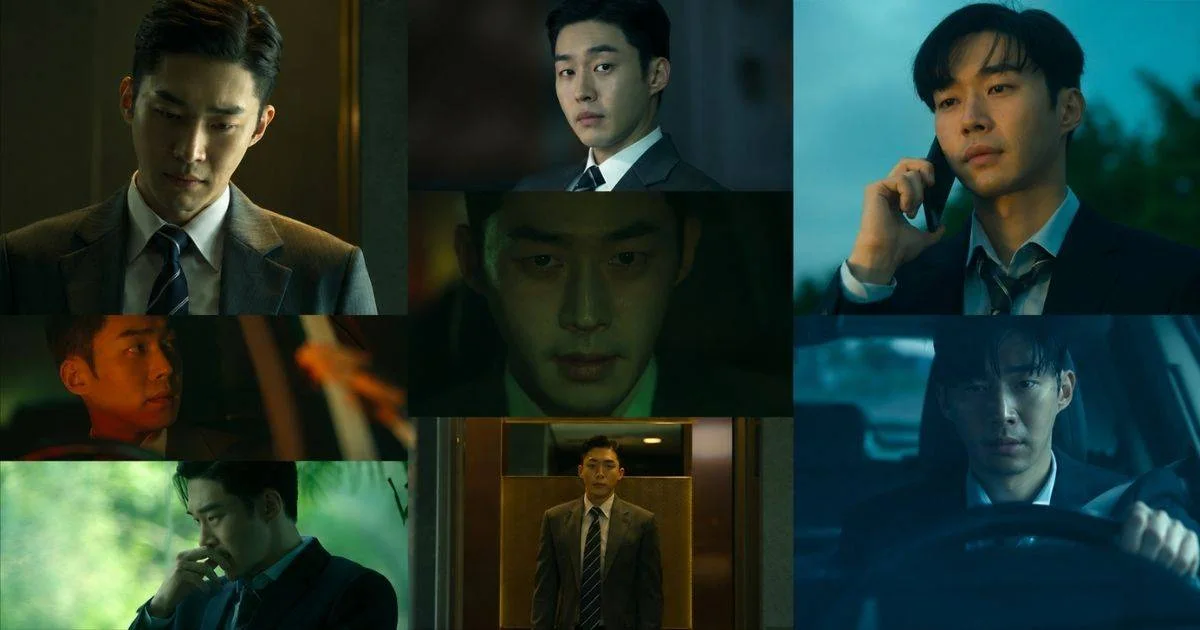
How silence creates suspense in a spy romance
Spy stories depend on information being withheld. Characters watch one another, test what they are told and decide how much of themselves to reveal. Hideo’s reserved manner fits that structure because viewers are invited to look beneath his professional surface. The effect is especially strong in scenes with Lee Ga-kyeong, played by Kim You-jung, whose undercover mission puts both characters’ assumptions at risk.
The contrast between her quick instincts and his disciplined exterior gives their encounters a natural source of tension. Their scenes are not only about whether romance will develop; they are also about whether either person can safely trust the other.

What Park has said about the drama
In comments reported by Soompi, Park described the series as a story in which characters’ emotions and experiences connect like a web, shaped by their historical setting. He also said the script made him think about why understanding the past matters. The colonial-era setting gives Hideo’s private conflict a larger context than a conventional secret-identity romance. The series is fictional, so viewers should distinguish its invented characters and plotlines from documented historical events.
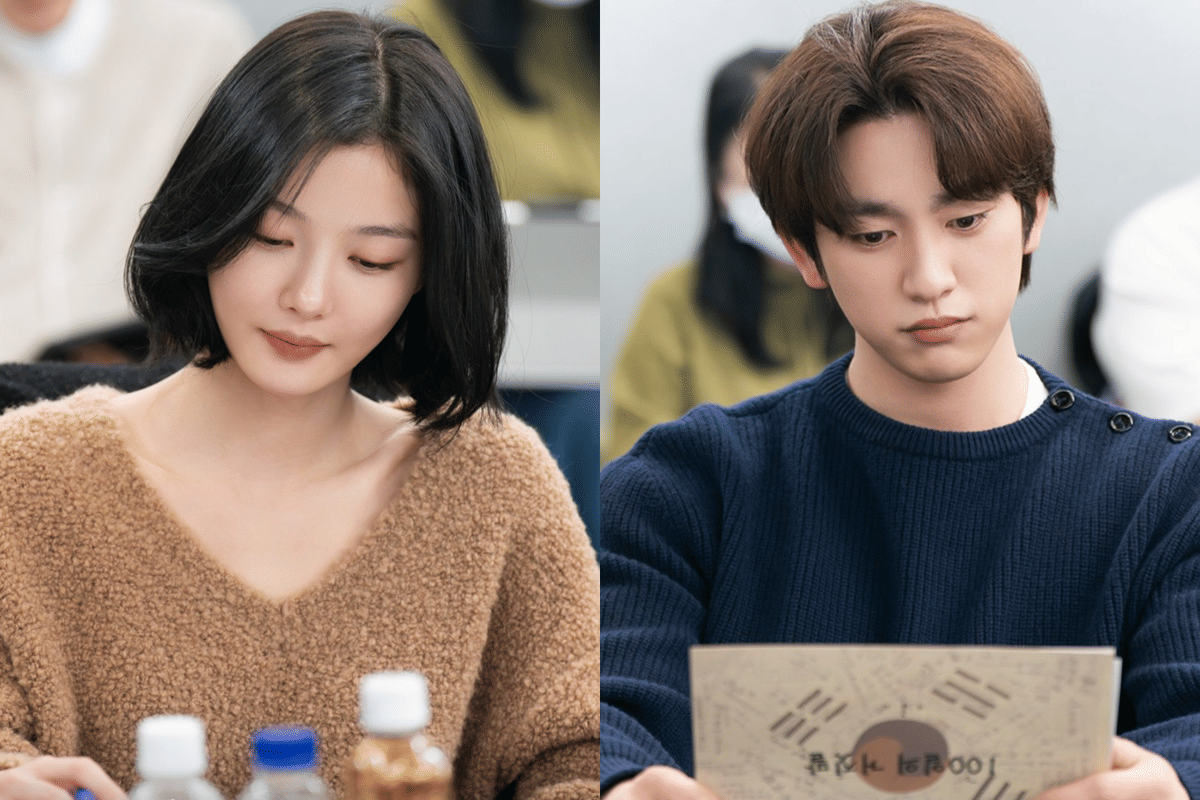
What viewers should watch for next
Pay attention to moments when Hideo’s public composure slips, when he chooses silence over a direct answer, and when his behavior changes around Ga-kyeong. These details can reveal how he balances duty, fear and personal feeling without requiring him to explain everything. Compare what the episodes show with published interviews and official descriptions instead of treating every fan theory as confirmed intent.
Quick answer: Is Park Jinyoung using a quiet acting style in 100 Days of Deception?
Yes. In a pre-premiere interview reported by Soompi, Park said he approached Hideo’s identity conflict with restrained emotions. That choice suits a character who must maintain a controlled public identity while privately wrestling with his past and loyalties.
Frequently asked questions
Who does Park Jinyoung play?
He plays Kim Tae-woong, also known as Sato Hideo, an interpreter and the adopted son of a senior colonial official.
Why does Hideo hide his identity?
The story presents Hideo as a Korean man living under a Japanese name, creating conflict between his personal history and the role expected of him.
What did Park say about his acting approach?
In an interview reported by Soompi, he said he focused on the character’s identity confusion and restrained emotional expression.
Is the drama entirely based on real events?
It is a fictional historical spy romance set during Japanese colonial rule in Korea. Its historical setting does not mean every character or plot event happened in real life.
Where can viewers find official information?
Visit the official Netflix title page and read Soompi’s interview report.
Sources
- Netflix — official series page
- Soompi — Park Jinyoung discusses his character
- The Chosun Daily — production presentation coverage
Author: Shivam Das


