

By Shivam Das | Updated October 13, 2026
Spoilers for Episode 2 of 100 Days of Deception.
Lee Ga-kyung enters 100 Days of Deception hoping to survive on her own terms, but Episode 2 makes clear that the independence operation surrounding her is not a simple alliance between heroes. When the people who recruited her treat her as a liability and push her away, the moment feels less like a clean break than a warning: in occupied Gyeongseong, even people fighting the same enemy may not trust one another.
The twist works because Ga-kyung is not a trained operative with a long record of loyalty. She is a quick-thinking pickpocket who becomes entangled in a dangerous mission after an attempted assassination goes wrong. She wants money and freedom, while the resistance members around her are weighing secrecy, sacrifice and the risks of exposing their network. Those priorities collide in Episode 2.
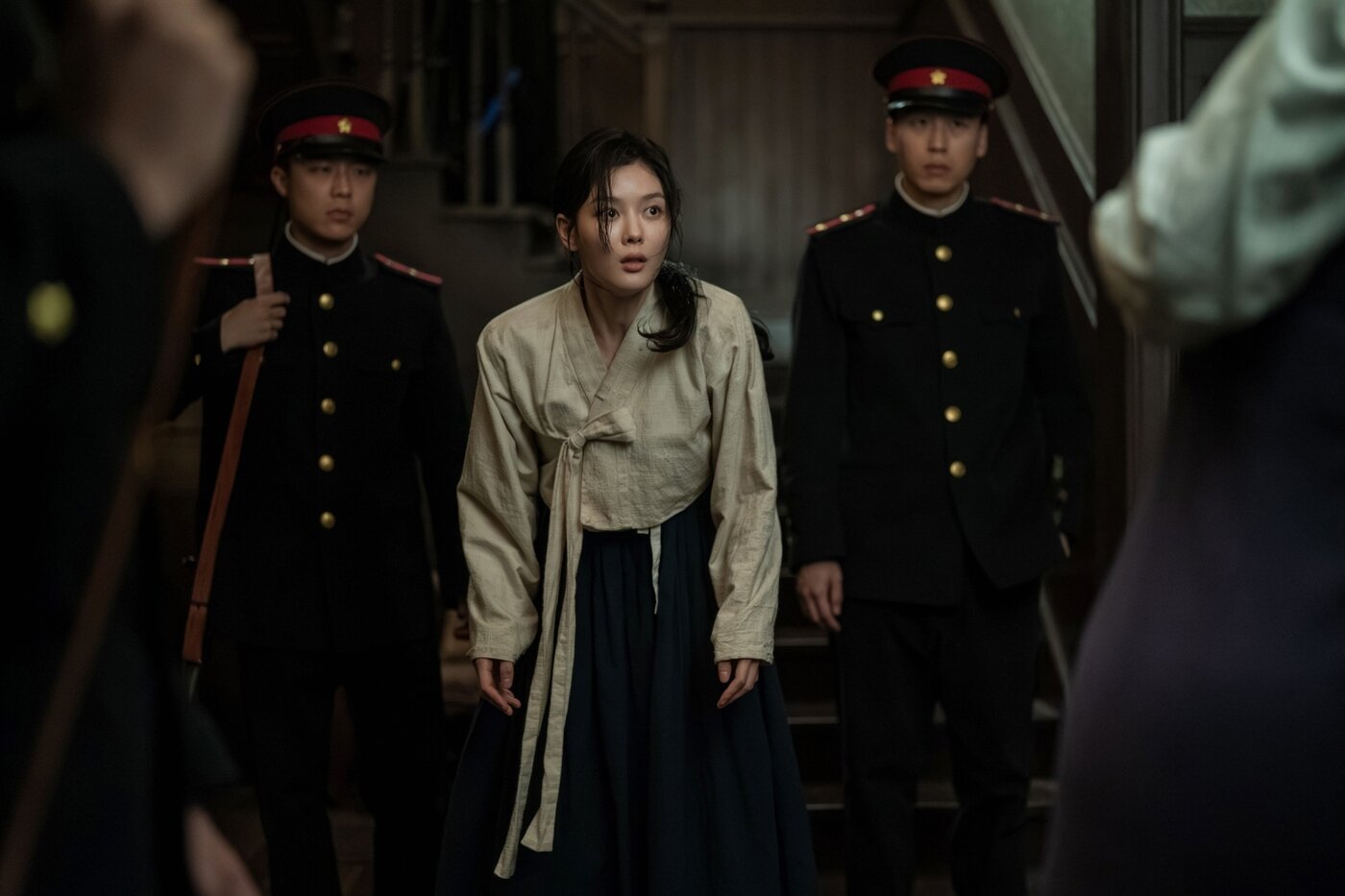
Why the independence group turns against Ga-kyung
Ga-kyung's involvement begins with a failed assassination attempt and a discovery that makes her dangerous to the people behind it. So-ran and Philip cannot know how much Ga-kyung will reveal, whether she understands the stakes, or whether she can be trusted under questioning. Their decision to distance themselves from her is therefore rooted in operational fear as much as personal anger.
But from Ga-kyung's point of view, the arrangement feels deeply unfair. She has been pulled into a conflict she did not choose, exposed to gunfire and suspicion, and then expected to leave quietly. The scene captures one of the drama's central tensions: a resistance movement may be fighting for collective freedom, yet the people inside it still make hard, imperfect decisions about who deserves protection.
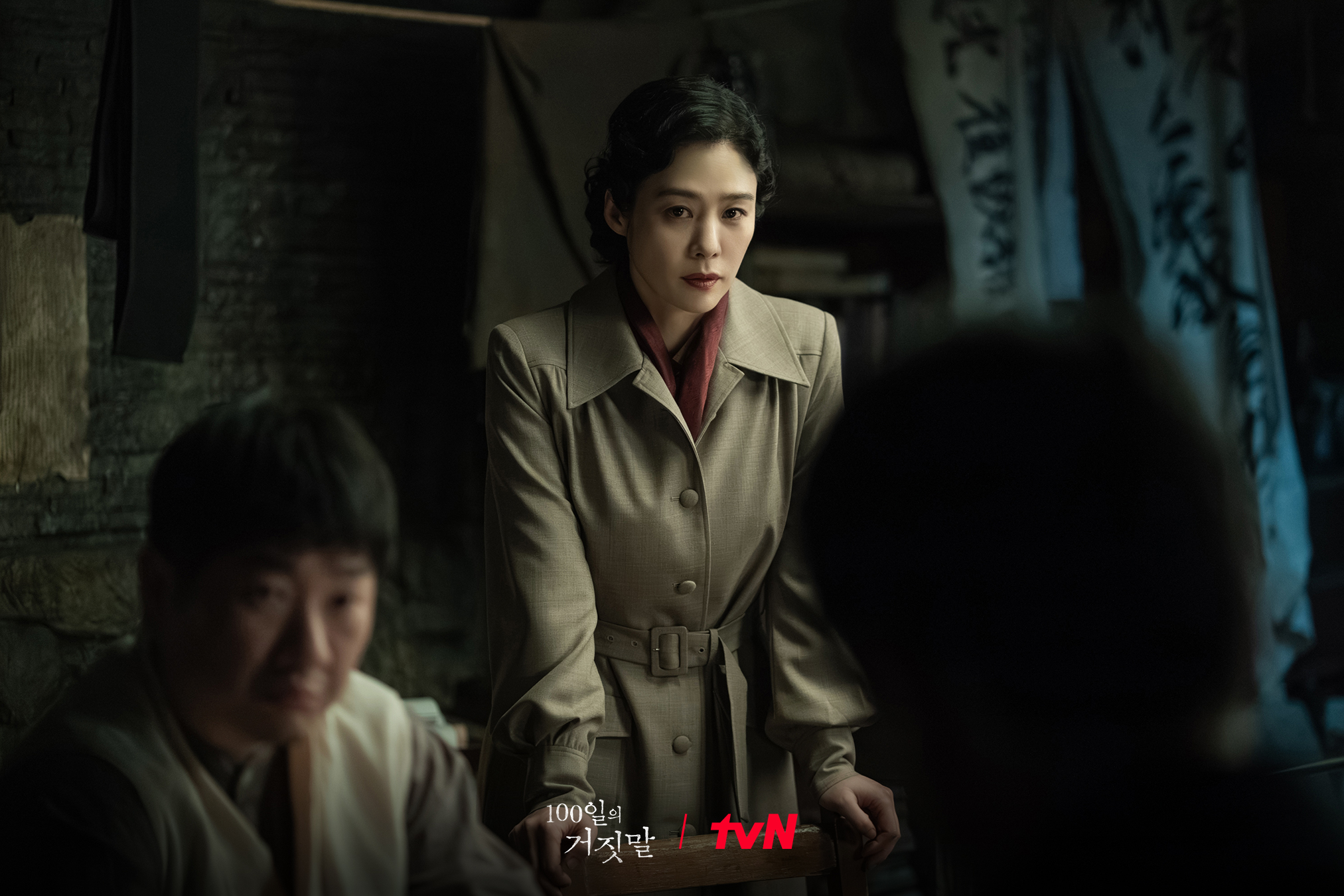
So-ran's grief shapes the decision
So-ran is not acting from a position of emotional distance. Her mission against Inspector-General Sato Shinichi is personal, shaped by the killing of her daughter and years of uncertainty about her husband. The failed operation threatens years of preparation, so Ga-kyung can look to her like an avoidable complication rather than a young woman who has also been placed in danger.
That does not automatically make So-ran right. It makes her decision understandable within the story's pressure cooker. The series is more interesting when it allows the resistance members to be frightened, suspicious and sometimes unfair, rather than presenting them as a unified group that always knows the right thing to do.
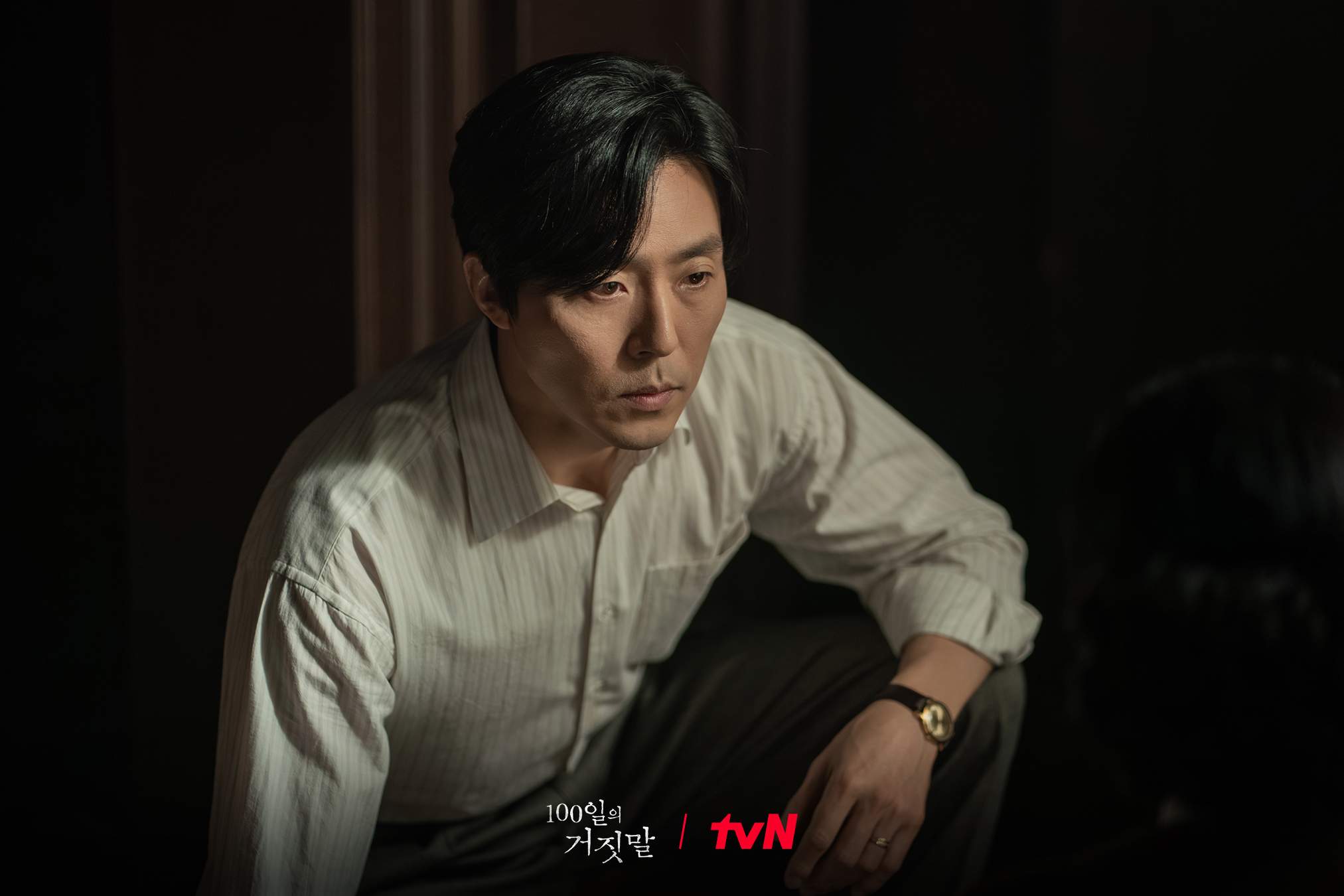
Why the betrayal is not the end of Ga-kyung's story
Ga-kyung's most useful skill is her ability to read a room and improvise. She may not have the ideological commitment of the resistance, but she is observant, multilingual and quick under pressure. Being pushed out could make her more cautious about trusting the group; it could also give her a reason to insist on setting her own terms if they need her again.
The episode also leaves her tied to Hideo through the stolen wallet and the pawn-shop receipt. That thread keeps pulling her back toward the Government-General, even as she tries to step away from So-ran and Philip. Her attempt to exit the conflict may be sincere, but the plot has already connected her to people who cannot easily let the matter go.
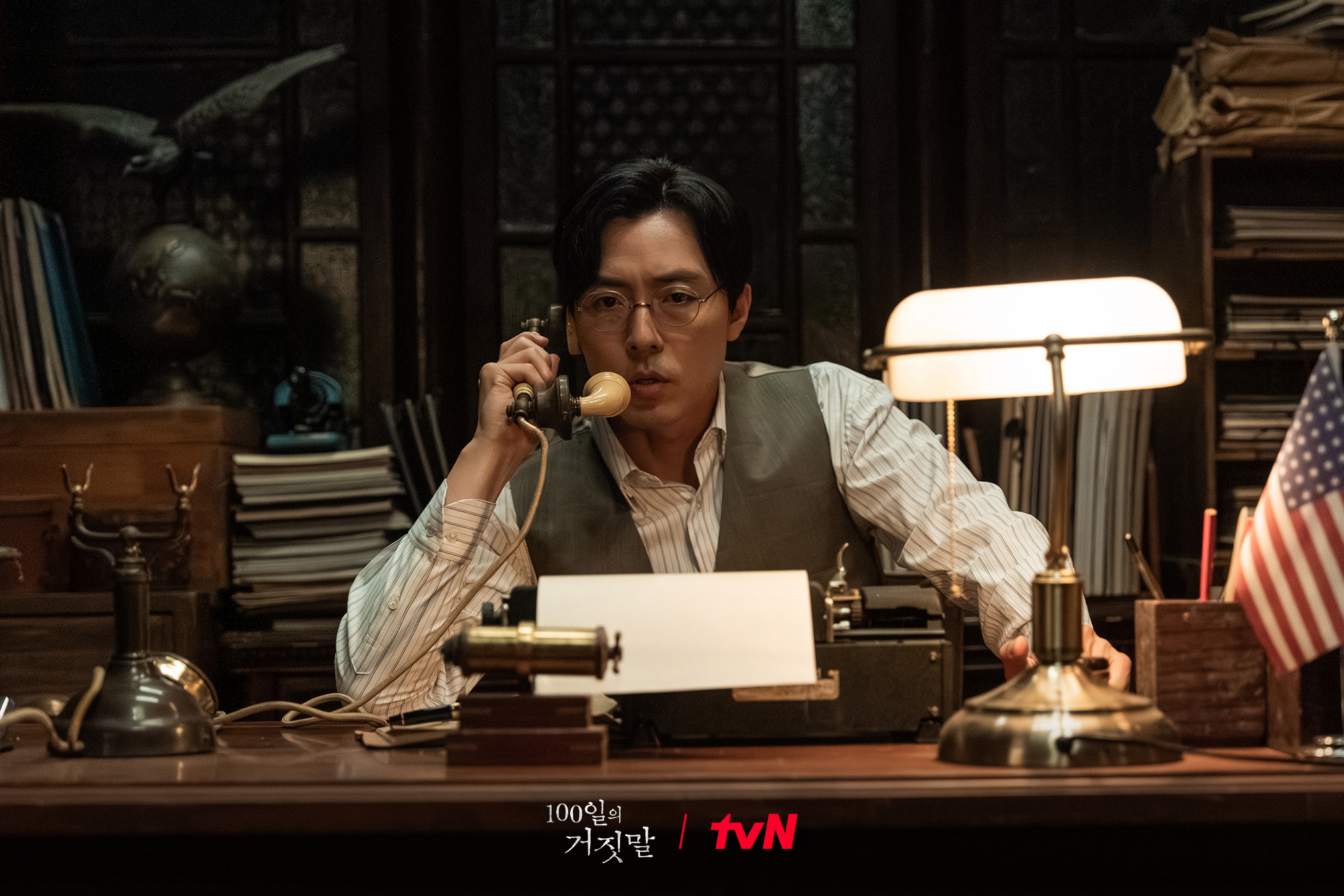
The historical context behind the mistrust
The drama is set in 1932, during Japanese colonial rule in Korea. Its fictional characters operate in a world where surveillance, censorship and political violence make trust a practical risk, not just an emotional question. Historical dramas can compress events and invent private storylines, so the characters' specific experiences should be understood as part of the show's fiction rather than treated as a documentary record.
Still, the broader backdrop helps explain why secrecy becomes a matter of survival. A leak could endanger a network, but excluding an unpredictable ally can also create new risks. Episode 2 leaves viewers with that uncomfortable trade-off rather than offering an easy moral verdict.
What this twist means for Episode 3
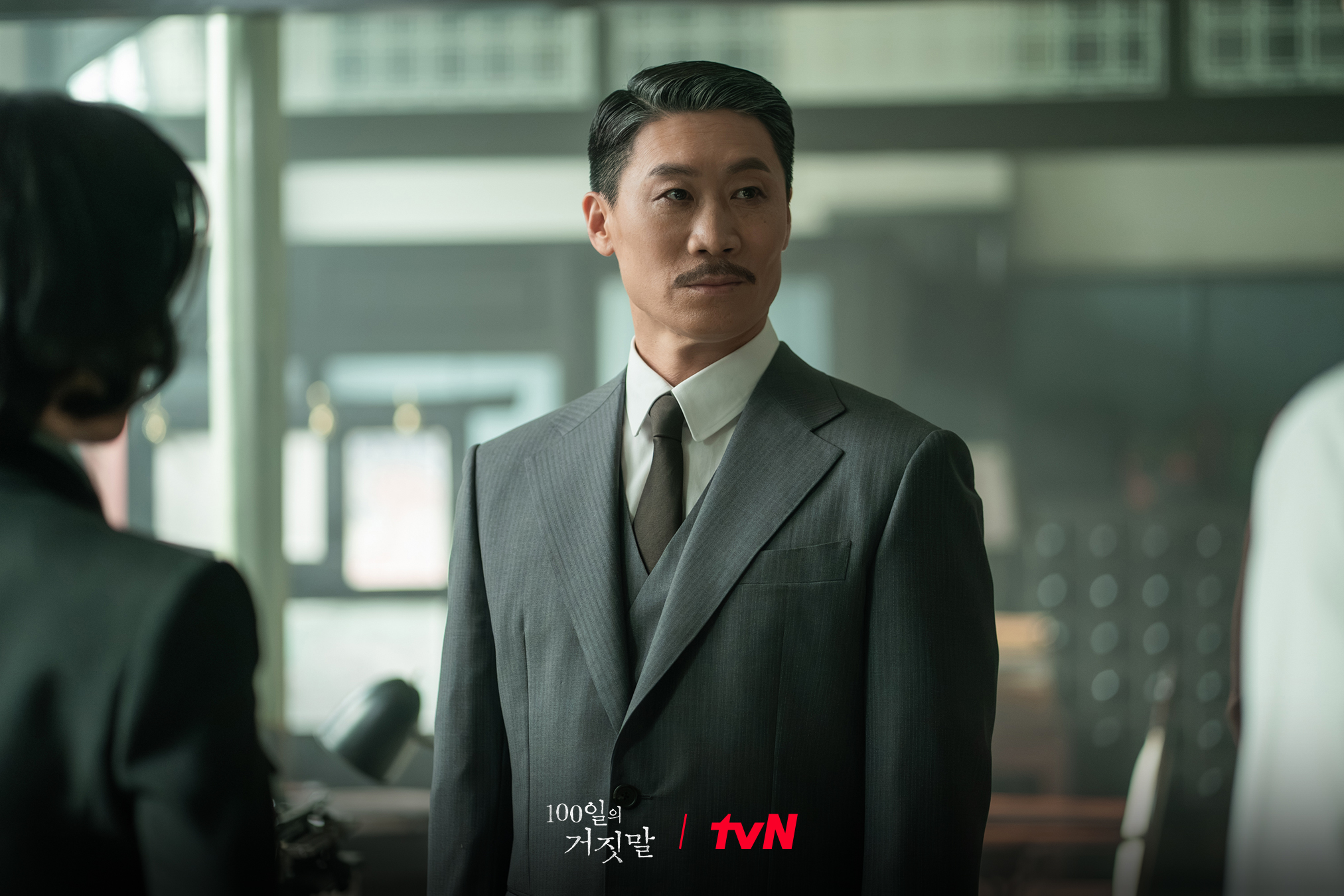
The key question is whether Ga-kyung will remain outside the operation or be drawn back in when her skills become useful. The pawn-shop connection gives Hideo a reason to keep pursuing her, while the resistance still has to consider whether she knows too much to be left alone. Any future partnership will likely depend on a more complicated bargain than simple trust.
For So-ran, the challenge is equally difficult: she must pursue her mission while confronting the personal wounds that make it so urgent. For Ga-kyung, the immediate goal remains survival, but she may soon discover that staying neutral is no longer an option.
Quick answer: Why do the independence fighters betray Ga-kyung?
After the failed assassination attempt, So-ran and Philip see Ga-kyung as a security risk who could expose their operation. Their decision to send her away protects their secrecy, but it also leaves Ga-kyung feeling used and deepens the drama's central conflict between personal survival and collective resistance.
Frequently asked questions
Who is Lee Ga-kyung in 100 Days of Deception?
Lee Ga-kyung, played by Kim You-jung, is a resourceful pickpocket who becomes involved in a covert operation against the Japanese colonial administration.
Why does So-ran blame Ga-kyung?
Ga-kyung's unexpected involvement disrupts the assassination plan, placing the resistance members and their network at greater risk.
Does Ga-kyung leave the resistance for good?
Episode 2 shows her trying to part ways with So-ran and Philip, but her connection to Hideo and the pawn-shop receipt leaves her story unresolved.
Is 100 Days of Deception based on real events?
The drama uses the historical setting of Japanese-occupied Korea, but its central characters and specific plot are fictionalized. Historical context should be checked against independent historical sources.
Related reading
- Kim Hyun-joo’s Rage Scene in Episode 2 Is Pure Fire
- Soompi: Park Jinyoung Confronts Kim You-jung in 100 Days of Deception
- Ready Steady Cut’s Episode 2 recap
Sources: Netflix official series page; Soompi; Ready Steady Cut.
Image credits: tvN stills published by Soompi. Rights remain with the respective owners. Confirm permission before commercial reuse.


