

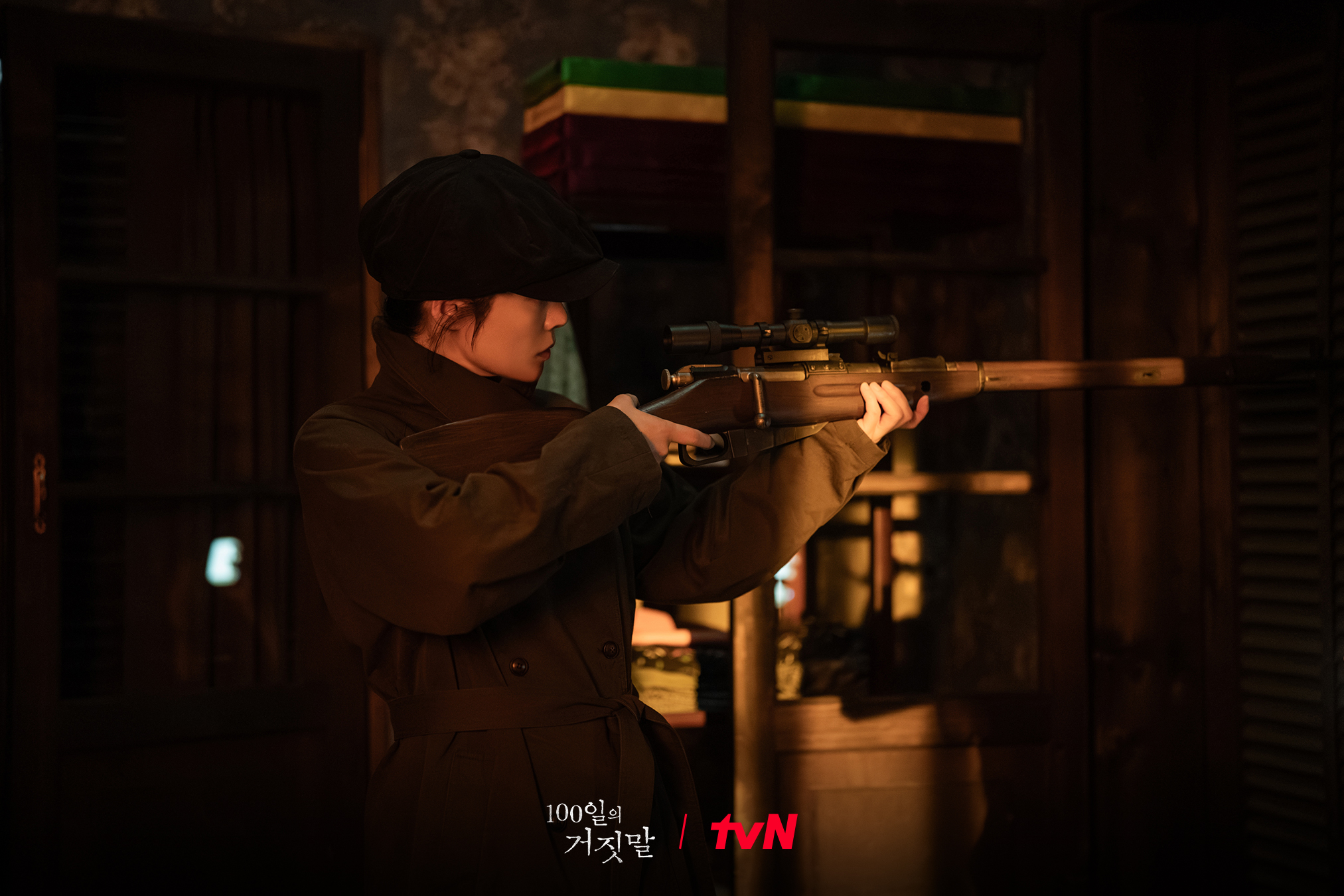
Kim Hyun-joo’s Yoo So-ran is one of the most dangerous figures in 100 Days of Deception—but reducing her to a revenge-driven sniper misses what makes the character compelling. The drama places So-ran inside a resistance operation in 1932 Gyeongseong, where personal grief, political purpose and the risk of exposure constantly collide.
In the series, Kim Hyun-joo plays a sharpshooter connected to the anti-colonial resistance group Gugukdan. Her mission puts her on a collision course with Sato Shinichi, a powerful official in the Japanese colonial administration. Yet the character’s story is not simply about taking aim at one man. It is also about what happens when a private wound becomes part of a much larger struggle.
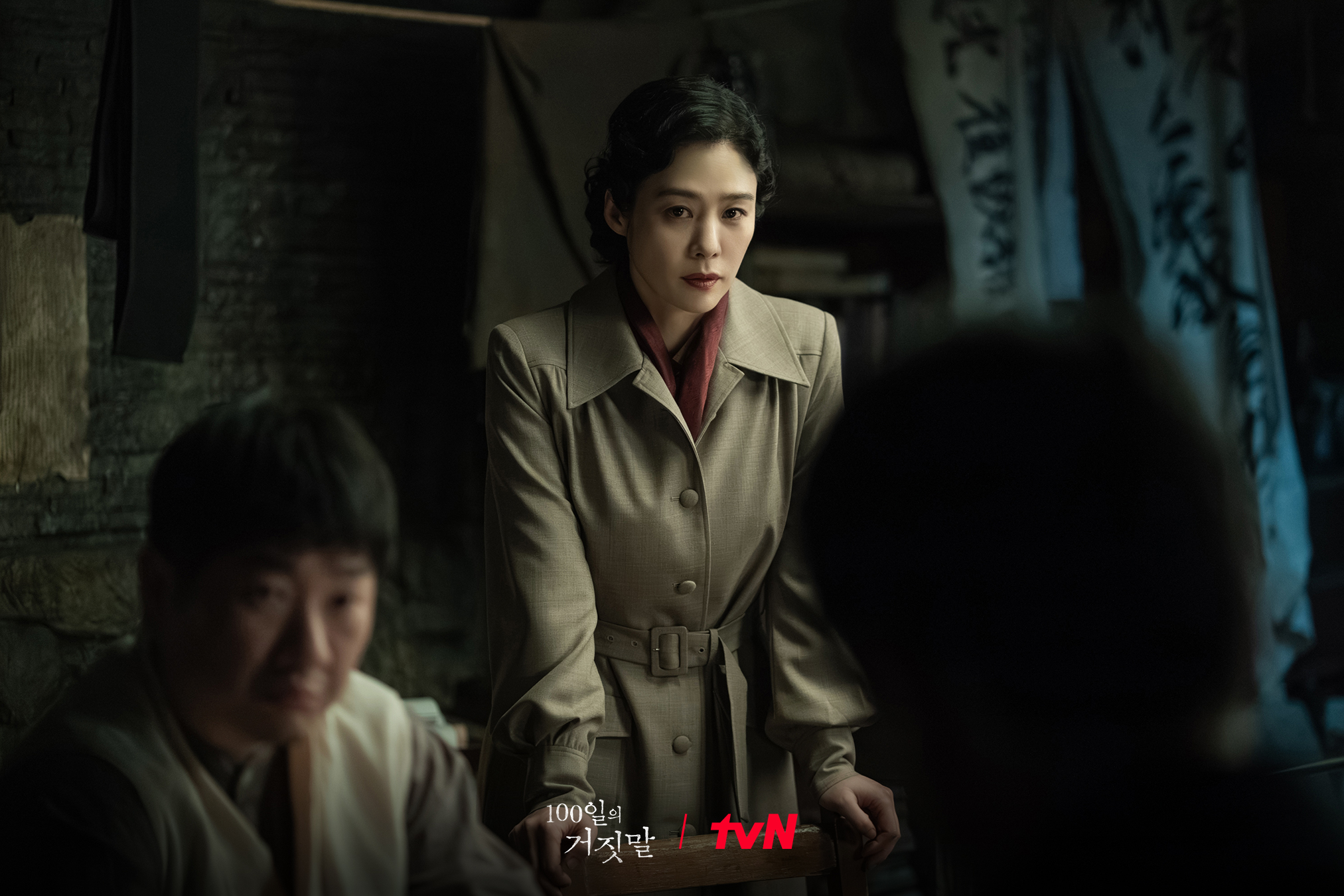
Why Yoo So-ran’s sniper role is about more than revenge
According to Soompi’s cast coverage, So-ran begins with a deeply personal desire for revenge, but her motivation gradually expands toward a cause larger than herself. That shift gives the role its emotional tension: a skilled fighter may be able to plan an operation, but she cannot easily control the consequences of carrying it out.
That distinction matters in a historical spy drama. A revenge plot usually points toward a single target and a final confrontation. A resistance story asks harder questions: Who else could be endangered? What does a mission cost the people carrying it out? And can someone driven by anger make decisions for a collective future?
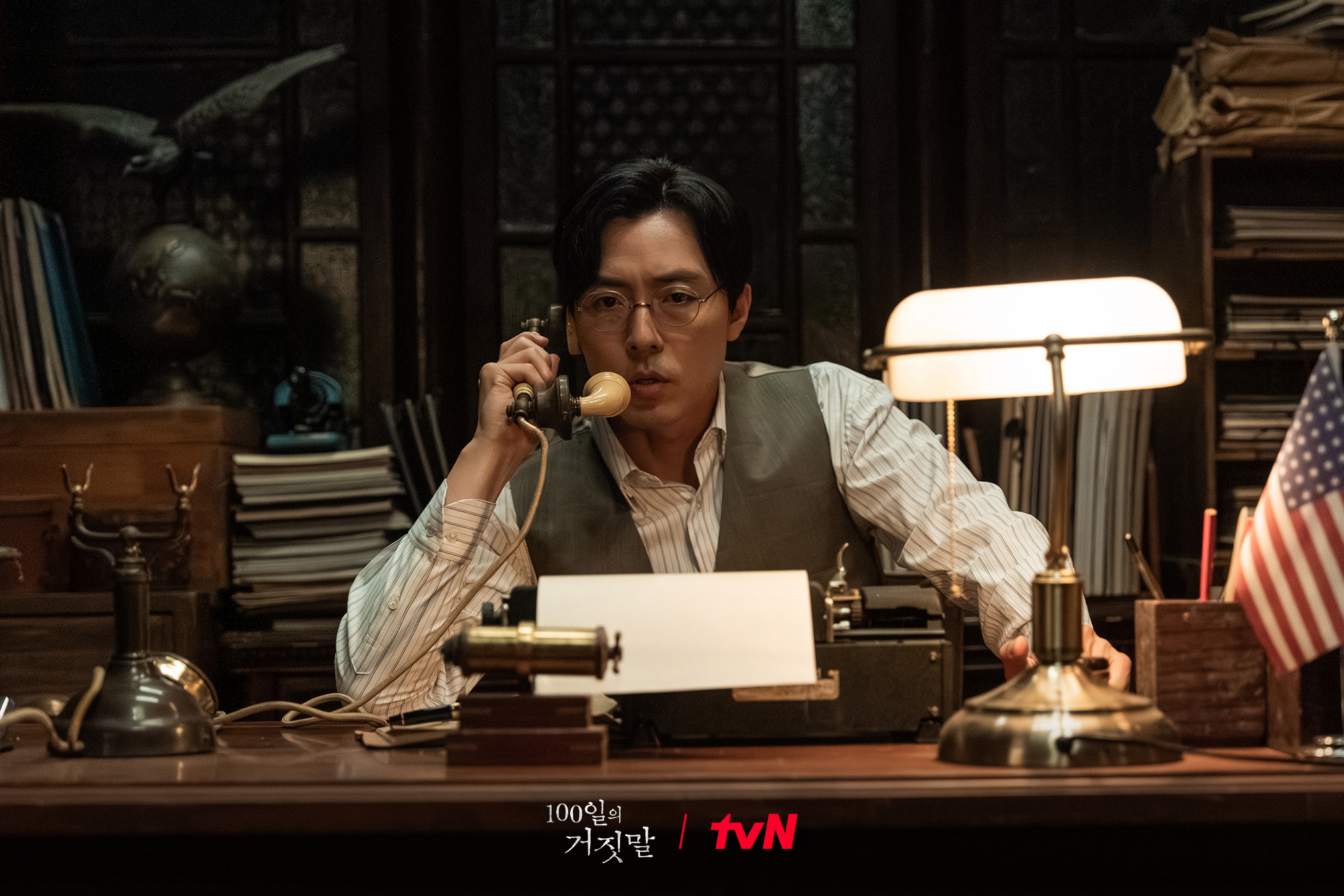
The partnership with Yoo Philip adds another layer
So-ran’s operation is intertwined with Yoo Philip, played by Lee Moo-saeng, a Korean American correspondent and fellow resistance member. Their marriage of convenience gives them cover, while Philip’s work as a journalist offers a different kind of leverage against the colonial administration. One character is associated with a rifle; the other can use information, public pressure and written evidence.
The contrast opens up a more interesting dynamic than a conventional action pairing. Both characters are operating under pressure, but they do not necessarily approach danger in the same way. Their relationship also raises a practical question for an undercover mission: how long can a public performance remain convincing when private loyalties are involved?
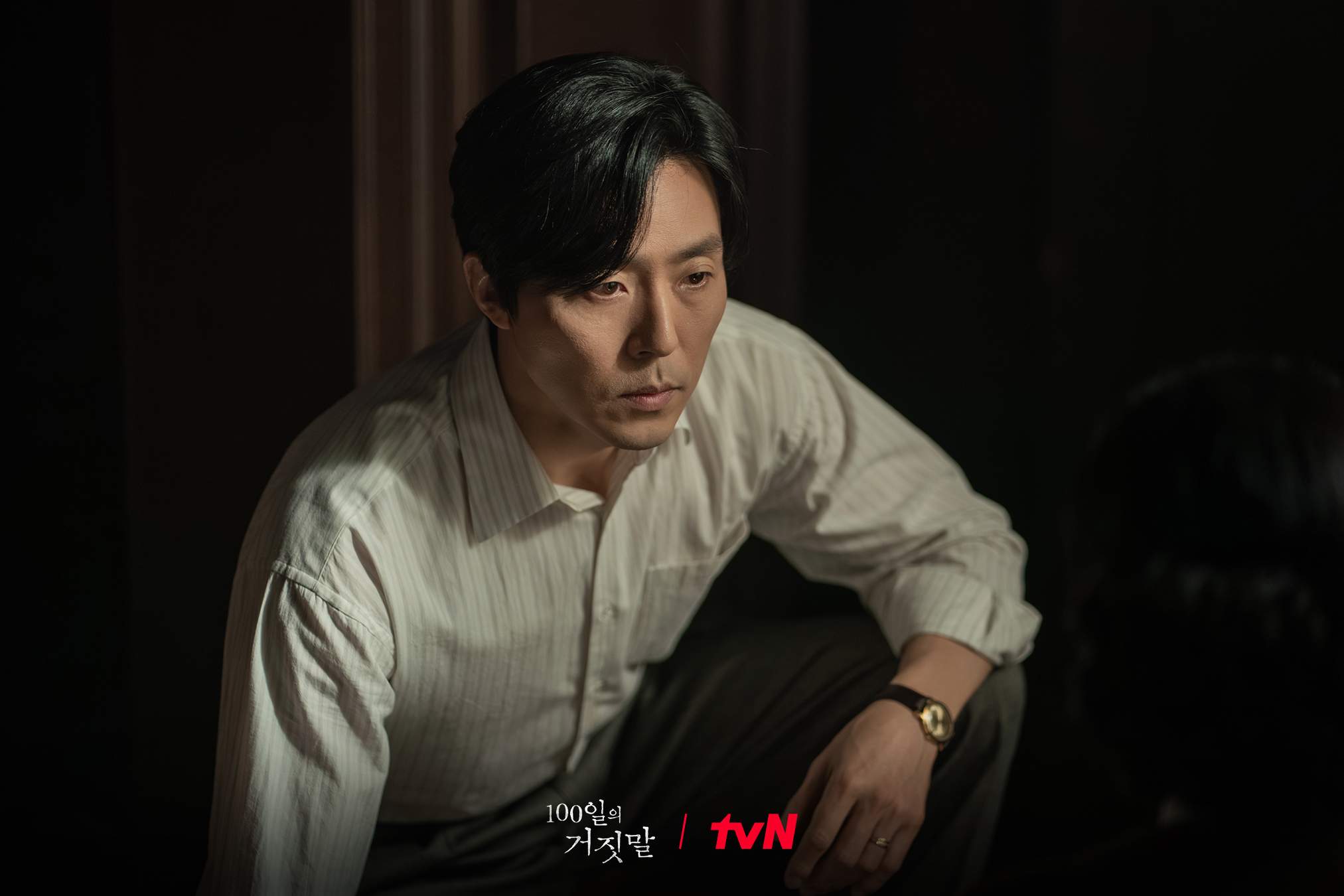
Why Sato Shinichi changes the stakes
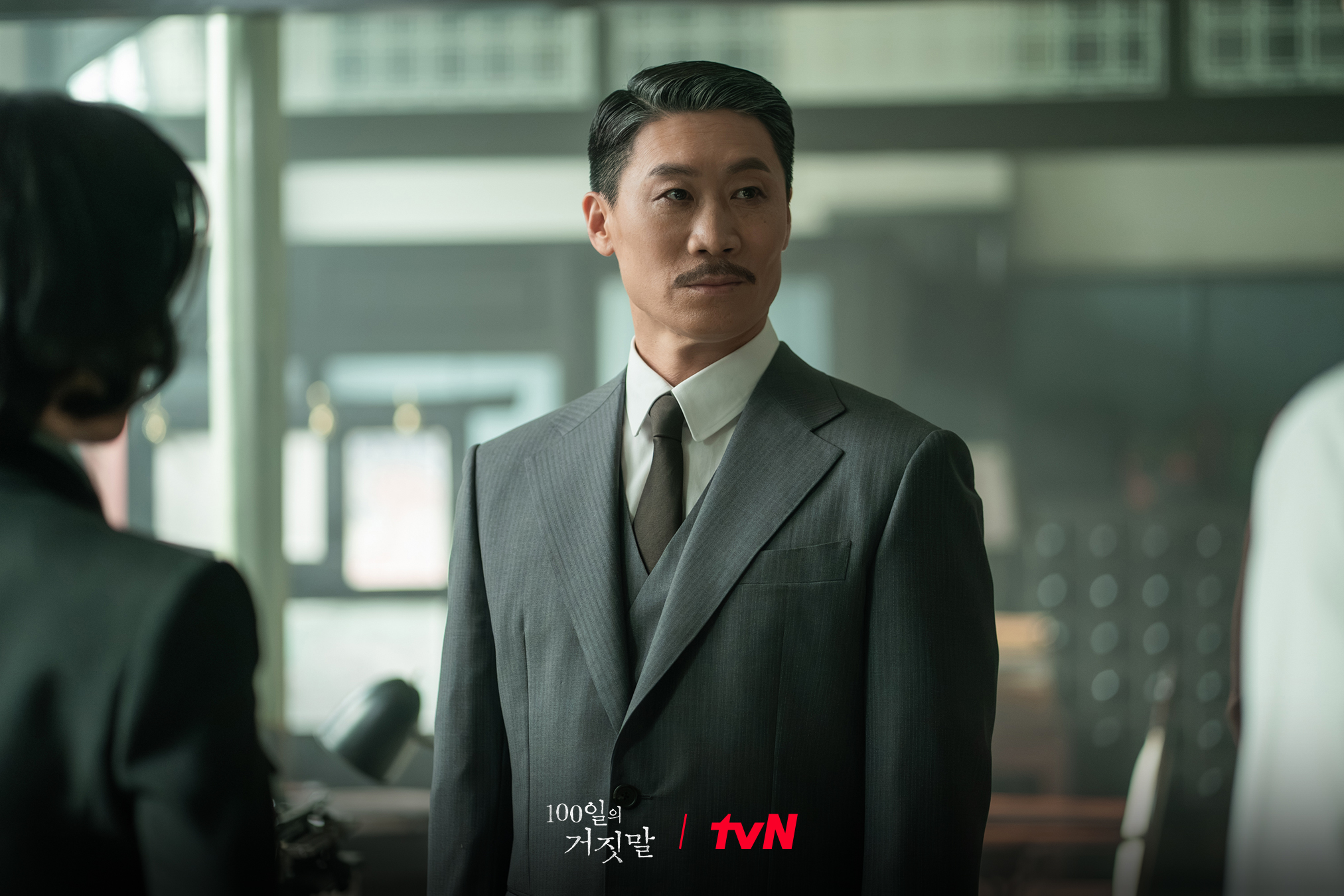
Jin Sun-kyu plays Sato Shinichi, a senior official whose power makes him the target of So-ran’s plan. The threat is not only physical. Sato represents an oppressive system with the ability to intimidate people, manipulate institutions and make ordinary lives unsafe. That power imbalance means So-ran’s choices carry consequences beyond whether a shot succeeds.
The drama’s colonial-era setting should also be understood as a fictional story built around a real historical period. Its characters and specific missions are dramatic creations; viewers should not treat every plot detail as a documented historical event. The broader context—the Japanese colonial rule of Korea from 1910 to 1945—is real and helps explain why resistance, surveillance and questions of identity carry such weight in the story.
Kim Hyun-joo’s performance: control on the surface, conflict underneath
A sniper character can easily become defined by competence alone. So-ran is more engaging when the audience can sense the emotional cost beneath that control. Kim Hyun-joo has described the character’s journey as a gradual change from a hardened emotional state toward a broader sense of purpose. That gives the role room to evolve instead of repeating the same note of anger in every scene.
For viewers, the most revealing moments may not be the action sequences themselves. Watch how So-ran weighs risk, how she treats the people who help her, and whether her choices begin to reflect something beyond revenge. Those decisions will show whether the character can turn personal pain into sustained commitment without losing her humanity.
Official social post
CJ ENM’s official Instagram promotional post introduces the drama’s characters and 1932 Gyeongseong setting. View the original post below; if Instagram blocks embeds in your browser, use the original post link.
View the original CJ ENM Instagram post
What to watch for in upcoming episodes
- Mission versus emotion: Does So-ran keep her operation focused, or do personal losses alter her decisions?
- Trust within the resistance: Undercover work depends on secrecy, making every alliance potentially fragile.
- Philip’s role: His reporting and political connections may create options that force alone cannot.
- The consequences of failure: The danger extends to informants, allies and people caught in the colonial administration’s reach.
The strongest version of So-ran’s story will not be the one with the most dramatic shot. It will be the one that makes viewers understand what she is willing to sacrifice—and what she refuses to sacrifice—even when revenge appears to offer a simple answer.
Frequently asked questions
Who plays the sniper in 100 Days of Deception?
Kim Hyun-joo plays Yoo So-ran, a sharpshooter involved with the resistance group Gugukdan.
Is Yoo So-ran motivated only by revenge?
No. Promotional coverage describes revenge as an initial motivation that develops into commitment to a larger cause. The series’ later episodes will show how that transformation unfolds.
Who plays Yoo Philip?
Lee Moo-saeng plays Yoo Philip, a Korean American correspondent and resistance member whose cover marriage with So-ran supports their operation.
Is 100 Days of Deception based on a true story?
The series is a fictional spy romance set during the Japanese colonial period in Korea. Its historical setting is real, but its main characters and specific missions should not automatically be treated as historical fact.
Sources and further reading
- Soompi: Kim Hyun-joo and Lee Moo-saeng’s characters and the resistance plot
- The Korea Times: Historical setting and cast overview
- Netflix: 100 Days of Deception official title page
By Shivam Das


