

Quick answer: Jin Seon-kyu makes Sato Shinichi frightening not by playing every moment at full volume, but by letting politeness, suspicion, and sudden cruelty occupy the same scene. In the first two episodes of tvN’s 100 Days of Deception, that contrast gives the drama a villain whose calmness can feel more threatening than an outburst.
By Shivam Das | Updated October 12, 2026
Some television villains announce themselves with a raised voice or an obvious threat. Sato Shinichi, the powerful colonial official played by Jin Seon-kyu in 100 Days of Deception, is unsettling for the opposite reason: he can smile, make small talk, and still leave everyone in the room wondering what he has noticed.
That performance is already one of the drama’s strongest talking points. After Episode 2 aired on October 11, Korean coverage highlighted the character’s coldness and the scars tied to his past actions. Calling the role a definitive career-best after only two episodes would be premature. But the early evidence makes a persuasive case that Sato could become one of Jin’s most memorable screen antagonists.
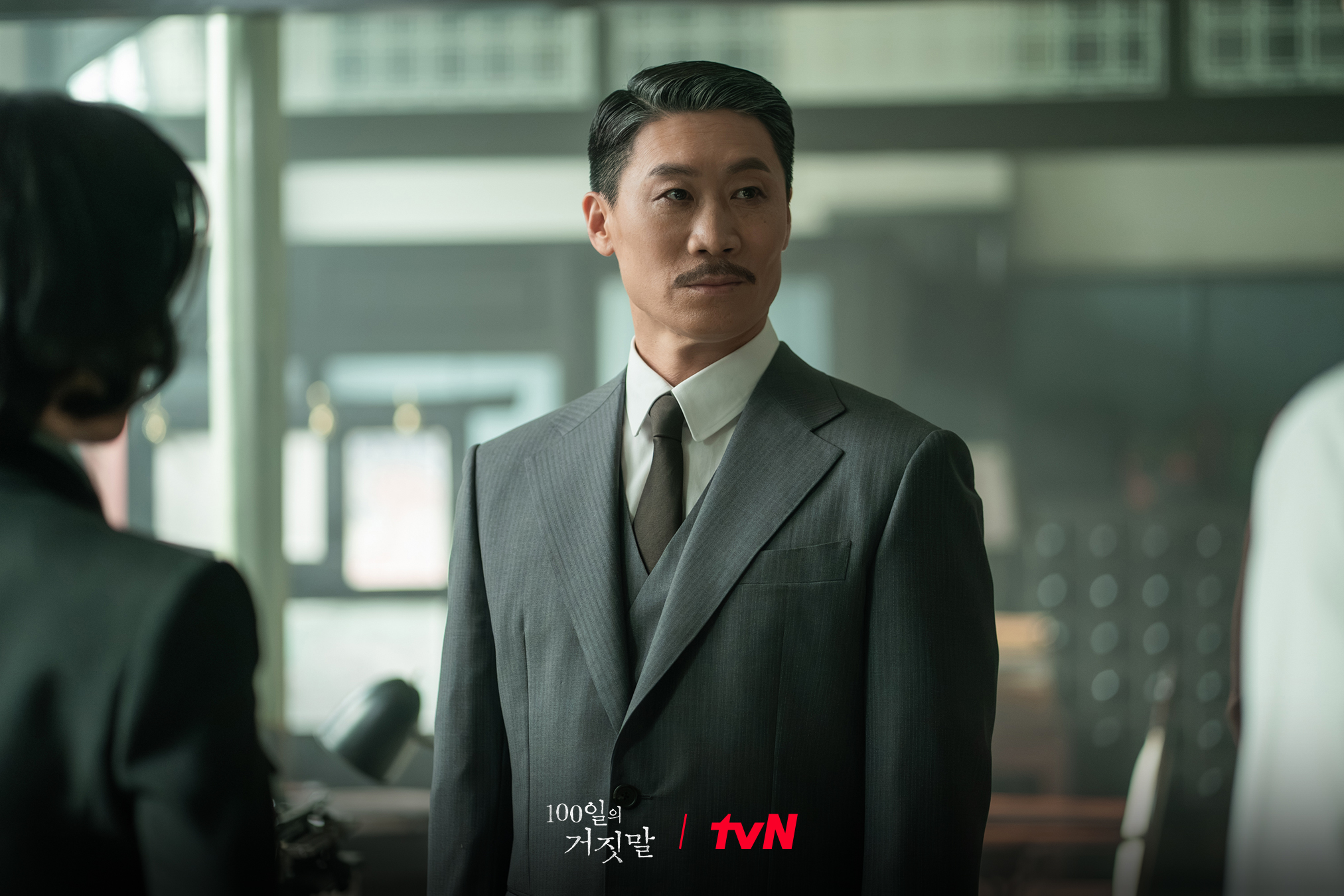
Why Sato Shinichi feels dangerous even when he is smiling
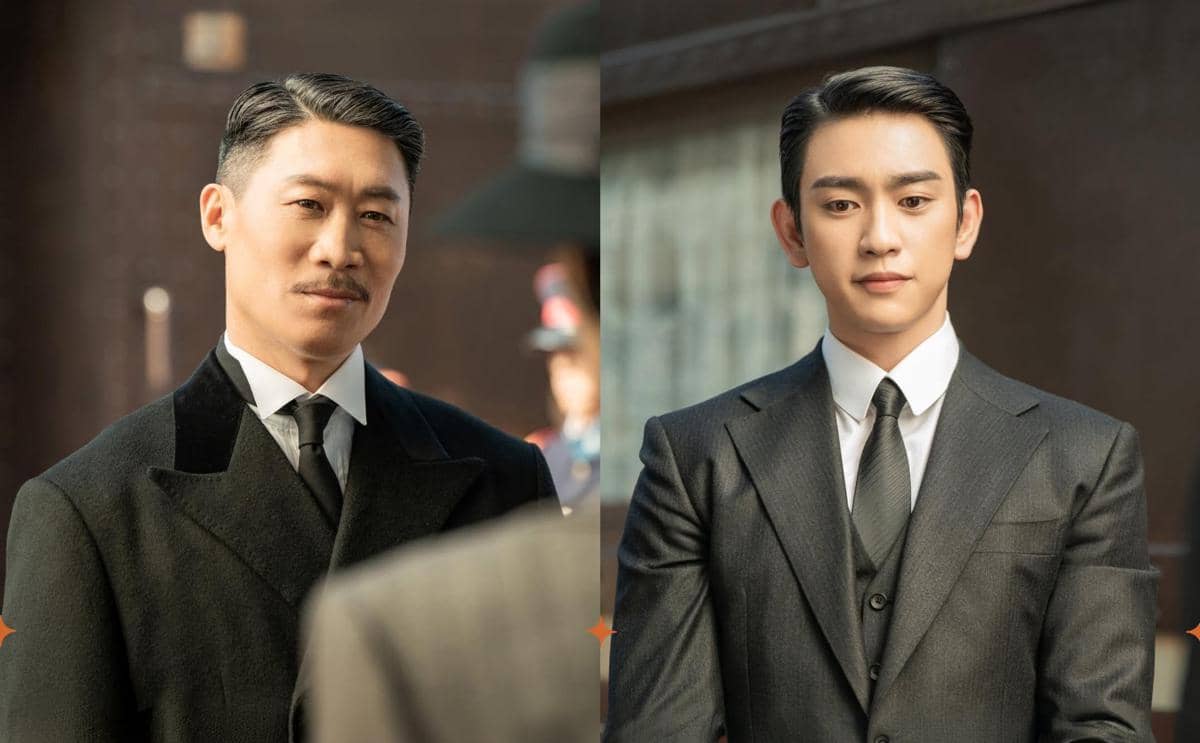
Sato is the Political Affairs Director in the Japanese colonial administration depicted by the series. His power is not limited to issuing orders. He watches people closely, tests their reactions, and turns ordinary conversation into a quiet examination. A greeting can become a loyalty check; a compliment can feel like a trap.
That is where Jin’s performance finds its distinctive rhythm. Rather than signalling every cruel intention, he lets a pause, a fixed gaze, or a seemingly casual question do the work. The audience is left reading the room alongside the characters—and wondering whether Sato has already spotted the lie they are trying to hide.
In its October 11 review of the episode, Korean outlet STARNEWS described the character’s friendliness as a cover for suspicion and cruelty, noting how Jin maintains a calm manner while probing other people. That is a useful description of the performance’s central technique: the menace comes from the gap between what Sato says and what his attention seems to be measuring.
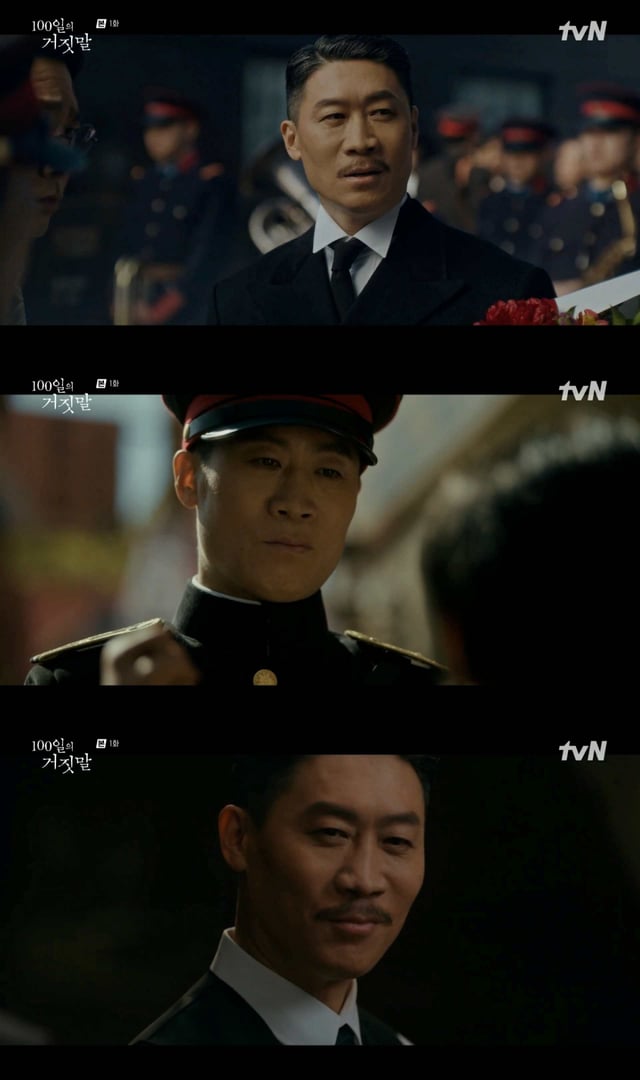
The dinner-table scenes turn politeness into a test
One of the most effective details in the early episodes is how Sato observes seemingly harmless behaviour. Questions about food, manners, language, or a person’s background are not necessarily small talk when they come from someone with his authority. Jin plays these moments as if Sato is collecting evidence while everyone else is trying to get through dinner.
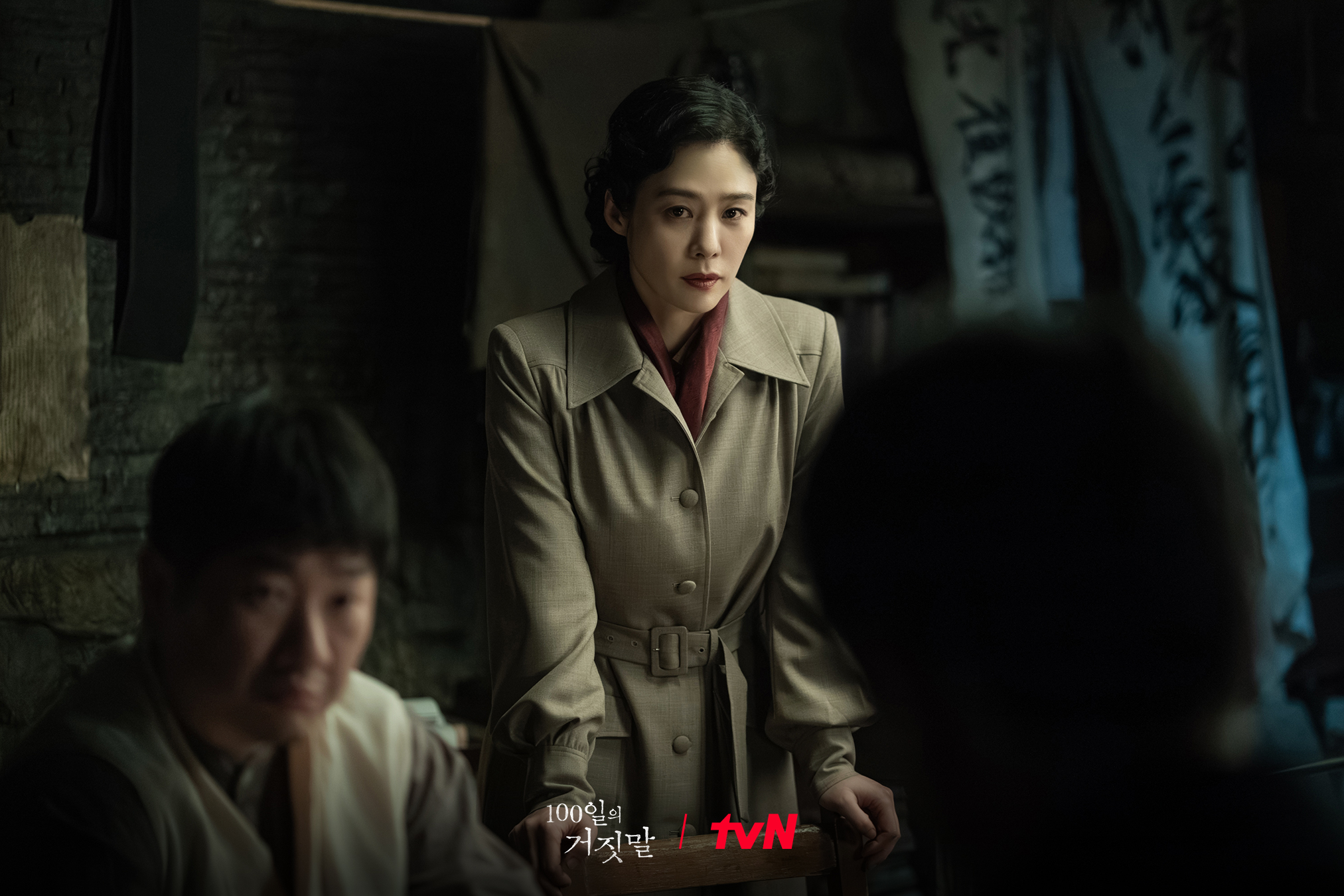
That approach also gives the supporting cast something to play against. Kim Hyun-joo’s Yoo So-ran carries the strain of a woman whose personal grief has become bound to a wider resistance mission. Lee Moo-saeng’s Yoo Philip has to navigate the danger of working near the administration while helping the resistance. Sato’s attention makes their scenes tense before anyone reaches for a weapon.
The moment his cruelty becomes personal
The most disturbing part of Sato’s character is not simply that he can order violence. It is how casually he can return to a painful memory as though the person who suffered through it should have moved on. Episode 1’s flashback involving young Hideo establishes a history of intimidation and violence inside Sato’s own family. When the past is brought up again, the contrast between Sato’s composure and Hideo’s trauma makes the scene feel especially cold.
This also complicates the drama’s central relationship. Park Jin-young’s Hideo is not just an interpreter caught between political loyalties; he is also the adopted son of a man whose authority has shaped his life through fear. Sato’s cruelty therefore operates on two levels: it threatens the resistance plot outside the household and damages the people closest to him.
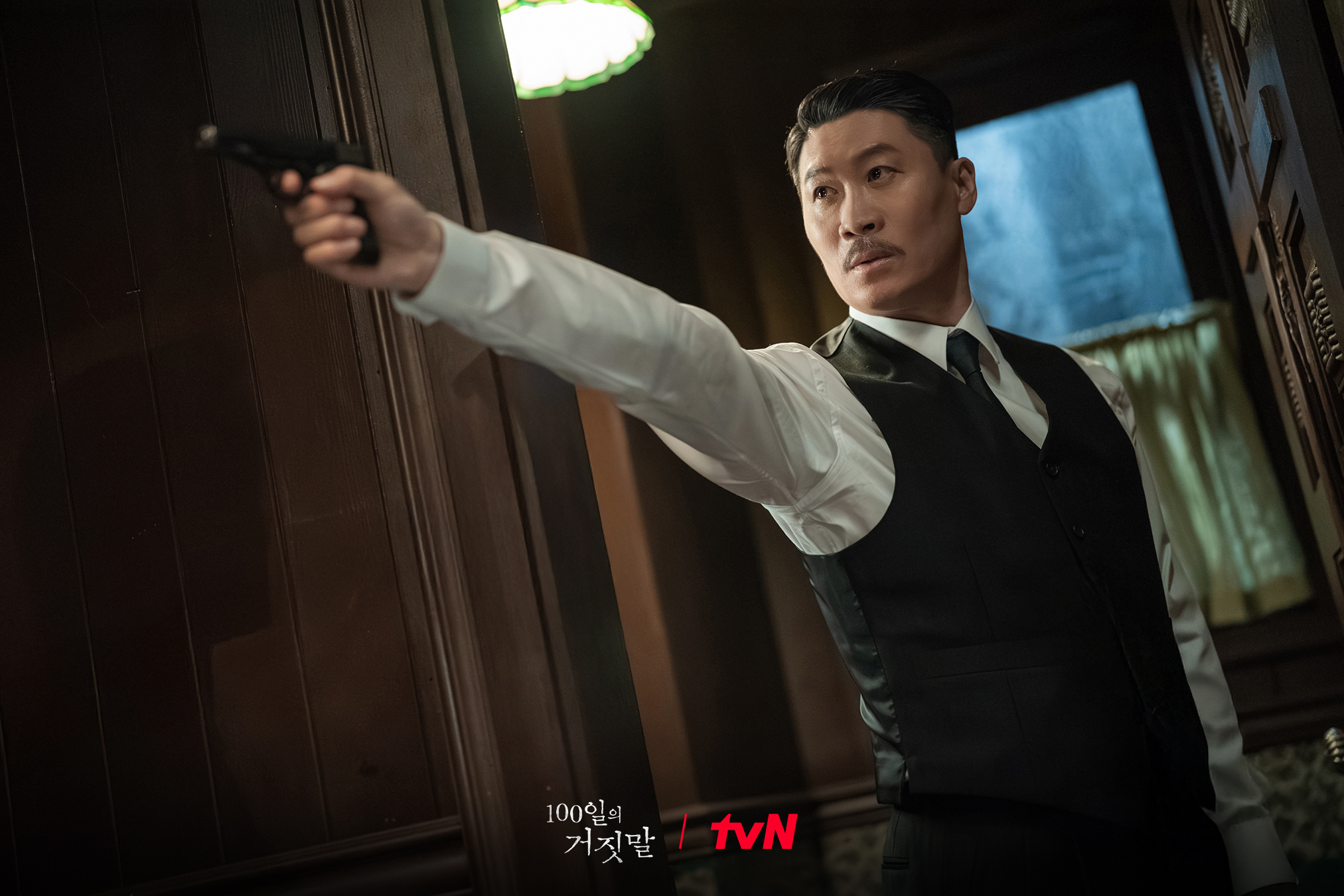
Jin Seon-kyu’s preparation is visible in the performance
Before the premiere, Jin said he wanted to create a different kind of villain from the character audiences remembered him for in The Outlaws. In comments reported by STARNEWS on September 29, he described discussing the role closely with the director, spending two months in Japan, studying Japanese, and memorising the script for long daily sessions.
That preparation matters because Sato’s position depends on how he moves between languages and social registers. He must appear comfortable enough to command a room, but alert enough to make others feel examined. The performance does not ask viewers to admire Sato; it asks them to understand how a person can use discipline, charm, and institutional power to make cruelty look ordinary.
There is also a risk in playing a villain this quietly: if every scene relies on the same expression, the character can become one-note. So far, Jin avoids that trap by shifting the meaning beneath the smile. Sometimes Sato seems amused; sometimes he is measuring someone; sometimes the same expression becomes frightening once the audience understands what he is capable of.
Is this Jin Seon-kyu’s career-best villain?
It is too early to make that verdict with confidence. The series has only begun, and the most revealing test will be whether Sato continues to evolve as the resistance plot tightens. A compelling antagonist needs more than cruelty: the writing must reveal motives without excusing harm, and the actor must sustain tension after the audience understands the character’s methods.
Still, the early performance has a strong argument in its favour. Sato’s danger is built into ordinary behaviour, which means even a quiet conversation can carry consequences. Jin makes the character feel alert, socially skilled, and frighteningly comfortable with his own power. If later episodes deepen those contradictions rather than simply escalating the violence, this could become one of the standout roles of the drama.
What Episode 2’s ratings tell us—and what they do not
Episode 2 recorded a 7.6% average nationwide rating and an 8.3% average in the Seoul metropolitan area, with a reported metropolitan peak of 9.4%, according to coverage citing Nielsen Korea. The nationwide figure rose from Episode 1’s 5.3%, a gain of 2.3 percentage points. Those numbers suggest that the series is attracting early attention, but they do not prove that one performance alone caused the increase. Story momentum, the ensemble cast, scheduling, and word of mouth can all contribute.
For more context, read our Episode 2 ratings breakdown and our ending explained guide.
Watch the official drama material
The embedded video below is from the drama’s production press conference. Availability and playback may depend on the platform and region.
Official Instagram post: View the 100 Days of Deception cast-stills post from CJ ENM.
View this post on Instagram
Frequently asked questions
Who does Jin Seon-kyu play in 100 Days of Deception?
He plays Sato Shinichi, a senior political official in the Japanese colonial administration depicted in the drama and the adoptive father of Hideo.
Why is Sato Shinichi considered such a frightening villain?
His threat comes from the combination of social charm, constant suspicion, institutional power, and a demonstrated willingness to harm others without visible remorse.
Has Jin Seon-kyu’s performance been confirmed as his career-best?
No. That is an early critical opinion, not an established fact. With only the first episodes available, it is more accurate to say the role has the potential to become one of his most memorable performances.
What were 100 Days of Deception Episode 2’s ratings?
Episode 2 recorded a 7.6% average nationwide rating. Reports also put the Seoul metropolitan average at 8.3% and the metropolitan peak at 9.4%.
When did Episode 2 air?
Episode 2 aired on October 11, 2026, in South Korea.
Sources
- STARNEWS: Jin Seon-kyu’s villain performance in 100 Days of Deception
- STARNEWS: Jin Seon-kyu discusses preparing for the role
- The Chosun Daily / Sports Chosun: Sato Shinichi’s chilling villainy
- Soompi: Official drama stills and character background
- Soompi: Episode 2 ratings report
Editorial note: This article distinguishes reported facts from interpretation. The “career-best” assessment remains an opinion until more episodes are available. Images and video are credited to their respective sources; publishers should confirm reuse rights before redistribution.


