

By Shivam Das | October 13, 2026
Jin Seon-kyu’s Sato Shinichi is quickly becoming one of the most unsettling figures in 100 Days of Deception. The character does not rely on constant shouting or theatrical menace. Instead, he uses courtesy, composure and sudden flashes of cruelty to make the people around him feel unsafe—even when he appears to be welcoming them.
That response is grounded in early coverage, not just fan enthusiasm. In its October 12 report, Sports Chosun, published by The Chosun Daily, highlighted the chilling force of Jin’s performance. Sports Kyunghyang likewise praised the actor’s restrained portrayal after Episode 2 revealed more of Sato’s ruthlessness. “Career-best” is a strong editorial judgment, so it is best understood as a description of the current conversation rather than a formal industry award or unanimous verdict.
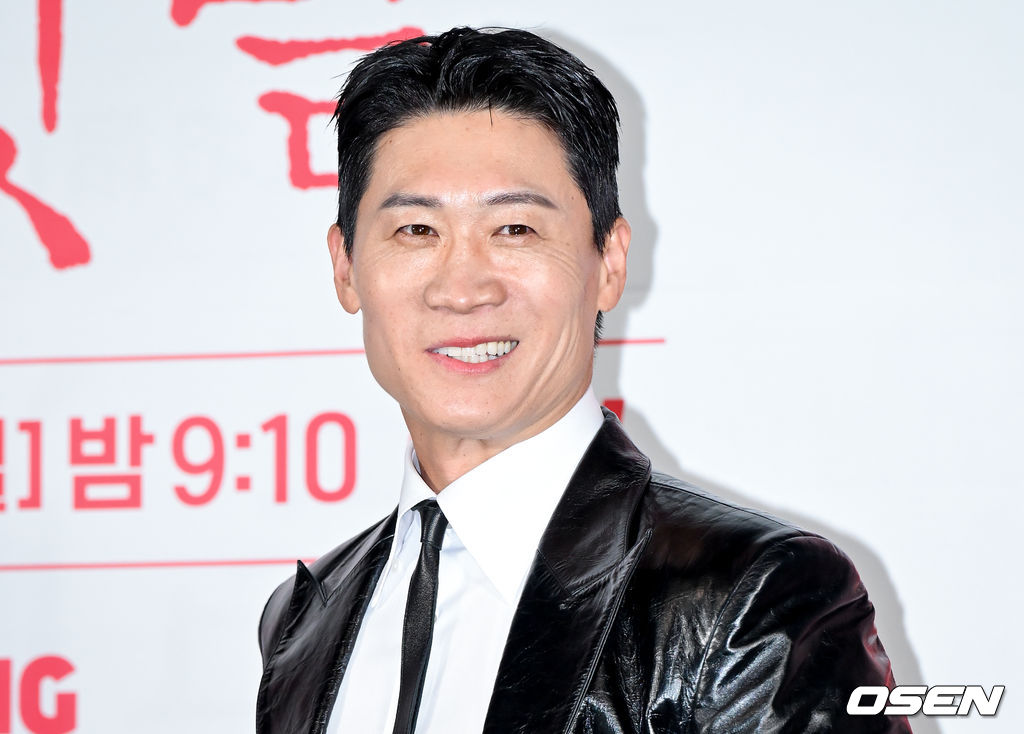
Why Sato Shinichi feels dangerous before he makes a threat
Many screen villains announce themselves through anger. Sato is frightening because he often does the opposite. He can smile, make a joke and keep a conversation moving while watching every reaction in the room. The performance makes politeness feel like another instrument of control.
That approach is especially effective in a period spy story set in 1930s Gyeongseong, where status, language and access can determine who survives. Sato occupies a powerful position in the colonial administration, so even an apparently ordinary exchange carries an imbalance of power. His calmness is not reassurance; it is a reminder that he believes he has the right to decide what happens next.
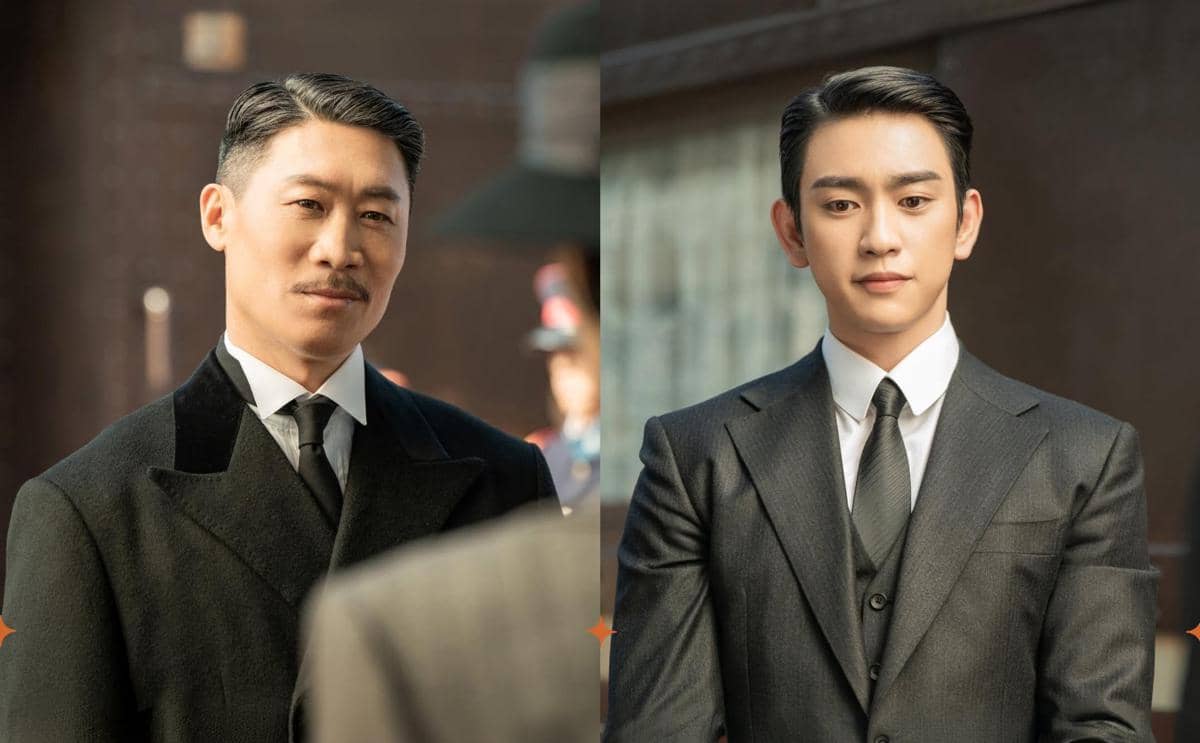
The scene with Hideo exposes the limits of family loyalty
One of the most revealing moments comes after gunfire, when Hideo (Park Jin-young) rushes to check on Sato. Instead of immediately lowering his weapon, Sato keeps it trained on the younger man. The pause turns a family reunion into a test of trust: Hideo has come out of concern, but Sato still sees a potential threat.
Jin’s controlled timing matters here. The delayed movement communicates suspicion more clearly than a long speech could. It also suggests that Sato’s need for control is not limited to political opponents. Even his adopted son is expected to live under the same rules of fear and uncertainty.

Episode 2 gives the villain a history, not an excuse
The second episode adds context to the harm Sato has caused, including the trauma carried by Yoo So-ran (Kim Hyun-joo). Reports on the episode describe a man who exploits families’ desperation and treats human lives as expendable when they interfere with his objectives. These revelations explain the emotional stakes without asking viewers to excuse his actions.
This distinction is important. A convincing antagonist needs more than a list of crimes; the audience must understand how he rationalizes them. Sato’s public composure and private brutality suggest that he has learned to treat cruelty as administration—something to be carried out efficiently and without visible hesitation.

What critics are responding to: restraint, contrast and control
Early Korean entertainment coverage repeatedly points to the contrast between Sato’s friendly exterior and his readiness to use violence. Jin’s performance depends on small shifts: a smile that does not reach his eyes, a measured pause before a decision, or a calm instruction that carries frightening consequences. These details give the character a sense of menace without requiring every scene to become a confrontation.
His language scenes also contribute to the characterization. Sato moves through a multilingual environment where words can conceal intentions as easily as they communicate them. The result is a villain who seems to be evaluating every person and every sentence for weakness.
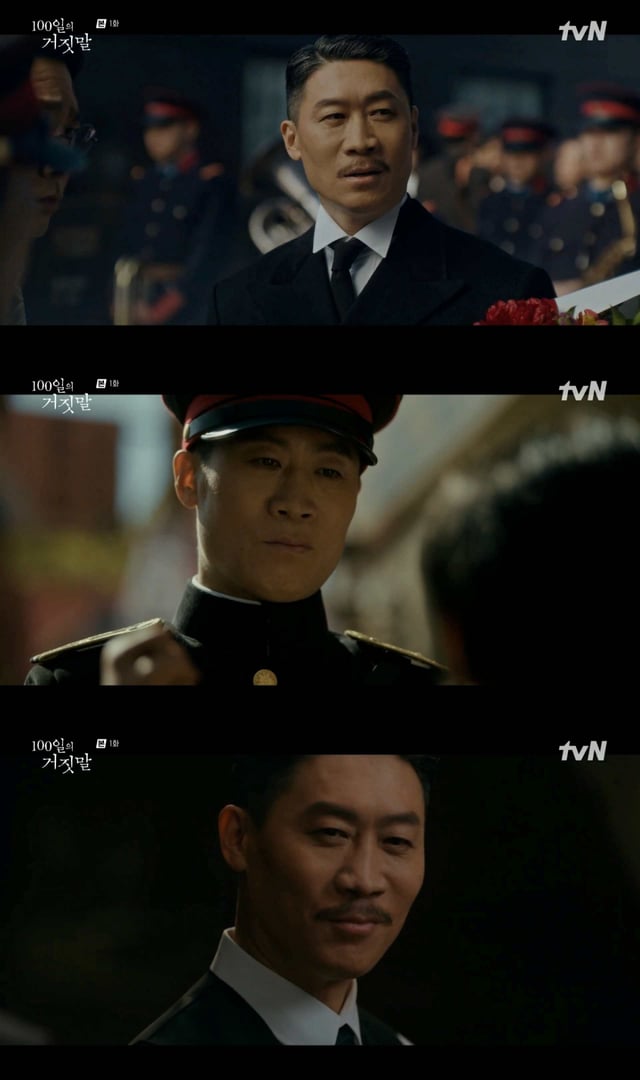
Does this make it his career-best role?
It is too early to make a definitive career-wide ranking after only two episodes. Jin Seon-kyu has built a varied screen career, and a role’s lasting impact depends on what the full series allows an actor to do. What can be said now is that Sato gives him a rich combination of outward charm, political authority and deeply disturbing behavior.
The role is also central to the drama’s wider conflict. Ga-kyung’s infiltration mission and So-ran’s desire for revenge both intersect with the system Sato represents. As those plans tighten around him, the character has room to become more than a one-note villain: he can reveal how power protects itself, how fear spreads through institutions and how private relationships are damaged by authoritarian control.
Quick answer: Why is Jin Seon-kyu being praised?
Jin Seon-kyu is receiving strong early praise for playing Sato Shinichi with chilling restraint. Coverage of Episodes 1 and 2 highlights the contrast between the character’s courteous public manner and his distrust, violence and willingness to exploit other people’s suffering. Calling it his career-best performance remains an opinion, not an official consensus.
Frequently asked questions
Who does Jin Seon-kyu play in 100 Days of Deception?
He plays Sato Shinichi, a powerful political official in the Japanese colonial administration and the adoptive father of Hideo.
Why is Sato Shinichi considered a frightening villain?
He hides suspicion and cruelty behind a composed, sometimes friendly manner. His willingness to threaten even people close to him makes his behavior unpredictable.
What happens between Sato and Hideo in Episode 2?
After gunfire, Hideo approaches to check on Sato, but Sato keeps his weapon trained on him, showing that distrust overrides their family bond.
Have critics officially declared this Jin Seon-kyu’s career-best role?
There is strong early praise in Korean entertainment coverage, but “career-best” is an opinion rather than an official title or award. The full series may change how viewers assess the performance.
Where can viewers watch 100 Days of Deception?
The series is listed on Netflix’s official title page. Availability can vary by region.
Sources and further reading
- The Chosun Daily / Sports Chosun: Jin Seon-gyu’s Chilling Villainy
- Sports Kyunghyang: Jin Seon-kyu’s performance in Episode 2
- Starnews Korea: Jin Seon-kyu’s new villain role
- Netflix: 100 Days of Deception
Join the discussion
Share which moment made Sato feel most threatening to you. Keep in mind that viewer reactions are subjective and may change as new episodes air.
100 Days of Deception Episodes 1 & 2 discussion


