

By Shivam Das | October 13, 2026
100 Days of Deception has made a strong early impression by combining a high-stakes spy story with intimate family tragedy. The new tvN weekend drama premiered on October 10 and reached a 5.3% nationwide rating for its first episode, according to Nielsen Korea figures reported by Soompi. Its second episode then crossed the 7% mark, while reviews have highlighted the performances and the series’ historical atmosphere. Those are encouraging early signs—not proof of a long-term hit, but a clear reason the show is attracting attention.
1. The ratings show a promising start
The premiere averaged 5.3% nationwide, a figure that Soompi reported was the highest premiere rating of any tvN Saturday-Sunday drama in 2026 at that point. The second episode’s rating rose above 7%, according to The Korea Times. The increase suggests the show held viewers’ attention beyond its opening hour, although two episodes are too small a sample to predict where the series will finish.
It is also important to distinguish domestic television ratings from streaming rankings. A Nielsen Korea rating measures viewing in South Korea under its reporting methodology; it does not by itself establish a Netflix global Top 10 position or prove that the show is outperforming every competing series internationally.

2. Critics have a specific reason to praise the acting
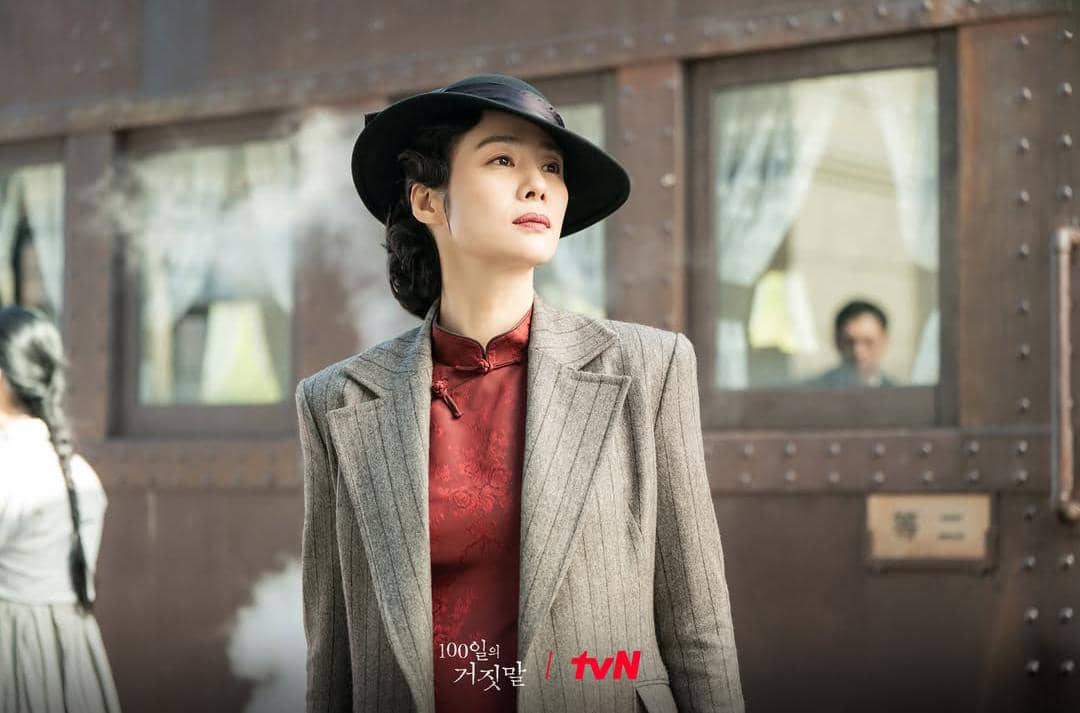
The strongest early critical response is not simply that the show looks expensive. In its October 13 review, The Korea Times called Kim Hyun-joo’s work in Episode 2 an “acting masterclass”. The review points to a banquet where Yoo So-ran’s assassination plan is disrupted when she encounters her long-lost husband, Geum Seok-jung.
Sports Kyunghyang also praised Kim’s immersive performance, noting how she shifts between the cool judgment of a trained sniper and the grief of a mother who has lived with profound loss. That contrast gives the spy plot a human center: So-ran’s mission is not abstract patriotism alone; it is bound up with the people and memories she has lost.

3. The historical setting gives the suspense real stakes
The story is set in 1932 Gyeongseong, during Japanese colonial rule, when independence activists operated under severe risk. The Korea Times review notes that the drama mixes espionage with historical resonance rather than relying on twists alone. Its formal banquets, official offices and coded exchanges make the setting part of the suspense: a polite conversation can be as dangerous as a chase.
Historical dramas carry a responsibility to make the past legible without turning suffering into decoration. The show’s most effective scenes connect the political climate to individual consequences—separation, surveillance, betrayal and the choices people make when ordinary life has been taken away.

4. The plot links personal secrets to political danger
The central characters do not enter the story with clean, uncomplicated motives. Ga-gyeong is a resourceful pickpocket, So-ran is a resistance sniper, and Park Jin-young’s Hideo is tied to the colonial administration through a fraught family relationship. Their paths intersect through stolen items, hidden identities and an assassination attempt, giving the series several ways to generate tension.
Episode 2’s revelation about So-ran’s husband adds emotional weight to the mechanics of the mission. A past she thought might be closed suddenly becomes immediate and dangerous. That kind of collision between private history and present action can keep viewers invested between major action sequences.

5. What the early success does—and does not—mean
So far, the evidence supports a measured conclusion: the series has opened strongly on Korean television, and at least two outlets have praised Kim Hyun-joo’s performance. That is meaningful momentum. It is not enough, however, to claim that the drama has already won a global streaming race, guaranteed double-digit ratings, or secured universal critical acclaim.
The next test is consistency. Can later episodes sustain the tension after the initial revelations? Will Ga-gyeong’s infiltration of the Government-General deepen the story rather than simply add another cliffhanger? And can the show keep balancing historical context, romance and espionage without allowing one strand to overwhelm the others? Those questions will determine whether the opening buzz becomes durable word of mouth.
Quick answer: Why is 100 Days of Deception gaining attention?
100 Days of Deception is gaining early attention because its premiere earned a reported 5.3% nationwide rating, Episode 2 moved above 7%, and reviewers praised Kim Hyun-joo’s emotionally layered performance. Its combination of 1930s historical setting, espionage and family tragedy gives viewers both plot-driven suspense and personal stakes.
Frequently asked questions
What were 100 Days of Deception’s early ratings?
Soompi reported a 5.3% nationwide average for the October 10 premiere, citing Nielsen Korea. The Korea Times reported that the drama passed 7% within its first two episodes.
Why are critics praising Kim Hyun-joo?
Reviews have highlighted her ability to portray So-ran as both a disciplined resistance sniper and a grieving mother, especially during the banquet sequence in Episode 2.
Does a strong Korean TV rating prove the show is a global Netflix hit?
No. Domestic television ratings and Netflix’s country-specific or global streaming rankings measure different things. A global ranking claim should be supported by a dated, verifiable Netflix chart or an attributable report.
What is the drama about?
Set in 1932 Gyeongseong, the series follows characters caught between espionage, the independence movement and personal loyalties under Japanese colonial rule. Netflix describes the story as a pickpocket infiltrating the colonial government to steal secrets.
Where can viewers find official information?
See the official Netflix title page for the series description and cast listing.
Sources and further reading
- Soompi: premiere ratings report
- The Korea Times: review and Episode 2 ratings context
- Sports Kyunghyang: Kim Hyun-joo’s performance
- Netflix: official series page
Editorial note: Ratings and critical reception reflect the sources linked above as of October 13, 2026. Future ratings, streaming charts and audience response may change.


