

The romance at the center of 100 Days of Deception is dangerous for a reason: Lee Ga-kyeong is not simply a pickpocket who falls for a powerful man. She enters the colonial government as an undercover operative, while the man she grows close to is tied to the very power structure she has been sent to penetrate.
Set in 1932 Gyeongseong, the Netflix-listed Korean period drama stars Kim You-jung as Lee Ga-kyeong and Park Jin-young as Kim Tae-woong, also known as Sato Hideo. The series builds its central relationship around concealed identities, competing loyalties and the risk that a personal feeling could compromise a mission. Netflix’s official synopsis describes a pickpocket who infiltrates the Japanese colonial government to steal secrets, only to fall for her target’s son.

Why a romance between a spy and the enemy’s son is so risky
Lee Ga-kyeong’s assignment puts her close to an institution she is meant to infiltrate. Her cover gives her access, but it also leaves little room for a mistake. A relationship with Kim Tae-woong could expose her real purpose, threaten the people who sent her, and force her to choose between the demands of her operation and the feelings she may be developing.
Kim Tae-woong’s position makes the tension more complicated than a conventional forbidden romance. He works as an interpreter for the Japanese Government-General of Korea and is the adopted son of a senior official. That identity gives him proximity to power, but it also places him in a world where trust can be a liability. As suspicion grows, every conversation between the two leads can carry two meanings: what is said aloud and what each character is trying to hide.
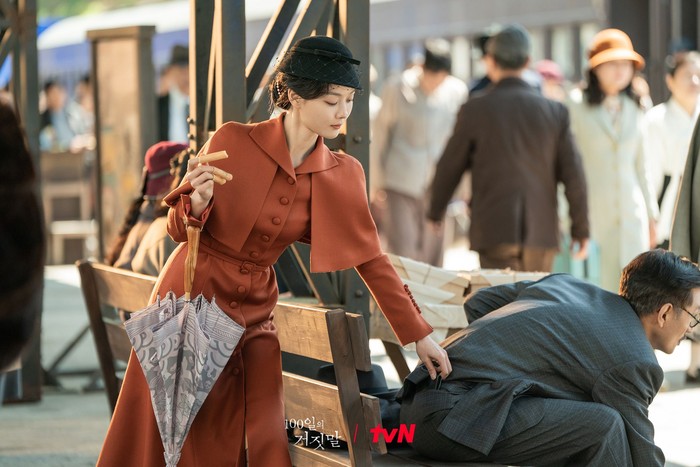
The pickpocket’s cover story is also her greatest strength
Lee Ga-kyeong is introduced as a street-smart thief, not a conventional spy with formal training and institutional protection. Her ability to read people, move unnoticed and improvise gives her an advantage in crowded streets and unfamiliar rooms. But those same instincts can make it difficult to know when she is acting out of self-preservation and when she is beginning to care about someone.
That contrast gives the romance its emotional charge. A character who survives by misdirection has to decide whether honesty is possible—and whether telling the truth would put another person in danger. The 100-day premise adds a deadline: the longer Lee remains undercover, the harder it may become to separate the role she performs from the person she is becoming.

Kim Tae-woong and Sato Hideo: one man, two identities
Park Jin-young’s character is known as Kim Tae-woong and also uses the name Sato Hideo. The split identity is more than a plot gimmick: it reflects the political and personal pressures surrounding a Korean man working inside the colonial administration. His family connection gives him status, yet his position also makes his motives difficult for others to read.
For Lee Ga-kyeong, getting close to him could help her reach the information she needs. For him, discovering why she keeps appearing in unexpected places may be as important as the attraction between them. Their relationship therefore develops as a contest of observation. Each has reasons to study the other, and each risks revealing too much by doing so.

Why the colonial-era setting changes the meaning of the romance
The drama’s 1932 setting matters. Gyeongseong was the name used for Seoul during Japanese colonial rule, a period marked by coercive government and Korean resistance. In this context, the romance is not happening in a neutral world: the characters’ choices are shaped by unequal power, political surveillance and the consequences of collaboration or resistance.
The story also creates a useful distinction between attraction and trust. Two people can be drawn to each other without sharing the same goals, and a sincere moment does not erase the risks surrounding them. That tension is what can make a spy romance more compelling than a simple enemies-to-lovers setup. The relationship matters precisely because it cannot be separated from the mission.
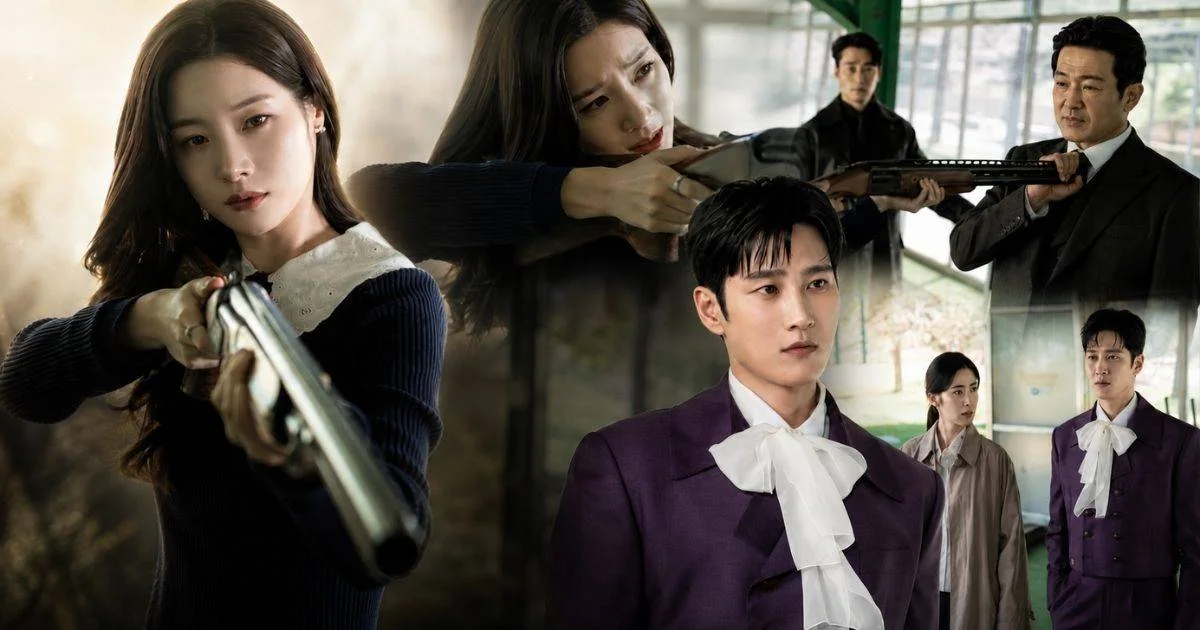
What viewers should watch for as the relationship develops
- Changes in suspicion: Watch for moments when a character’s questions become more personal than professional.
- Language and performance: As an interpreter and an undercover operative, the leads operate in a world where words can conceal as much as they reveal.
- Conflicting loyalties: The central question is not only whether they will fall in love, but what that connection might cost the people and causes around them.
- The deadline: A limited mission gives every decision a consequence and makes delay itself a risk.
Frequently asked questions
What is the romance in 100 Days of Deception about?
It follows undercover pickpocket Lee Ga-kyeong, played by Kim You-jung, as she infiltrates the colonial government and becomes entangled with Kim Tae-woong, also known as Sato Hideo, played by Park Jin-young.
Why is their relationship dangerous?
Lee is operating undercover, while Kim is connected to a senior official in the administration she has infiltrated. Romantic trust could expose her mission and complicate his own loyalties.
Is 100 Days of Deception set in a real historical period?
Yes. The drama is set in 1932 Gyeongseong, the name used for Seoul during Japanese colonial rule. Its characters and plot are fictional, while the historical setting refers to a real period in Korean history.
Where can viewers check official information about the series?
Start with the official Netflix title page and published coverage from Soompi. Release dates and availability may vary by region.
Sources and further reading
- Netflix: 100 Days of Deception — official series page
- Soompi: Kim You-jung and Park Jin-young begin a tense spy romance
- The Korea Times: Colonial-era espionage romance and historical setting
By Shivam Das
Editorial note: This article discusses the drama’s published premise and characters. Plot interpretation is analysis, not a claim about the actors’ private lives.


