

By Shivam Das | Updated October 13, 2026
Two episodes are rarely enough to declare a new Korean drama a classic. Yet 100 Days of Deception has already invited comparisons with Mr. Sunshine, the acclaimed 2018 historical series, because both place intimate lives inside the violence and political pressure of Korea under Japanese rule. The comparison is understandable—but it is more useful as a way to identify shared themes than as a prediction that the newer drama will reach the same legacy.
In its October 13 review, The Korea Times explicitly noted that the drama brings Mr. Sunshine to mind. A separate review from Decider also drew parallels with Mr. Sunshine and Pachinko, pointing to the new series’ historical setting, multilingual characters and mix of romance with political conflict.
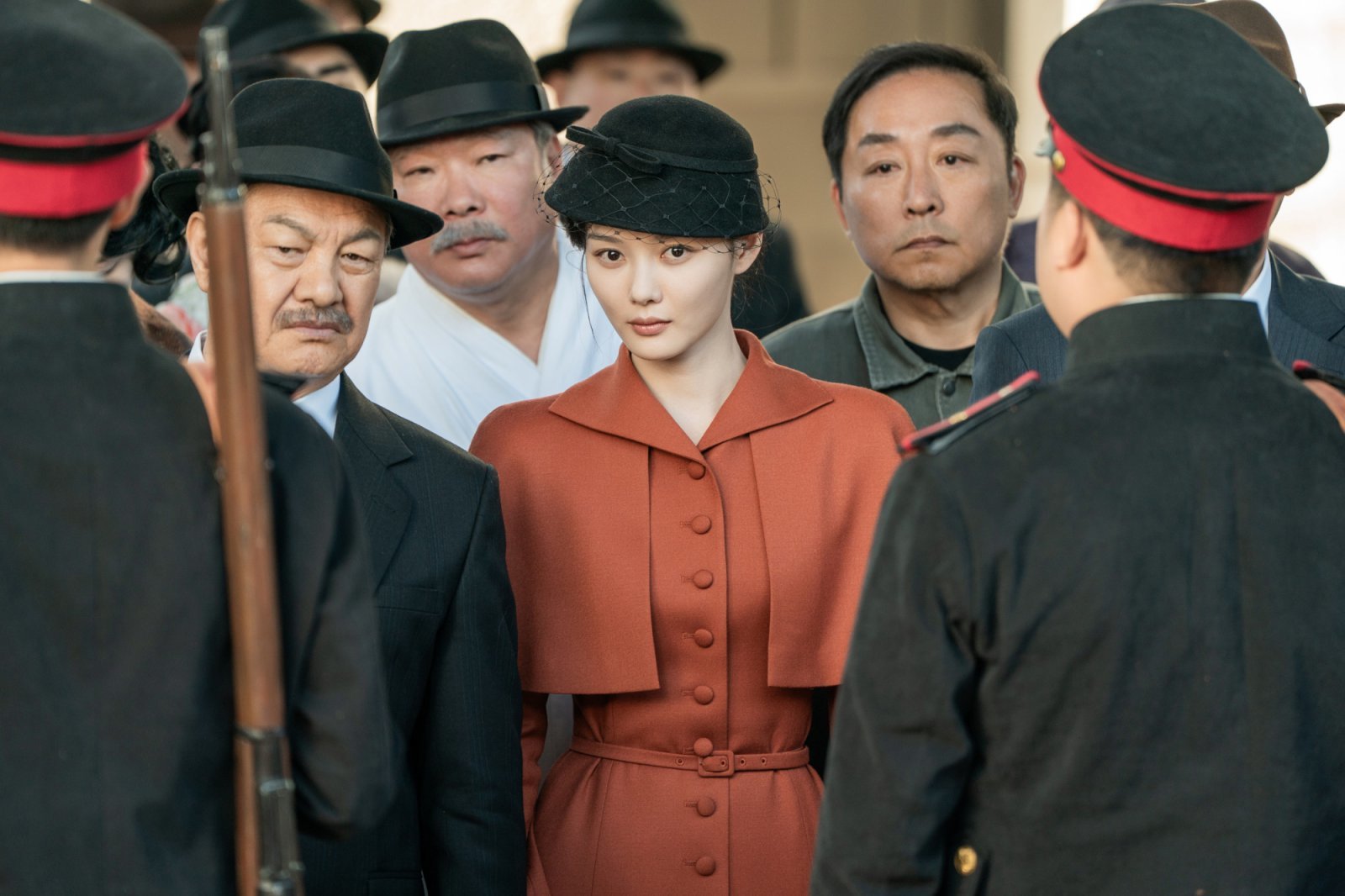
1. The historical setting is more than beautiful scenery
Both dramas use the colonial period as a force that shapes everyday choices, not simply as an elaborate backdrop. 100 Days of Deception is set in Gyeongseong in 1932, when Japanese colonial rule had reshaped public life and the independence movement operated under serious risk. Its central premise—an accomplished pickpocket recruited to infiltrate the Japanese Government-General—turns the pressure of the period into a practical, episode-by-episode espionage problem.
Mr. Sunshine also links personal relationships to the fate of a nation, but it builds its story across a different time frame and a broader historical canvas. The shared setting creates a thematic bridge; it does not make the two dramas interchangeable. Each series chooses its own characters, conflicts and storytelling rhythm.
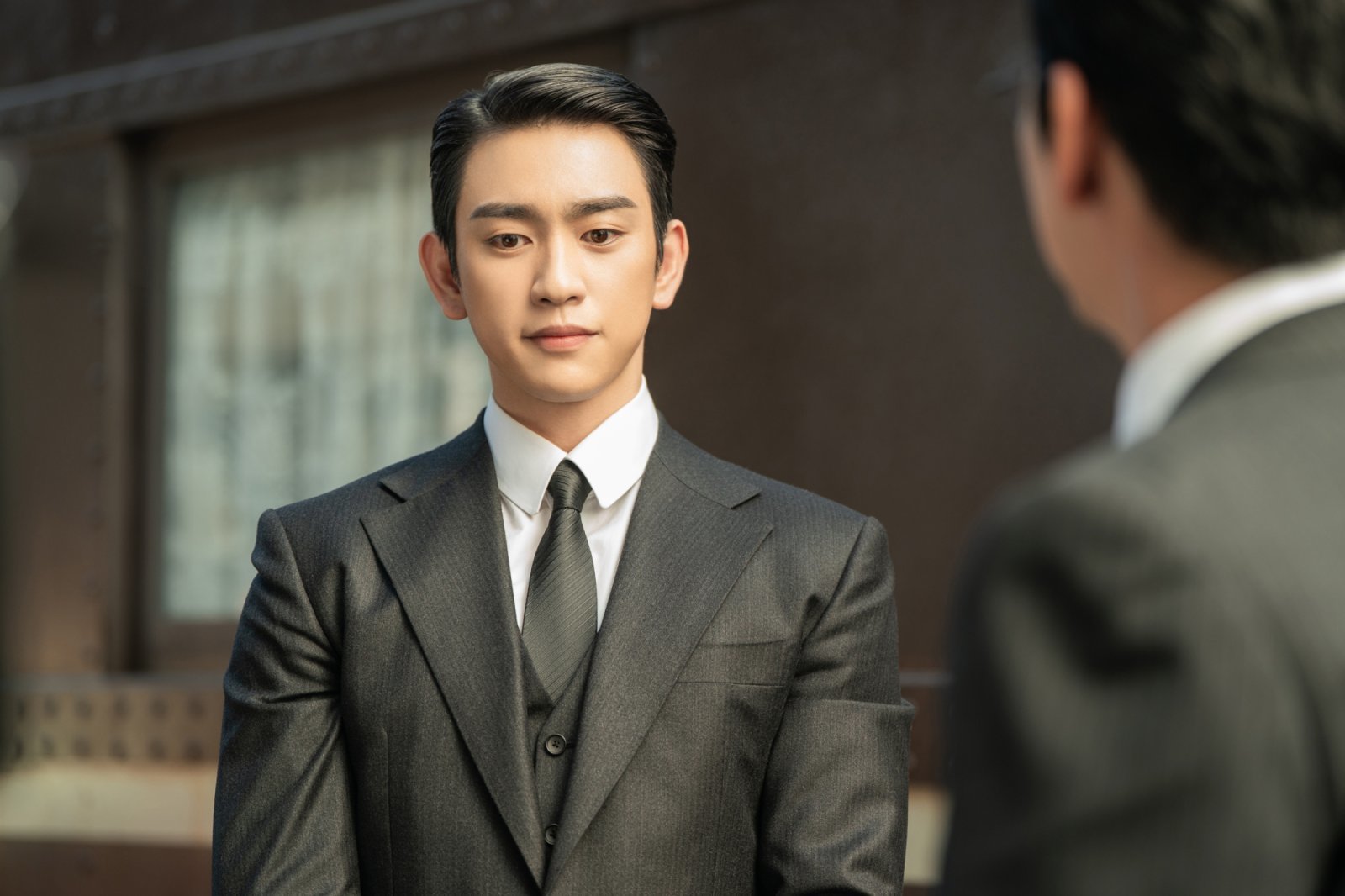
2. Both dramas make identity a matter of survival
One of the strongest points of comparison is the distance between a character’s public role and private loyalties. In 100 Days of Deception, Ga-kyung’s plan to enter the Government-General depends on her ability to read people, navigate languages and conceal what she really wants. Hideo, meanwhile, is a Korean-born man living under a Japanese identity inside the administration. His place in the system is both a source of power and a source of tension.
That double life gives the spy plot emotional stakes. A false name can protect someone, but it can also separate them from their history. The suspense is not only about whether a secret will be exposed; it is about what a character must give up to keep it hidden.
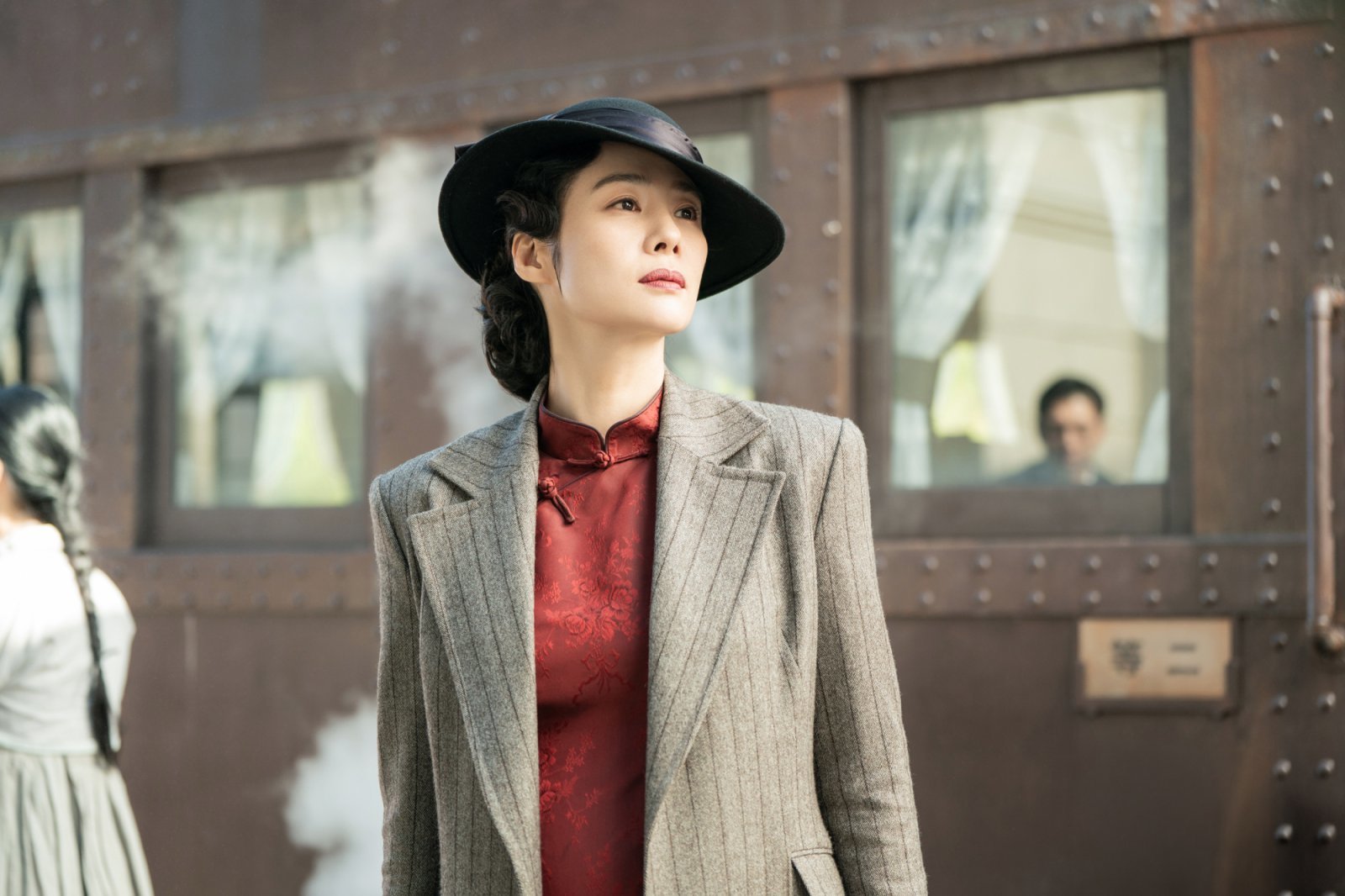
3. Romance carries political consequences
Neither show treats love as a sealed-off escape from history. In the new drama, attraction grows amid surveillance, conflicting loyalties and a dangerous undercover assignment. Relationships can offer a rare source of tenderness, but they can also create leverage for people who hold power.
This is where the comparison with Mr. Sunshine becomes emotionally meaningful. The shared idea is not simply “historical costumes plus romance.” It is the collision between private desire and public danger. The difference is that 100 Days of Deception currently moves through the mechanics of a spy mission, while the older series is remembered for its expansive romantic and historical tragedy.
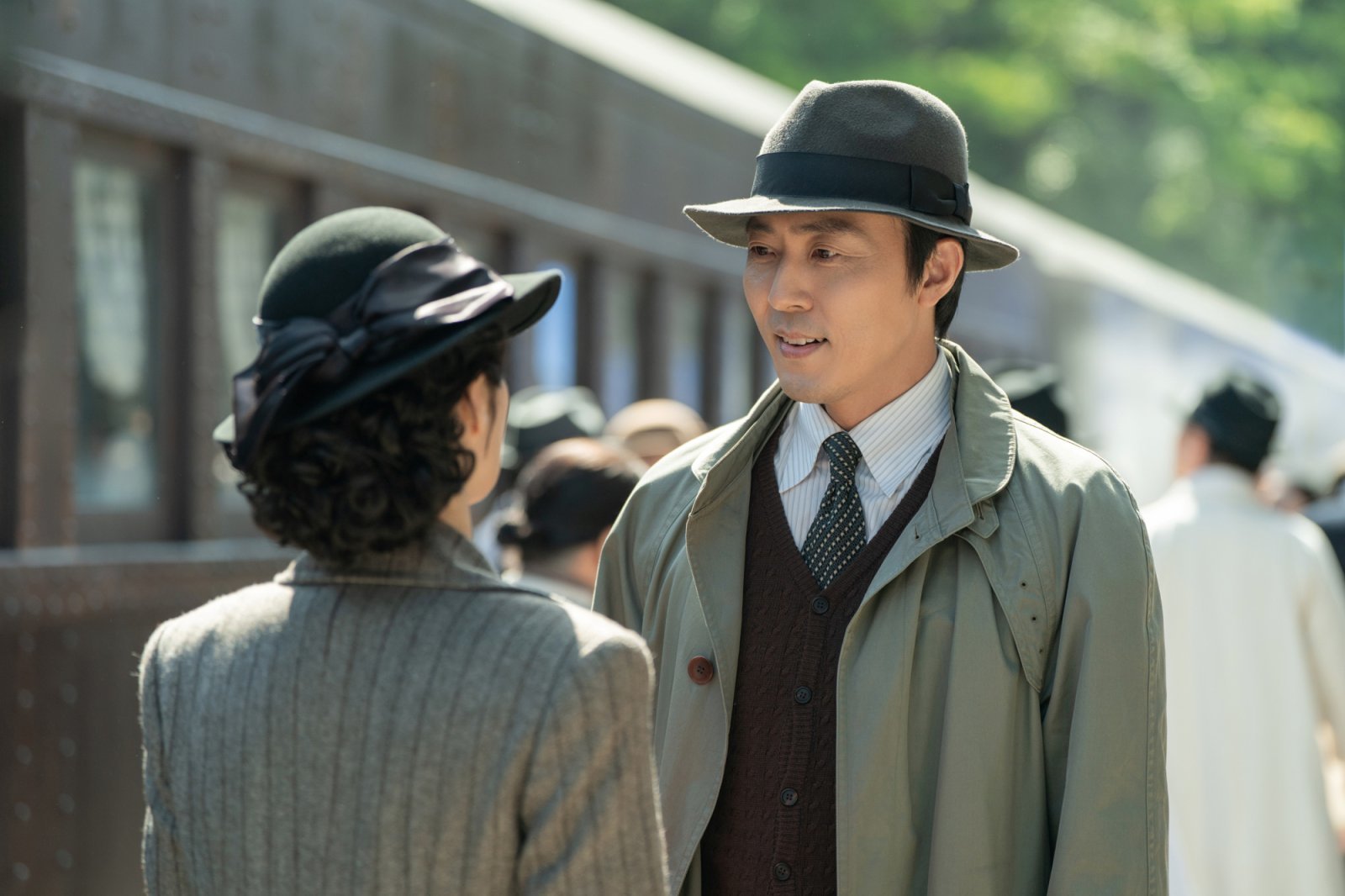
4. The performances are already carrying heavy emotional material
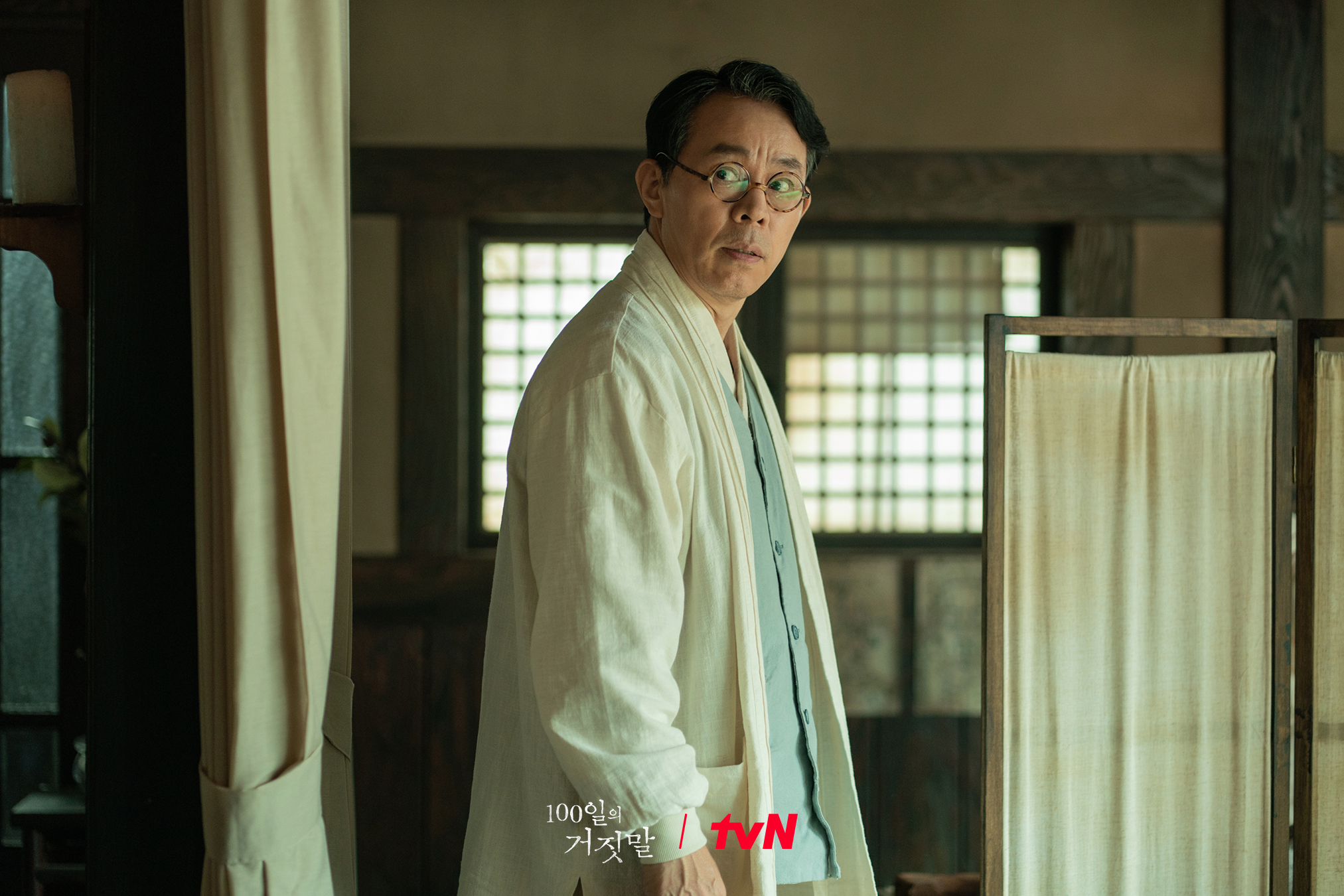
The opening episodes ask the cast to move between outward composure and private distress. Ga-kyung’s quick wit can mask how precarious her life is. Hideo’s official manner hides a complicated relationship with the man who adopted him. So-ran’s mission is driven by personal tragedy, and her reunion with her long-lost husband changes the emotional stakes of the assassination plot.
The Korea Times highlighted the emotional force of Kim Hyun-joo and Lee Moo-saeng in the early episodes, while its review also praised the way the drama connects the characters’ motives. That professional response offers firmer evidence than broad claims that “everyone” is talking about the show. Early fan enthusiasm can be useful context, but it is not a substitute for representative audience data.
5. The key difference: a spy thriller has to earn its historical scale
Mr. Sunshine had a completed run in which its character arcs and historical tragedy could be judged as a whole. After two episodes, 100 Days of Deception is still establishing its alliances, betrayals and central mission. Its espionage structure can create a faster rhythm: a stolen object, a suspicious encounter or a failed assassination attempt can immediately change who trusts whom.
That structure is an advantage if the show keeps its political details coherent and lets the characters’ decisions have consequences. It could become a limitation if twists crowd out the lives of ordinary people under colonial rule. The most promising path is to make the spy mechanics serve the human story, rather than letting each new reveal replace the emotional development that came before it.
Does the comparison mean 100 Days of Deception is as good as Mr. Sunshine?
Not yet. Two episodes can establish a compelling premise and memorable performances, but they cannot demonstrate the consistency of an entire series. A fair comparison should look at whether later episodes deepen the characters, handle historical context responsibly and make the romantic and political stakes feel earned.
For now, the comparison is a useful recommendation for viewers who enjoy Korean period dramas where love, identity and resistance intersect. It is not proof that the new series will match the older drama’s critical standing or long-term cultural impact.
Quick answer
100 Days of Deception is being compared with Mr. Sunshine because both explore romance, identity and resistance during Japanese colonial rule in Korea. Reviews from The Korea Times and Decider have made the connection, but the newer series has aired only its opening episodes, so any claim that it will equal the older drama is premature.
Frequently asked questions
Why is 100 Days of Deception being compared to Mr. Sunshine?
Both dramas combine the colonial-era Korean setting with personal relationships, political danger and characters forced to choose between private desires and public loyalties. The comparison has also appeared in published reviews.
Is 100 Days of Deception a remake of Mr. Sunshine?
No. It is a separate period spy-romance story centered on a pickpocket who infiltrates the Japanese Government-General. Similar themes and historical context do not make it a remake.
How many episodes are available so far?
As of October 13, 2026, the drama’s first two episodes have aired. Episode 3 is scheduled for the following weekend according to published episode listings; check the official Netflix page for availability in your region.
Where can I watch 100 Days of Deception?
The drama is listed on Netflix’s official title page. Availability and release timing may vary by country.
What should viewers watch for in the next episodes?
Watch how Ga-kyung’s undercover role changes her loyalties, how Hideo handles his divided identity, and whether So-ran’s personal mission affects the wider resistance plot. These choices will show whether the series can sustain the comparison beyond its opening atmosphere.
Join the viewer discussion
Episode discussion threads can offer a snapshot of fan reactions, but they should be treated as individual opinions rather than proof of broad consensus.
100 Days of Deception Episode 2 discussion thread
Sources and further reading
- The Korea Times: Review of 100 Days of Deception
- Decider: 100 Days of Deception review
- Netflix: 100 Days of Deception
- Soompi: First cast stills
- Soompi: Supporting cast stills
Image credits: tvN promotional stills via Soompi. Confirm applicable image-use permissions before publication or reuse.


