

Kelly Clarkson’s comparison to Pretty Woman turned a brief Brooklyn shopping trip into a pop-culture debate. The 1990 romantic comedy gives viewers a clear, scripted scene: Julia Roberts’ character Vivian Ward is dismissed by luxury-store sales staff because of how she looks, then returns after shopping elsewhere. Clarkson says a visit to Art of Play left her feeling similarly judged. But the available security footage from the store has no audio, so it cannot establish the words or tone that shaped the encounter.
Here is the side-by-side comparison: what happens in the movie, what Clarkson says happened in Brooklyn, what the shop says happened, and what the public footage can—and cannot—prove.

The side-by-side: Pretty Woman vs. Kelly Clarkson’s Brooklyn visit
| Question | Pretty Woman (1990) | Kelly Clarkson’s Art of Play visit |
|---|---|---|
| Where does it happen? | Vivian visits an upscale Beverly Hills clothing boutique. | Clarkson visited Art of Play, a novelty and magic shop in Brooklyn, on October 10, 2026. |
| What sparks the conflict? | Sales staff judge Vivian by her appearance and refuse to help her shop. | Clarkson says an employee treated her as if she could not afford an item and offered to find something comparable. |
| What is the item? | Clothing in a luxury retail setting. | A singing-and-dancing mechanical bird called Molly, reportedly associated with a $15,000 price tag. |
| What does the business say? | The fictional sales staff’s behavior is part of the film’s plot. | Art of Play says Molly is mounted to the wall and is not for sale; it says a similar automaton could be commissioned and that it offered to show Clarkson a different bird. |
| Is there video? | Yes—the movie is a scripted scene with dialogue. | Security footage released by journalist Pablo Torre shows portions of the visit, but it is silent. |
| What can viewers conclude? | The film tells viewers what was said and why the characters react. | The silent clip shows movement and gestures, not the conversation’s exact words, intent, or tone. |
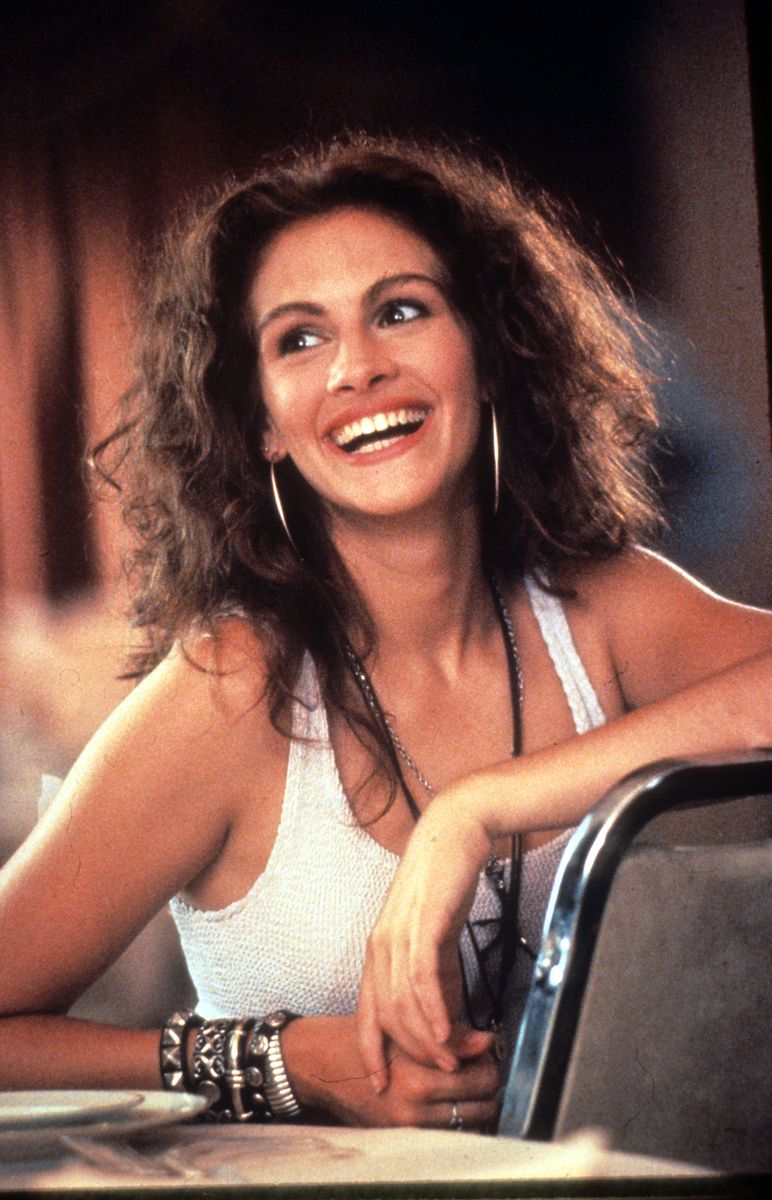
What happens in the Pretty Woman scene?
In the film, Vivian Ward—played by Julia Roberts—walks into an expensive boutique while dressed in a way that leads employees to underestimate her. Rather than treating her as a potential customer, they dismiss her. Later, after buying clothes elsewhere, Vivian returns to confront the sales staff. The sequence is memorable because the audience hears the exchange and understands the assumptions behind it. Its famous payoff is a scripted reversal of the original snub.
That context explains why the comparison resonated: both stories are framed around the feeling of being judged before a purchase is taken seriously. But a movie scene and a real customer-service dispute are not interchangeable. The film supplies dialogue, motive and resolution; the Brooklyn footage does not.
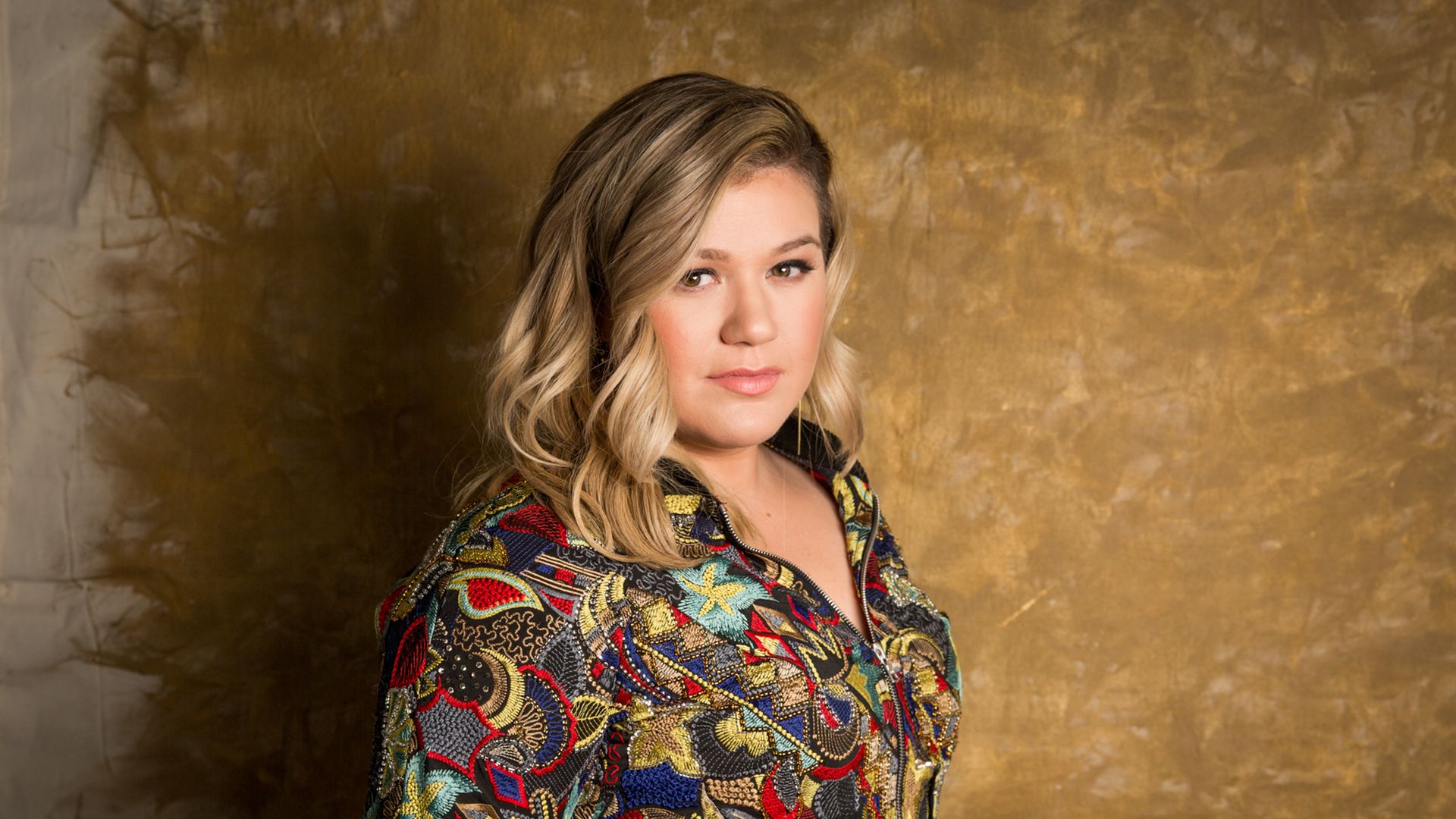
What Kelly Clarkson says happened
After the visit, Clarkson wrote on X that she had driven to Brooklyn because the store looked interesting and that she had several things in mind to buy. She said she felt as though she was being looked at like someone who could not afford the merchandise and was told the employee could find something comparable. She then named Art of Play and compared the experience to the treatment Vivian receives in Pretty Woman.
In a later response shared on Instagram Stories, Clarkson disputed the store’s explanation that Molly was not for sale. She said she had pointed to a price tag and recalled being told the bird cost $15,000, followed by an offer to find something comparable. That is Clarkson’s account of the exchange; the public CCTV clip does not contain audio that would independently verify the wording.
What Art of Play says happened
Art of Play said Molly is a one-of-a-kind automaton attached to the wall and used in the store’s magic shows, so it was not available for an ordinary purchase. The business said a nearly identical bird by artist Bliss Kolb could be commissioned for $15,000 and that a different singing-bird automaton, priced at about $2,000, was available to take home. The shop described the encounter as a misunderstanding and said it tried to contact Clarkson to clear things up.
Store co-owner Adam Rubin later said the shop had put a much higher price on Molly after public attention surged, describing it as $15 million. That figure was reported as the owner’s announced price amid the controversy—not evidence of a completed sale or an independent valuation.

What the CCTV footage actually shows
The footage released by Pablo Torre’s show appears to show Clarkson browsing, handling an optical toy, approaching the display where Molly is mounted, speaking briefly with a person identified as a store owner, and later gesturing near the entrance before leaving. Reports put her visit at roughly four minutes and 50 seconds. The clip is silent, however, and a gesture or facial expression cannot tell viewers exactly what was said.
That distinction matters. Video can establish visible actions and sequence, but without sound it cannot settle whether a comment was condescending, whether a price was described in a particular way, or what either person intended. The two accounts remain in conflict on those central details.
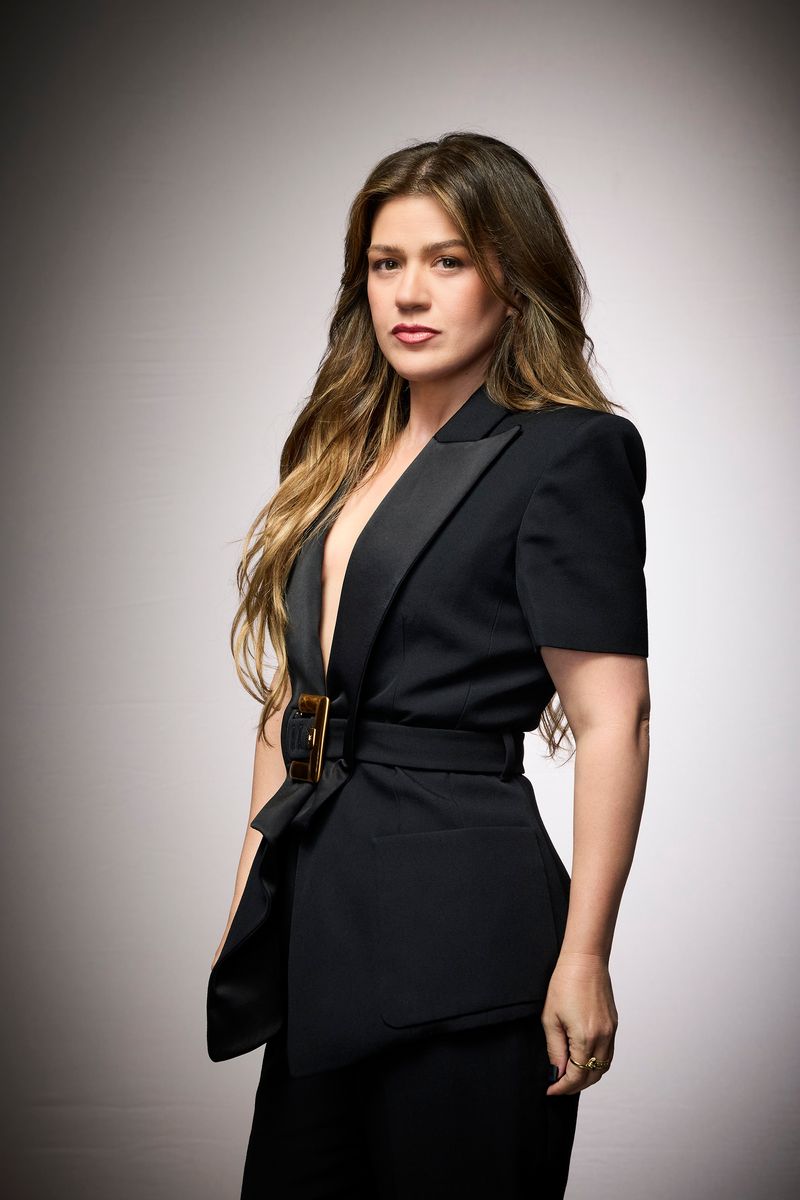
Watch the reported security footage
The following video was published by the Pablo Torre Finds Out show, which reported obtaining the store surveillance footage. The video is presented here as an embedded source; viewers should remember that the clip has no audio and does not independently resolve the dispute.
Why the comparison went viral
Pretty Woman offers a simple, instantly recognizable shorthand for being underestimated in a store. Clarkson’s celebrity made the comparison travel quickly, while the shop’s response added a second account and raised questions about how a small business handles a viral complaint. The story also illustrates the limits of online verdicts: a brief, silent clip may add context without proving every claim circulating around it.
There is a further difference from the movie. Vivian’s return is written as a triumphant scene in which the audience sees the reversal play out. Clarkson’s real-world visit ended with both sides disagreeing about the conversation, and there is no confirmed movie-style resolution. Readers can understand why she made the comparison without treating the film as proof of what happened in Brooklyn.
Frequently asked questions
Did Kelly Clarkson recreate the Pretty Woman shopping scene?
No. Clarkson said her experience reminded her of the scene in which Vivian Ward is dismissed by boutique staff. The Brooklyn visit was a real-world dispute, not a recreation of the film.
Does the CCTV footage prove the store treated her rudely?
No. The released footage has no audio. It shows parts of the visit and visible gestures, but it cannot establish the exact words, tone, or intent behind the exchange.
Was Molly actually for sale for $15,000?
Clarkson says she was shown a $15,000 price tag and told the bird was for sale. Art of Play says Molly itself was not for sale, while a similar automaton could be commissioned for $15,000. Those accounts differ.
Why did the store say the price became $15 million?
Co-owner Adam Rubin said the store raised the displayed price after the controversy drew attention. Reports do not establish that Molly sold for that amount or that $15 million is an independent appraisal.
What is the biggest difference between the movie and the real incident?
The movie provides scripted dialogue and a clear resolution. In Clarkson’s case, the available video is silent and the two sides dispute what was said, so the central question remains unresolved in the public evidence.
Sources and further reading
- Entertainment Weekly: Security footage from the Art of Play visit
- PEOPLE: What to know about Clarkson’s dispute with the store
- HOLA: CCTV footage and the Pretty Woman comparison
- Pablo Torre Finds Out: reported security footage
Reporting note: This article distinguishes Clarkson’s statements, the store’s response, and what silent footage can establish. The disputed conversation is not presented as independently verified.
By Shivam Das


