

The viral dispute over Molly, a singing mechanical bird at Brooklyn’s Art of Play, has put an unusual corner of entertainment in the spotlight: close-up magic. The featured photo shows Art of Play’s co-owners outside the shop (photo by Hal Schulman for Genii). But the headline idea that magicians are “secretly happy” about the controversy needs a reality check. There is no verified public statement from a group of magicians saying they are privately celebrating Kelly Clarkson’s dispute. What can be documented is that Art of Play houses a small magic theater, that performers regularly appear there, and that the store’s unusual bird has suddenly introduced many new people to the venue.
That distinction matters. A viral story can bring attention to an art form without every artist involved endorsing the controversy that created it. In this case, the more interesting question is whether the attention could help magic audiences discover performers and venues they might otherwise never have found.

Why Molly’s story connects to the world of close-up magic
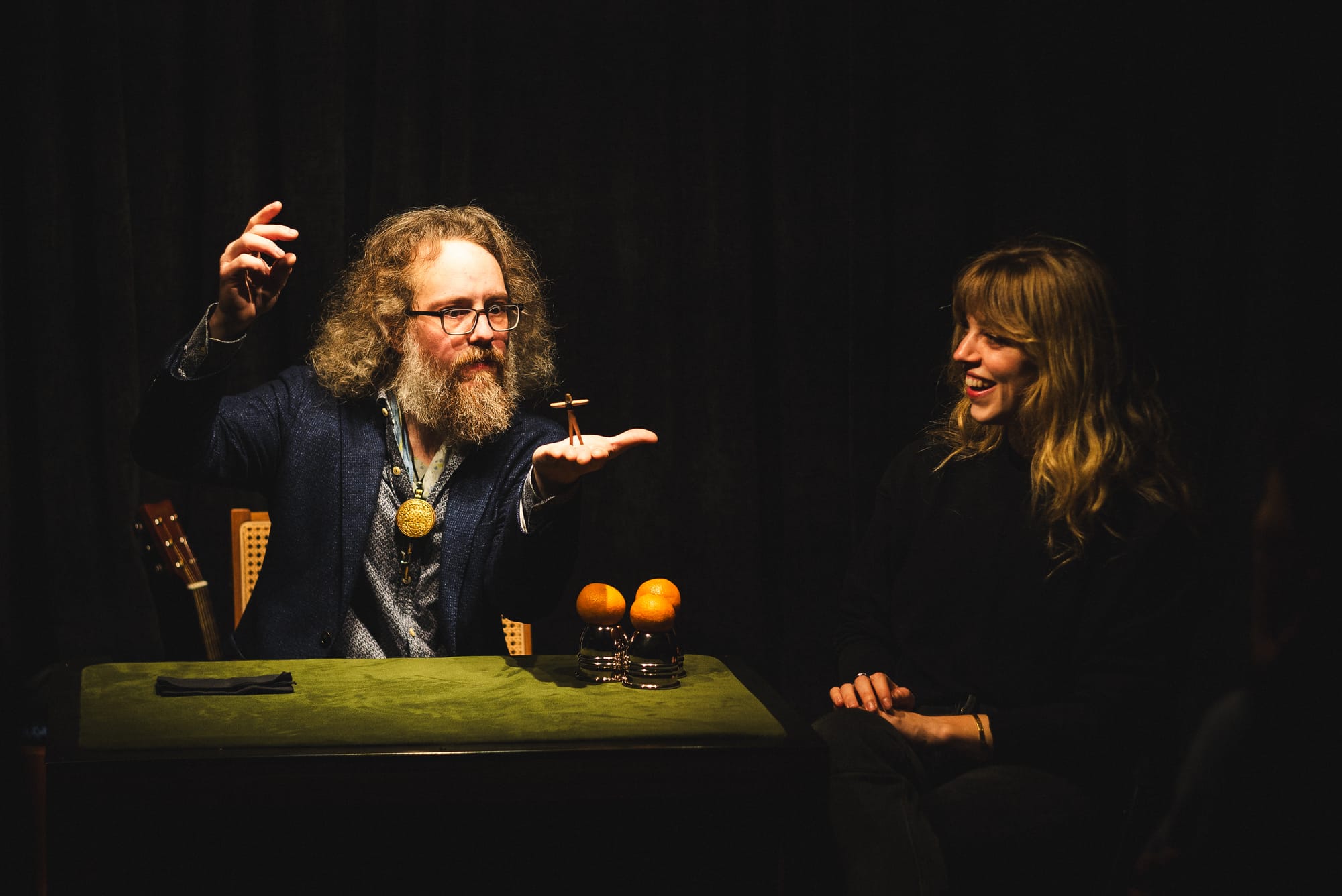
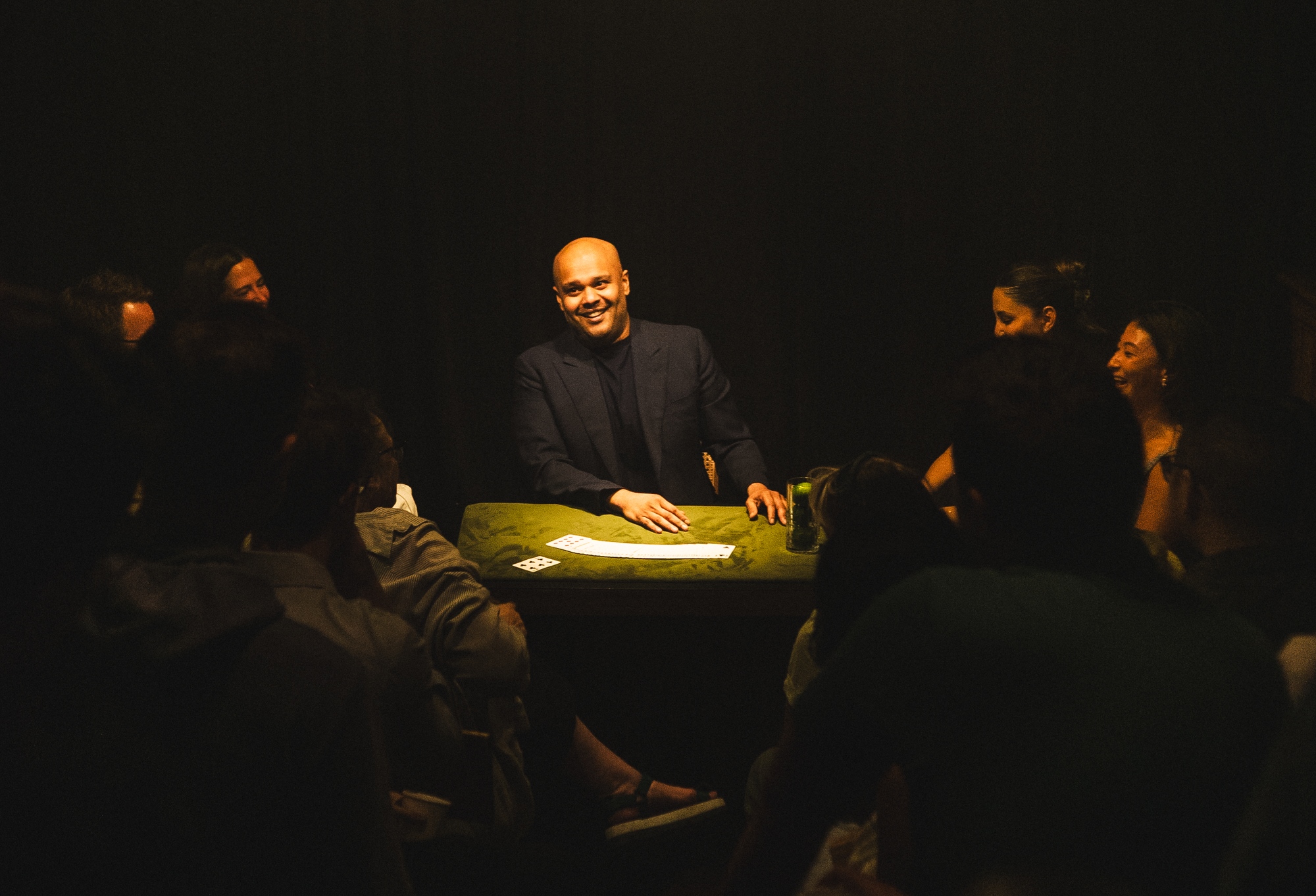
Art of Play is more than a novelty shop. Its Brooklyn location includes 69 Atlantic, an intimate theater designed for close-up magic, where performers work just a few feet from their audience. The venue’s appeal is built around proximity, attention and surprise—the same ingredients that make a mechanical automaton compelling. Molly’s small scale and lifelike movements make her a natural fit for a space devoted to the feeling that something impossible is happening right in front of you.
Genii, a magazine devoted to the art and history of magic, reported in 2025 that the theater had hosted performers including Eric Mead, Garrett Thomas, Zabrecky, R. Paul Wilson, Andrew Frost, Jay Gilligan, Inés and Alexandra Duvivier. That history predates the Kelly Clarkson dispute. The viral moment did not create the theater or its performers; it gave a much larger audience a reason to look them up.
Are magicians actually happy about the viral attention?
There is not enough public evidence to say that magicians are “secretly happy” about the dispute. No named performer quoted in the coverage reviewed for this article said the controversy was good for their career or that they welcomed the online fight. It would be misleading to turn a plausible business benefit into a reported fact.
There is, however, a reasonable industry angle. Publicity can introduce new audiences to a venue, and some of those visitors may become interested in the live performances, the artists, or the wider craft of magic. The same attention can also be exhausting: it may arrive because of a conflict rather than the performers’ work, and it can expose a small venue and its staff to hostile comments or unwanted attention.
The fairest conclusion is that Molly’s fame may create an opportunity for magic—but that is not the same as evidence that individual magicians are privately celebrating the feud.
What the publicity could mean for Art of Play and its performers
Three potential effects stand out, although none should be presented as a confirmed result without store or ticket-sales data.
- More discovery: People who first hear about the store through Molly may later learn that it sells puzzles, games, books and unusual objects, and that it hosts live close-up magic.
- A new audience for live shows: Curiosity about the bird could prompt some readers to explore the theater’s schedule. That is a possibility, not proof that ticket sales have increased because of the dispute.
- More pressure on a small venue: Viral attention can bring foot traffic and interest, but it can also create unwanted calls, online pile-ons and safety concerns. Those costs should not be dismissed just because a story is entertaining.
The shop’s official Brooklyn location page describes the store and its 26-seat theater. The venue’s appeal is built around seeing skilled performers up close—not around taking sides in a celebrity disagreement.

What the footage and public statements do—and do not—show
Coverage of the dispute describes conflicting accounts. Clarkson said she felt judged when asking about the bird and disputed the store’s explanation. Art of Play said Molly was a permanent fixture used in its shows, and that a similar automaton could be commissioned from its creator for $15,000; the store also said it offered to show her a different bird priced around $2,000. The available security video has no audio, so it cannot establish the exact words or tone used during the exchange.
Those limits are important for the magic community, too. A silent clip cannot prove what a performer or employee intended, and a social-media pile-on is not a reliable measure of what an entire profession believes. The public record supports a story about celebrity reach, customer experience and a tiny theater suddenly getting attention—not a claim that magicians have secretly taken one side.
The original public post from Kelly Clarkson about her visit to Art of Play is available on X.
— View Kelly Clarkson’s post on X
Art of Play’s response on Instagram
The shop also published its own account of the encounter on Instagram. Read the original post below; the statement reflects the store’s account, not an independently verified transcript of the conversation.
View Art of Play’s statement on Instagram
Watch the reported security footage
The released video has no audio, so it offers visual context but cannot settle the disagreement about what was said.

Why the craft of magic deserves attention beyond the feud
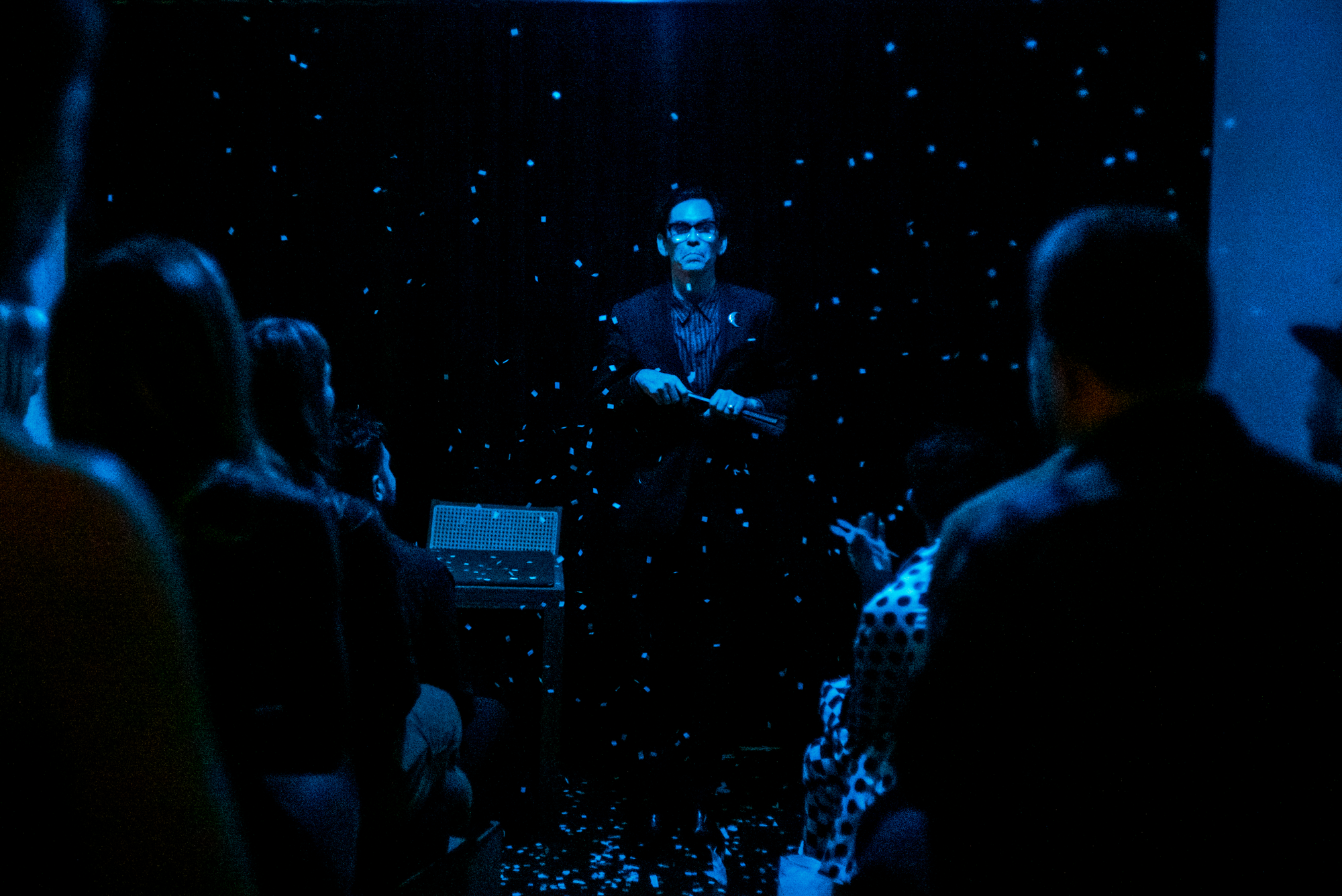
Close-up magic depends on details most people overlook: timing, practiced technique, audience management and the ability to make a familiar object seem extraordinary. A mechanical bird that sings and moves can draw the eye, but the live performance around it is what gives the venue a continuing reason to exist. For the artists who perform there, the best outcome would be for curious readers to discover the work itself rather than reduce the theater to a footnote in a celebrity dispute.
That is why this story can matter without assuming that magicians are cheering behind the scenes. If the attention leads people to learn about automata, visit a magic show, or appreciate the skill of close-up performers, the art form could benefit. If it mainly produces arguments and harassment, the attention may be much less welcome.
For more context, read our coverage of what silent security footage can and cannot establish, the marketing impact on Art of Play, and the story behind the $15,000 twin bird.
Frequently asked questions
Are magicians publicly saying they are happy Molly became famous?
No verified public statement from a group of magicians saying they are secretly happy about the dispute was found in the reporting reviewed for this article. The idea that the attention could benefit magic is analysis, not a confirmed quote from performers.
What is Molly, the bird at Art of Play?
Molly is a handcrafted singing and dancing mechanical bird, also called an automaton, displayed at Art of Play in Brooklyn. The shop says she plays a role in its magic shows and is normally not for sale.
Does Art of Play have a magic theater?
Yes. The shop is associated with 69 Atlantic, an intimate theater in Brooklyn that hosts close-up magic performances. Details and show information are available on the venue’s official website.
Did the viral dispute prove what was said in the store?
No. The reported security footage has no audio, so it cannot independently establish the exact conversation or the tone used. Clarkson and the store have offered different accounts.
Could Molly’s viral fame help the magic community?
It could introduce new people to Art of Play and close-up magic, but that remains a possibility rather than a verified increase in ticket sales or a confirmed reaction from magicians.
Bottom line: Molly’s sudden fame has put a small Brooklyn magic venue in the national conversation. It may create new opportunities for performers, but the evidence does not support claiming that magicians are secretly celebrating the dispute. The lasting value will depend on whether attention shifts from online conflict to the craft of magic itself.


