

The dispute between Kelly Clarkson and Brooklyn curiosity shop Art of Play has moved well beyond a disagreement about customer service. In the days after Clarkson publicly described a shopping visit as a “Pretty Woman” moment, the store’s co-owner, Adam Rubin, said staff faced threatening messages and hostile calls. He also described a very different side of the response: neighbors and supporters bringing pastries, cupcakes and notes of encouragement.
There is an important distinction between what has been independently documented and what has been reported by the people involved. News outlets have reported Rubin’s account of threats and an incident in which neighbors called police after a confrontation outside the store. The public record reviewed for this article does not establish that police made an arrest or confirmed a specific criminal threat. The shop’s claims should therefore be treated as attributed statements, not as independently proven findings.
What the store owner says happened after the posts
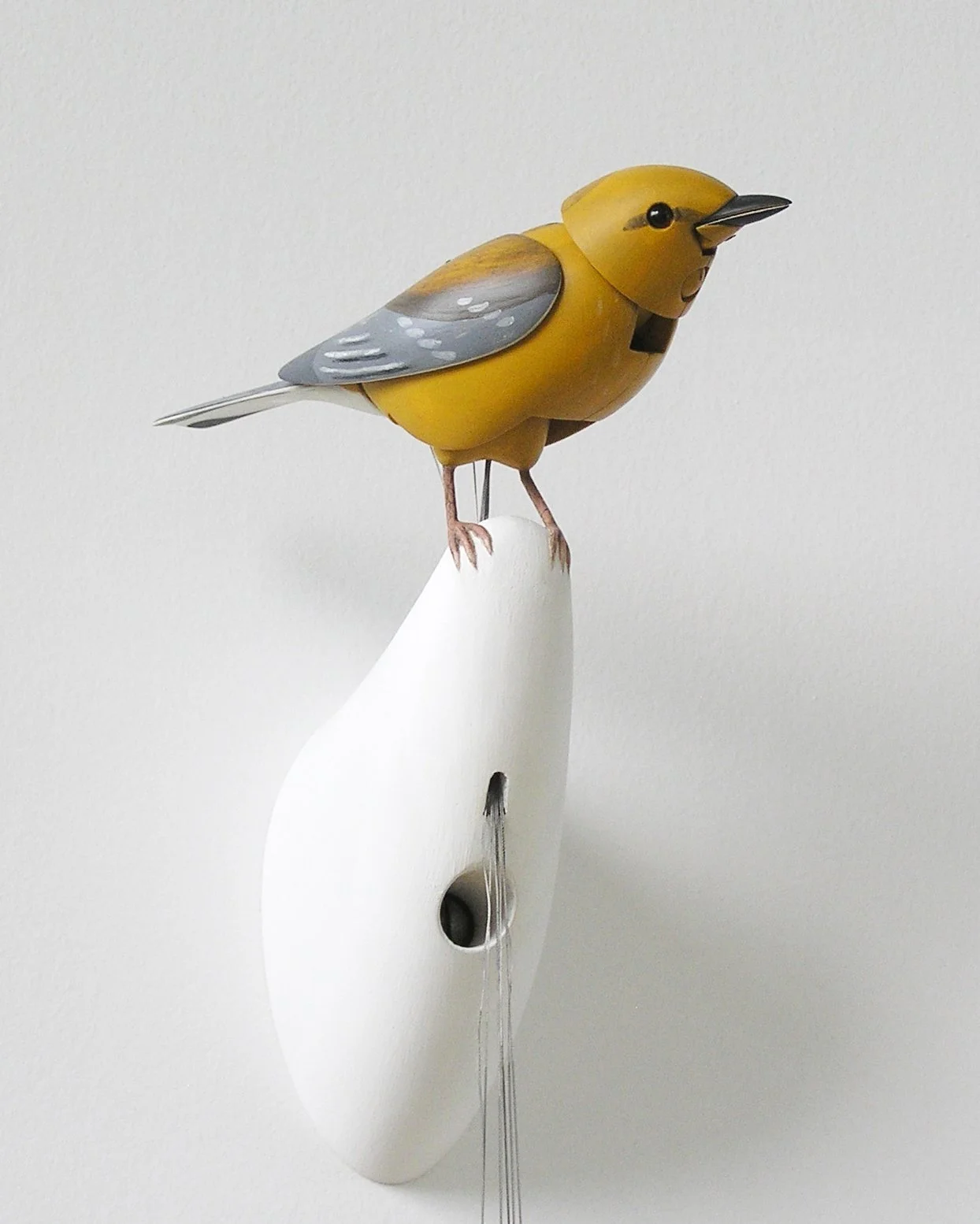
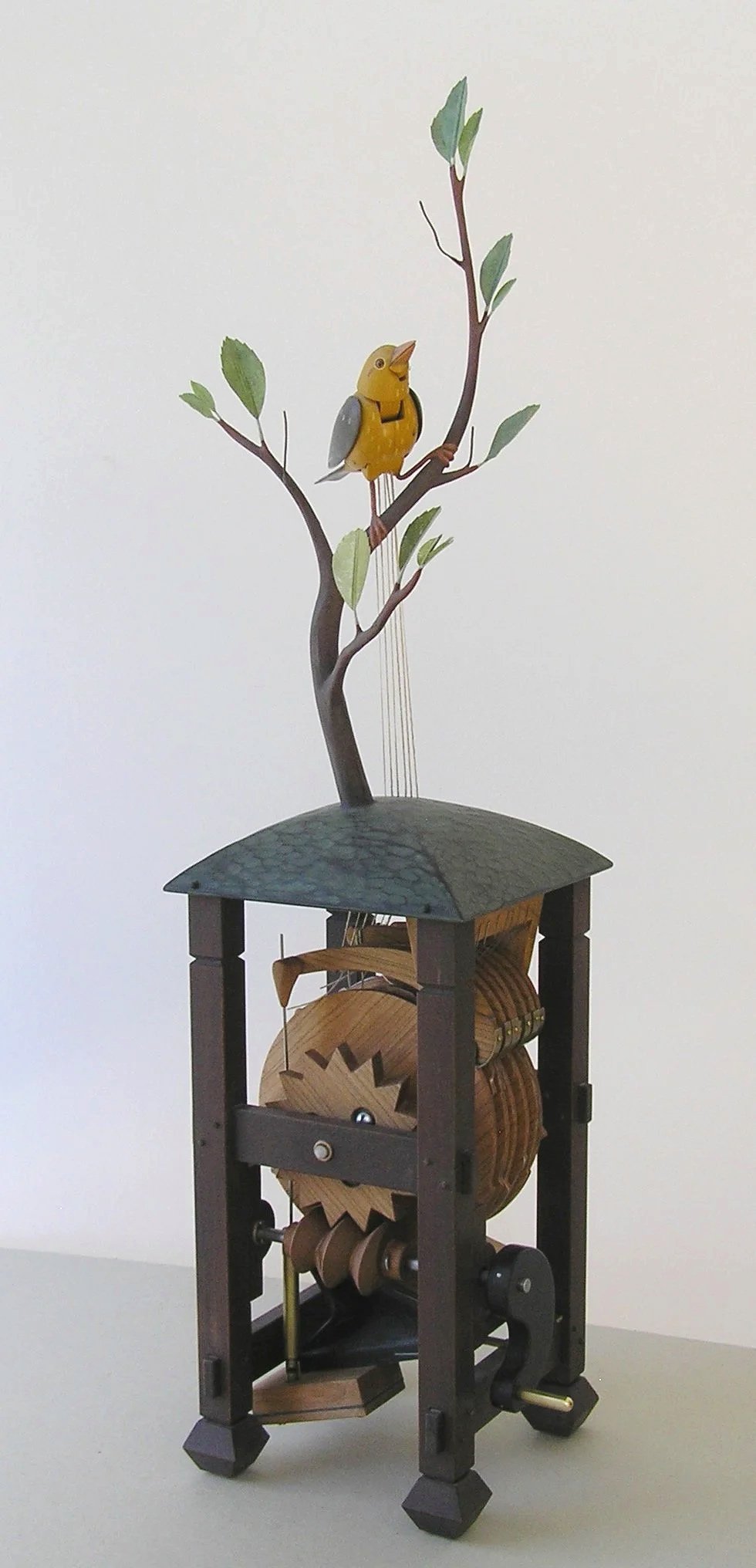
Clarkson’s original complaint said she felt a staff member treated her as though she could not afford an item she wanted to buy. Art of Play disputed that characterization and said the wall-mounted bird called Molly was a fixture used in the shop’s magic shows, not an item available for immediate sale. The store said a similar automaton could be obtained from its creator for $15,000 and that staff also offered to show Clarkson a different item.
After the exchange became a widely shared social-media story, Rubin told reporters that the shop received angry calls, abusive direct messages and negative online reviews. In interviews reported by The Independent and Rolling Stone, he said some messages included threats and that the volume of hostile contact raised concerns for employees’ safety.
Those allegations are serious, but they should not be generalized to Clarkson’s entire audience. A person who posts a complaint is not responsible for every stranger’s conduct, and a person who supports a celebrity is not automatically part of a harassment campaign. The relevant question is whether specific individuals made threats or engaged in intimidation—and that requires evidence about those individuals and their actions.
Why police were reportedly called
One of the most attention-grabbing details in the coverage is the reference to police. In his account to reporters, Rubin said people had gathered or confronted others on the sidewalk, neighbors became concerned, and police were called. The Independent reported his description of an incident involving people shouting accusations outside the store and neighbors contacting authorities.
That is not the same as proof that police substantiated the store’s broader claims about threats, nor does it establish that Clarkson directed anyone to visit the shop. At the time of publication, the reporting cited here did not include a police statement detailing an investigation, an arrest, or a formal finding about the incident. Without that documentation, the careful wording is that Rubin said police were called—not that police confirmed every allegation in the dispute.
The distinction matters because viral stories often compress several different events into a single dramatic narrative. An angry online review, an abusive message, a direct threat, an in-person confrontation and a police response are not interchangeable. Each has different evidence requirements and different consequences for the people involved.
The pastries tell another part of the story
The response was not all hostile. Rubin also said community members and nearby business owners brought pastries, cupcakes and notes of support to Art of Play after the controversy erupted. Rolling Stone reported that supporters had dropped off gifts and messages, and The Independent likewise reported Rubin’s account that people brought baked goods while the store was closed on Monday.
These gestures do not resolve the original disagreement, and they do not independently verify every claim made by either side. They do show that the controversy became a local community story as well as a celebrity-news story. Some people reacted online; others chose to support the shop in person.
That contrast is worth noting: the loudest posts are not necessarily a reliable measure of what a whole community believes. A handful of highly visible comments can make a dispute appear more universal than it is, while quieter actions—such as a neighbor bringing food or a customer choosing to shop locally—rarely travel as far online.
What the silent surveillance video can—and cannot—prove
Surveillance footage released by journalist Pablo Torre shows Clarkson inside the shop for less than five minutes, browsing objects and interacting with staff before leaving. Reports from ABC News and PEOPLE emphasize that the video has no audio.
That limitation is crucial. The footage can provide visual context for the visit, but it cannot tell viewers the exact words spoken, the tone of the conversation, or what either party understood about the bird’s price and availability. It also cannot establish who later sent threatening messages, whether those people were customers or fans, or what motivated them.
Clarkson has disputed the store’s account and said she was told the bird cost $15,000 while being directed toward a comparable item. Art of Play has said Molly was not for sale as a wall-mounted store fixture and that a similar piece could be sourced from the artist. Both accounts should be represented accurately until more direct evidence clarifies the exchange.
How the controversy grew beyond the original complaint
The dispute began with a customer-service complaint and became a debate about celebrity reach, small-business vulnerability and the responsibility that comes with posting about a named business to millions of followers. Clarkson’s criticism was public and pointed; the store’s response was public too. Once the story spread, people who had not been present began arguing about what happened inside the shop.
That is the point at which online criticism can cross a line. It is fair to disagree with a public figure or a business, to ask questions, and to share a firsthand experience honestly. It is not fair to threaten workers, target uninvolved neighbors, publish private information, or try to silence people through intimidation. Those behaviors should be condemned regardless of which side a person supports.
At the same time, allegations of harassment should be described with care. If the store has records of threatening calls or messages, those records can help establish what happened. If authorities investigated a specific incident, an official statement would provide clarity. Until then, readers should distinguish the owner’s account from independently confirmed facts.
Frequently asked questions
Did Art of Play receive death threats?
Co-owner Adam Rubin said the shop and its staff received threatening calls and messages. Multiple outlets reported his account. The material reviewed for this article does not independently verify each message or establish who sent them.
Was police involvement confirmed?
Rubin said neighbors called police during an incident outside the shop. The reports cited here do not include an official police account confirming an arrest or a formal finding about the wider controversy.
Why were people bringing pastries to the store?
Rubin said local supporters and nearby business owners brought pastries, cupcakes and notes of encouragement after the store became the target of online backlash. That detail was reported by Rolling Stone and The Independent.
Does the CCTV prove who was right?
No. The released footage is silent. It shows parts of the visit but cannot establish the exact dialogue, tone or intent behind the exchange.
What is the fairest takeaway?
The disagreement about the bird remains contested, and claims about threats should be investigated rather than assumed. Criticism should not become harassment, and public reporting should clearly separate firsthand claims, visible evidence and independently verified findings.
Sources and further reading
- Rolling Stone: Interview with Art of Play co-owner Adam Rubin
- The Independent: Store owner’s account of threats and police being called
- ABC News: What the silent surveillance footage shows
- PEOPLE: Timeline and competing accounts of the store visit
- Bliss Kolb: The Singing Bird automaton
For more reporting on the story, read Vervado’s CCTV breakdown and our explainer on why the store owner described the post as a “Molotov cocktail.”
By Shivam Das. Updated October 15, 2026. This report distinguishes attributed claims from facts independently established in the cited coverage.
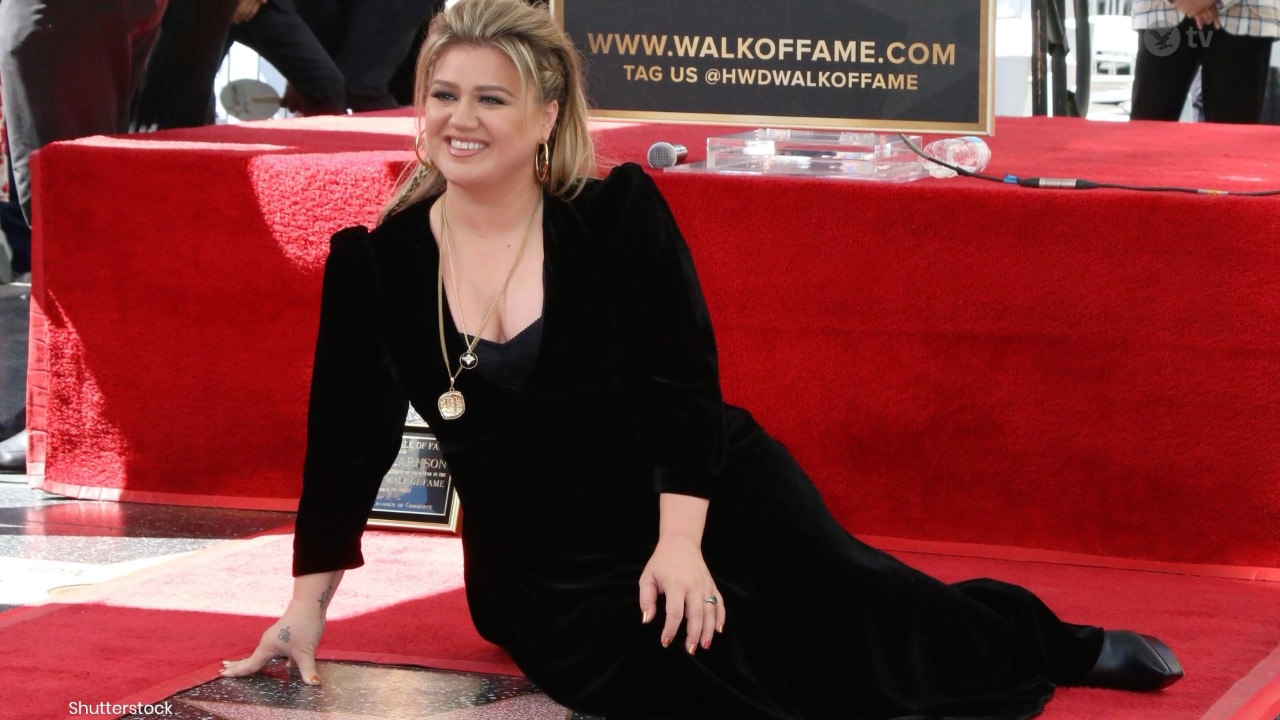
Kelly Clarkson’s public post about her visit to Art of Play triggered a broader debate about customer service and online backlash.
View the original post on X


