

Quick answer: Early reviews describe You Can See Everything as unsettling because directors Nathan Fielder and Lance Oppenheim turn a documentary about former Theranos CEO Elizabeth Holmes into a test of trust. The film offers unusually intimate access to Holmes and her family, but its confrontational interviews, staged re-creations and shifting point of view make viewers question whether apparent honesty is the same as truth.
As the documentary heads into its U.S. theatrical opening on October 16, 2026, the critical conversation is less about a conventional rise-and-fall story than about the uncomfortable experience of watching people try to control how they are seen. Reviews from the Los Angeles Times, The Guardian and other outlets point to a film that is gripping partly because it refuses to make certainty comfortable.
Why critics are calling You Can See Everything unsettling
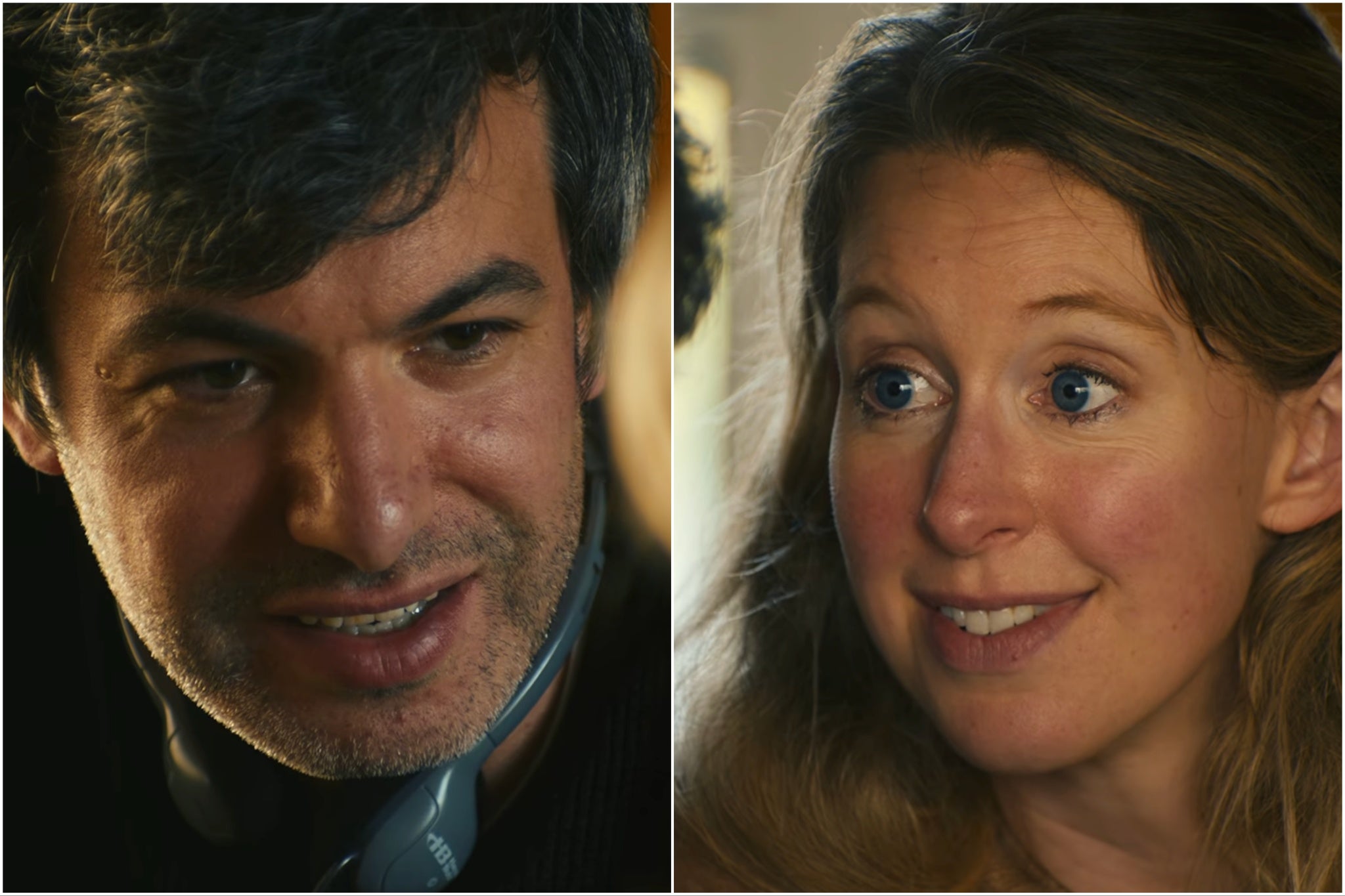
The discomfort begins with the premise. Holmes, the founder of the failed blood-testing company Theranos, invited a film crew to document her life in the weeks before she began serving an 11-year federal prison sentence. Rather than simply retell the familiar scandal, the film places comedian and filmmaker Nathan Fielder inside the home and lets his blunt questions collide with the version of herself Holmes presents.
That access creates a contradiction: the more the camera appears to reveal, the harder it becomes to know what the footage actually proves. A private conversation can feel candid and still be shaped by performance, editing, memory or the subject’s wish to influence the audience. That tension is the film’s central idea—not a promise that every mystery will be solved.
What the early reviews say
The critical response has been notably strong, although individual reviews approach the film from different angles. The Rotten Tomatoes review page collects critics’ reactions and is the best place to check the current aggregate as more reviews are added. Scores can change as the review count changes, so a percentage should always be read alongside the number of reviews and the publication dates.
In the Los Angeles Times review, Amy Nicholson frames the film as a mesmerizing confrontation between Fielder and Holmes, with suspicion becoming part of the viewing experience. The Guardian’s review emphasizes how the documentary keeps shifting the viewer’s understanding of what is being filmed. Meanwhile, the Associated Press review describes an unconventional portrait that leaves questions about truth and self-presentation unresolved.
The shared thread is not simply that the film is strange. It is that the filmmaking method makes the audience examine its own instincts. A confident explanation can sound persuasive; a pause can look suspicious; a tear can feel sincere—or perfectly timed. None of those reactions, on its own, proves what another person is thinking.
The difference between access and accountability
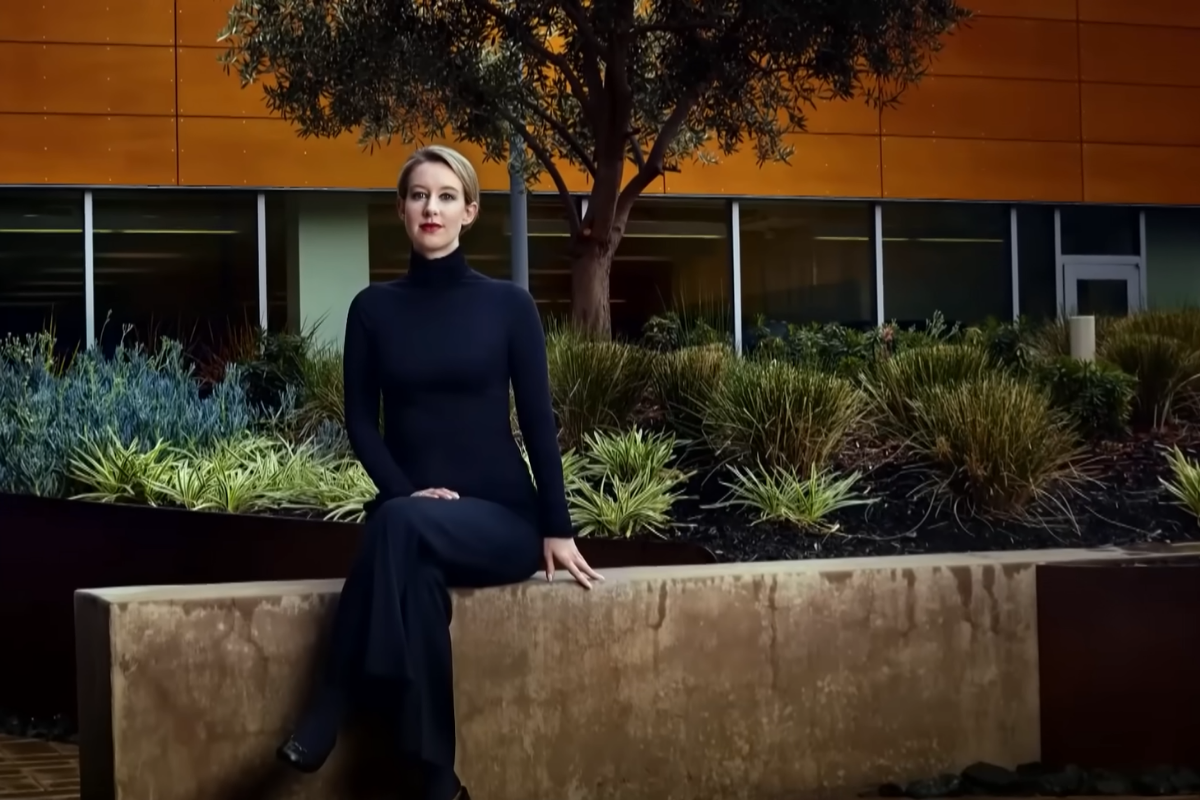
One of the film’s most revealing tensions is the gap between being allowed to see someone’s private life and being able to verify their public claims. The camera can record a family routine, a difficult conversation or an emotional reaction. It cannot independently certify every statement made in the room, and it cannot show every moment that happened outside the frame.
That distinction matters because Theranos was not merely a celebrity controversy. The company’s claims about blood testing had serious consequences for investors, employees and patients. Holmes was convicted of fraud-related offenses, and the documentary’s intimate scenes do not erase that public record. Nor should a viewer treat a film’s mood as a substitute for evidence about the underlying case.
For audiences, this creates a more demanding kind of documentary viewing. Instead of asking only, “Do I like this person?” it asks: What is being shown? What is left out? Who controls the story? What can be checked against independent records? Those questions are useful well beyond one film or one former tech executive.

How Nathan Fielder changes the usual documentary formula
Fielder is known for projects that blur comedy, social experiment and documentary-style observation. Here, his awkwardly direct questioning becomes part of the story. He is not an invisible narrator; the camera also watches his reactions, his doubts and the possibility that he, too, may be misreading the people he films.
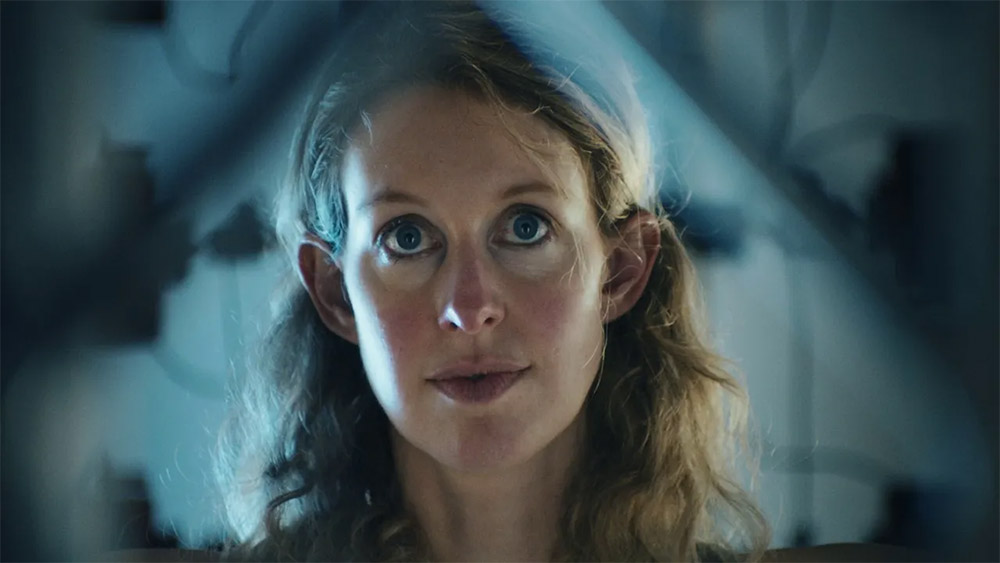
Co-director Lance Oppenheim brings a carefully controlled visual style that makes ordinary domestic spaces feel unusually charged. Tight framing and lingering pauses can make a small gesture seem significant. The technique is effective, but it also reminds viewers that documentaries are constructed works: camera placement, selection, sequencing and sound all influence how a scene lands.
That self-awareness is why the movie may frustrate anyone hoping for a tidy verdict. It offers a portrait, not a courtroom ruling. The film can document how people present themselves without settling every question about their motives.

Watch the official trailer
The official trailer offers a preview of the film’s tense, close-quarters style. The trailer is promotional material; it should not be treated as a complete summary of the documentary or as independent proof of any claim made by its subjects.
Is You Can See Everything worth watching?
For viewers interested in documentary filmmaking, media ethics, the Theranos story or Nathan Fielder’s deliberately uncomfortable style, the early reviews suggest this is a film worth considering. Its appeal is not that it delivers a simple new answer to every question about Holmes. It is that it makes the process of deciding what to believe part of the experience.
Viewers who prefer a straightforward, chronological account of the Theranos scandal may find the film’s long runtime and self-reflexive detours challenging. Those who enjoy documentaries that expose the limits of their own storytelling may find those same qualities compelling. The most useful approach is to watch critically: distinguish recorded events from interpretation, and check important factual claims against reliable reporting and court records.
Quick facts about You Can See Everything
- Title: You Can See Everything
- Directors: Nathan Fielder and Lance Oppenheim
- Distributor: A24
- Genre: Documentary
- U.S. theatrical opening: October 16, 2026, in limited release, according to current listings
- Runtime: Approximately 174–175 minutes, depending on the listing
- Central subject: Elizabeth Holmes and the gap between public narrative, private behavior and documentary evidence
Frequently asked questions
Why are critics calling You Can See Everything unsettling?
Critics point to the film’s intense interviews, intimate access to Holmes’s family life and shifting line between observation and performance. Those choices make viewers question how much a camera can really establish about a person’s motives.
Who directed You Can See Everything?
The documentary was co-directed by Nathan Fielder and Lance Oppenheim.
Is You Can See Everything a documentary about Theranos?
It centers on Elizabeth Holmes, the former Theranos CEO convicted of fraud, but it is not a conventional company-history documentary. It focuses on her self-presentation, her family life before prison and the filmmaking process itself.
What are critics saying about the movie?
Early reviews have praised its unusual structure and psychological tension. The Los Angeles Times, The Guardian and Associated Press each discuss how the film complicates the viewer’s assumptions about truth and trust. Review scores may change as additional critics publish their assessments.
When does You Can See Everything open in U.S. theaters?
Current listings say the film opens in limited U.S. release on October 16, 2026. Check A24’s official page or local theater listings for showtimes and any changes.
Does the documentary prove whether Elizabeth Holmes is telling the truth?
No documentary can establish every private motive from footage alone. The film presents conversations and behavior for viewers to interpret; factual claims about the Theranos case should be checked against independent reporting and court records.
Bottom line: The unsettling power of You Can See Everything comes from the distance between seeing more and knowing for sure. Its strongest question may not be whether the camera captured everything, but whether any audience can confidently interpret what it sees.
Written by Shivam Das. Reporting and review details checked against the linked sources available as of October 15, 2026. Image rights remain with the respective copyright holders; confirm reuse permissions before republishing third-party photographs.






