“You Can See Everything” opens in U.S. theaters on October 16, 2026, bringing audiences back to one of Silicon Valley’s most consequential scandals through an unusually intimate documentary. Directed by Nathan Fielder and Lance Oppenheim, the nearly three-hour film follows former Theranos founder Elizabeth Holmes around the final weeks before she reported to prison, then complicates the idea of what viewers have actually been allowed to see.
The documentary’s appeal is not simply that it revisits a headline-making fraud case. Its more unsettling question is whether access to a person’s private life necessarily brings viewers closer to the truth—or can become another way to shape a public image.
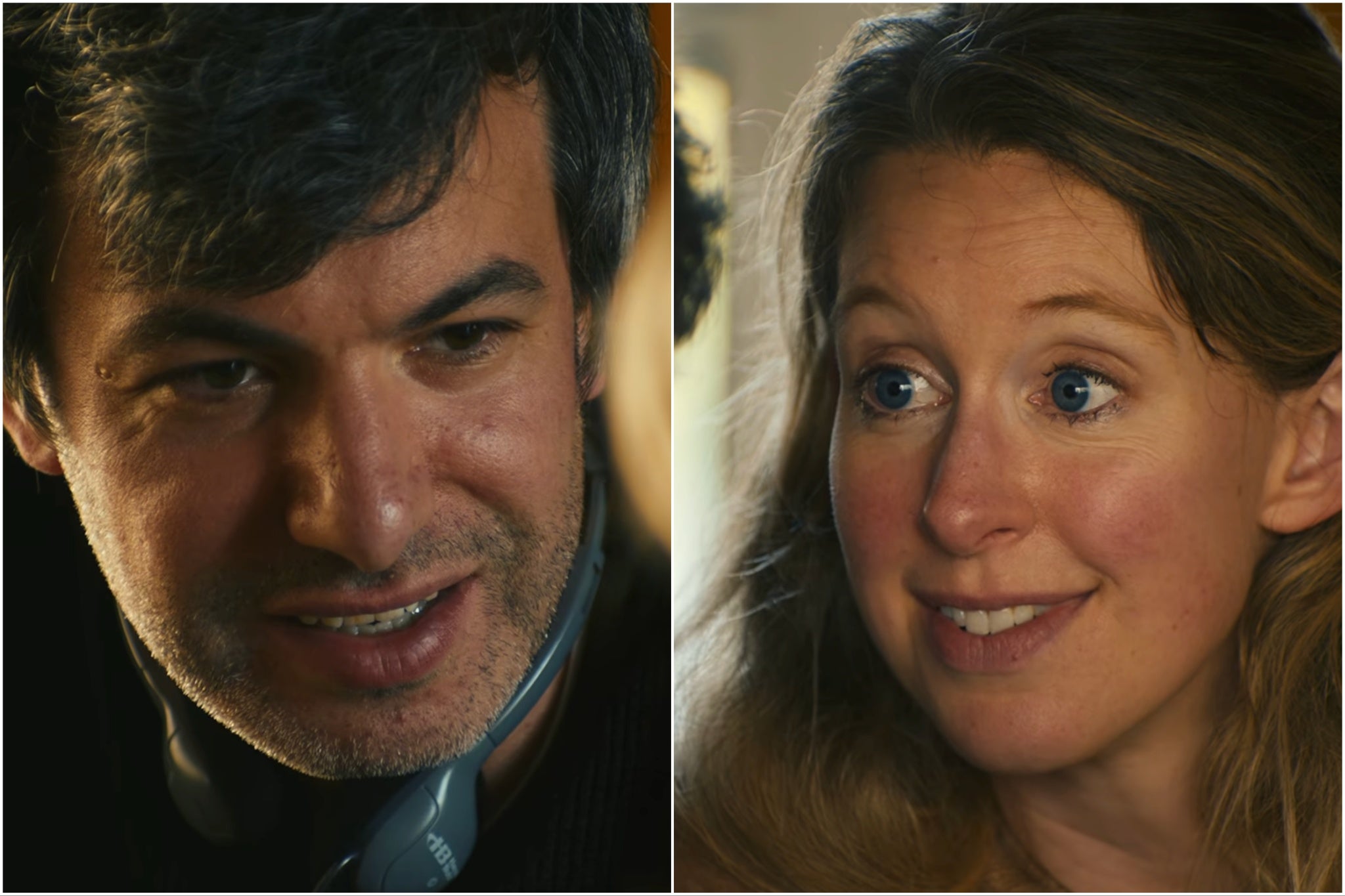
What is You Can See Everything about?
Holmes, whose blood-testing company Theranos collapsed amid revelations that its technology did not work as represented, invited Fielder and a film crew into her home. The film begins around 34 days before she reported to prison in 2023 and grew out of a project filmed over an extended period. Rather than functioning as a conventional, chronological recap of Theranos, it uses prolonged conversations and domestic access to examine how Holmes presents herself—and how the camera changes the situation it records.
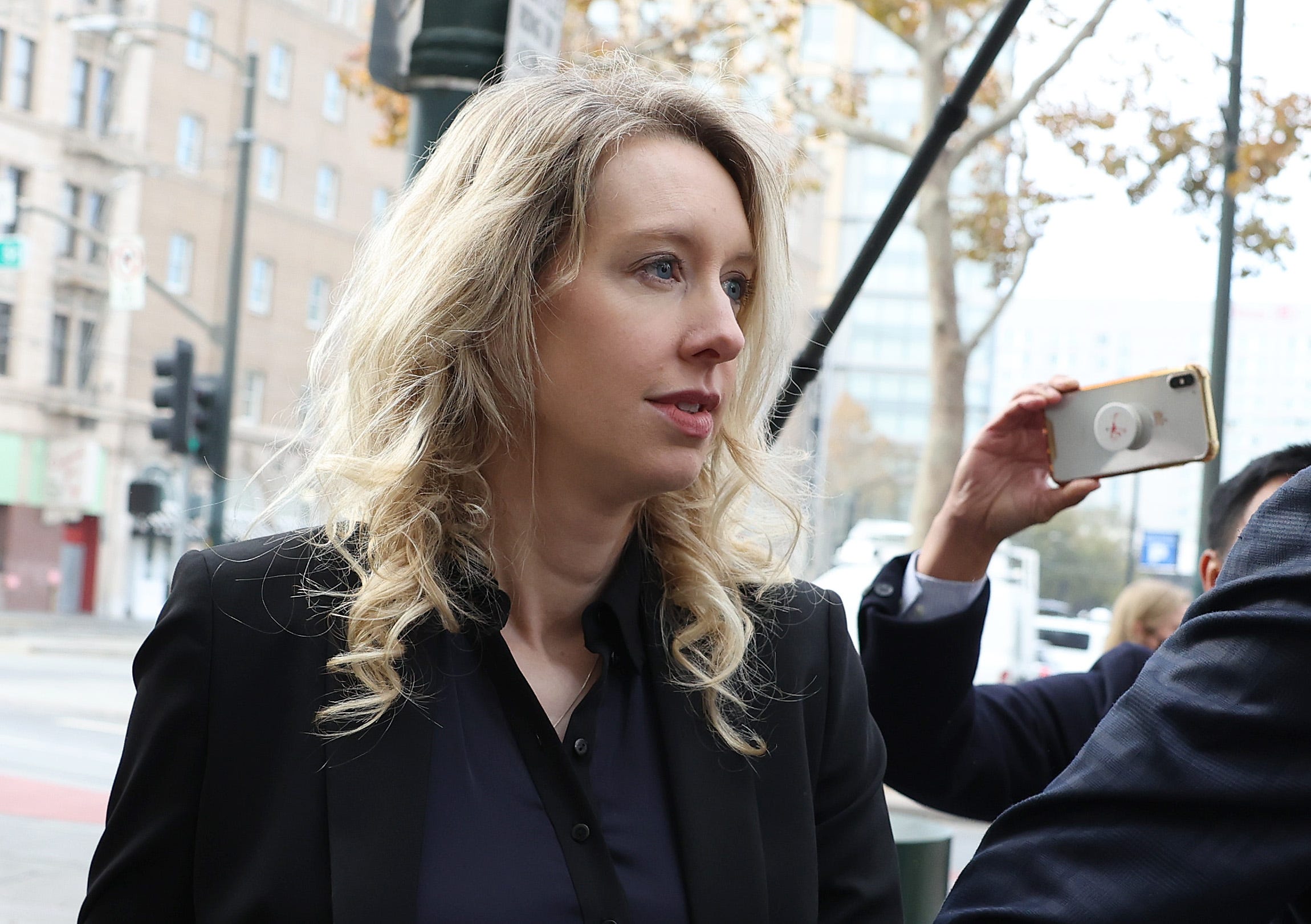
Holmes was convicted of defrauding investors and sentenced to more than 11 years in prison. She has continued to maintain that she did not knowingly do wrong. That context matters: the documentary is not a fresh court proceeding, and a subject’s account should not be confused with a legal finding. For background on the film’s premise and release, see A24’s official film page and the Associated Press review.
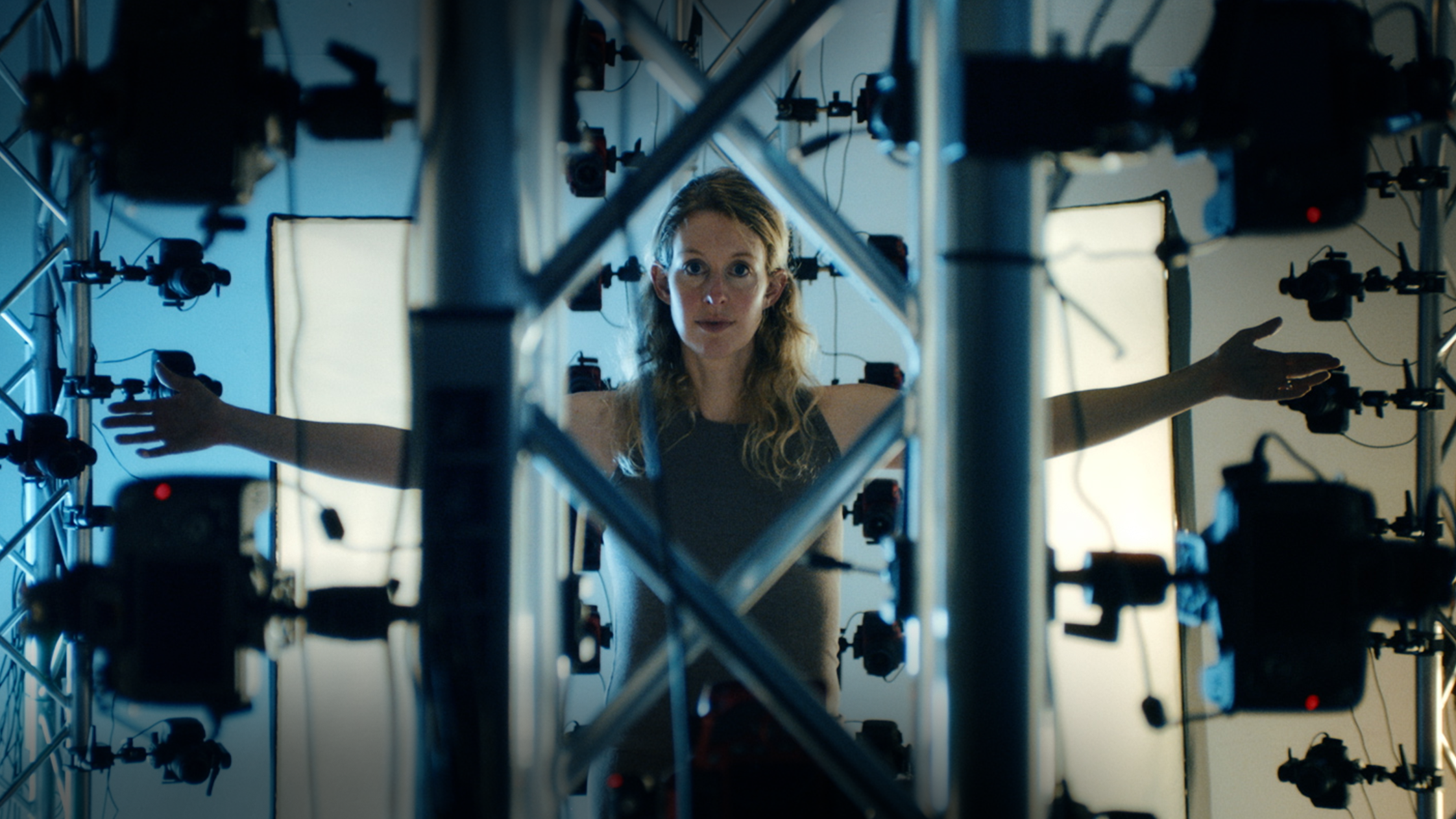
Why the documentary is attracting attention
The film’s unusual access is also its biggest source of tension. Fielder is not a neutral voice-over narrator standing outside the story: he appears in the documentary, asks pointed questions and becomes part of the dynamic he is filming. That makes the viewer assess two things at once—Holmes’s answers and the filmmaker’s choices about how to frame them.
That approach has helped the title stand out in a crowded field of technology documentaries. The Los Angeles Times’ trailer report described the film’s uneasy tone and noted the attention around its theatrical arrival. The New York Film Festival’s film page likewise frames it as a work that interrogates the limits of documentary objectivity.
The key question: does access equal honesty?
Many documentaries promise viewers a closer look at people who have become public symbols. But proximity is not the same as verification. A camera can record a real conversation while the people in it still choose what to reveal, what to withhold and how to perform for the lens. The presence of a filmmaker can alter behavior; editing then shapes which moments an audience sees and in what order.
That is why the film’s title feels almost like a challenge. “You can see everything” sounds like a guarantee of transparency, yet the documentary’s reported structure repeatedly asks whether visibility can ever deliver complete certainty about another person’s motives. The most useful way to watch it is not as a replacement for the public record on Theranos, but as a study of storytelling, reputation and the limits of observation.

Who made the film, and how long is it?
“You Can See Everything” is directed by Nathan Fielder and Lance Oppenheim and distributed by A24. Listings put its running time at roughly 174–175 minutes, or close to three hours. It is rated R; viewers should check their local theater listing for the rating details and showtimes before buying tickets. The U.S. theatrical release date listed by A24 is October 16, 2026.
For the official synopsis, trailer and current showtimes, use A24’s official page. The trailer below is from A24’s verified YouTube channel.
Watch the official teaser
Watch the teaser on A24’s official YouTube channel.
What viewers should know before watching
- It is a documentary, not a scripted dramatization. It centers on Holmes and the filmmakers’ interaction with her.
- It is not a new trial or a reversal of the Theranos case. The documentary offers a cinematic perspective; the legal record remains separate.
- Expect an unconventional style. Its nearly three-hour runtime and blurred line between access, performance and observation may not suit viewers looking for a straightforward timeline.
- Check local listings. The film is scheduled to open in U.S. theaters on October 16, 2026, but showtimes vary by location.
Frequently asked questions
When does You Can See Everything come out?
A24 lists the U.S. theatrical release for October 16, 2026.
Who directed You Can See Everything?
Nathan Fielder and Lance Oppenheim co-directed the documentary.
Is Elizabeth Holmes the main subject?
Yes. The film follows Holmes in the period around the weeks before she reported to prison and examines how she presents her own story to the filmmakers.
How long is You Can See Everything?
Published listings give a runtime of about 174 to 175 minutes—nearly three hours. Check the theater listing for the final local runtime.
Where can I watch the trailer?
Watch the teaser on A24’s verified YouTube channel, or visit the official A24 film page for tickets and showtimes.
Reporting note: Release details and the film’s premise were checked against A24 and festival materials, with additional context from the Associated Press and Los Angeles Times. This article distinguishes the documentary’s perspective from the established legal record.