

Quick answer: A24’s You Can See Everything, co-directed by Nathan Fielder and Lance Oppenheim, examines Elizabeth Holmes in the weeks before she began her prison sentence. Its unusual access raises a larger question: when someone invites cameras into their life to reshape a public story, does more footage necessarily mean more truth?
Updated October 15, 2026 | By Shivam Das

The documentary is scheduled to open in U.S. theaters on October 16, 2026. According to A24, Holmes invited a skeptical film crew to document her life shortly before prison. The project was directed by Fielder and Oppenheim. (A24)
What is You Can See Everything about?
The film follows Holmes, the former Theranos founder convicted of fraud, during the 34 days before she reported to prison in 2023. The filmmakers were given unusually close access to Holmes and her partner, Billy Evans, in their California home. The nearly three-hour film combines domestic observation, interviews and unexpected shifts in form.
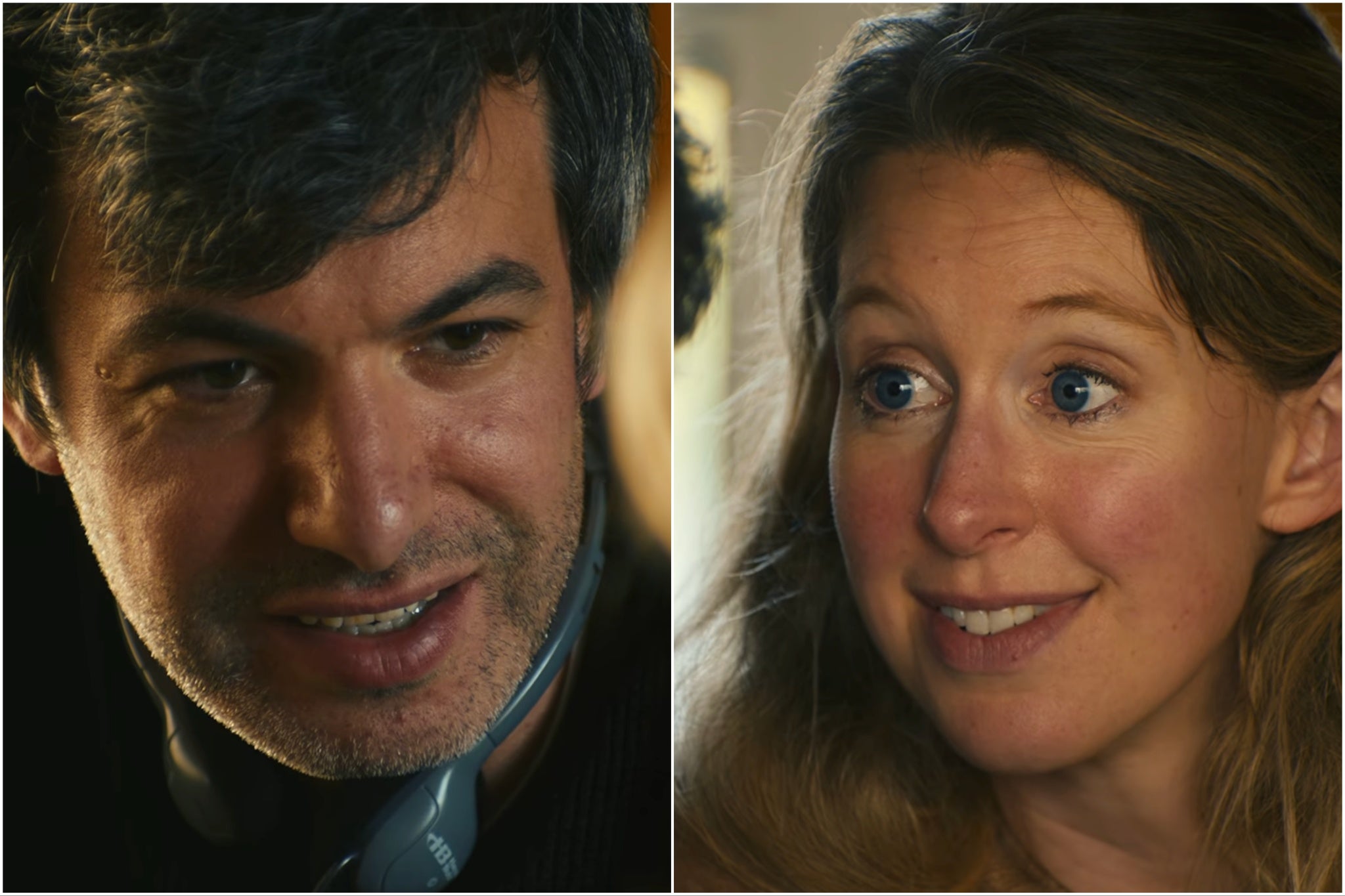
That access is the film’s central strength and complication. A camera can record a conversation, a pause or a contradiction; it cannot independently certify every explanation a subject offers. Audiences must weigh what is shown against what is known from the public record.
Why the documentary’s approach matters
Holmes became a recognizable figure in Silicon Valley after Theranos promised to transform blood testing. The company’s claims collapsed under scrutiny, and Holmes was convicted of defrauding investors. This is not simply a celebrity profile: it asks how a person whose public credibility has been badly damaged attempts to present herself again.
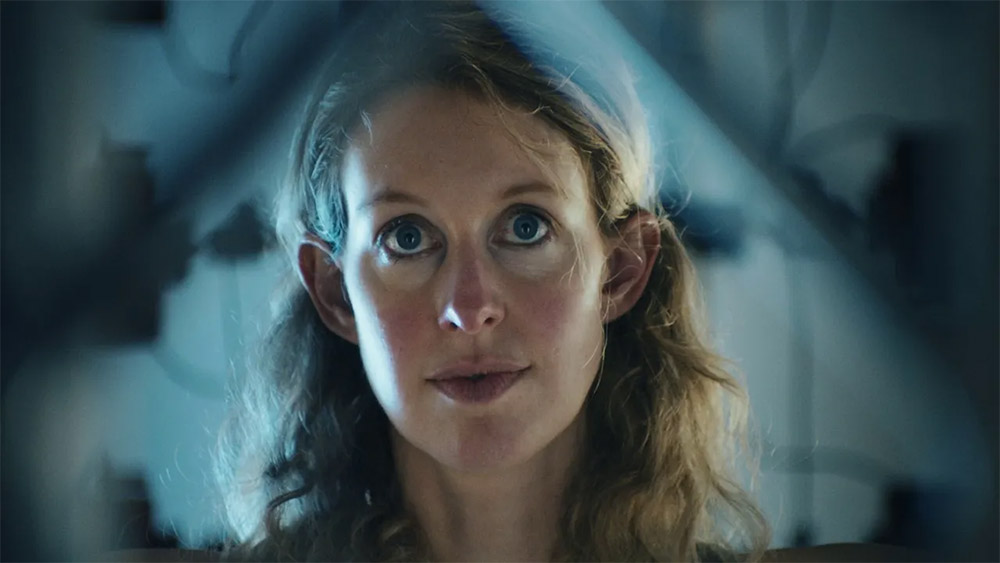
The Associated Press review describes a film that resists easy categorization and leaves viewers questioning their reading of the people on screen. That ambiguity is part of the project, not proof that every interpretation is equally supported. (Associated Press review)
What the film can—and cannot—prove
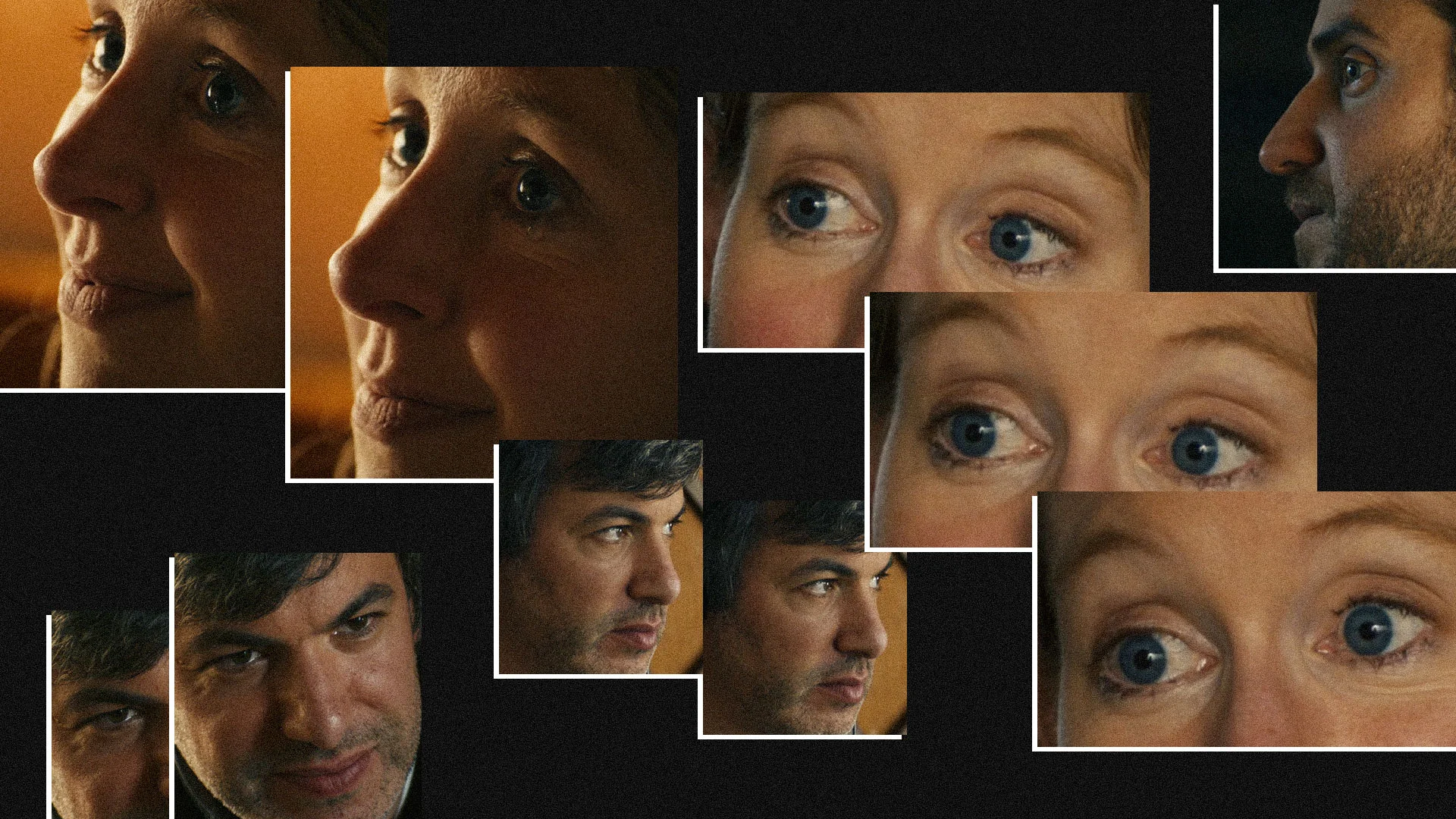
Long access can reveal habits, tensions and inconsistencies that a short interview might miss. It can also create an illusion of completeness. Editors decide which moments viewers see, in what order, and alongside which images or music. Even a candid-looking scene remains part of a constructed film.

The useful question is not whether a camera captures “everything.” It is whether the film gives audiences enough context to evaluate what they see. Viewers should avoid treating facial expressions, private family moments or a subject’s own account as independent evidence of guilt, innocence or motive.
Release date and official information
A24 lists the U.S. theatrical release for Friday, October 16, 2026. Check the official A24 page for trailer, ticket and screening information; local availability can vary.
Frequently asked questions
Who directed You Can See Everything?
Nathan Fielder and Lance Oppenheim co-directed the documentary, according to A24.
When does You Can See Everything open in U.S. theaters?
A24 lists October 16, 2026. Confirm local showtimes with the theater or official ticket listing.
Is the documentary a traditional biography?
No. It uses unusually intimate access and unconventional storytelling rather than a straightforward biography.
Does the film change the facts of the Theranos case?
A documentary can offer perspective, but it does not replace court records or the established record of the case. Interpret its scenes separately from legal findings.
Where can I watch the trailer?
Start with the official A24 film page for current film information and video materials.
Sources
- A24 — official film page and release details
- Associated Press — film review
- The Washington Post / AP — New York Film Festival report
- ELLE — documentary background
Author: Shivam Das






