

Quick answer: As of October 15, 2026, A24’s documentary You Can See Everything, directed by Nathan Fielder and Lance Oppenheim, holds a 100% Tomatometer score on Rotten Tomatoes from 63 critic reviews. That is an unusually strong early consensus, not a guarantee that every critic—or every audience member—will love the film. It is scheduled to open in U.S. theaters on October 16.
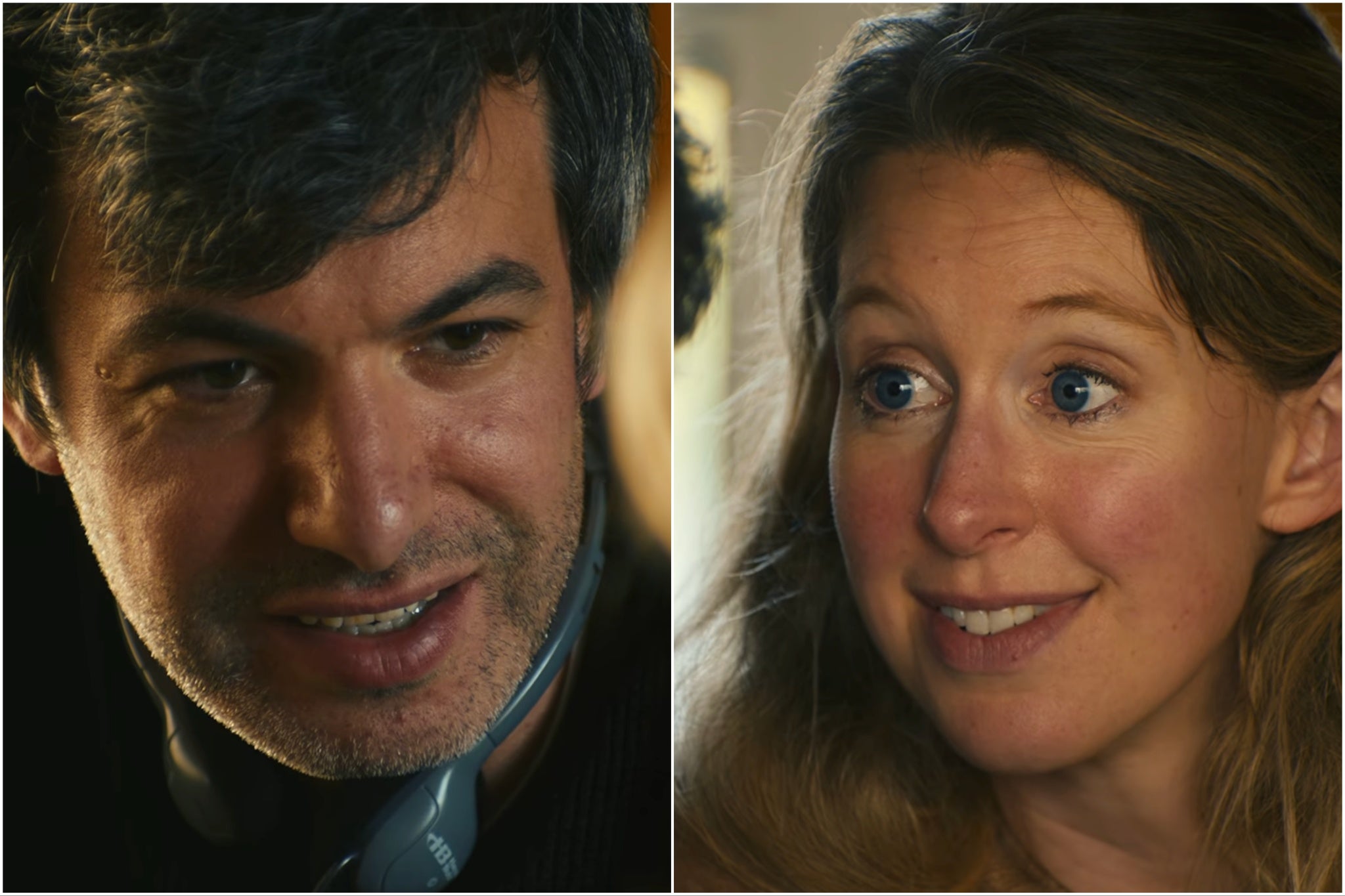
The striking thing about the early response is not simply the number. Critics are responding to a documentary that makes its own methods part of the story. Rather than retelling the Theranos scandal from a safe distance, Fielder and Oppenheim spend time with Elizabeth Holmes in the weeks before she begins her prison sentence, asking viewers to consider how people perform sincerity when a camera is watching.
What does a 100% Rotten Tomatoes score actually mean?
Rotten Tomatoes’ Tomatometer tracks the share of counted professional reviews that are positive; it is not an average star rating. At the time of checking, You Can See Everything had a 100% score based on 63 reviews. The score can change as more reviews are added, and it should not be confused with an audience score. The audience Popcornmeter had no verified ratings listed in the current page snapshot.
That distinction matters. A perfect Tomatometer score means the reviews counted so far lean positive, not that 63 critics all gave the movie a perfect grade. Individual reviews vary in their ratings and reservations. Readers should treat the figure as a snapshot of critical consensus ahead of release, rather than a permanent verdict.
Why critics are responding to the documentary’s unusual approach
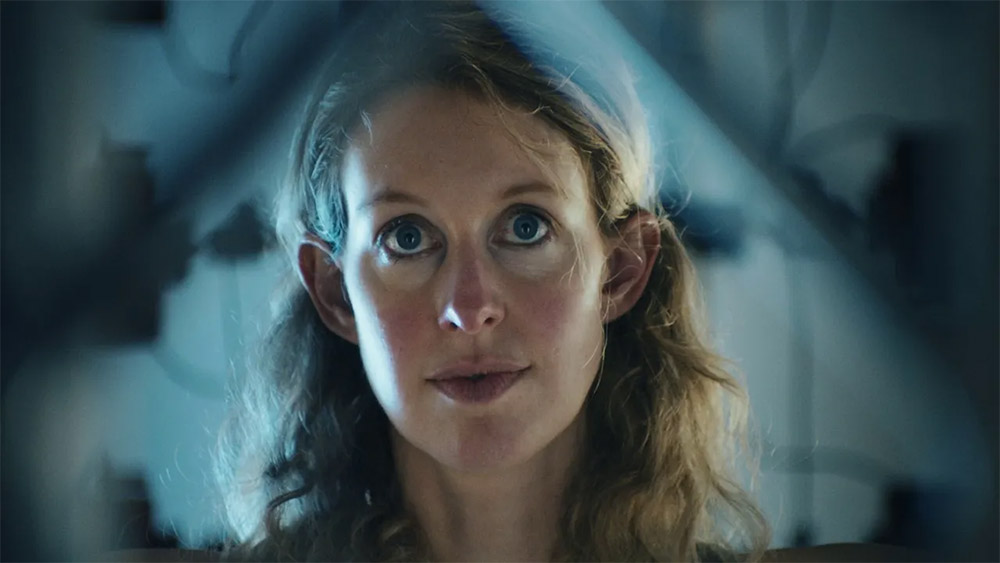
The film follows Holmes, the convicted Theranos founder, during the final weeks before she reported to federal prison in May 2023. According to A24’s official synopsis, Holmes invited a skeptical film crew to document her life. The project then developed into a longer, three-year journey. Fielder appears on camera, rather than remaining an invisible narrator, and his questions often make the process of filming feel as important as the answers he receives.
That creates an unusual tension: viewers are not only judging Holmes, but also judging the interviewer, the editing and their own reactions. A documentary can show a person speaking candidly without proving that every statement is true. Equally, a subject’s public reputation can influence how audiences interpret even ordinary gestures. The film’s central question is whether access to someone’s private life actually gives us access to the truth.

The real story behind the film’s uncomfortable questions
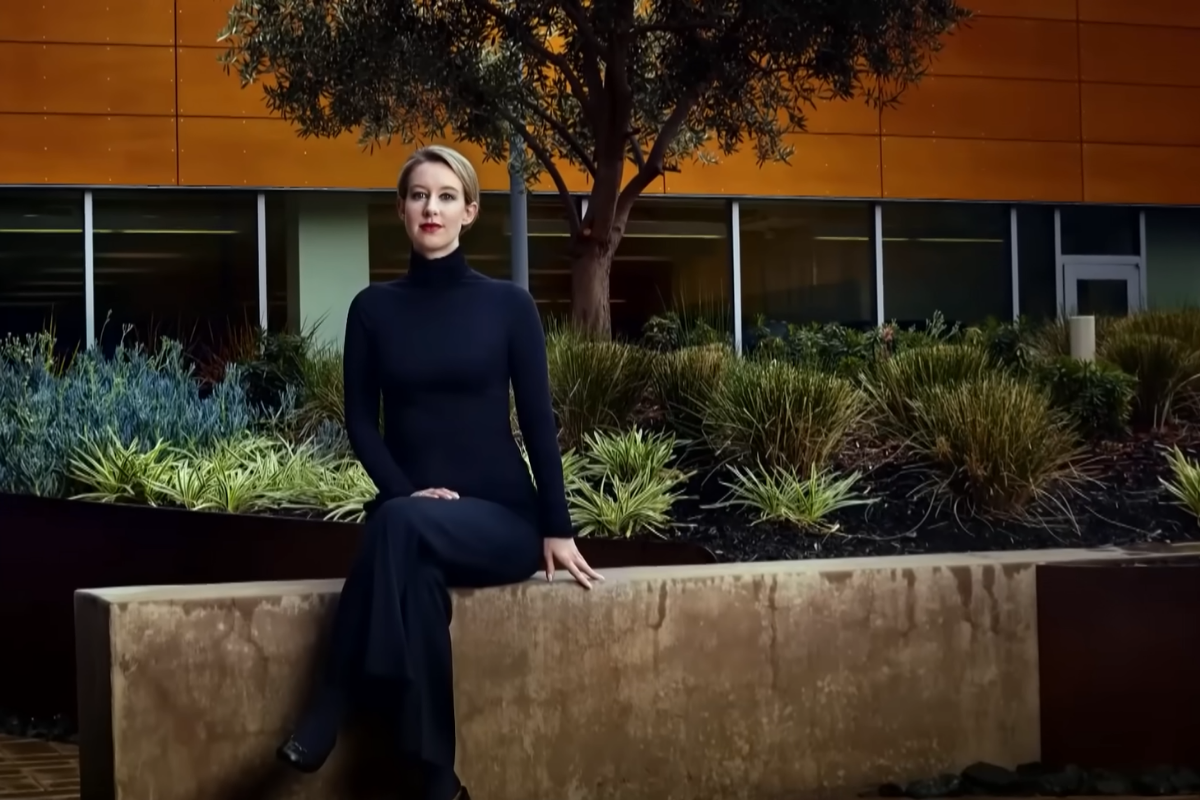
Theranos promised to transform blood testing with technology that would run many tests from a small sample. The company’s claims collapsed under scrutiny, and Holmes was convicted of defrauding investors. The new documentary is not simply a technical investigation of that scandal. Instead, it examines reputation, self-presentation and the uneasy gap between what a person says about themselves and what the record shows.
That focus can be compelling, but it also creates an ethical challenge. Intimate access is not the same as neutral access. A camera crew decides what to record; editors decide what viewers see; and audiences bring their own assumptions. A film can be revealing while still leaving important questions unanswered. Its strongest contribution may be prompting viewers to examine how documentary storytelling shapes their impressions, rather than promising that a camera can deliver a complete account of a person.
Watch the trailer before deciding
The trailer offers a preview of the film’s close, confrontational style. It is presented here through YouTube’s standard player; the video remains hosted by YouTube rather than copied to this site.
When does You Can See Everything open in theaters?
A24 lists the U.S. theatrical release for Friday, October 16, 2026. The documentary is directed by Nathan Fielder and Lance Oppenheim and runs for roughly two hours and 55 minutes, depending on the listing. Check A24 or a local theater for showtimes, since availability can vary by location.
For the latest verified details, consult A24’s official film page and Rotten Tomatoes’ review tracker. The score cited in this article reflects the page at the time of research and may change.
Frequently asked questions
Does You Can See Everything really have a 100% Rotten Tomatoes score?
At the time of checking on October 15, 2026, Rotten Tomatoes listed a 100% Tomatometer score from 63 critic reviews. The score may change as additional reviews are counted.
Does 100% mean every critic gave it a perfect rating?
No. The Tomatometer measures the percentage of counted reviews classified as positive. It does not mean every critic awarded a perfect score.
Who directed You Can See Everything?
The documentary was directed by Nathan Fielder and Lance Oppenheim.
What is the documentary about?
It follows Elizabeth Holmes in the weeks before she began her prison sentence and explores how filming, self-presentation and the search for truth can complicate a documentary portrait.
When is the U.S. release date?
A24 lists October 16, 2026. Check the official film page and local theater listings for current showtimes.
Is the 100% score an audience rating?
No. It is the Tomatometer critic score. The Rotten Tomatoes page snapshot checked for this article did not show verified audience ratings.
Sources and further reading
- A24 — official synopsis, trailer and release date
- Rotten Tomatoes — current critic score and reviews
- RogerEbert.com — review and documentary analysis
- Associated Press — film review
- Los Angeles Times — review and critical context
Editorial note: Review scores and theater listings can change. This article distinguishes the published critic score from audience opinion and links to primary and reputable sources for readers to verify updates.
By Shivam Das






