

By Shivam Das | Updated October 16, 2026
Tesla’s redesigned next-generation Roadster took center stage at an October 15 demonstration near McGregor and Waco, Texas, where the prototype performed a series of unusual maneuvers using a thruster system developed with SpaceX engineers. The car drove along an inverted ramp, briefly left the surface, turned in the air and landed. The display was striking, but it does not mean customers can buy a road-ready flying car today: Tesla has pointed to 2028 for production.
Quick answer: The demo showed a prototype performing short, controlled airborne maneuvers with compressed-gas thrusters and a fan-assisted system. It did not establish sustained aircraft-like flight, everyday road safety, or regulatory approval for every version. Production is targeted for 2028, and final specifications and delivery timing remain subject to change.
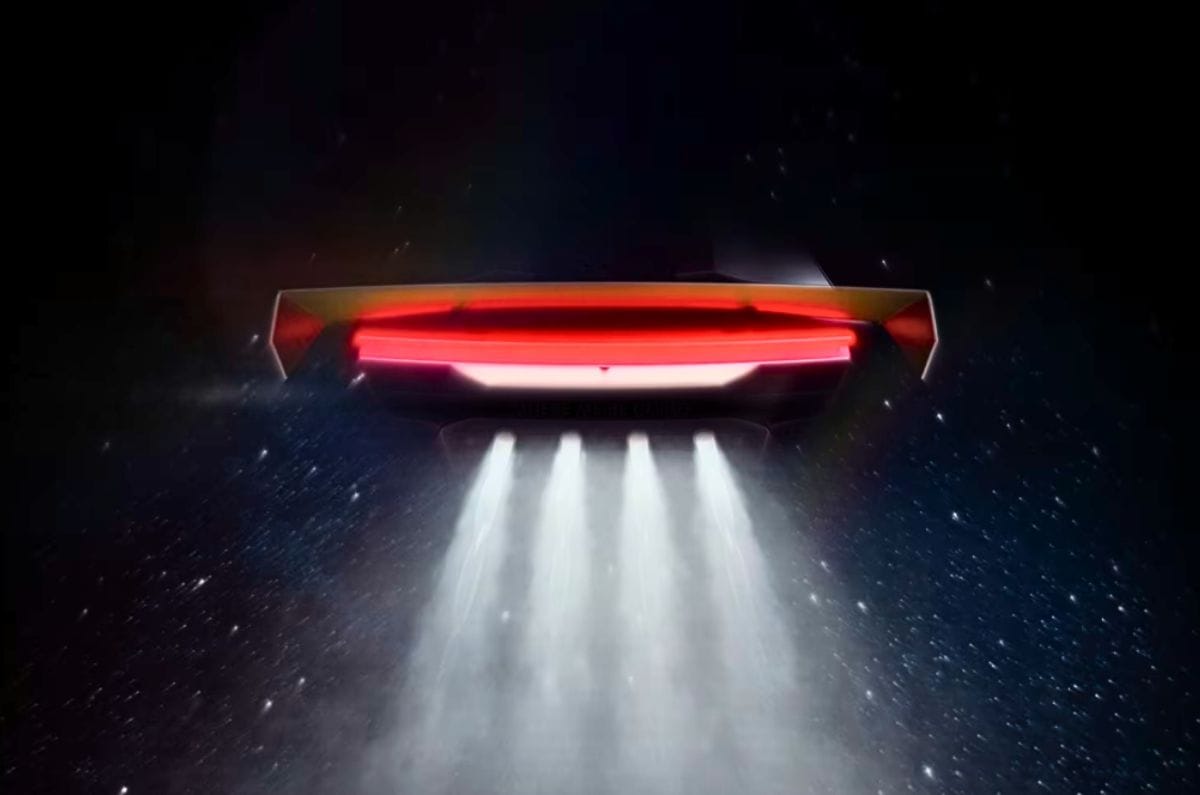
What happened at the demonstration?
Reporting by Reuters and The Verge described a carefully staged event in which the Roadster climbed an inverted ramp, performed an aerial maneuver and landed. The event took place in a controlled setting—not in ordinary traffic. That distinction matters: a successful demonstration can show a maneuver is possible under specific conditions, but it cannot by itself establish reliability, passenger safety or legal approval for public roads.
The moment also comes nearly nine years after Tesla first unveiled a next-generation Roadster concept in 2017. Repeated delays made the project a symbol of the gap between an ambitious product reveal and a vehicle customers can actually receive. The latest demo answers one question—whether Tesla can stage an airborne maneuver with this prototype—but leaves manufacturing, price, final specifications and delivery questions open.
How do SpaceX-style thrusters work on a car?
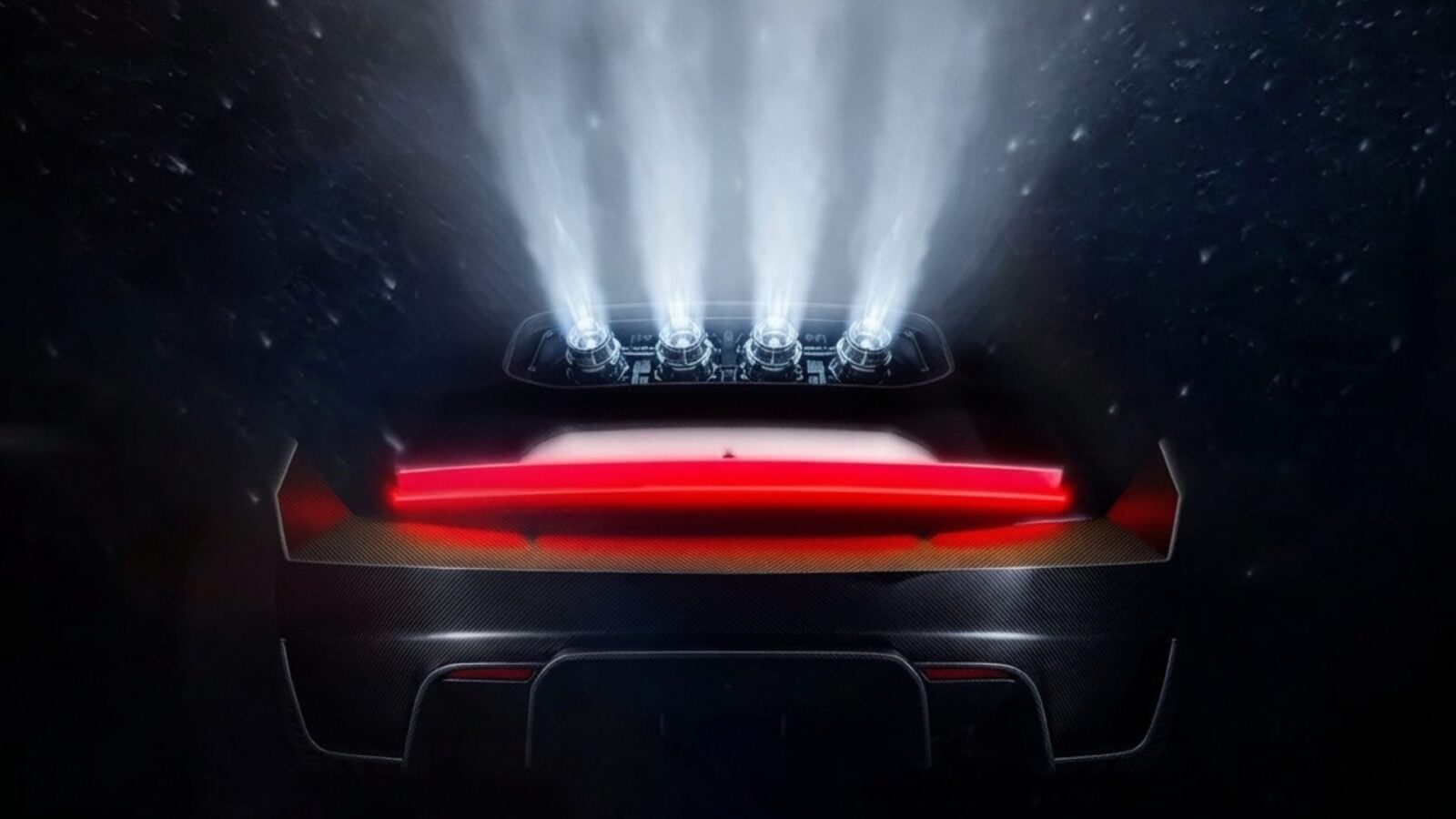
A cold-gas thruster releases stored pressurized gas through a nozzle. The gas moves one way and produces force in the opposite direction. Unlike a conventional rocket engine, a cold-gas system does not burn fuel in the nozzle, but it still needs pressure vessels, valves, plumbing, controls and a finite supply of gas. Those components add complexity and require careful engineering.
Coverage of the demonstration also described a fan-assisted system used to help the car move along the prepared ramp. Suction or downforce and directional thrust serve different purposes: one can help hold a vehicle against a surface, while the other changes its motion. Tesla has not yet provided enough independently verified technical data to calculate a practical flight envelope, repeatable airtime or real-world operating limits.
What the demo proved—and what it did not
- A controlled maneuver was demonstrated: the prototype briefly left the prepared surface during the event.
- Several systems were combined: the display brought together an electric vehicle, pressurized gas, directional thrusters and a fan-assisted setup.
- Sustained flight was not established: a short jump is not the same as aircraft-like cruising, steering through open air and landing in varied conditions.
- Everyday safety was not established: production use would require testing of failures, passenger protection, bystander risks, maintenance and relevant regulations.
- Customer delivery was not demonstrated: Tesla’s production target is 2028, and a target is not a delivery guarantee.
The key engineering question is not simply whether the Roadster can leave the ground once. It is whether the system can perform predictably, repeatedly and safely while fitting the weight, packaging and regulatory constraints of a consumer vehicle. High-pressure systems and moving components add failure modes that must be tested, not just showcased.

Performance claims need context
Coverage of the reveal reported a demonstration acceleration figure of about 0–60 mph in 0.81 seconds and a top speed above 230 mph, alongside the 2028 production target. These are extraordinary claims, but readers should distinguish event figures from independently verified production-car results. A prepared demonstration is not a standardized test of a retail vehicle under repeatable conditions.
The latest reported figures also differ from headline targets associated with the 2017 concept, which included a 1.9-second 0–60 mph time and a 620-mile range. Until Tesla publishes a definitive production specification sheet, older promises and new demonstration claims should not be treated as final specifications for a customer car.

Price, reservations and the 2028 question
The Roadster’s reservation history is part of the story: early buyers committed substantial deposits years before production. Recent coverage has described different configurations and reservation terms, so prospective buyers should verify current prices, refund conditions, specifications and delivery estimates directly with Tesla’s official Roadster page before committing money.
For Tesla, the Roadster may function more as a technology showcase than a high-volume model. A halo car can attract attention to engineering and performance, but a dramatic launch does not by itself prove a profitable business case or solve the challenges of manufacturing a complex vehicle at scale.
Watch and verify the original coverage
For the event itself, compare reporting from Reuters, The Verge and TechCrunch. These are independent reports about the demonstration; older images above are explicitly labeled as archive or teaser material.
What happens next?
The next meaningful milestones are final production specifications, independent performance tests, clear road-legal status for each configuration, confirmed pricing and evidence that Tesla can manufacture the car at scale. The thruster demo was unusual, but the real test is whether the spectacle becomes a dependable product with transparent specifications and realistic delivery commitments.
Frequently asked questions
Did the Tesla Roadster really fly?
The October 2026 demonstration showed a prototype performing a brief airborne maneuver with thrusters. That is not the same as sustained aircraft-like flight.
How do the Roadster’s SpaceX-style thrusters work?
They expel stored pressurized gas through nozzles to create thrust. Performance depends on gas supply, controls, vehicle mass and operating conditions.
When will the new Tesla Roadster go into production?
Tesla has pointed to 2028. That remains a target rather than a guaranteed customer-delivery date.
Is the thruster-equipped Roadster street legal?
The demonstration alone does not establish road legality. Buyers should wait for confirmed specifications and applicable regulatory details.
Can customers buy the Roadster now?
Reservation availability and terms can change. Check Tesla’s official Roadster page and carefully review all deposit, refund and delivery conditions.
Sources and further reading
- Reuters: Tesla’s redesigned Roadster and production target
- The Verge: Roadster demonstration and thruster details
- TechCrunch: Tesla and SpaceX collaboration
- Tesla’s official Roadster page
Editorial note: The article distinguishes the October 2026 demonstration from older concept images. Specifications and production plans may change as Tesla releases further information.






