

The Denver Broncos beat the Seattle Seahawks 17-14 in overtime on Thursday, October 15, after cornerback Ja’Quan McMillian intercepted Sam Darnold and set up Wil Lutz’s 53-yard game-winning field goal. The finish is a timely reminder of how NFL overtime works: both teams generally get an opportunity to possess the ball, while regular-season overtime is limited to 10 minutes.
Seattle rallied from an 11-point fourth-quarter deficit to tie the score at 14. But McMillian’s overtime interception gave Denver favorable field position, and Lutz finished the job. The game showed that overtime is not just about winning the coin toss; protecting the ball and creating a turnover can matter more.
What happened in Broncos vs. Seahawks overtime?
Denver led 14-3 at halftime, but Seattle mounted a fourth-quarter comeback and tied the game. In overtime, McMillian intercepted Darnold at Seattle’s 43-yard line. Four plays later, Lutz connected from 53 yards to seal Denver’s 17-14 victory.
Reuters reported that Denver finished with 168 yards of total offense and punted on all six second-half possessions. Darnold threw for 278 yards but had two interceptions, while Jaxon Smith-Njigba caught 12 passes for 134 yards. Denver’s defense created the decisive opportunity.
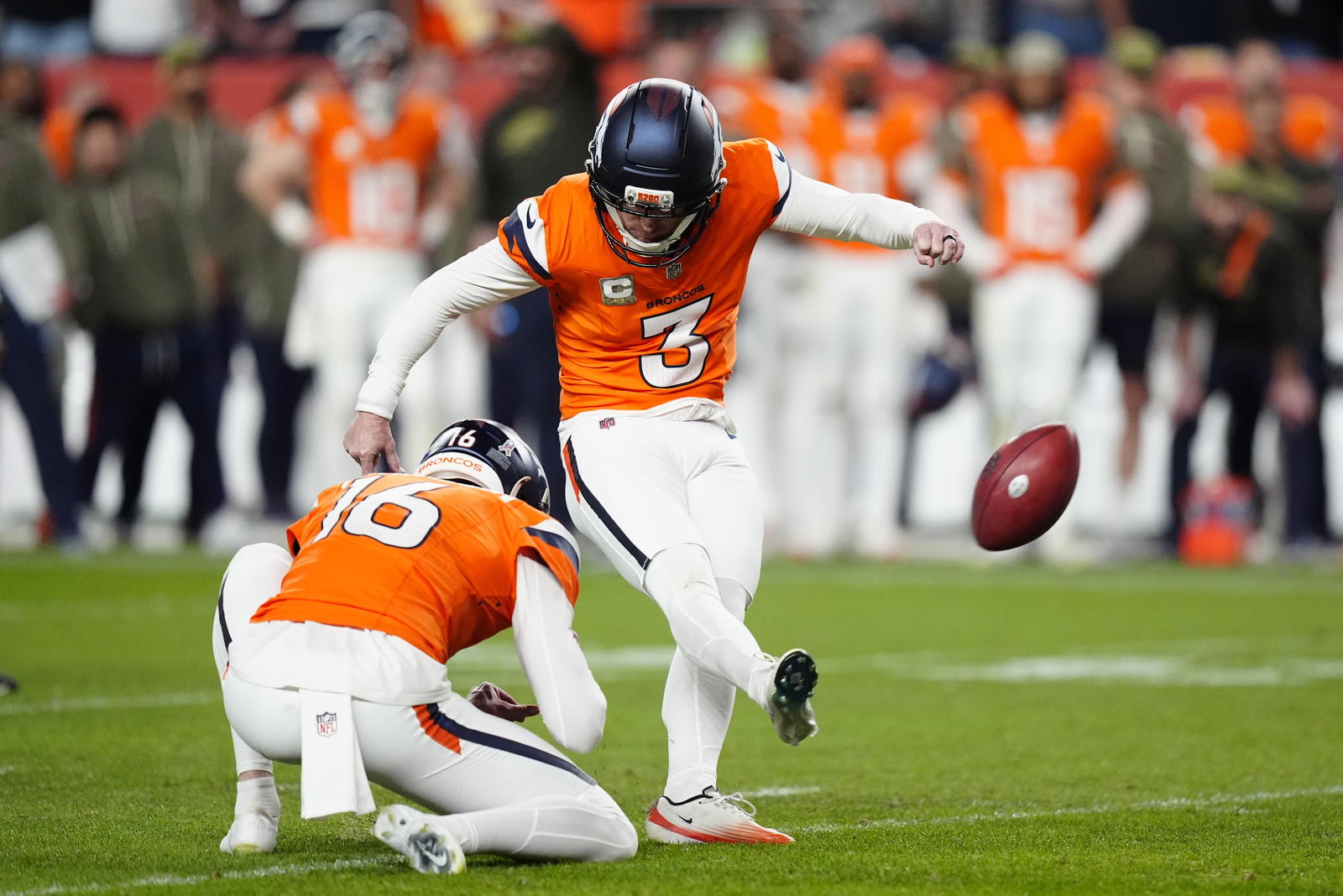
How NFL overtime works in the 2026 regular season
NFL overtime is not simply “first team to score wins.” The current format is modified sudden death, designed to give both teams an opportunity to possess the ball, subject to the clock and a narrow safety exception.
- A coin toss sets the first choice. The referee conducts an overtime coin toss; the visiting captain calls it.
- Regular-season overtime lasts 10 minutes. Teams play one extra period after a short intermission.
- Both teams normally get a possession opportunity. A touchdown on the opening possession does not automatically end the game; the opponent generally gets a chance to answer.
- A safety can end the game in a specific case. If the team kicking off to start overtime scores a safety during the receiving team’s initial possession, the kicking team wins.
- The next score can decide the result. If the opening team does not score on its initial possession, or the score is tied after both teams have had their opportunity, the next score wins.
- A regular-season game can end tied. If the 10-minute period expires with the score level, the result is recorded as a tie.
These procedures are detailed in the official NFL rulebook and the league’s overtime rules explainer.
Why the overtime interception mattered
McMillian’s interception stopped Seattle’s drive and changed field position immediately. Denver did not need a long offensive march after a difficult second half; it needed to protect the ball and move into range for Lutz. Overtime possessions are valuable, but a turnover can outweigh the advantage of winning the coin toss.
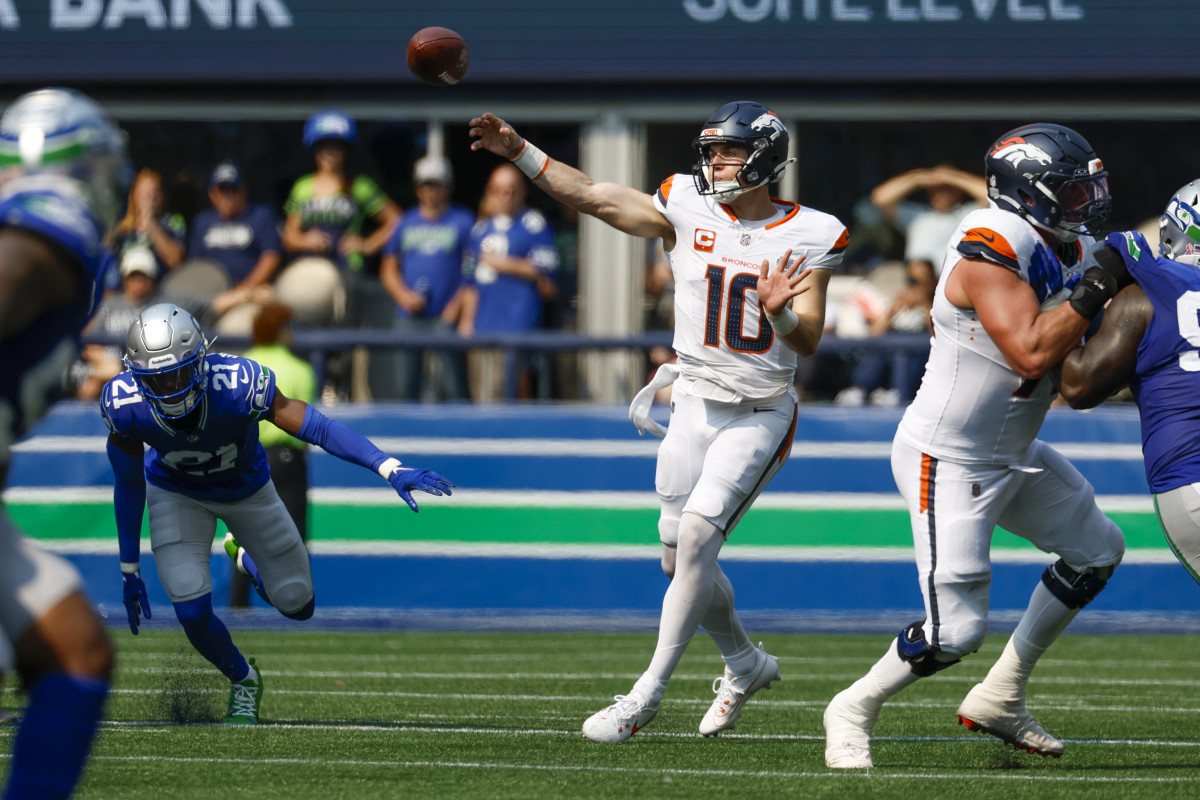
Regular-season overtime vs. playoff overtime
- Regular season: one 10-minute overtime period. If the score is tied when time expires, the game can end in a tie.
- Postseason: 15-minute overtime periods continue as needed until a winner is determined. Playoff games cannot end in a tie.
- Possession opportunity: both teams generally get a chance to possess the ball even if the first team scores a touchdown.
The distinction matters late in the season. A regular-season tie affects the standings, while a playoff matchup must produce a winner regardless of how long overtime takes.
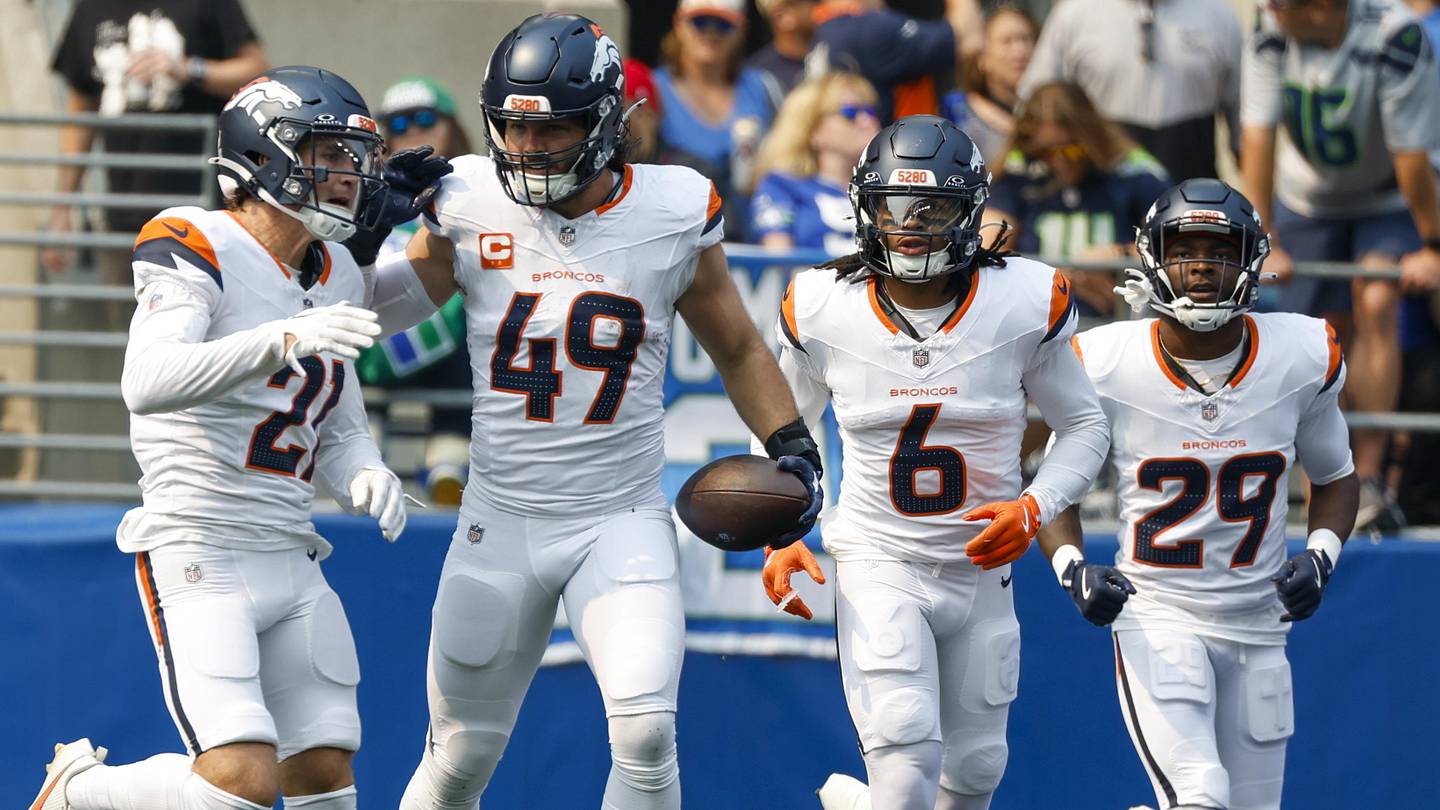
What the finish tells fans
Thursday’s game showed why overtime is about more than the coin toss. Seattle fought back to force extra time, but a turnover decided the night. Denver’s defense delivered the pivotal play, and Lutz converted the opportunity into a 17-14 win.
Watch the official Broncos full-game highlights or the NFL’s Week 6 highlights. These official video pages are more reliable than unverified social clips that may be removed or miscaptioned.
Frequently asked questions
How long is NFL overtime in the 2026 regular season?
Regular-season overtime is one 10-minute period. If the score remains tied when time expires, the game can finish as a tie.
Does the first touchdown in overtime automatically win?
No. Both teams generally have an opportunity to possess the ball, even if the opening possession ends in a touchdown. A safety on the receiving team’s initial possession is a specific exception.
Can NFL playoff games end in a tie?
No. Postseason games use 15-minute overtime periods and continue until a winner is determined.
Who won Broncos vs. Seahawks on October 15, 2026?
The Denver Broncos won 17-14 in overtime. Ja’Quan McMillian intercepted Sam Darnold, and Wil Lutz kicked the winning 53-yard field goal.
Where can I watch the overtime highlights?
Watch the official highlights on DenverBroncos.com or NFL.com.
Sources: Reuters’ game report, the NFL overtime rules, and the Denver Broncos’ official recap.






