

Quick answer: Nathan Fielder’s documentary You Can See Everything follows Elizabeth Holmes and her family during the 34 days before she reported to federal prison in 2023. What begins as unusually intimate access to the former Theranos chief executive becomes a much stranger examination of trust, self-presentation and the limits of documentary filmmaking. The film is scheduled to open in U.S. theaters on October 16, 2026, according to distributor A24.
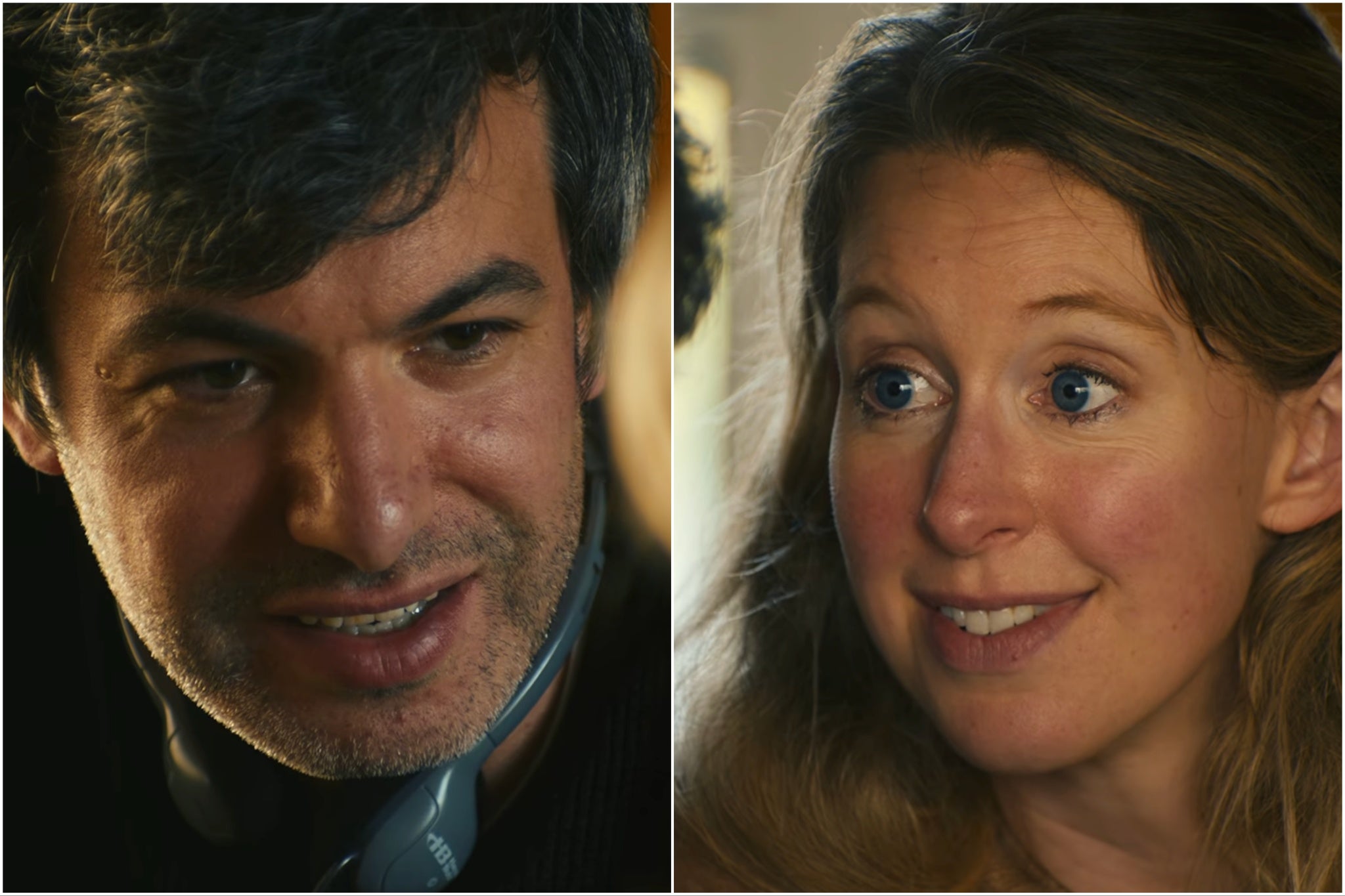
Why Nathan Fielder’s time with Elizabeth Holmes became so unsettling
The premise sounds straightforward: Holmes, the founder of failed blood-testing startup Theranos, agrees to let a skeptical film crew observe her life shortly before she begins an 11-year prison sentence. Fielder and co-director Lance Oppenheim were given access to the household in California, including time in a guesthouse, as they filmed the weeks before her incarceration. But the project does not stay a conventional profile for long.
Holmes and her partner, Billy Evans, presented the access as a chance to correct what they believed was a distorted public image. Fielder’s presence, however, changes the balance. He is not a neutral camera hidden in the corner: his questions, reactions and uncertainty become part of the story. That makes the film as much about the act of documenting people as it is about Holmes herself.
What viewers should know before watching
You Can See Everything was directed by Nathan Fielder and Lance Oppenheim and runs for nearly three hours. A24 lists the U.S. theatrical opening for Friday, October 16, 2026. The filmmakers’ access began shortly before Holmes reported to prison in May 2023, but the finished documentary developed over a much longer period.
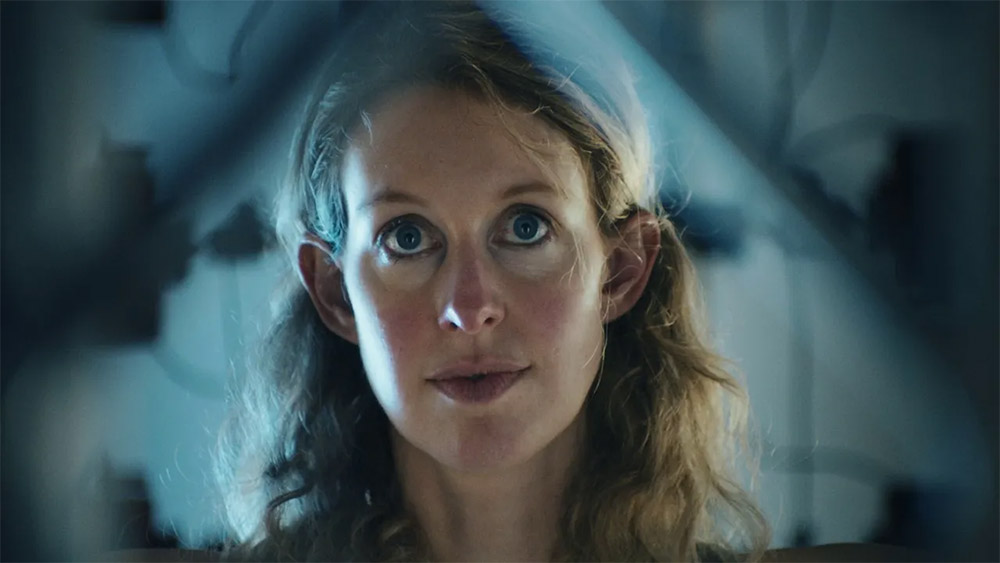
The film is not simply a recap of Theranos’ rise and collapse. Holmes was convicted in 2022 of defrauding investors and was sentenced in 2023. Her insistence that she did not knowingly do wrong is part of the documentary’s tension; it should be understood as her stated position, not as a reversal of the court’s findings.
The most uncomfortable scenes are about trust, not spectacle
Without giving away the film’s turns, its unease comes from the gap between what the camera records and what viewers can confidently conclude. A domestic setting can feel reassuring, but intimacy is not the same as verification. A subject may be candid about one detail while remaining guarded about another. A filmmaker may ask tough questions and still be influenced by the access being offered.
That is the documentary’s strongest idea: a camera can capture expressions, conversations and routines, but it cannot automatically prove motive. Viewers are invited to assess what is shown while remembering that editing, framing and the relationship between subject and filmmaker shape every nonfiction story.

How the film connects to the Theranos story
Theranos promised to run many medical tests using only a small amount of blood, a claim that helped Holmes attract major attention and investment. Investigations exposed serious problems with the company’s technology and practices. The company collapsed, and Holmes’ criminal case became one of Silicon Valley’s most closely watched fraud stories.
The documentary revisits that history indirectly by focusing on the person who now wants to be understood. That shift raises a difficult question for audiences: does access to someone’s private life help explain public wrongdoing, or can it distract from the evidence and the people who were harmed? Personal context can add nuance, but it does not erase established facts or replace accountability.

Why documentary ethics matter here
Documentaries often promise an unfiltered view of reality, but every production makes choices: where the camera goes, which questions are asked, what gets cut and how events are arranged. In a film built around a subject seeking to reshape public perception, those choices become especially important.
Fielder’s awkward, probing style makes the process visible instead of pretending that the filmmaker is absent. That can be revealing, but it also asks viewers to stay alert. The presence of a camera does not guarantee honesty, and a filmmaker’s skepticism does not guarantee perfect objectivity. The most responsible response is to separate what the film directly shows from what it implies and to check important factual claims against independent reporting and court records.
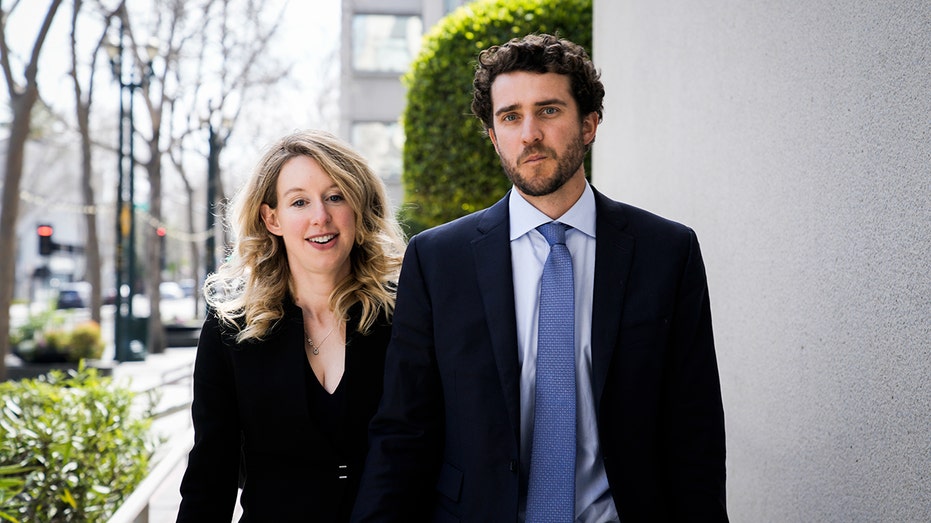
Watch the trailer
The trailer gives a sense of the film’s tense interview dynamic without replacing the full documentary. The film is scheduled to open in U.S. theaters on October 16, 2026; check A24’s official page for current ticket and screening information.
What makes this documentary different?
Its distinctive angle is not merely that Fielder spent time around Holmes before prison. It is that the process of trying to understand her becomes the film’s subject. Rather than delivering a neat verdict on every interaction, the documentary leaves viewers weighing competing signals: access versus control, empathy versus accountability, and personal storytelling versus independently established evidence.
That ambiguity may frustrate viewers expecting a conventional true-crime explanation. It can also make the film a useful case study in media literacy. When a public figure invites cameras into private life, audiences should ask not only what is being revealed, but who benefits from the framing and what remains outside it.
Frequently asked questions
Did Nathan Fielder live with Elizabeth Holmes?
Reporting on the documentary says Fielder and the crew were given unusually close access to Holmes and her family in the weeks before she reported to prison, including staying in a guesthouse on the property. The film grew from that access into a longer project.
What is You Can See Everything about?
It is a documentary directed by Nathan Fielder and Lance Oppenheim that follows Elizabeth Holmes in the period before her 2023 imprisonment and examines the complicated relationship between a subject, a filmmaker and the public story being told.
When does You Can See Everything come out?
A24 lists October 16, 2026, as the U.S. theatrical release date. Availability and showtimes vary by location.
Is the documentary a defense of Elizabeth Holmes?
It gives Holmes substantial access to present herself, but access should not be confused with endorsement. The documentary’s tension comes partly from the filmmakers’ questions and the viewer’s need to assess what is shown alongside established reporting and court findings.
Why is the film considered unsettling?
Its close access to everyday life clashes with the serious fraud case behind its central subject. The film also makes the documentary process visible, leaving viewers to question how much intimacy can really tell them about truth, motive and accountability.
Sources and further reading
- A24: Official film page, synopsis and release information
- Associated Press: Review of You Can See Everything
- Los Angeles Times: Trailer and production background
- ABC News: What to know about the documentary
Author: Shivam Das






