

Jenna Ortega’s message at the London premiere of Klara and the Sun was simple: pay attention to the people in front of you. The actor said she hopes the film encourages audiences to focus on one another and put down their computers and phones. The remark connects the movie’s story about artificial companionship with a real-life question many viewers recognize: when does technology start crowding out human connection?
By Shivam Das | Entertainment
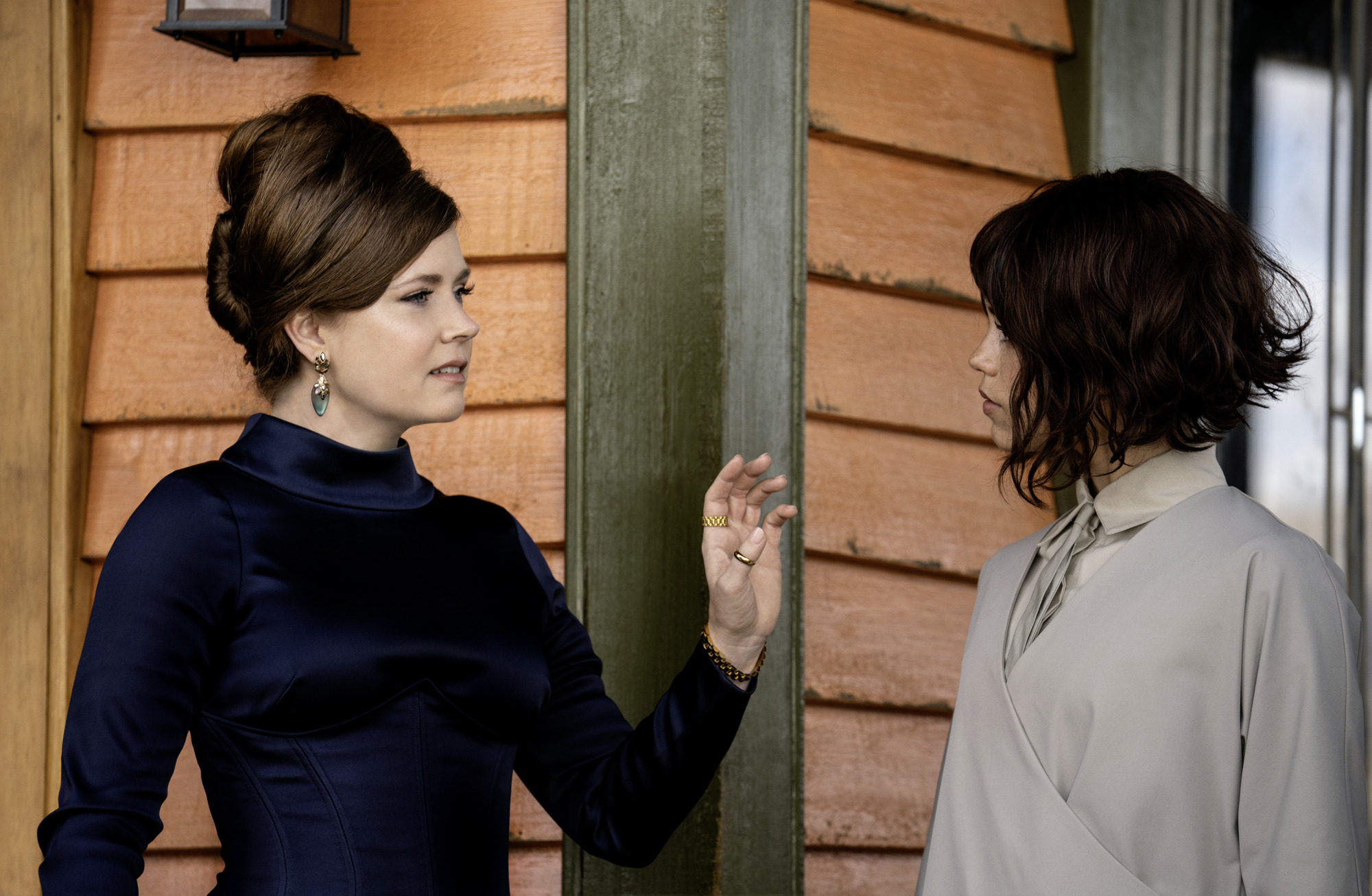
What Jenna Ortega said about phones and being present
At the film’s London world premiere during the BFI London Film Festival, Ortega told Variety that she hoped audiences would “put down the computers and phones” and remember to appreciate the people standing right in front of them. The point was not that every device is harmful or that people should abandon technology. It was a call to make room for attention, listening and face-to-face time.
That distinction matters. Phones help people maintain relationships across distance, find information and get support. The tension appears when checking a screen becomes automatic—even during a conversation, meal or moment someone hoped to share. Ortega’s comment offers a useful lens for discussing the film, not proof that one movie or one celebrity statement can solve digital distraction.
Why the message fits Klara and the Sun
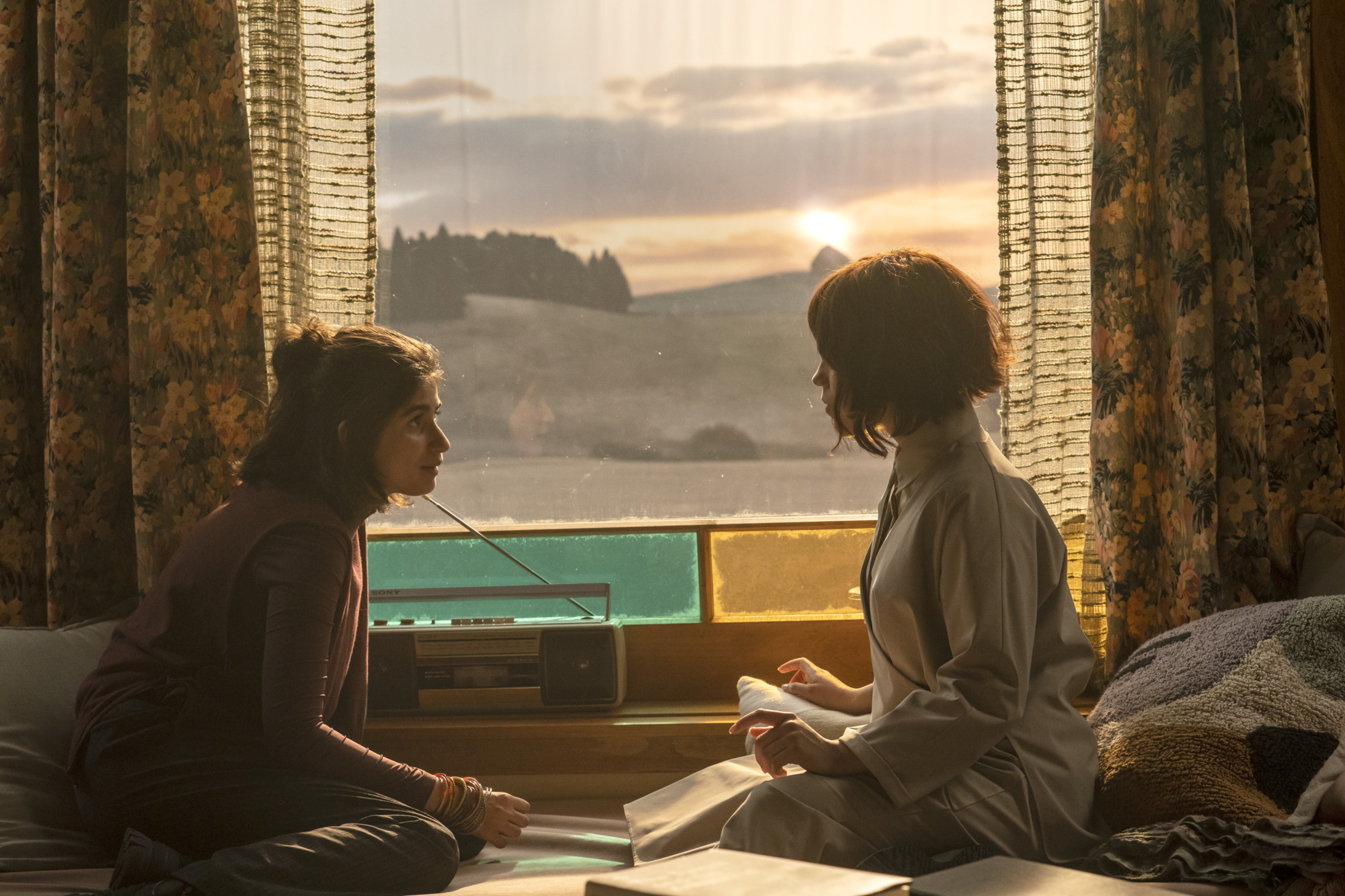
Based on Kazuo Ishiguro’s 2021 novel, the film follows Klara, an artificial friend played by Ortega, who is bought to accompany Josie, a teenager played by Mia Tharia. Amy Adams plays Josie’s mother. The official synopsis describes a family living with grief and strain, and a relationship in which Klara’s curiosity and loyalty begin to help them reconnect.
The story’s central question is more complicated than “AI is good” or “AI is bad.” An artificial companion may offer comfort, but the film also invites viewers to consider what makes a relationship meaningful: attention, empathy, memory, vulnerability and the willingness to listen. Ortega’s premiere comments bring that fictional question into everyday life, where digital tools can connect people while also competing for their attention.
Watch the official Klara and the Sun trailer
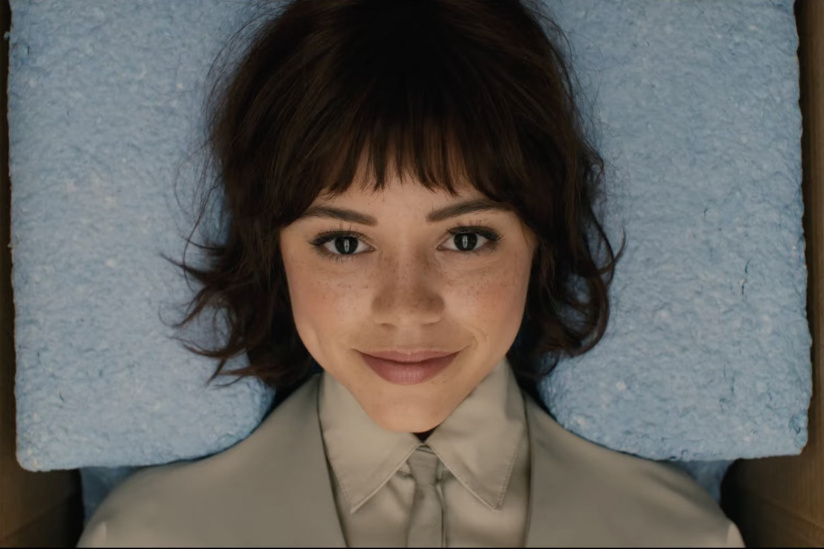
The trailer comes from Sony Pictures Entertainment’s official YouTube channel. It introduces Klara as an artificial friend and establishes the film’s focus on companionship, family and the human feelings that technology cannot neatly reduce to data.
A practical takeaway: try a small phone-free moment

There is no need to turn Ortega’s comment into a strict rule. A more realistic experiment is to choose one small part of the day—a meal, a walk, a catch-up with a friend or the first ten minutes after arriving home—and leave the phone out of reach. Notice whether the conversation feels different. If a device is needed for accessibility, safety or an urgent responsibility, use it; being present should not mean ignoring real needs.
For families, the same idea works best as a shared agreement rather than a punishment. Adults can model it, everyone can choose a phone-free window, and the household can make exceptions for important calls. The goal is intentional use, not guilt.
What to know about the film’s release
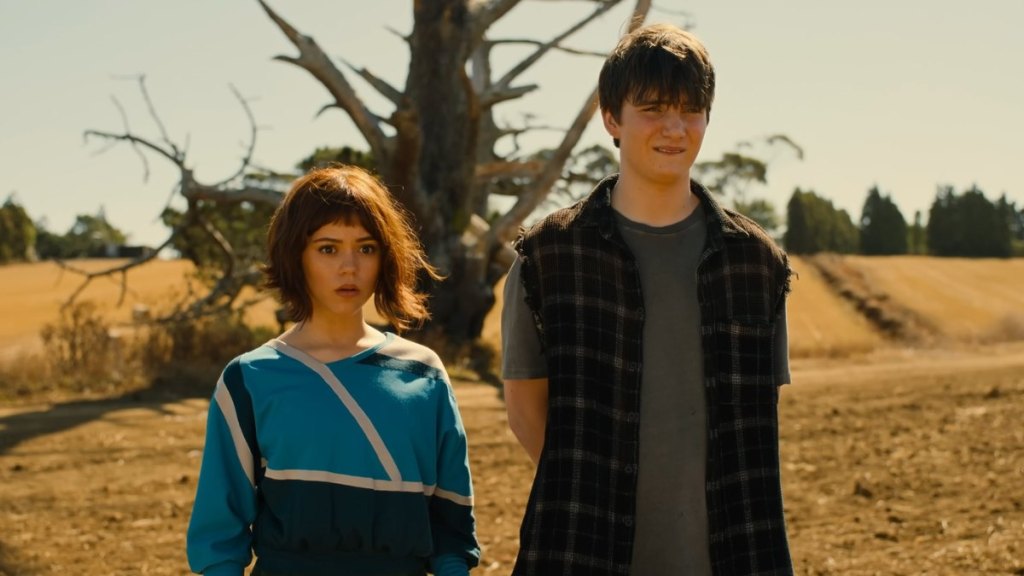
Klara and the Sun is directed and co-written by Taika Waititi, with a screenplay co-written by Dahvi Waller, and is adapted from Ishiguro’s bestselling novel. The cast includes Ortega, Amy Adams, Mia Tharia, Aran Murphy, Steve Buscemi and Natasha Lyonne. Sony Pictures lists the U.S. theatrical release for October 23, 2026.
Ortega’s remarks are timely because the film places questions about artificial intelligence inside a story about loneliness and care. But the strongest takeaway is not a blanket rejection of screens. It is a reminder to decide when technology is helping a relationship—and when it is interrupting one.
Quick answer
Why does Jenna Ortega want people to put their phones down? At the London premiere of Klara and the Sun, Ortega said she hopes the film reminds people to focus on one another and be present. The message reflects the movie’s themes of companionship and human connection; it is not a claim that all technology is harmful.
Frequently asked questions
What did Jenna Ortega say at the Klara and the Sun premiere?
She said she hopes the film encourages people to focus on one another, put down computers and phones, and appreciate the people physically present with them.
What is Klara and the Sun about?
It follows Klara, an artificial friend played by Ortega, who becomes a companion to Josie, a teenager in a family dealing with grief and difficult relationships.
Who directed Klara and the Sun?
Taika Waititi directed the adaptation and co-wrote its screenplay with Dahvi Waller. It is based on Kazuo Ishiguro’s 2021 novel.
When does Klara and the Sun open in U.S. theaters?
Sony Pictures lists October 23, 2026, as the U.S. theatrical release date.
Is Jenna Ortega saying people should stop using phones completely?
No. Her reported comment encourages people to pay attention to one another. A balanced interpretation is to use devices intentionally rather than treating all screen time as harmful.
Sources and further reading
- Sony Pictures: Official film page, synopsis, cast and release date
- BFI London Film Festival: Klara and the Sun
- Reuters: Film context and comments from the premiere
- Sony Pictures Entertainment: Official trailer on YouTube
Image note: Images are credited to the linked publishers or studio pages. Before relying on any third-party image long-term, confirm its reuse rights and licensing terms.






