
Quick answer: Japan’s emergency earthquake warning issued on October 16, 2026, was withdrawn after about eight minutes. The Japan Meteorological Agency (JMA) said its system initially placed the earthquake near the Kuril Islands and overestimated its magnitude at 9.9. A magnitude 6.9 earthquake did occur near Russia’s Kamchatka Peninsula, but the extreme warning estimate was incorrect. No tsunami warning or advisory was issued, according to reporting by The Japan Times.
The episode has renewed attention on Japan’s earthquake alerts and on the difference between an early estimate and the measurements confirmed after seismic data are processed. The warning’s cancellation does not mean earthquakes are harmless; it means the initial alert was based on an erroneous estimate that authorities are investigating.
What happened with Japan’s October 16 earthquake alert?
At around 12:40 p.m. Japan time, the JMA issued an emergency earthquake warning for areas spanning Hokkaido toward central Japan. The system had determined the source to be in the Kuril Islands region and estimated a magnitude of 9.9, a figure far above the magnitude later reported for the actual event.
The agency later said the system had overestimated the magnitude during its earthquake-warning processing. The alert was withdrawn at about 12:48 p.m. A magnitude 6.9 quake occurred near the Kamchatka Peninsula, and the maximum shaking reported in Japan was very weak. Authorities said no tsunami warning or advisory was issued. The cause of the overestimate remains under investigation.
Read the Japan Meteorological Agency’s official statement for its explanation of the warning and the magnitude estimate. The Japan Times report also describes the alert’s withdrawal.
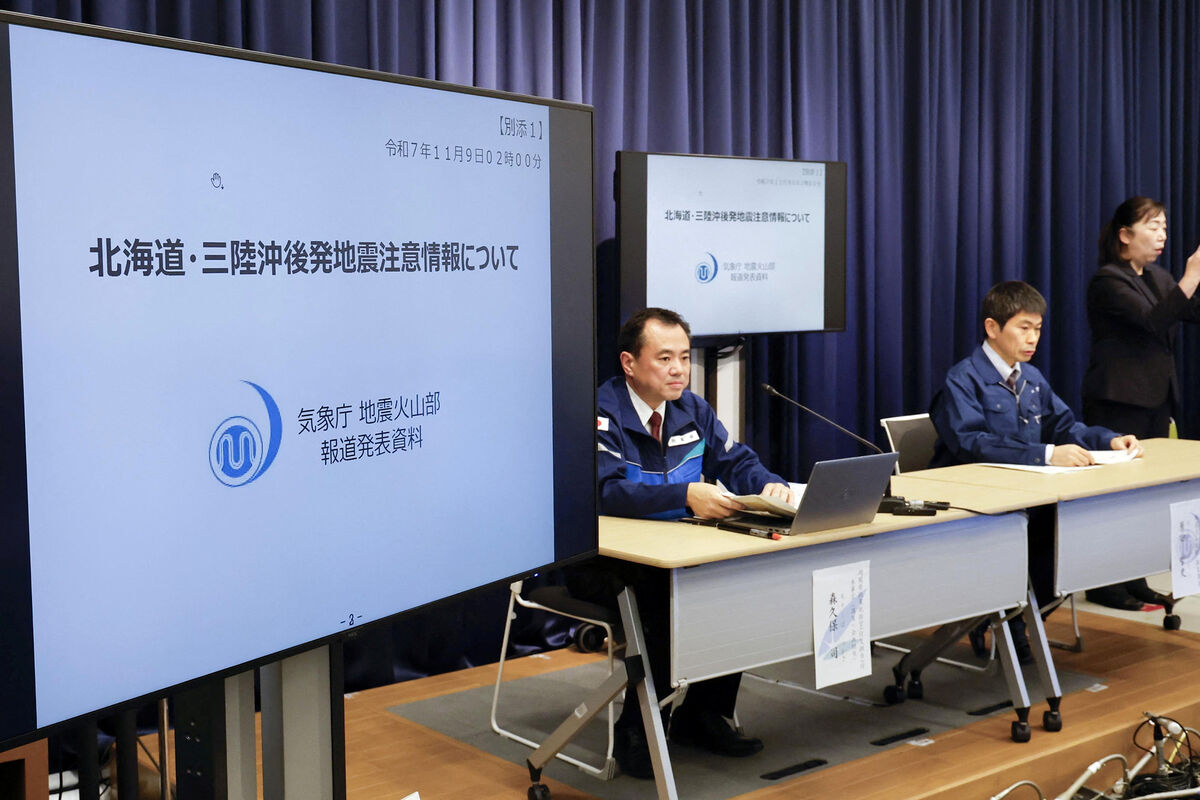
Why do earthquake alerts sometimes change quickly?
Japan’s early-warning system is designed to detect seismic waves quickly and issue alerts before stronger shaking reaches more distant areas. Because the system must act within seconds, the first estimate of an earthquake’s location and size can change as additional stations provide data. That speed can save lives, but it also means an early estimate is not the same as a final reviewed magnitude.
In this case, the JMA has specifically said the magnitude was overestimated and that it is investigating why. It would be premature to attribute the error to a particular sensor or software issue before the agency releases its findings.

Does the alert mean a tsunami is coming?
No. An earthquake warning and a tsunami warning are different alerts. The October 16 earthquake warning was withdrawn, and news reports said no tsunami warning or advisory was issued for this event. If a future offshore earthquake poses a tsunami threat, authorities will issue a separate tsunami warning or advisory.
People near the coast should follow official local instructions rather than infer tsunami risk from an earthquake magnitude or a social media post alone. For the current event, check JMA updates and local emergency authorities for the latest official information.
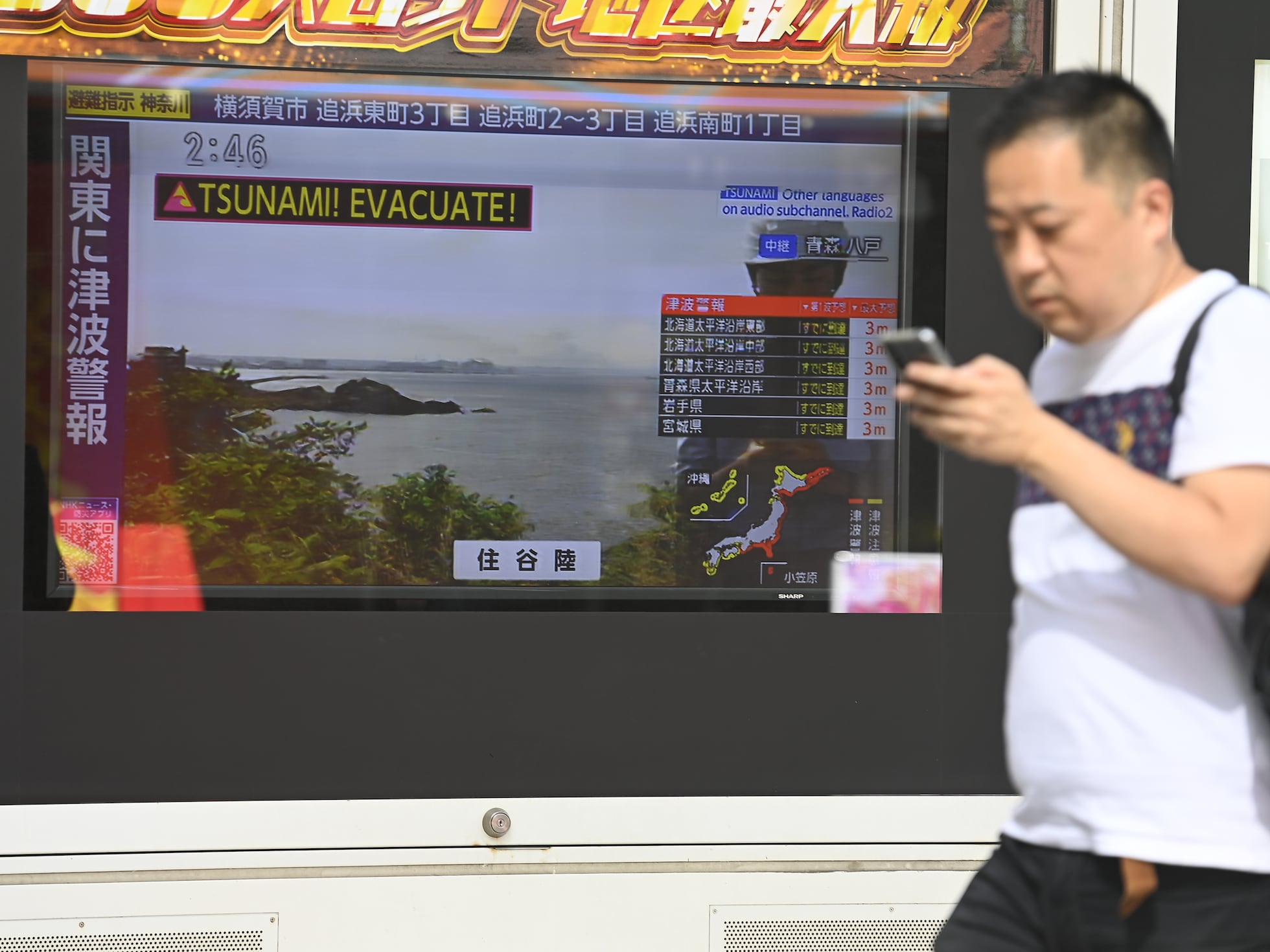
What should people do when an earthquake alert arrives?
- Act on official alerts first. Follow the instructions issued by JMA and local authorities while an alert is active.
- Drop, cover and hold on if strong shaking begins, protecting your head and neck and staying away from windows.
- Do not rush outside during shaking. Falling glass, signs and other debris can make exits dangerous.
- Check tsunami information separately if you are in a coastal area and follow evacuation directions if an official warning is issued.
- Verify viral claims. Check the JMA, local government and established news outlets before sharing claims about magnitude, damage or tsunami risk.
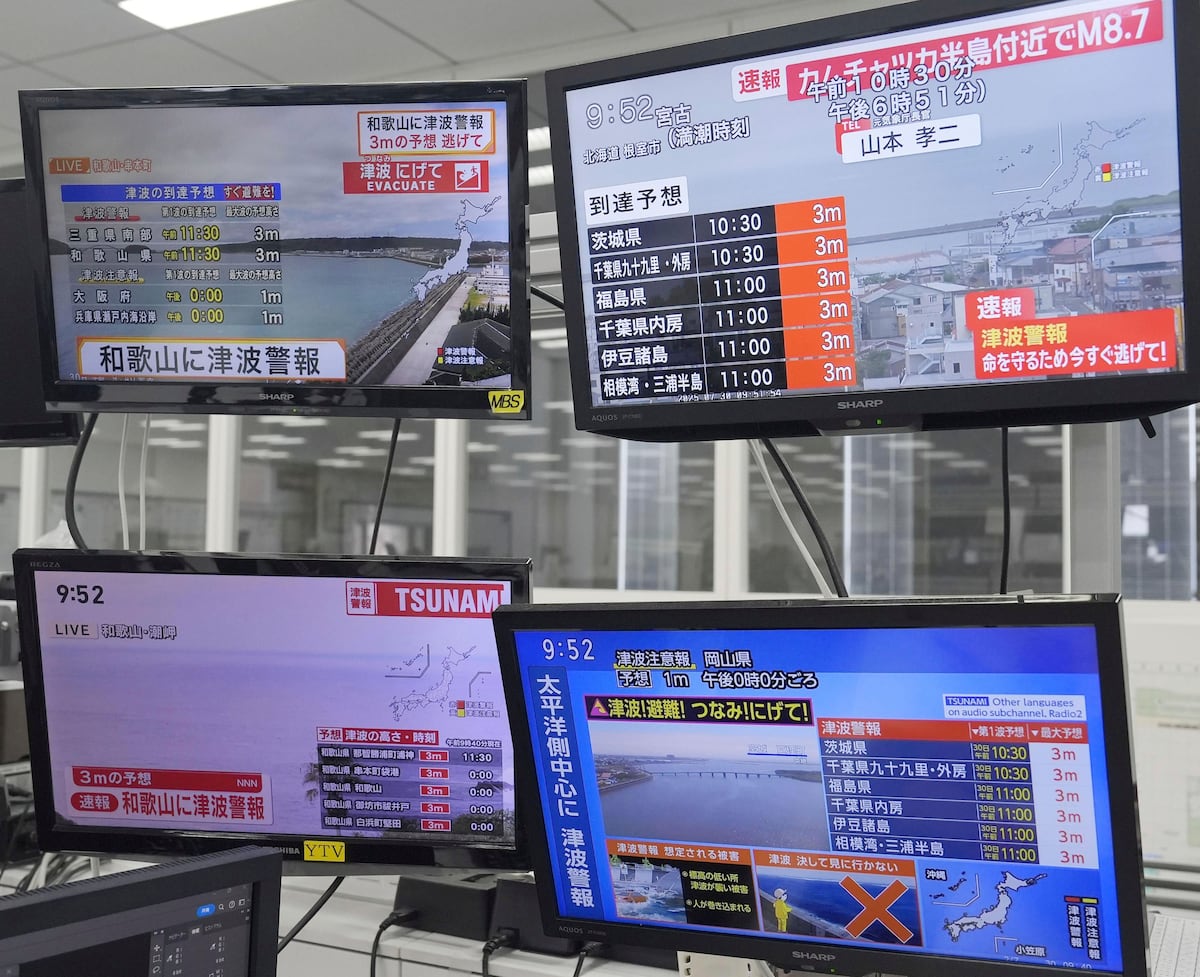
What the latest tremors mean for Japan
The key takeaway is not that Japan has confirmed a magnitude 9.9 earthquake. It has not. The JMA says the alert system produced an excessive magnitude estimate during processing, while the actual earthquake near Kamchatka was reported at magnitude 6.9. The alert was canceled and the agency is investigating.
Japan sits in a seismically active region, so small and moderate earthquakes are not unusual. But a cluster of alerts, a large early estimate or a trending social post does not by itself prove that a larger earthquake is imminent. Scientists cannot reliably predict the exact time and place of an earthquake from ordinary tremor patterns.
For official information, use the JMA’s statement about the October 16 warning and its earthquake information page. For wider regional earthquake monitoring, consult the U.S. Geological Survey earthquake map.
Frequently asked questions
Was there a magnitude 9.9 earthquake in Japan on October 16, 2026?
No. The JMA said its early-warning system overestimated the magnitude at 9.9. Reports said a magnitude 6.9 earthquake occurred near Russia’s Kamchatka Peninsula.
Was Japan’s earthquake warning canceled?
Yes. The emergency warning issued around 12:40 p.m. Japan time was withdrawn about eight minutes later.
Was a tsunami warning issued?
No tsunami warning or advisory was issued for this event, according to reporting about the canceled alert.
Why did the earthquake alert show the wrong magnitude?
The JMA said the magnitude was overestimated during earthquake-warning processing. The agency is investigating the cause and has not yet provided a definitive technical explanation.
Where can I check reliable earthquake updates?
Check the Japan Meteorological Agency, local government announcements and the U.S. Geological Survey’s earthquake map. Treat unsourced social posts and screenshots cautiously.
By Shivam Das






