

Quick answer: A24’s You Can See Everything, directed by Nathan Fielder and Lance Oppenheim, is scheduled to open in U.S. theaters on October 16, 2026. The nearly three-hour documentary follows Elizabeth Holmes and partner Billy Evans in the 34 days before Holmes began serving her prison sentence, then raises questions about truth, public image and the limits of documentary filmmaking.
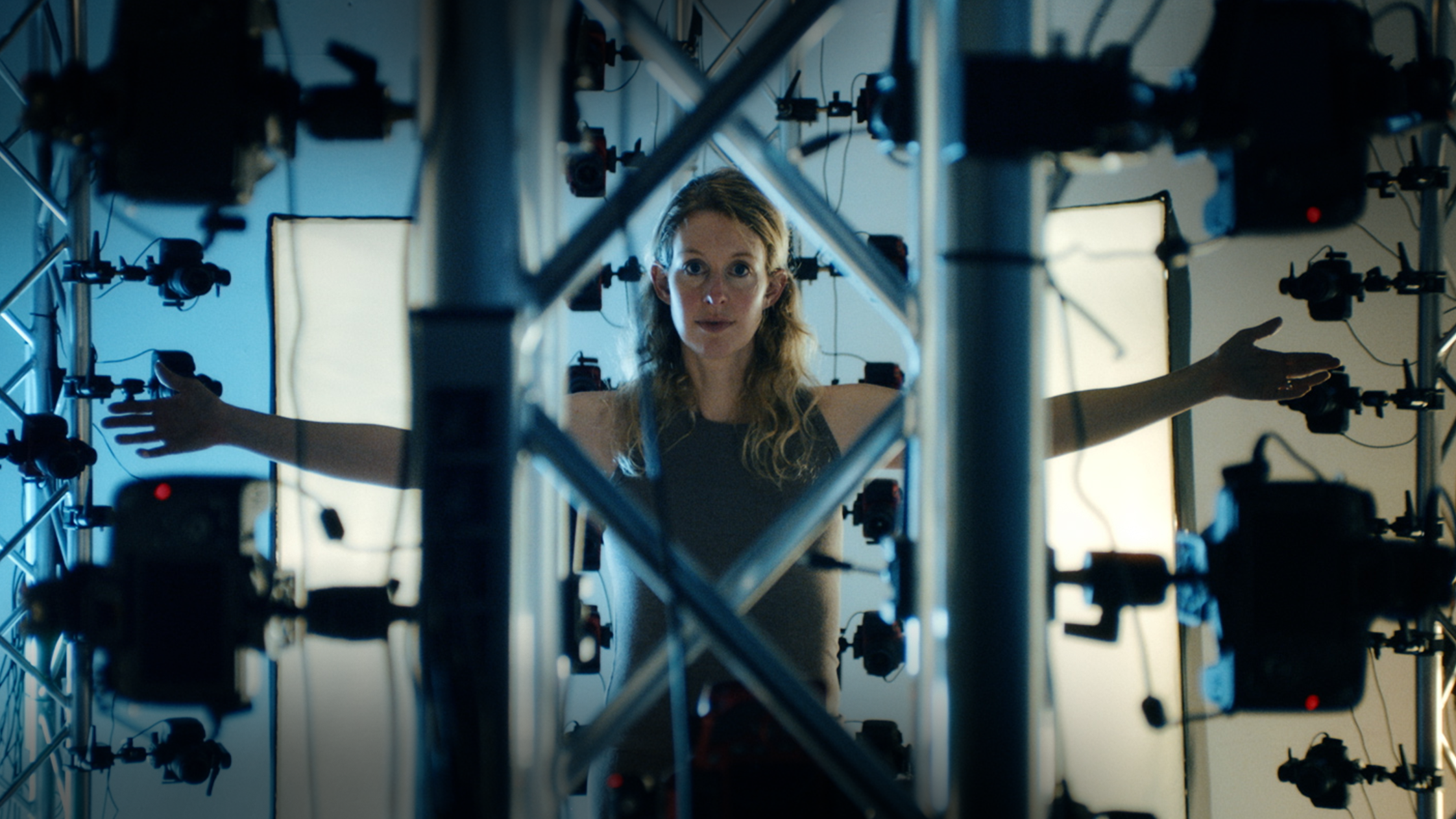
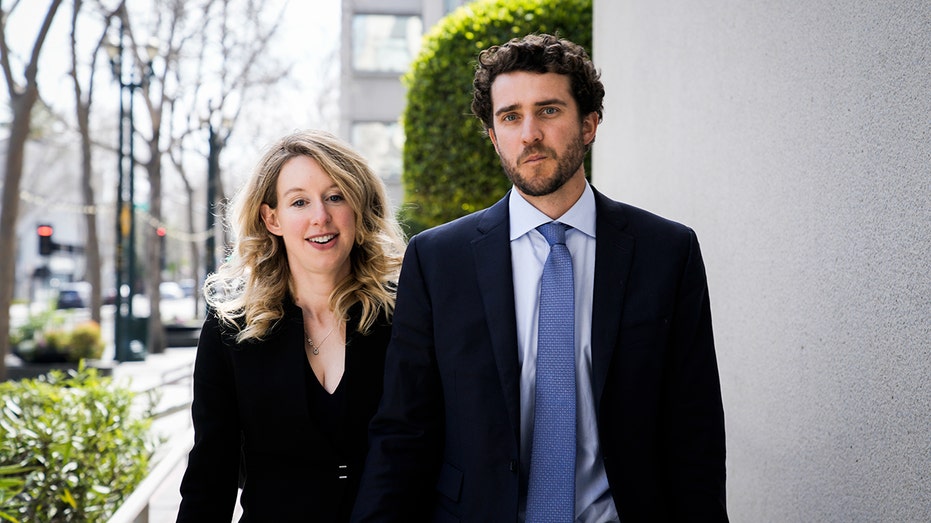
The Theranos story has long been told through competing narratives: a founder who promised to transform blood testing, a company whose claims collapsed under scrutiny, and a fraud case that ended in Holmes’s conviction for defrauding investors. This film takes a different route. Holmes and Evans invited Fielder and Oppenheim into their home to record their lives shortly before she reported to prison. The filmmakers’ access became the basis for a project that looks at the people on camera and the camera’s own influence.
What is You Can See Everything about?
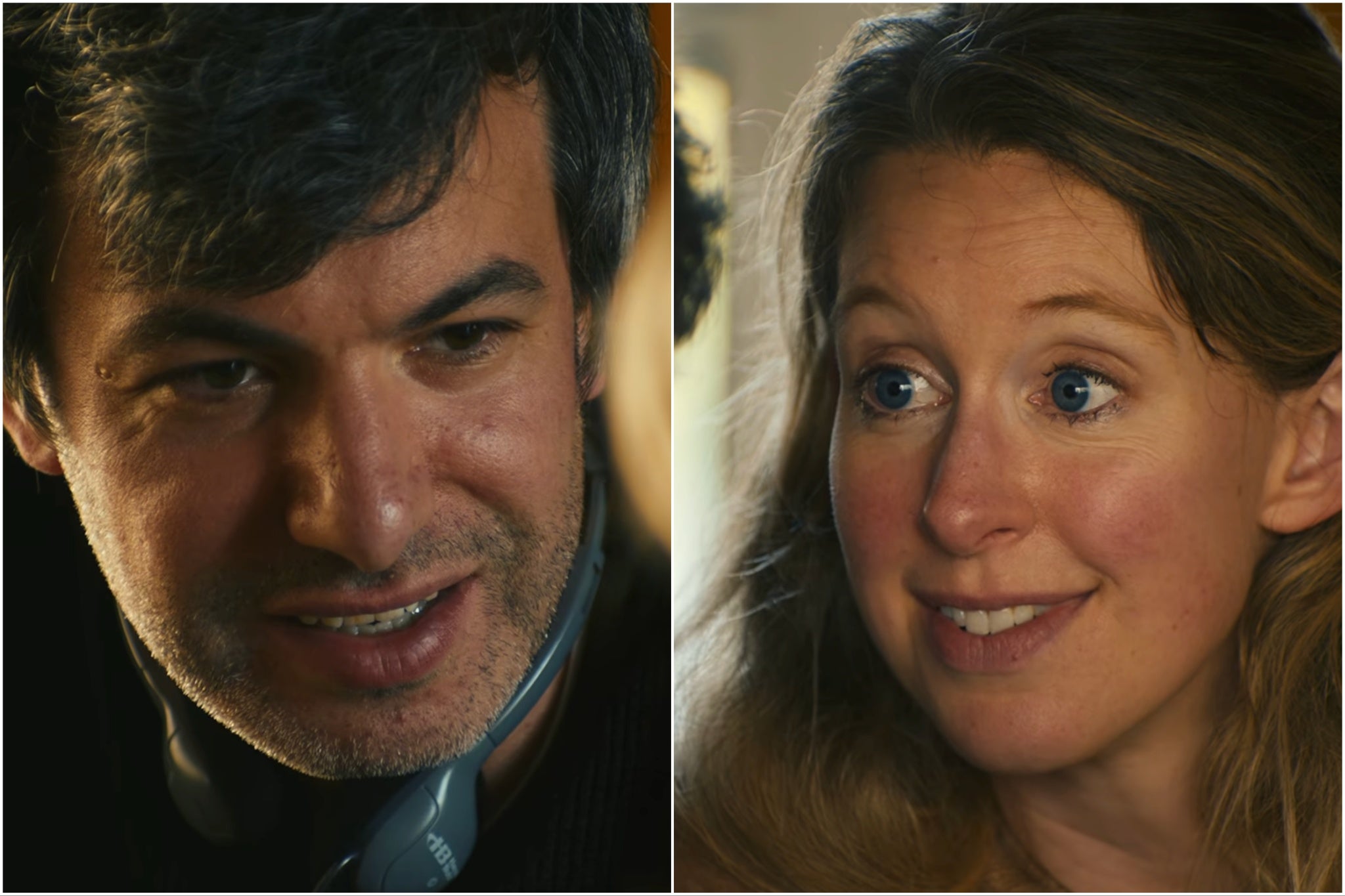
Fielder appears as an interviewer and participant, rather than an invisible observer. Oppenheim co-directs the documentary, which uses intimate scenes and extended conversations to examine how Holmes understands herself and how the public understands her. Instead of presenting a simple chronological recap of Theranos, the film explores the uneasy space between access, performance and evidence.
Why “radical transparency” is more complicated than it sounds
Transparency suggests that showing more of a person’s life will make the truth clearer. But a camera never records everything. Filmmakers decide where to point it, which moments to retain, how scenes are arranged and what context viewers receive. Subjects also decide what to reveal and how to behave when they know they are being filmed.
That tension is especially sharp in a story about a company whose public promises were central to its downfall. Holmes’s conviction is part of the established legal record; a documentary’s intimate scenes do not erase or replace that record. The film’s more interesting question is whether closeness helps viewers understand a person—or simply gives them more material to interpret.
What viewers should—and should not—conclude
Facial expressions, pauses and domestic moments can feel revealing, but they are not proof of a person’s motives. Editing, sequence and framing all affect what viewers see. The responsible approach is to treat the film as a crafted nonfiction work, compare its claims with reliable reporting and primary records, and distinguish artistic interpretation from court-established facts.
That distinction matters beyond Holmes. In an era when public figures can use documentaries, podcasts and social platforms to shape their own narratives, “access” is not the same as independent verification. A subject may be sincere in one moment and still be mistaken, selective or self-protective in another. A filmmaker may be skeptical and still influence the story through editorial choices. Audiences have to weigh both.
Release date and trailer
A24 lists Friday, October 16, 2026, for the U.S. theatrical release. The film runs close to three hours, so check local theater listings for showtimes and final runtime. Do not assume a streaming date unless the distributor announces one.
Frequently asked questions
When does You Can See Everything open in U.S. theaters?
A24 lists October 16, 2026, as the U.S. theatrical release date.
Who directed the documentary?
Nathan Fielder and Lance Oppenheim co-directed it.
What does radical transparency mean here?
It refers to the unusually intimate access to Holmes and Evans, while the film also questions whether more access necessarily creates a more objective account.
Does the film change the legal record in the Theranos case?
No. A documentary’s portrayal is separate from court findings. Use primary legal records and reliable reporting for legal claims.
Where can I find showtimes?
Check A24’s official film page and local theater listings. A streaming date should not be assumed without an official announcement.
Sources and further reading
- A24 official film page
- Associated Press reporting on the documentary
- Film at Lincoln Center: NYFF film description
- The Independent: trailer coverage
Author: Shivam Das






